- Category
- Life in Ukraine
"I Wanted to Move Forward in Life”: Teen Who Escaped Russian-Occupied Donetsk Starts Over in Kyiv
Serhii was just 17 when he convinced his parents to let him gather some of his belongings and flee occupied Donetsk. His family, however, remained. Born and raised in the eastern Ukrainian city, he was only a child when the Russians occupied his hometown. As he got older, questions arose: “I started asking myself: why was it so good then, and not now?”
 Prefer U24 Media on Google
- Authors

-73e9c0fd8873a094288a7552f3ac2ab4.jpg "Photo of Olena Blizniakova")
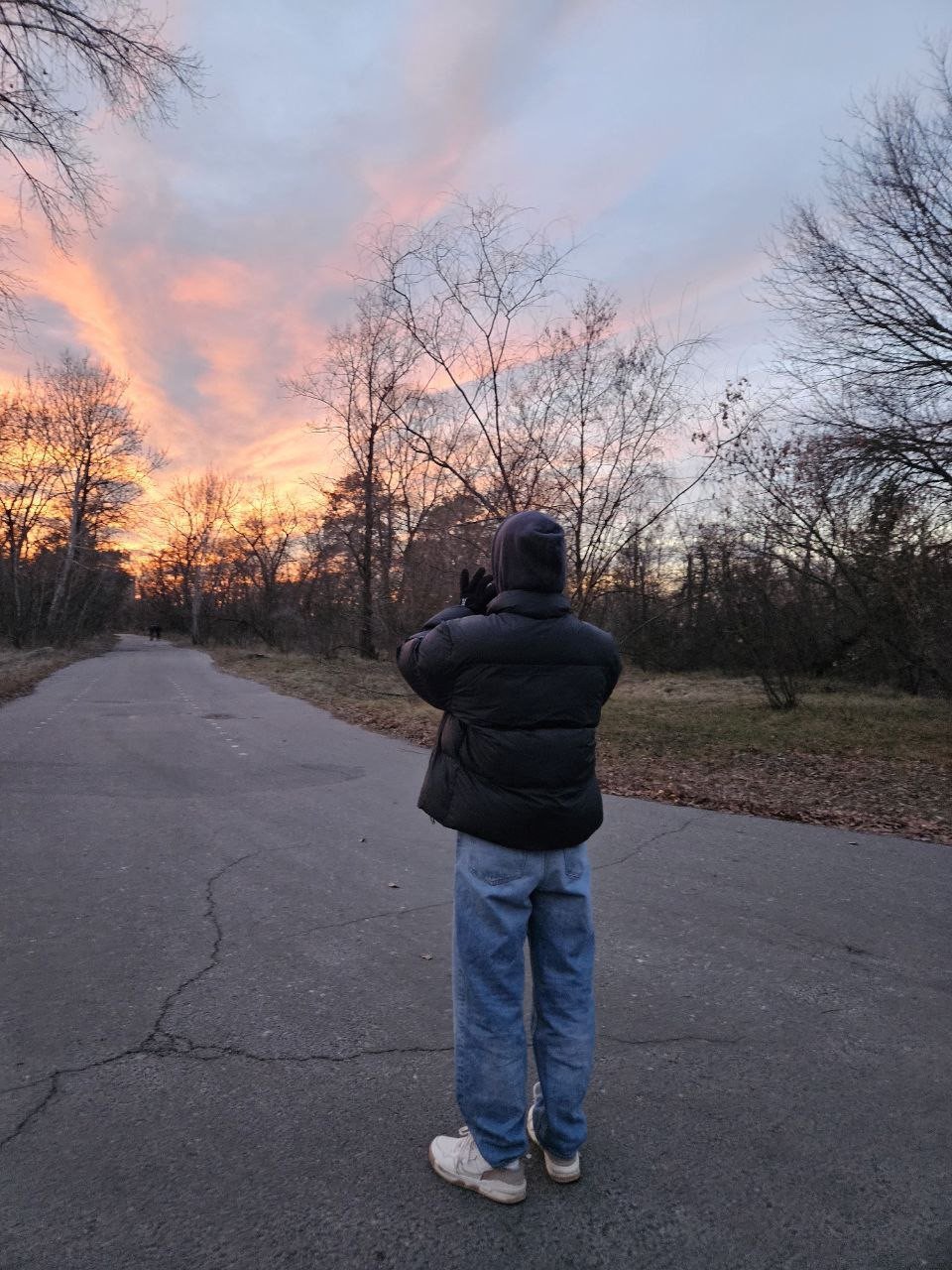
In June 2024, Serhii finally made his escape. As his family still lives in Donetsk, he prefers not to show his face, fearing it could endanger them.
Serhii’s journey is told with the help of Bring Kids Back UA—the initiative of the President of Ukraine, that unites government institutions, NGOs, and international partners to return all Ukrainian children who were deported or forcibly transferred by the Russian Federation.
What made you realize it was time to leave?
When the Russian occupation began, I was just a child, and I didn’t understand what was happening. Some kind of understanding came later, when I was about 10 or 12. I thought—it used to be better before the war. It’s just that feeling of the city. The desire to leave was always there—ever since I was growing up and my personality was beginning to take shape.
I had absolutely no idea how to actually do it. In 2022, when Russia’s full-scale invasion began, during the first few weeks, there was hope that liberation was finally coming. I started talking to people online—people from Kyiv, from other cities in Ukraine, and almost every single one of them offered me help.
Can you tell us about the steps you planned to take?
The first issue when I arrived in Ukraine was documents. I didn’t have a passport—I only had my birth certificate and taxpayer identification number. So, the first priority was getting my documents in order. The second issue was education. I wanted to apply to a university, so I had to find out how to register for the National Multi-Subject Test , how to take it, and what to do with the results afterward.
First of all, how did you even leave from there? What routes were you aware of?
I got in touch with a volunteer, we spoke over the phone, and made a plan: I would travel using the tickets she bought, or else make my own way. Since I was a minor, I needed a notarized authorization from my family, giving me permission to leave. Convincing them to agree to this was extremely difficult—it took not weeks but months. Eventually, they agreed. They even drove me by car.
What do you remember about your border crossing?
There’s a road for cars—now it’s just uneven gravel, the road in ruins. You can’t even roll your suitcase; you have to carry it by hand. Along this road, there are many things lying on the roadside—just thrown away. People carried them, until they had no strength left, and they dropped them.
When I finally reached the Ukrainian side, saw the flag, and the volunteers found me and asked in Ukrainian, “Are there others still waiting?”—and I replied in Ukrainian—tears ran down my face.
Tell us about your family—who did you live with in Donetsk?
I lived with my grandparents, mom, and brother. Our political discussions started around 2020—actually, when the protests in Belarus were going on. We were driving along in the car when something about the protests came on the radio. I started expressing my point of view. In general, my family was open to dialogue. They disagreed with me on some things, but we were able to talk about it calmly. Once the full-scale invasion began, I was talking about politics almost every day. It was really important for me to convince them, because to some extent, I could see they were falling for the propaganda. I really tried to change their minds.
Now, when I talk to my family in Donetsk on the phone, they tell me: “If it weren’t for our conversations, we probably would’ve ended up believing the propaganda.” Because it’s really strong over there. People are kept as cut off from the outside world as possible.
How often do you communicate with your relatives now? How do they view your life in Kyiv?
Every day. The only thing I don’t talk about are the overnight attacks. They are very scared, and literally every morning after heavy attacks, they write to make sure I’m okay. Overall, I talk about everything—about what life is like here, what I got up to during the day, and any interesting events. They tell me about their lives, what they’ve been doing, and what’s going on in Donetsk in general. About the lack of running water—which is a serious problem.
Do you have any vivid memories of Donetsk from before the Russian occupation?
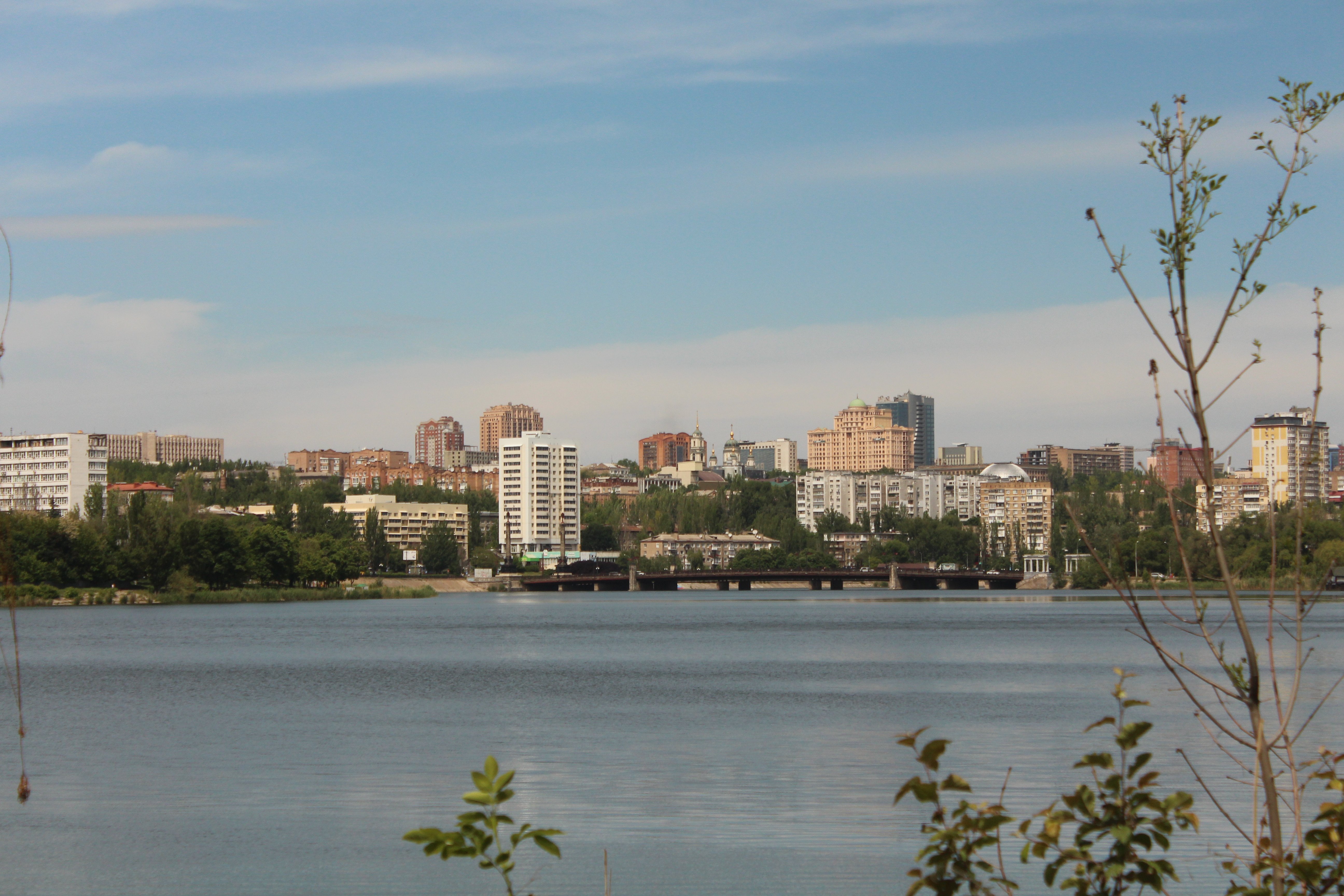
My grandfather and I used to love going to the garage after work and tinkering with the car. I remember a summer evening in Donetsk—it was already dusk. We drove through the city and saw these beautiful streets, people smiling. There was a celebration going on. It’s hard to put into words. I lived near the Donbas Arena. I remember those days [EURO-2012—ed.]—and how many people were there. I remember how beautiful the city was.
![“I lived near the Donbas Arena. I remember those days [EURO-2012—ed.]—and how many people were there.” Photo: Serhii for UNITED24 Media.](https://storage.united24media.com/thumbs/x/2/11/dad2190ad55dce6c7d294f9ff8333112.jpg "“I lived near the Donbas Arena. I remember those days [EURO-2012—ed.]—and how many people were there.” Photo: Serhii for UNITED24 Media.")
How did the Russian occupation change that?
I felt it right away—the moment the occupation began. When you live in the city center, you’re used to seeing crowds of people, traffic jams… Then, it suddenly all changes. One day, your family tells you: “We’re not going out today—it’s too dangerous.” And you immediately start asking yourself: Why? What happened? I remember once in 2014 when the main street, usually packed with cars, was completely empty. In the middle of the day, you could literally lie down on the road. And no one would even notice.
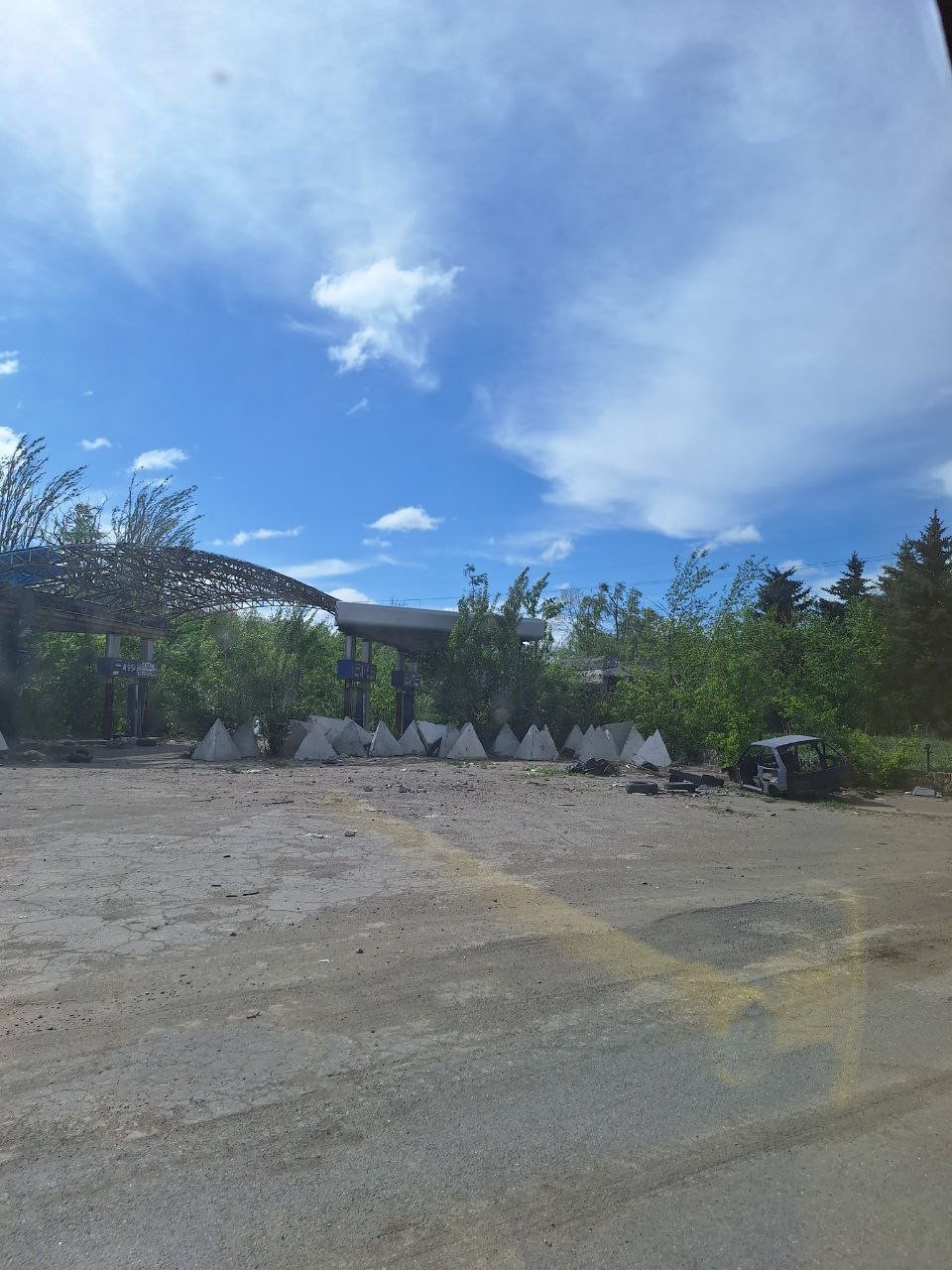
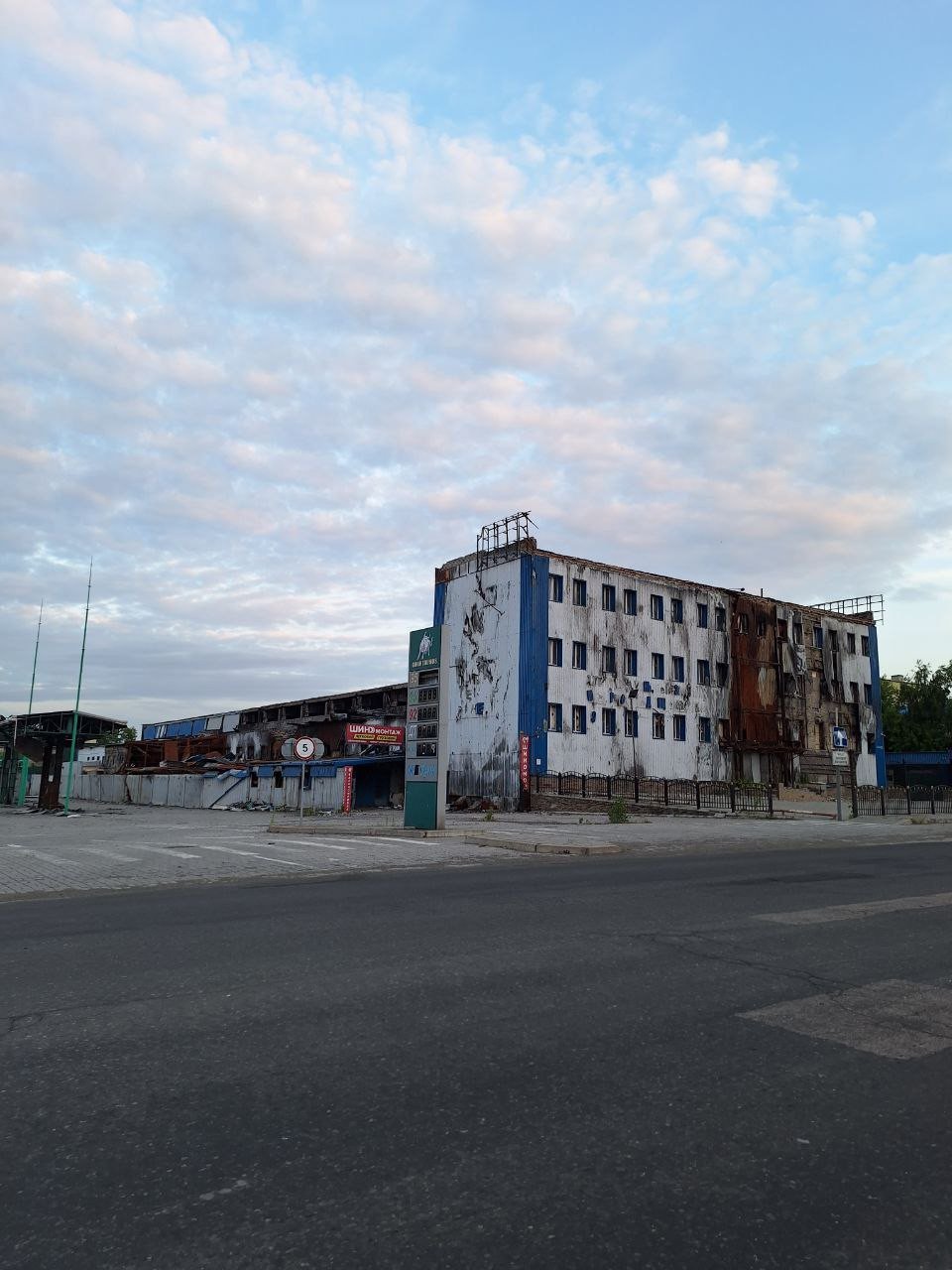
In the first few months, there was simply fear of walking down the street—confusion about what was happening, and a kind of despair. I wouldn’t even say there was hope at those moments; there wasn’t any—just fear, despair, and empty streets.
What changed for you at school?
Right when the Russian occupation started, I remember the kids barely talked about it. Even the teachers didn’t really touch on the topic. When middle school started, they had already introduced special classes. They were called "Lessons on the Citizenship of Donbas." Literally every lesson was about some topic related to Russia—about what Russia is doing for Donbas. There were also a lot of topics about World War II. But it wasn’t presented as a fight against Nazism—it was presented in a way that victory was achieved solely by the Russians. Donbas was portrayed as part of that—as being with the Russians in that victory. They strongly emphasize the idea that Russia is the direct successor of the Soviet Union. In other words, all of the Soviet Union’s achievements are presented as Russia’s achievements.
Did you realize it was propaganda at the time?
I think that understanding came around 2020. Before that, I was kind of missing Ukraine—but not really realizing I was Ukrainian. I was just missing the peaceful times and how good it was in Donetsk. Then, as I grew older and started exploring social media and more sources of information, I began asking myself: Why was it so good back then, but not now?
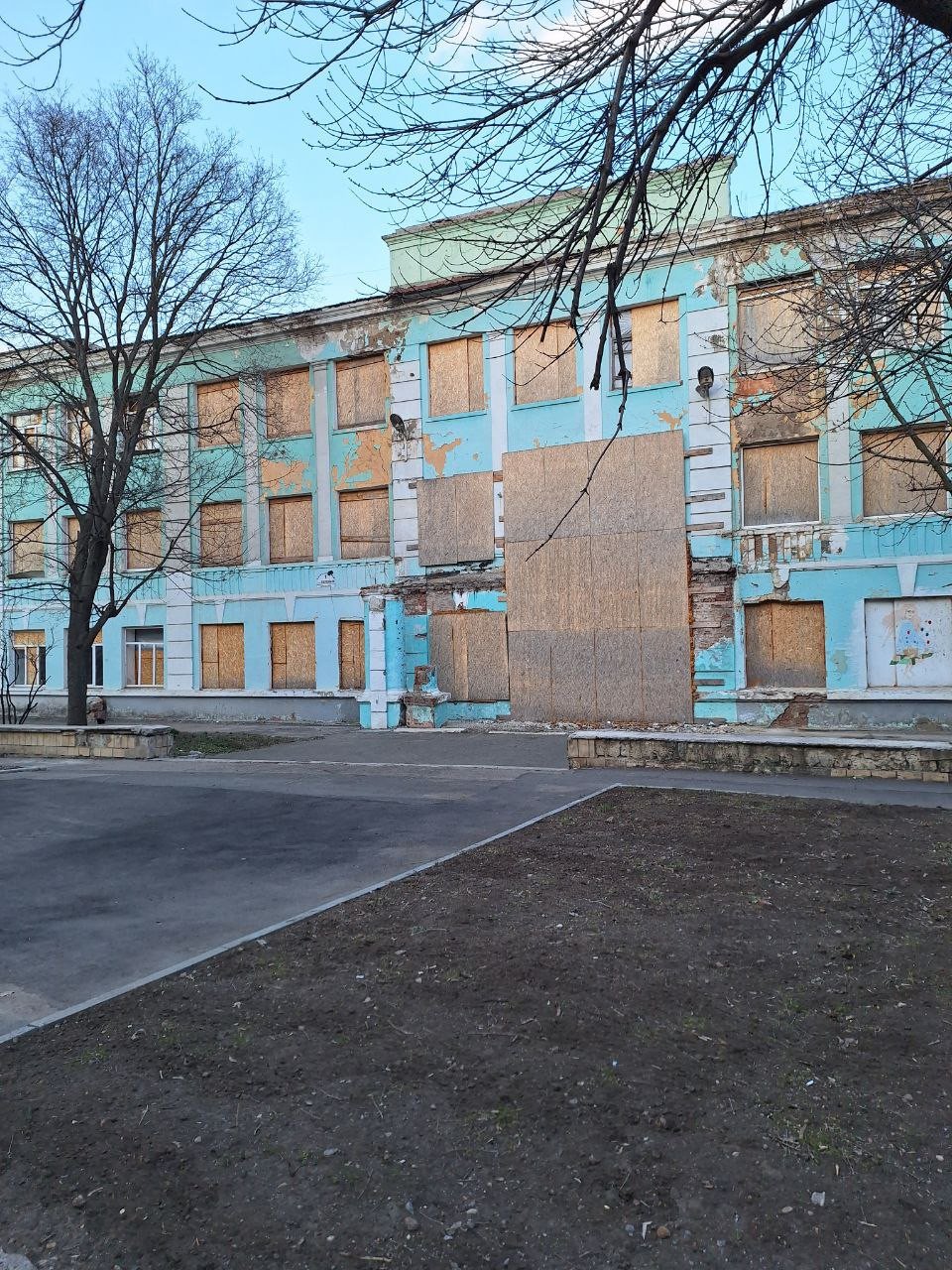
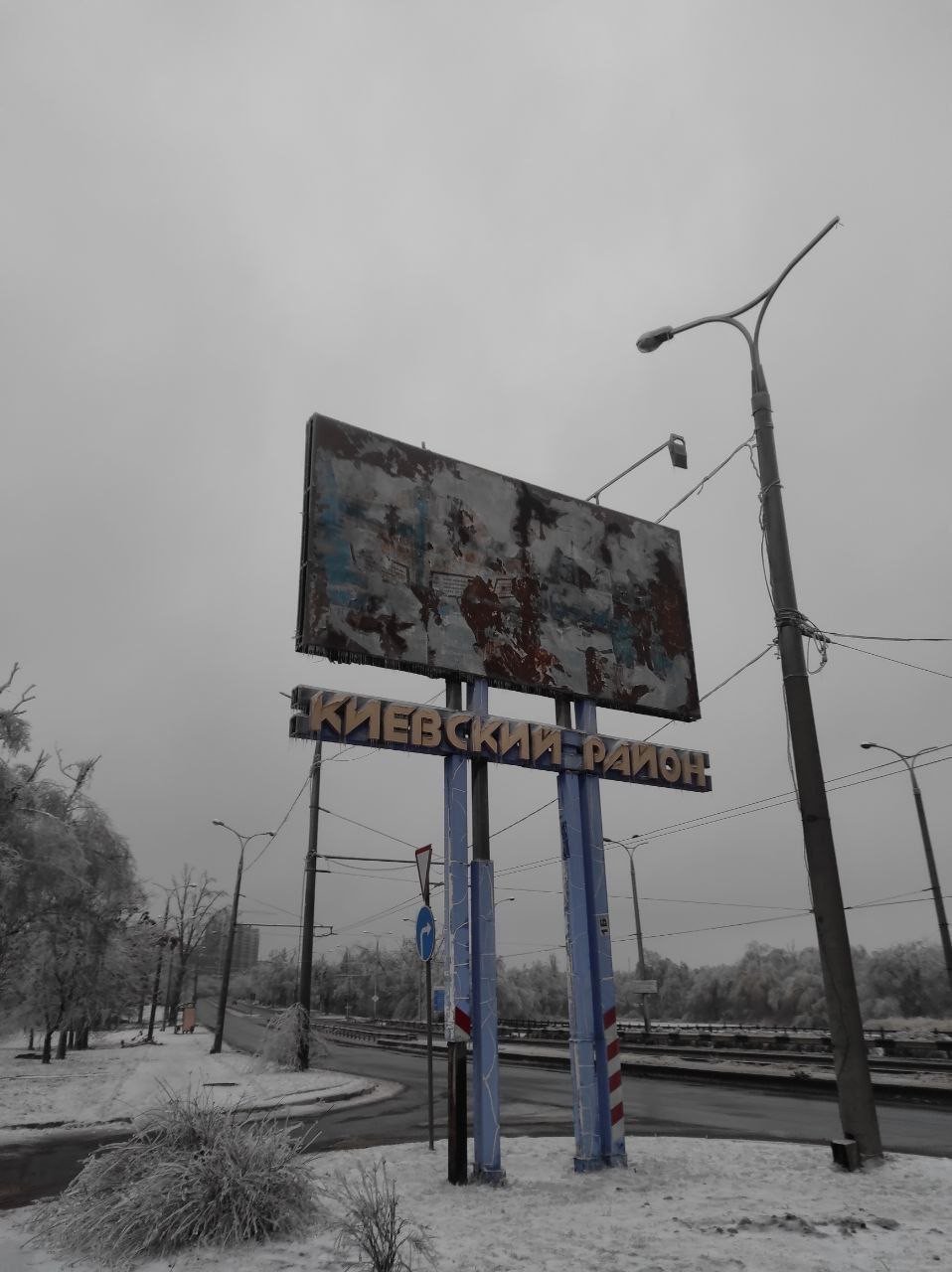
When did you start studying at a Ukrainian school? Did your relatives know that you were studying there remotely?
It was in the spring of 2023. At the time, I was in 10th grade in the same Donetsk school I had studied since childhood. To enroll in any of the distant Ukrainian schools, you first have to take exams externally.
My family knew, but they didn’t really have high hopes or anything like that. I convinced them to help me with it by saying it didn't mean I would actually leave—just that it might come in handy. I told them it would never hurt to have it, and they agreed with me and helped me.
When it came to preparing for the National Multi-Subject Test, a friend from another occupied city who was also preparing for university helped me. He was older than me. I studied using the notes he sent me on Ukrainian language and history, and also watched different YouTube channels for free prep. I took notes and studied that way.
Leaving the city at 17 years old—was there a specific moment that pushed you to make that decision?
I would say that it wasn’t an impulsive decision. It was a decision that had been building for many months. Maybe even years. You look through social media at the lives of Ukrainians here, in the non-occupied territories. You start to value the fact that they can walk freely in the streets and speak Ukrainian. That they can freely post in Ukrainian online. And you realize that, living in Donetsk, you don’t have that. And you begin to crave freedom.
I didn't fear that I would be alone and wouldn't be able to handle everything. I wanted to move so badly, and I was 100% confident in myself that everything would work out. Besides, the people I met from here—the ones I live with now—they promised to help. And in that time—from when we first met until my departure from Donetsk—we grew close.
Did you know what you were going to do when you arrived in Kyiv?
The motivation to leave was the desire to move forward in life and achieve certain goals. There was an understanding that it was impossible to succeed in Donetsk now since it’s under occupation. I knew that when I came to Kyiv, I would apply for university. Talking to people, I realized that I would have two quotas for admission, and the chances of getting a state-funded spot were really high.
The most important thing now is to stay in the program. My classmates already had some preparation and studied in math-focused classes, while I’m just trying to catch up with my education. That’s why studying is hard.
Before the occupation began, had you ever been to Kyiv or other cities?
Before the war started in 2014, I used to travel a lot around the Luhansk and Kharkiv regions. We loved going on trips through the forests there. We also traveled almost all over Crimea, passing through places like Kherson and Zaporizhzhia. But I had never been to Kyiv.
Did you travel anywhere after the occupation began?
Only within the occupied part of the Donetsk region, like to a friend’s summer house—and that’s it.
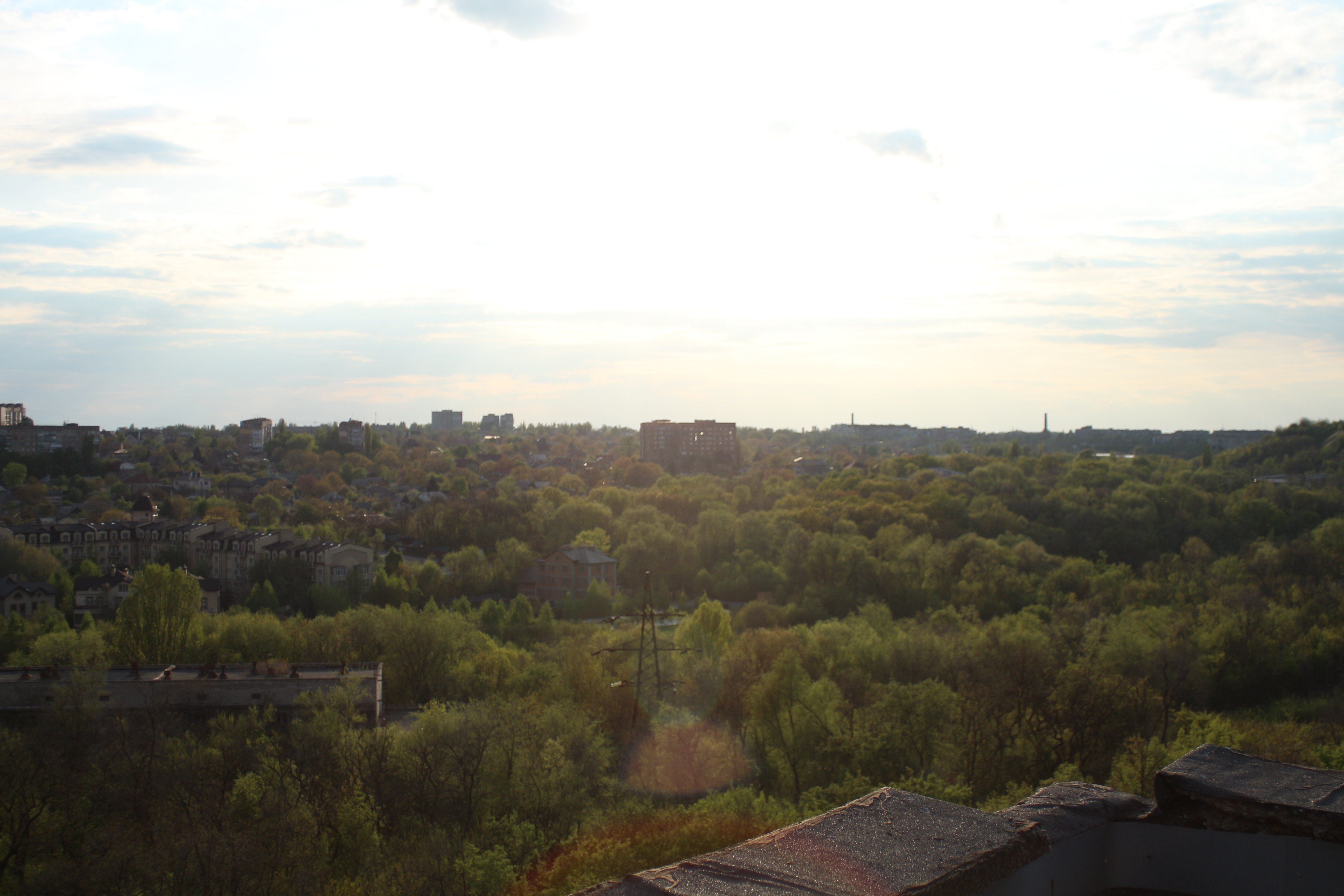
When I arrived in Kyiv, for the first few months, I didn’t even realize where I was. My mind was still in some kind of escape mode—constantly running, constantly fleeing—and it couldn’t process the fact that I was finally safe. I didn’t feel like I was in Kyiv.
Eventually, of course, that passed. Overall, Kyiv is very similar to Donetsk in terms of rhythm. So nothing here felt completely unfamiliar to me. In fact, when I arrived in Kyiv, it didn’t feel like I came to a new city—it felt like I returned to somewhere familiar and known to me.
Would you like to return to Donetsk after it’s liberated?
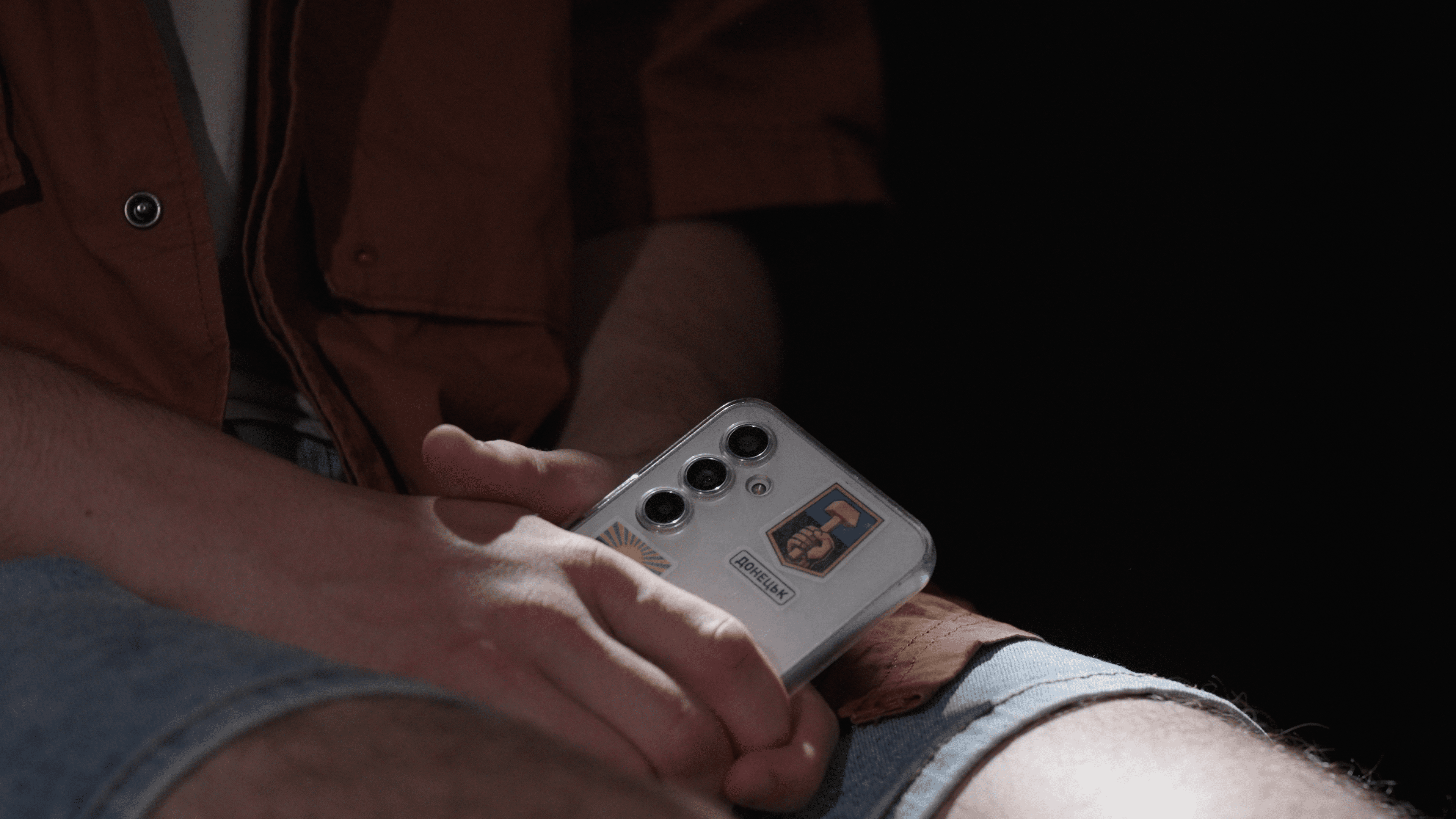
I miss Donetsk—I can still see the streets and the bus stops in my dreams. Of course, I want Ukraine to liberate all the Russian-occupied territories. Because I really want to go home. And you know that there are people just like you—thousands of them—who want to go home too.
Discuss this article:

-24deccd511006ba79cfc4d798c6c2ef5.jpeg "Photo of Louis Beaudemont")
-554f0711f15a880af68b2550a739eee4.jpg "Photo of Lucile Brizard")
-4c422f6574674b417eac2384290103ac.jpg "Russia Left This Ukrainian Village 90% Mined. Here’s What Life There Looks Like Now")