- Category
- Life in Ukraine
Is Ukraine Safe to Visit? What Travelers Need to Know Before They Go
Despite Russia’s war, people from all over the world continue to come to Ukraine. So, is Ukraine really safe in 2025? Discover what daily life looks like amid war: from air raid alerts to cafés, resilience, recovery, and ongoing risks.
 Prefer U24 Media on Google
- Authors


The European summer has arrived, and holidaymakers are seeking new and exciting destinations, opting for alternatives to places like Las Ramblas in Barcelona or the Louvre in Paris, where locals are protesting against overtourism. Ukraine, meanwhile, faces the opposite problem—not enough tourism.
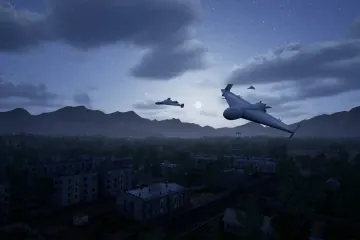
When the word “Ukraine” comes up in conversation—whether among friends or family—it’s unlikely to be about an affordable train ride from Lviv’s Old Town to the monasteries of Kyiv, or a four-day hike across the 2,000-meter peaks of the Carpathians. More likely, they’ll be discussing the hundreds of Russian attack drones launched nightly on Ukraine’s cities, towns, and villages—raising the inevitable question: with so many aerial threats, is it safe to go to Ukraine?
Can you visit Ukraine in 2025?
Yes—but with caution and careful planning. For example, while Ukraine remains under a US Level 4 travel advisory (“Do Not Travel”) due to Russia’s war, which raises the issue of whether it’s truly safe for Americans to visit Ukraine, the country’s borders are open, and people from around the world continue to visit for a range of reasons, including tourism.
Before Russia’s 2014 invasion, Ukraine welcomed as many as 25 million visitors annually. After the Kremlin attempted to annex Crimea and occupied swathes of Donetsk and Luhansk regions, that number dropped sharply—to around 10 million. Following Russia’s full-scale invasion in 2022, international arrivals plummeted to around 2 million per year—a figure that has remained largely unchanged since.
The top travelers to Ukraine in 2024 were Moldovans, with over one million visits. The US and Germany ranked 7th and 8th, with around 50,000 visitors each, and the UK was 10th with 32,000. Of the 2.5 million people who entered Ukraine last year, an overwhelming 97% cited family, personal, or work-related reasons—many linked to humanitarian aid. Only 701 travelers listed tourism as their primary purpose.
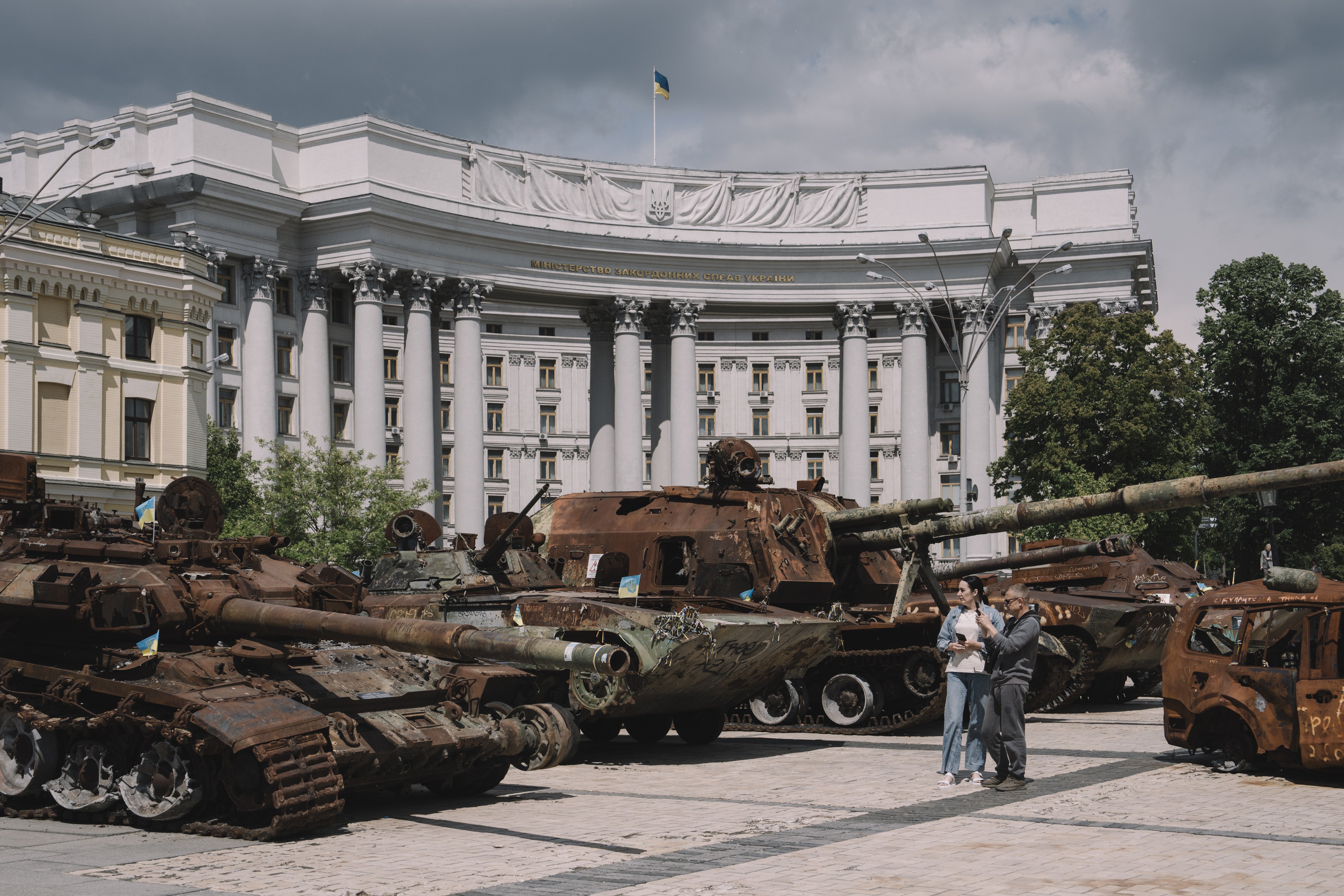
Still, a small but determined number of tourists are venturing in. One tour company offers trips to Irpin and Bucha, and even to the frontline Kharkiv region, promoting itself under the banner War Tours in Ukraine: See evidence of Russian aggression with your own eyes. They describe their clients’ motivation as a desire “to see with their own eyes what is happening in Ukraine, how the war affects people's lives, and what local people think about the war.”
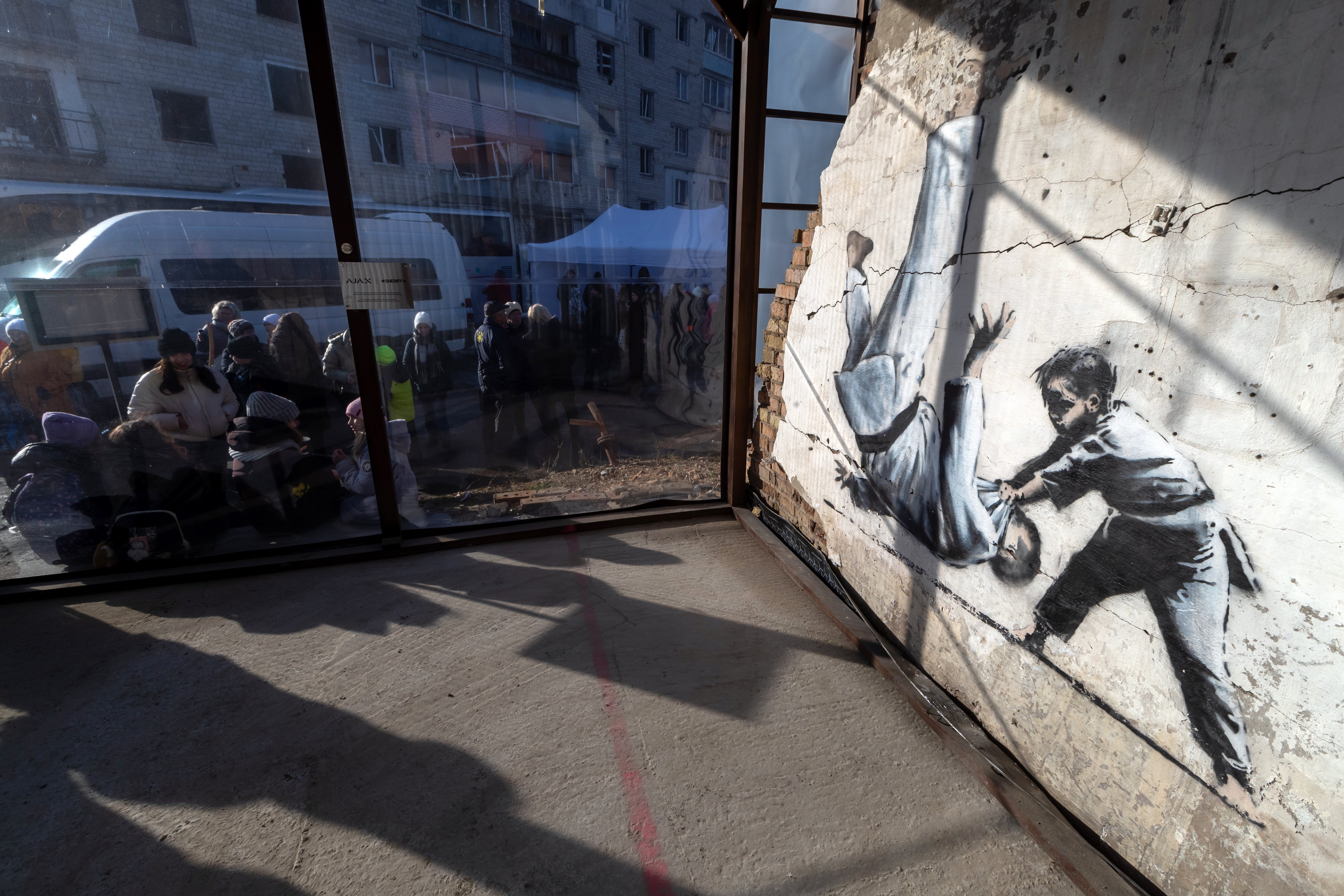
Notably, 248 of the 701 tourists last year were US citizens, despite the American embassy’s strong advisory. Yet the same embassy also notes that “some regions may have lower levels of risk due to air defense capabilities and distance from active combat zones.” Understanding which parts of the country those are requires a closer look at Ukraine’s geography.
Which regions are safe, and which are not?
The first thing to note is Ukraine's sheer size. At over 600,000 square kilometers, it is the largest country entirely within Europe—bigger than Germany and the UK combined. Depending on where you visit, the frontline could be over a thousand kilometers away. Administratively, Ukraine is divided into 24 regions, known as oblasts, plus Crimea.
Five regions—Chernihiv, Sumy, Kharkiv, Luhansk, and Donetsk—share a border with Russia, where proximity means more frequent attacks. In addition, Luhansk and Donetsk, along with Zaporizhzhia and Kherson, remain partially occupied by Russian forces, making those areas especially volatile and unsafe for civilian travel. The Crimean peninsula has remained off-limits since its illegal annexation by the Kremlin in 2014.
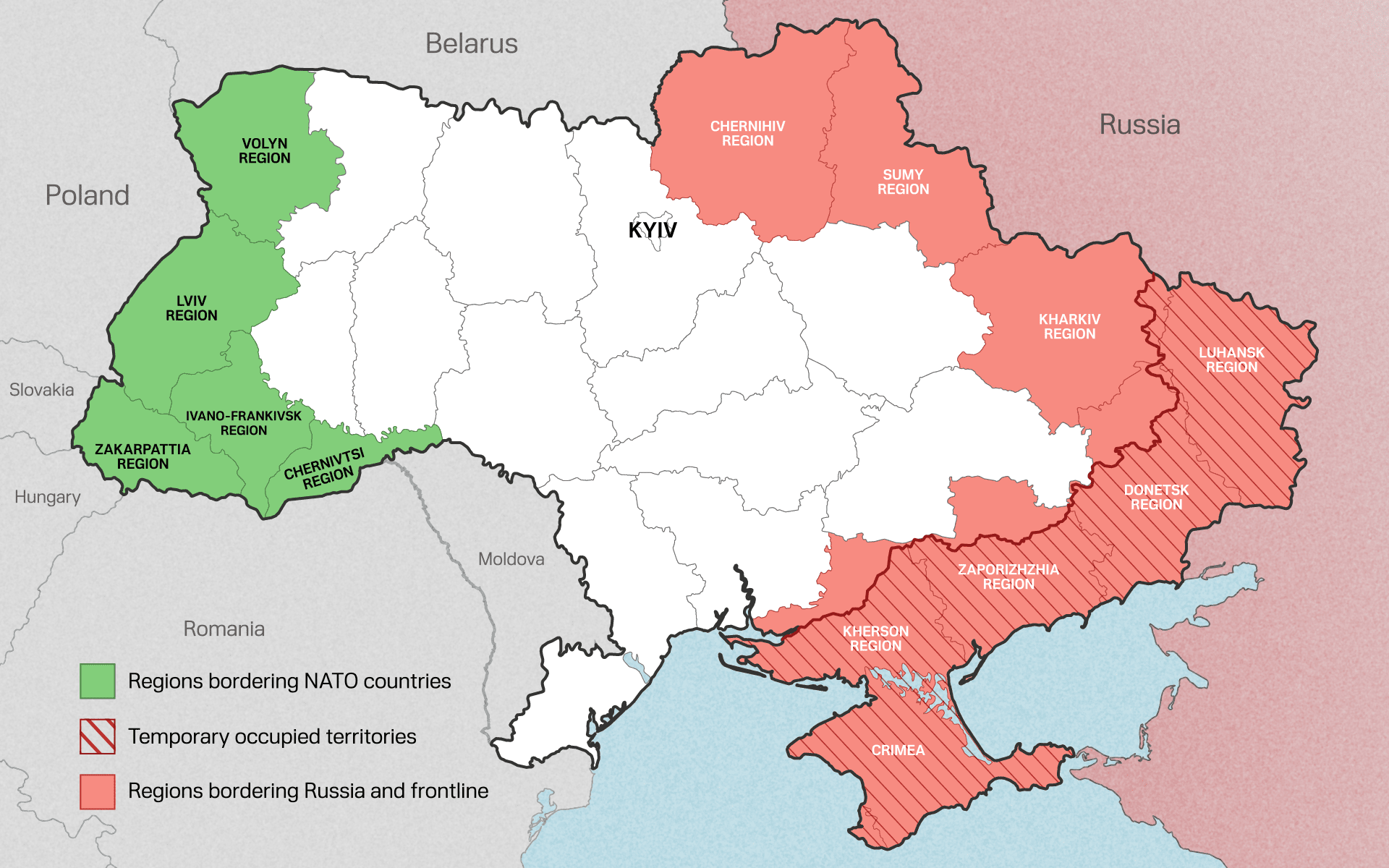
While distance from the front offers some level of security, no part of the country is entirely exempt from Russian strikes. Even the five regions furthest from the frontline, all bordering NATO countries, have been hit by drones or missiles.
Of those five westernmost regions, Zakarpattia and Chernivtsi were the least targeted, thanks in part to their location beyond the Carpathian Mountains, which create a natural barrier against incoming Russian attacks. Zakarpattia in particular is shielded on all sides by four EU states, making it a key humanitarian and logistics hub, as well as a destination for some internally displaced Ukrainians.

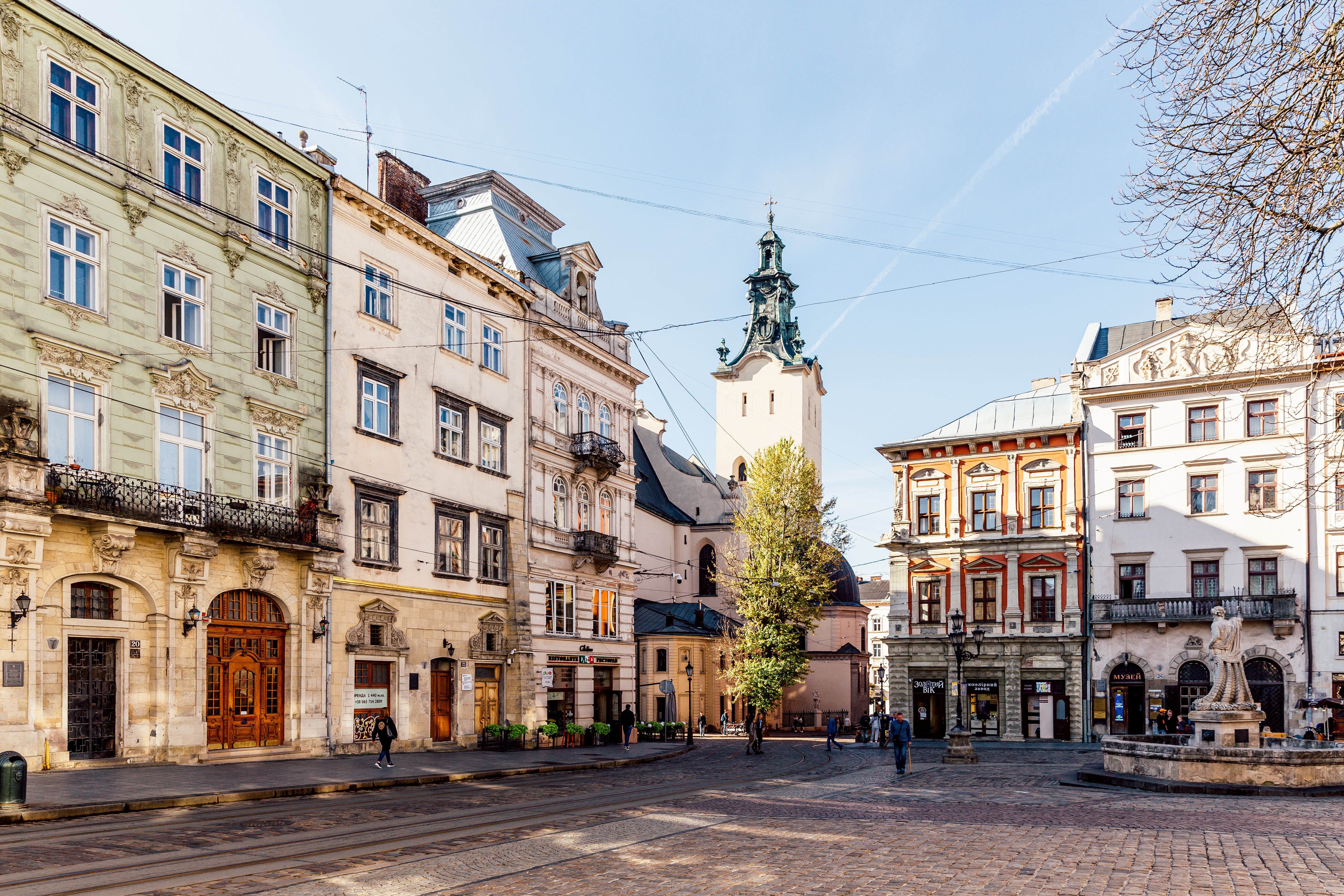
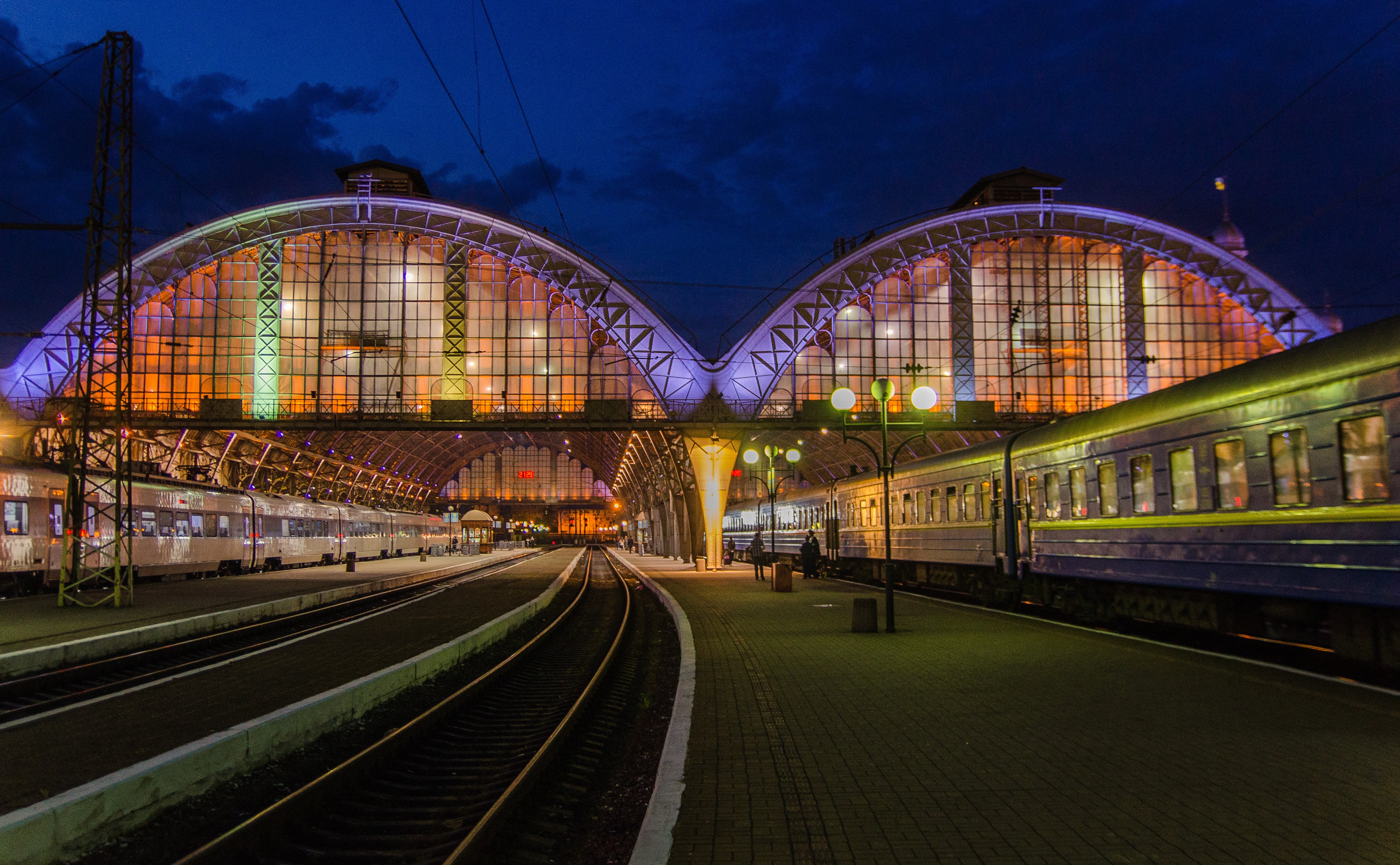
Nearby Lviv, while not entirely immune to Russian air attacks, remains one of the cultural and historical centers of Ukraine. Its well-preserved architecture, vibrant arts scene, and culinary delights make it one of the more accessible and appealing destinations for those weighing the risks of wartime travel. Yet even here, where daily life continues in stark contrast to the violence unfolding further east, the reality of war is ever present: each morning at 9 a.m., the city pauses for a minute of silence to honor those who have fallen.
Every morning at 9:00, Ukraine falls silent to honor its fallen. pic.twitter.com/FZIDtw19Bv
— UNITED24 Media (@United24media) July 11, 2025
Safety in Kyiv: How Ukraine’s security system works
Kyiv endures thousands of Russian missile and drone attacks, yet still, daily life continues with extraordinary resilience. Local residents have learned to live with air raid alerts, adapting their routines around shelter protocols and the nighttime curfew. Underground metro stations double as bomb shelters, and nearly every café, office, and apartment block has a plan for when the sirens sound.
Thanks to a sophisticated air defense network including US-supplied Patriots, German IRIS-T systems, Norwegian NASAMS, and Ukraine’s own domestically developed SkySentinel turret, most aerial threats targeting the capital are shot down before impact. Mobile air defense units are also working constantly across the whole country to protect civilians from deadly Russian attacks.
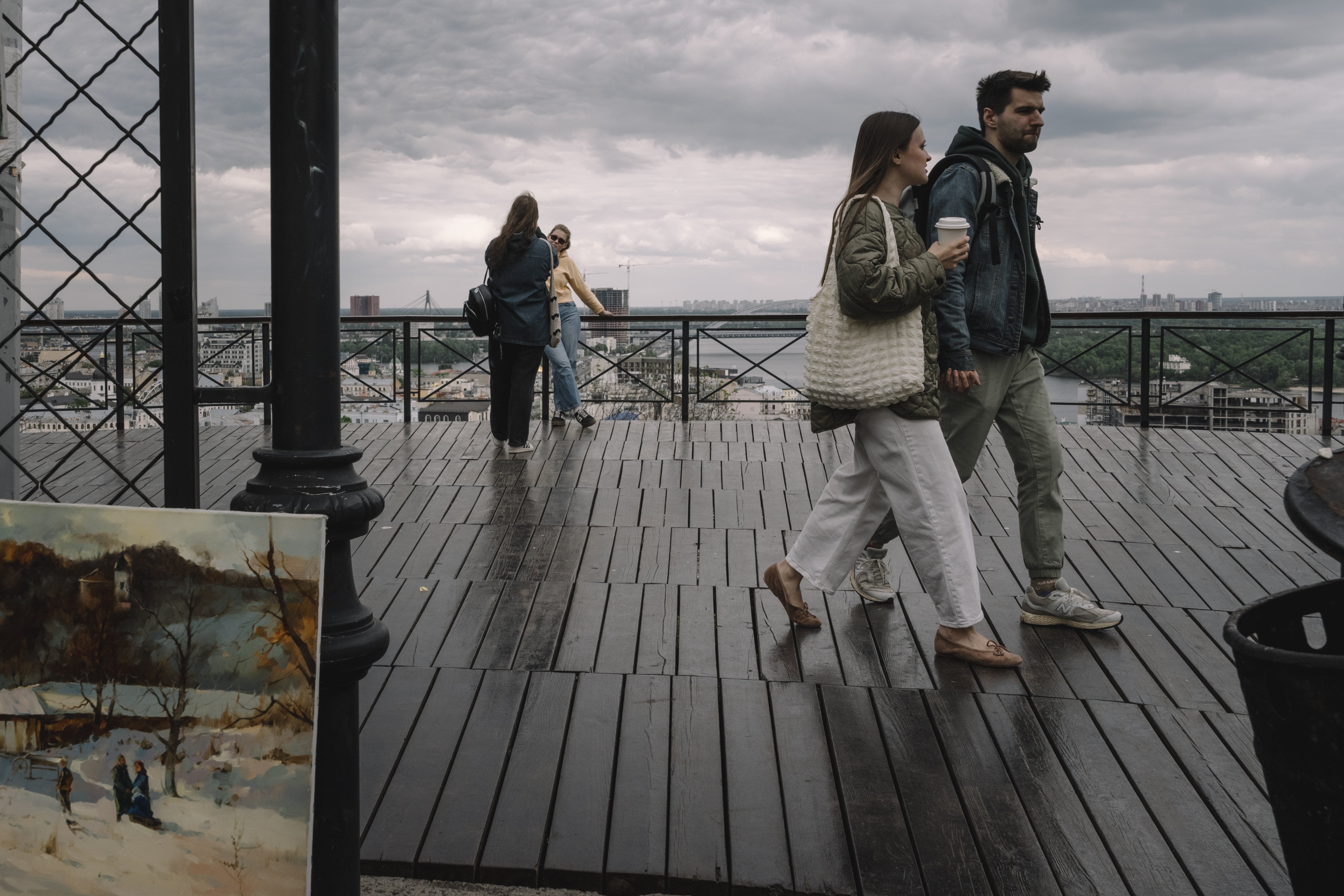
The fighting spirit of the locals is visible everywhere: people attend film screenings in bunker-turned-theaters, concerts take place in underground parking lots, families gather at weekend markets, all while air raid apps are quietly running in the background. Far from collapsing under the pressure of war, the people of Kyiv refuse to be defined by fear: public transport is running, museums, restaurants, and bars are open, and everyday life carries on. For many, Kyiv today is a symbol of defiance, where the price of freedom is the willingness to face daily threats.
Entry requirements: Do you need a visa to travel to Ukraine?
Ukraine allows visa-free entry for citizens of 148 countries, including EU and Schengen states, as well as the United States, Canada, Japan, and Australia. While a visa may not be required, visitors must have travel insurance and carry valid identification, as roadside checks are common when traveling between cities. A nationwide curfew remains in effect across most regions from midnight to 5 a.m., during which time it is strictly prohibited to be outside your hotel or place of residence.
Getting around Ukraine and where to stay
With Ukraine’s airspace closed to civilian flights, travel into the country has become more complicated. What was once a quick journey by plane can now take days by road or rail. Many travelers enter by car, while others opt for overnight trains or coaches from neighboring countries, with Warsaw or Kraków being the most popular departure points.
Public transportation is running in nearly all Ukrainian cities, with buses, trams, and taxis still servicing most areas. While air raid alerts can cause temporary disruptions, local transit remains generally reliable. Intercity trains also continue to run, with the national rail company, Ukrzaliznytsia, serving as a vital link across the country, even under wartime conditions.
Global hotel platform Booking.com lists more than 12,000 properties across Ukraine where travelers can spend the night. Each listing, however, comes with a standard caution: “There is currently an increased risk to customers’ safety in this location. To make an informed decision about your stay, review travel guidelines for this area provided by your government.” The warning reflects the ongoing war, but it hasn’t stopped many hotels, hostels, and apartments from remaining open, particularly in the country’s western and central regions.
Lviv and the Carpathian mountain regions each offer more than 2,500 accommodation options, catering to both short-term visitors and long-stay volunteers. Kyiv and Odesa remain popular choices as well, with around 2,000 listings each. Though Odesa’s elegant architecture and seaside charm continue to attract visitors, its location on the Black Sea makes it especially vulnerable to aerial threats launched from across the water by Russia.
Ukraine is alive and fighting
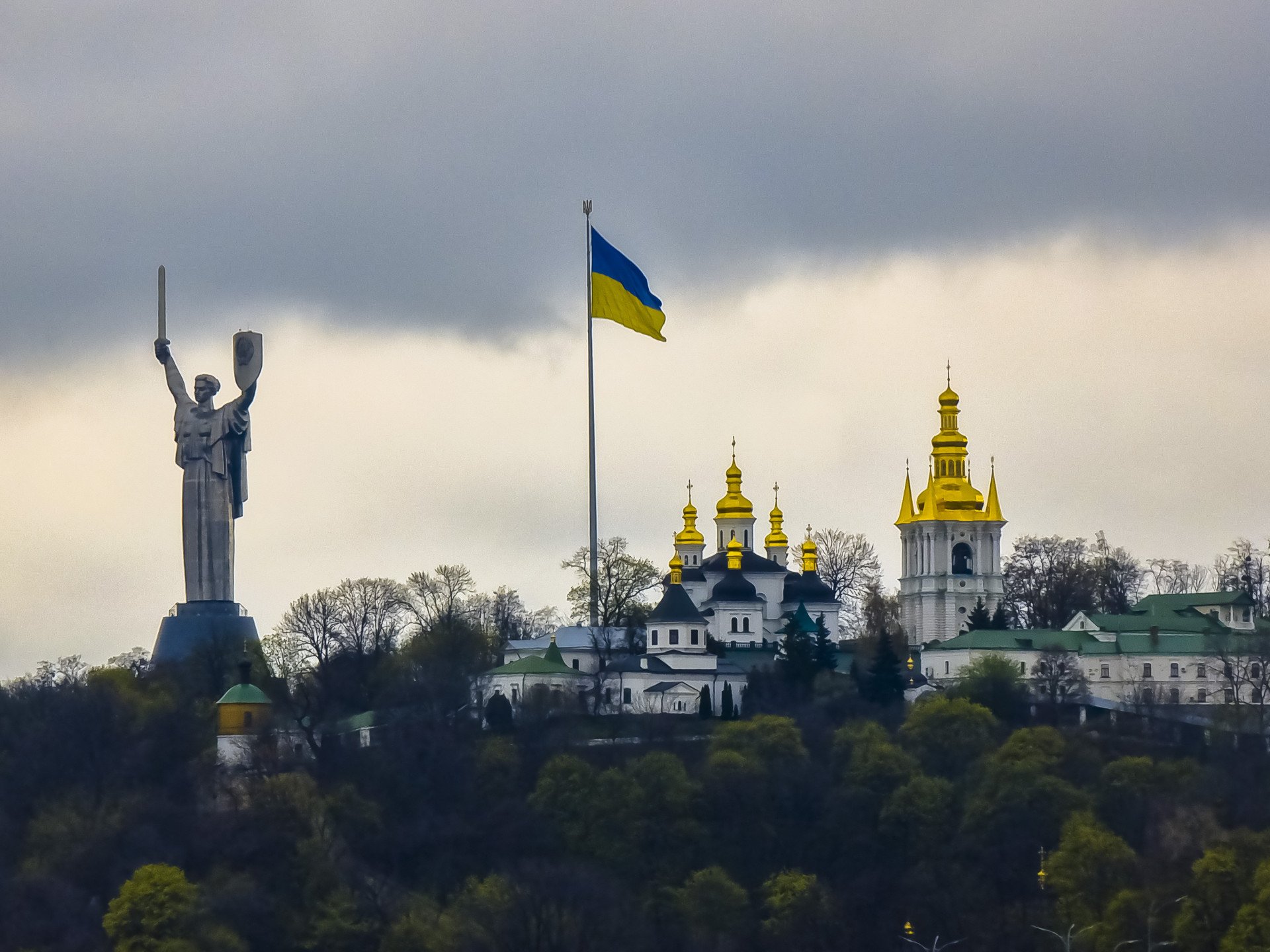
Beyond the headlines, Ukraine remains one of Europe’s most striking and underrated destinations. From the golden domes of Kyiv’s Saint Sophia Cathedral—a UNESCO World Heritage Site—to the medieval charm of Lviv’s cobbled streets, the country offers a rich tapestry of history and culture.

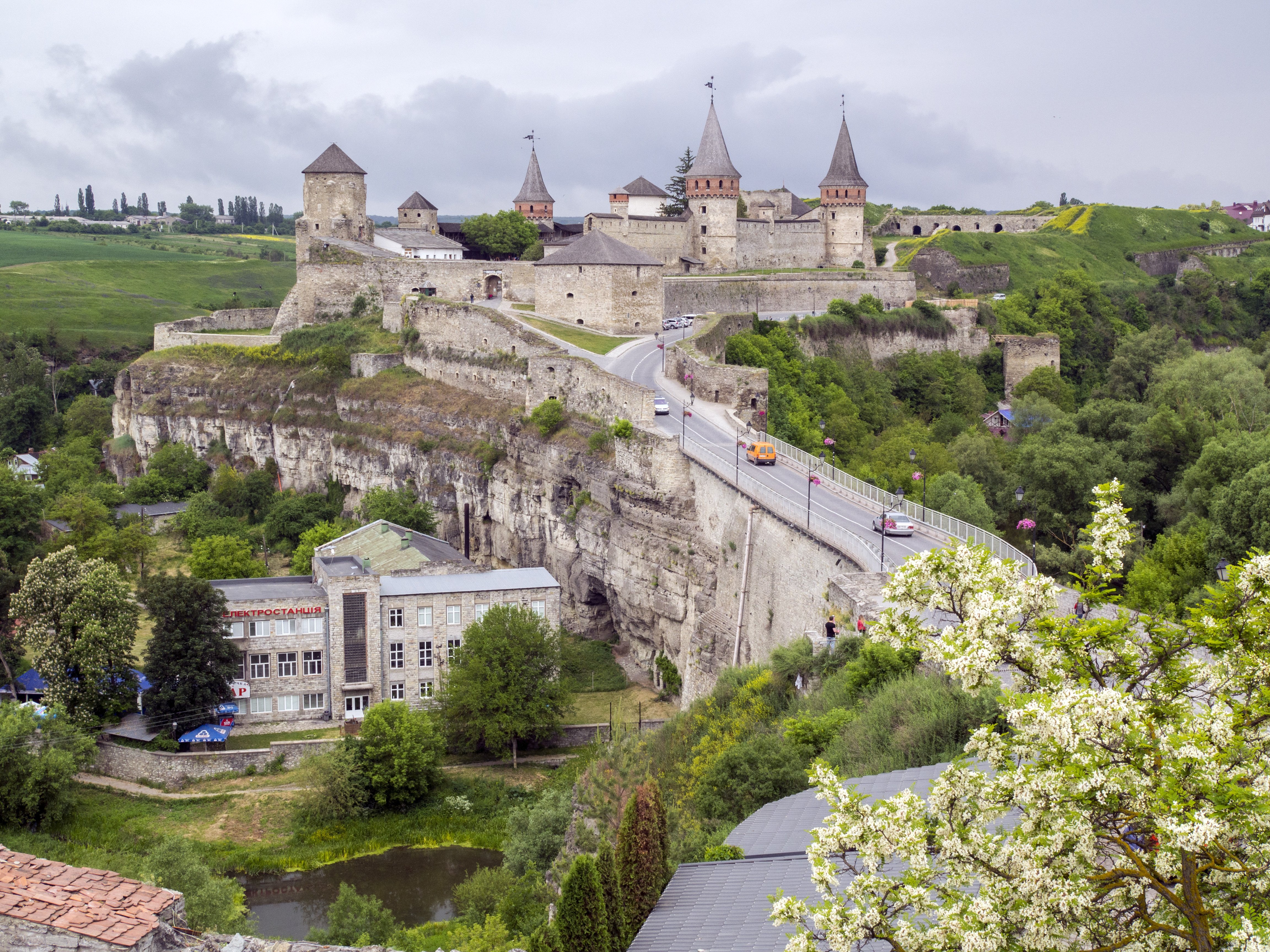
Nature lovers can hike through the towering peaks of the Carpathian Mountains or brave the rapids of the Chornyi Cheremosh River. Other unforgettable stops include the fortress city of Kamianets-Podilskyi which has preserved the spirit of the Middle Ages, and the fairytale-like Tunnel of Love in Rivne—just a few of the many marvels waiting to be explored. Despite Russia’s war, Ukraine’s beauty remains defiantly intact, and for those who come, it leaves a lasting impression of a country that is fighting not just for survival, but for its soul.
Discuss this article:


-111f0e5095e02c02446ffed57bfb0ab1.jpeg "Photo of Roman Kohanets")
-07c046f037cabcd54fb44b5253b3733d.jpg "“Bathing” (2021), an 80 × 60 cm artwork by Ukrainian artist Mariia Drozdova. (Source: Art From Ukraine/Instagram)")


-c439b7bd9030ecf9d5a4287dc361ba31.jpg "Photo of Katherina Popilnichenko")