- Category
- Opinion
How Russia’s War Against Ukraine Ends Will Shape the Next 20 Years
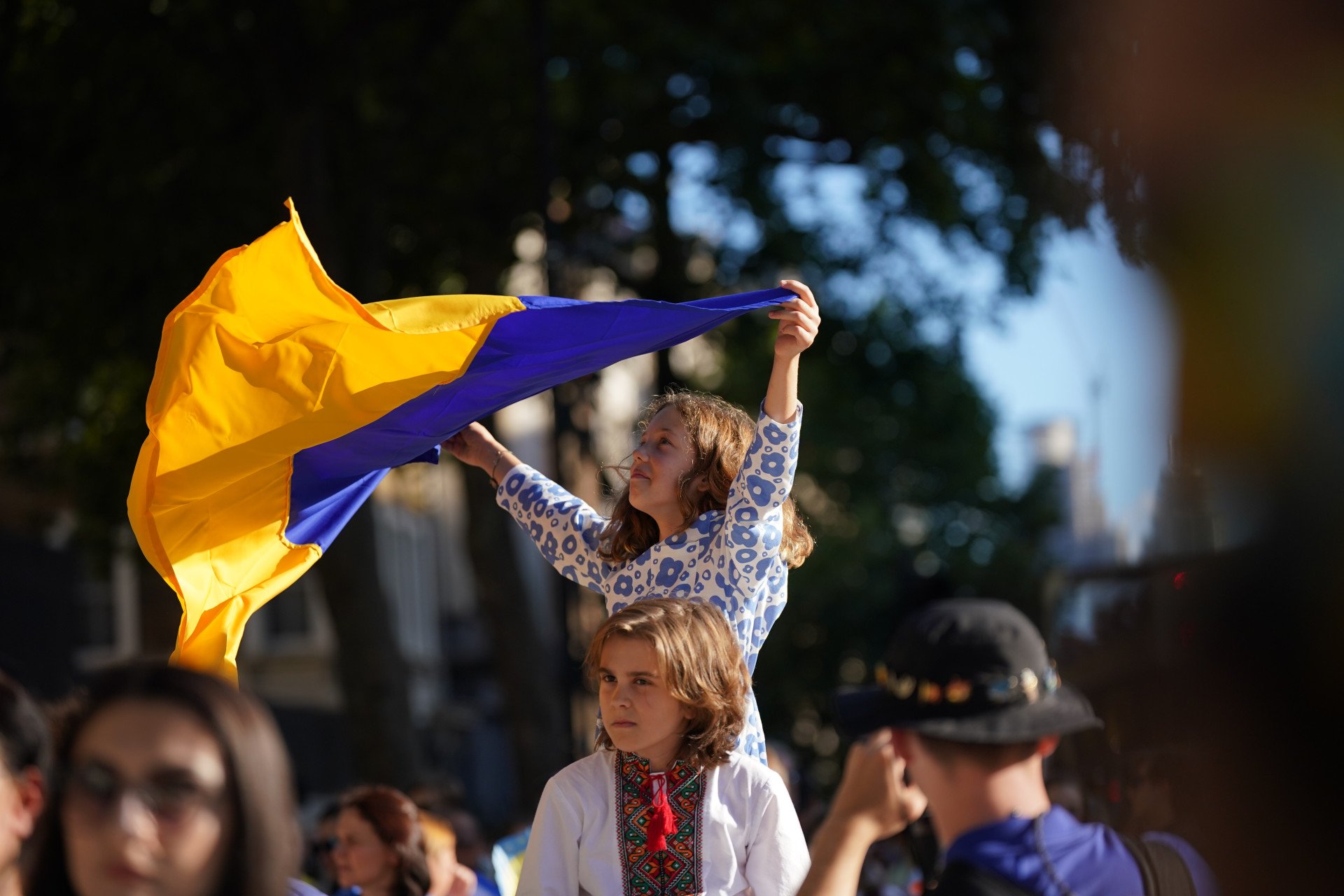
On Ukraine’s Independence Day, UK Minister for the Armed Forces and Army veteran Louise Sandher-Jones reflects on what Ukraine’s fight for freedom means far beyond its borders, and why UK commitment must endure long after the fighting stops.
 Prefer U24 Media on Google
- Authors

-9d778f44ce78a4b34adfc5c34fff8398.jpg "Louise Sandher-Jones")
Last month, I had the honour of visiting Kyiv for the first time. Amongst a busy programme of meetings, by far the most moving moment was standing at the Wall of Remembrance alongside Ukraine's Deputy Minister of Defence, Mstyslav Banik, and paying my respects to those who have given their lives defending this country. As a veteran myself, I know that behind each name etched on the Wall is a person, a family, a future.
Thirty-five years ago, 90% of Ukrainians voted for that future they wanted: one free of Moscow’s control. Now, because of Russia’s aggression and arrogance, the fight to stay free is bringing a huge cost, one that the Wall bears witness to. That's why "a just and lasting peace" cannot just be a phrase people reach for because it sounds right. “Just” means Russia does not get to keep what it took by force, or get a discount on accountability for the deported children, the strikes on hospitals and grain stores, or the filtration camps. “Lasting” means Ukraine coming out with enough of its own military strength, and enough binding security guarantees from partners like us, to stop Putin or anyone else from invading again.
That's the point I'd ask European readers to sit with. Every capital debating burden-sharing or how firm to be with Moscow is debating the same question that Ukraine is fighting to answer by force: does aggression get rewarded if you're patient enough? Whatever peace is agreed here becomes the answer for the next twenty years. Russia, or any other country, will look at borders differently depending on what happens this time.
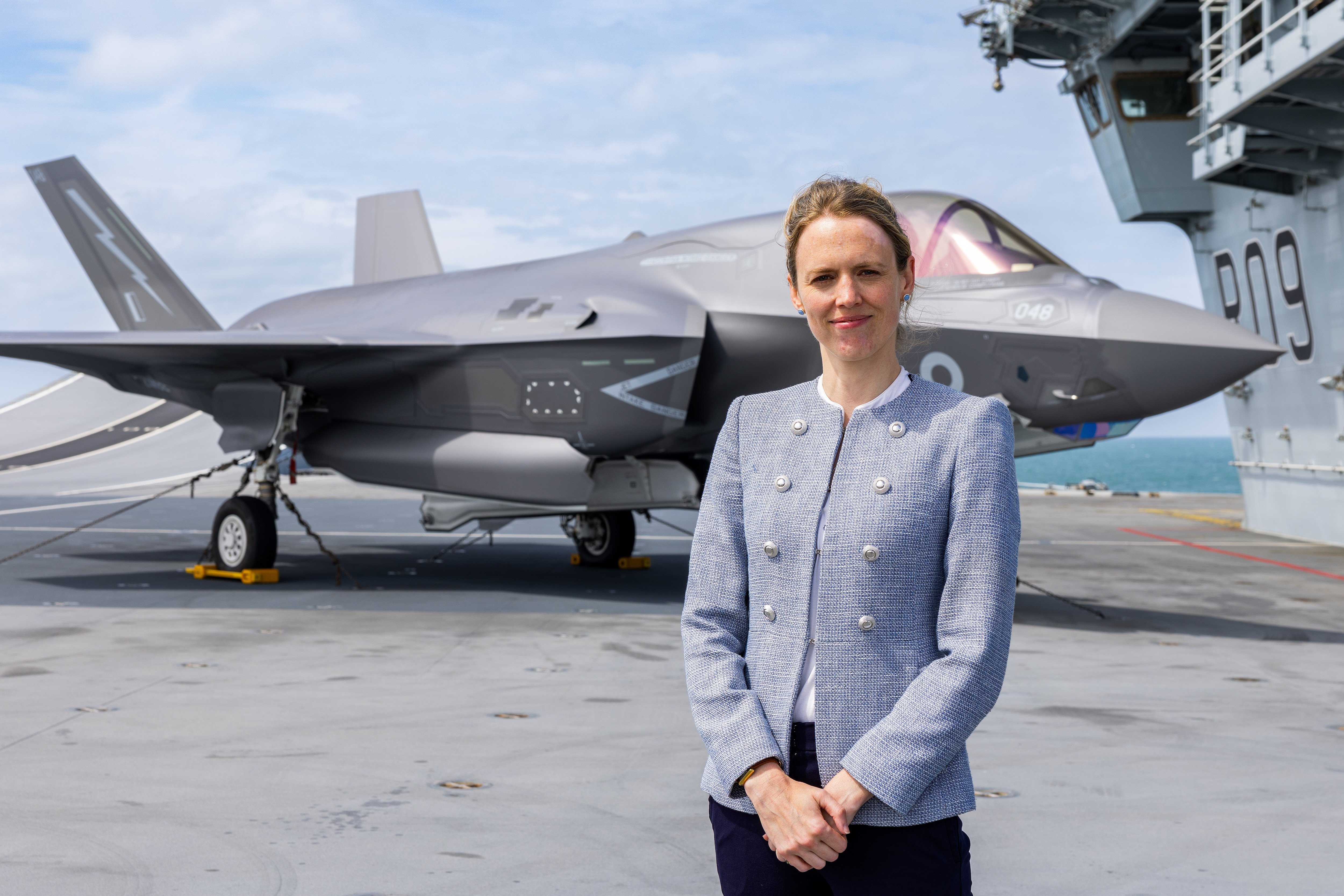
For Britain, that means two jobs at once, and I spend most of my time as Minister for the Armed Forces working on both.
The first is supporting the fight today: capabilities like air defence aimed at the missiles and drones hitting your homes and power stations. Sanctions hitting Russian banks, oil and gas revenue, and the shadow fleet. £25 billion pledged since 2022, and counting.
The second job is securing Ukraine’s future. Alongside France, we're leading the Multinational Force for Ukraine, allies working together so that when a ceasefire comes, it holds. A British three-star officer commands it, and in May we proved the headquarters is ready. It's moving to the UK soon, part of a rotating arrangement with France as we build up this capability together. This force exists so Ukraine can deter the next attempt, regenerate its own armed forces, and rebuild its economy knowing we will be there for them. As I discussed with my Ukrainian counterparts on my visit, Ukraine’s security cannot be a project with an end date.
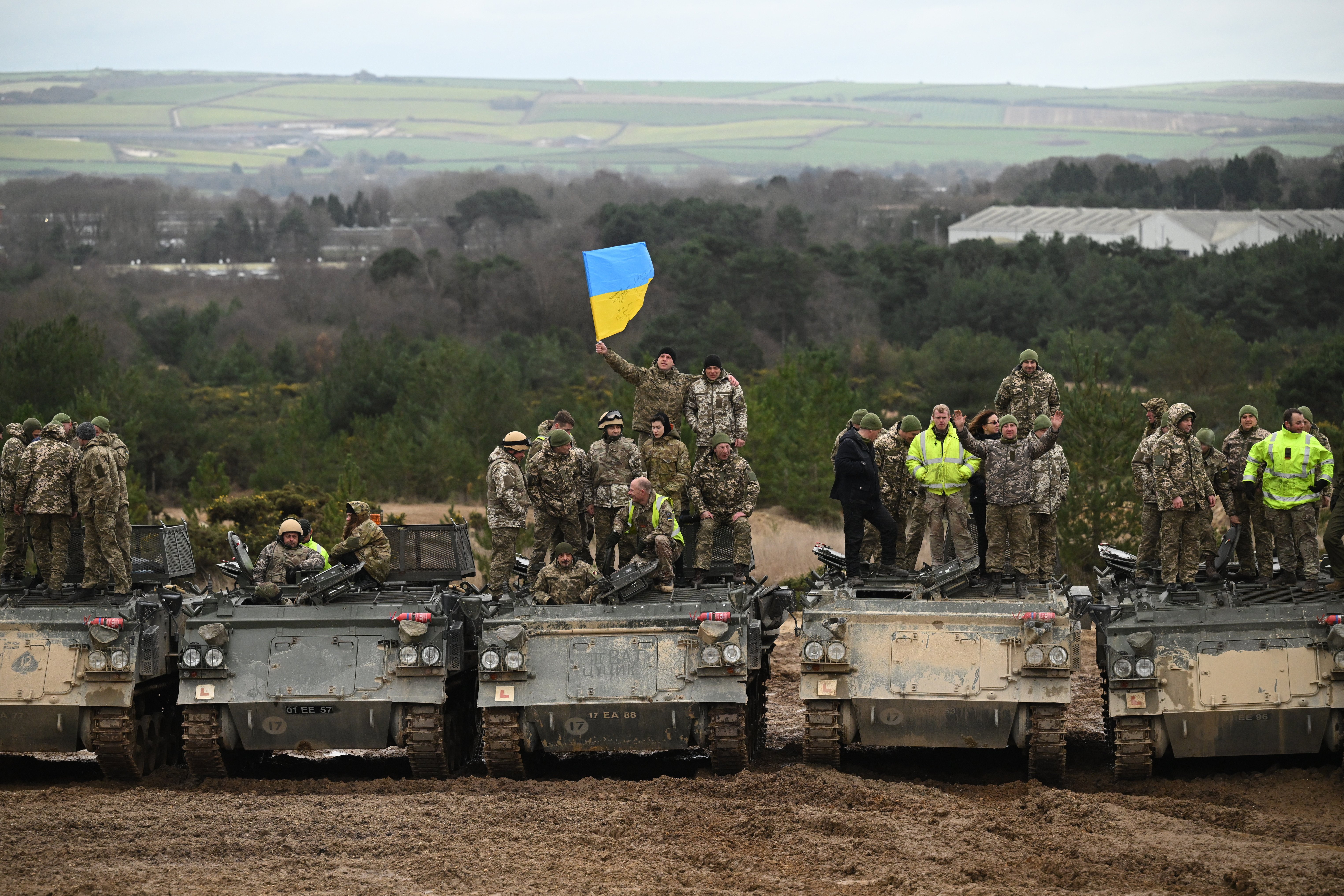
Both efforts only work if backed across government. That means lobbying finance ministries on frozen assets, lobbying industry to scale production, and making the case in Cabinet and allied capitals that this isn’t someone else's problem. Reconstruction cannot be an afterthought. It has to be funded and planned now, including using frozen Russian assets to rebuild what Russia destroyed, so Ukraine isn't left to rebuild alone on donor goodwill.
Governments change but the UK's support does not. In January 2025, Britain signed a 100-year partnership with President Zelenskyy, precisely because Ukraine's security cannot depend on who's in government at any given moment. A partnership built to last.
That's the standard we're holding ourselves to. A peace that is truly just and lasting. A peace that every person whose name I saw on the Wall fought and died for.
Slava Ukraini.
Discuss this article:
-f3430f0449615e9897dff835086ac204.jpg "Ukraine Broke With a Soviet-Era Military System and Rebuilt It Around the Soldier")
-e126c16a85d580738cf2d57e760b80a3.jpeg "Photo of Vladyslav Greziev")


-930ed56b9d4c7f0232c62eddea7edc08.jpg "Ukraine’s Mindset Has Changed Faster Than Most of Europe—What 35 Years of Data Show")
-d6c21a19c8fd931d512b5818298453c4.jpeg "Maryna Starodubska")