- Category
- Opinion
Ukraine Built Its Defense Tech Ecosystem on Trust, And It’s Paying Off
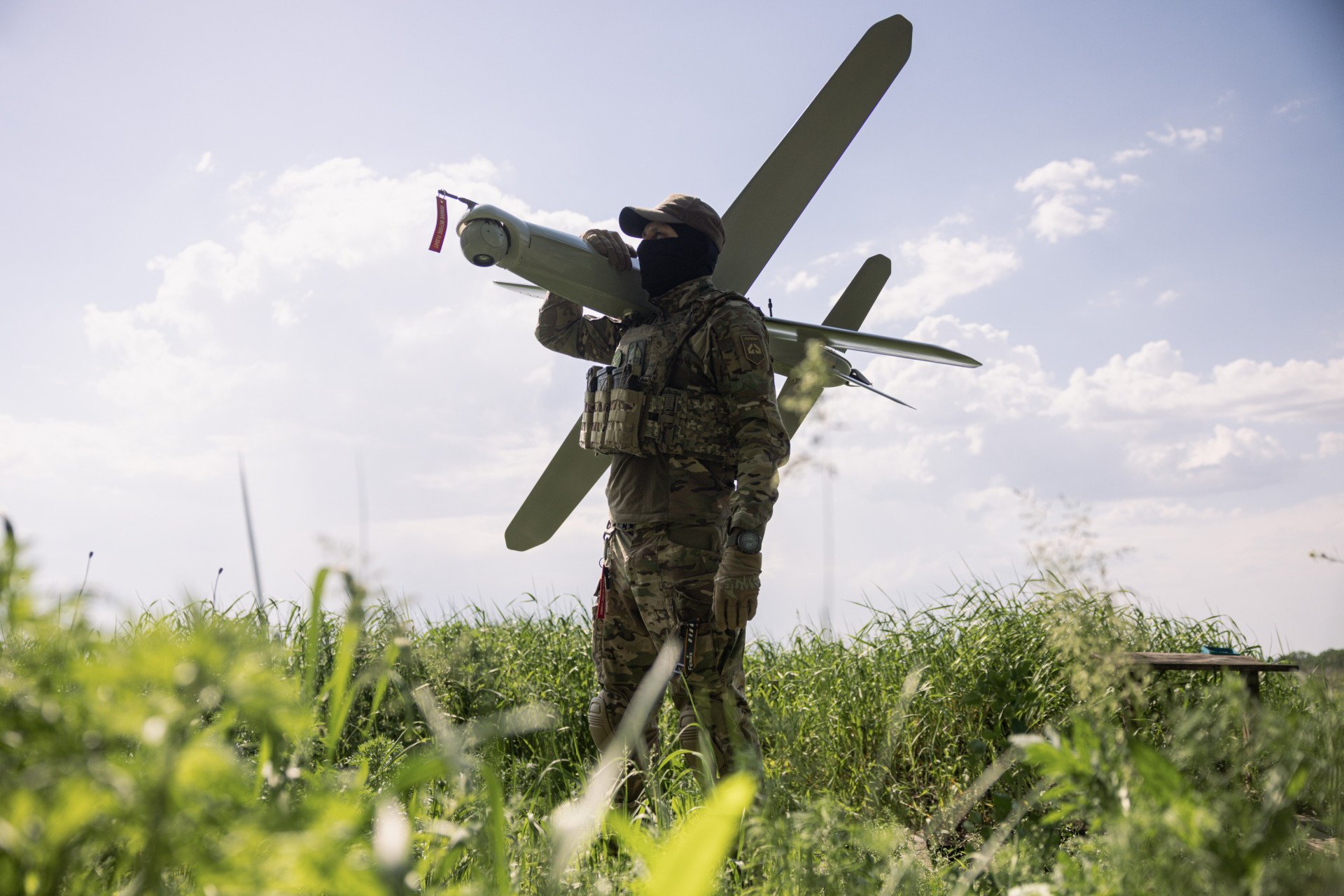
Years of Russia’s full-scale invasion have pushed Ukraine to innovate at extraordinary speed. The country has built a defense tech ecosystem capable of keeping pace.
 Prefer U24 Media on Google
- Authors

-4258f90da45ed571f27851d158610665.jpeg "Photo of Valeriya Ionan")
The biggest mistake in how the world talks about defense innovation is treating it as a technology problem. It is an ecosystem problem, and ecosystems are built on trust, not on procurement budgets or research programs. Ukraine learned this under conditions that forced the lesson fast, and Brave1—a government-backed hub designed to find, fund, and fast-track defense tech—is what that lesson produced.
We bring you stories from the ground. Your support keeps our team in the field.
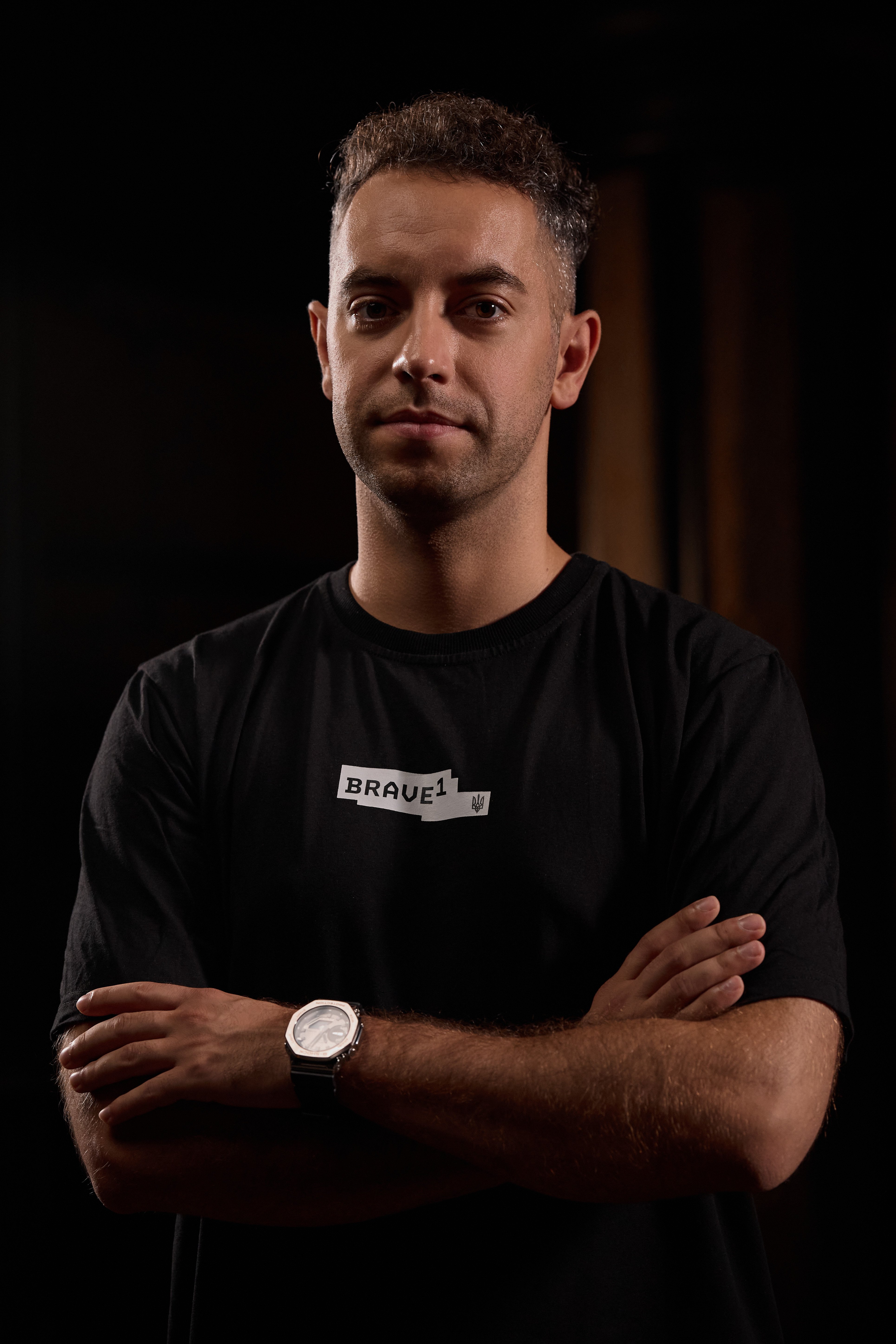
For the second season of my podcast FORWARD, I spoke with Artem Moroz, Head of Investor Relations at Brave1. Moroz has spent three years inside Ukraine's defense tech sector watching something develop that most countries try to build over decades: a system where government, founders, engineers, investors, and the military learn together in real time, with barriers between them removed rather than managed.
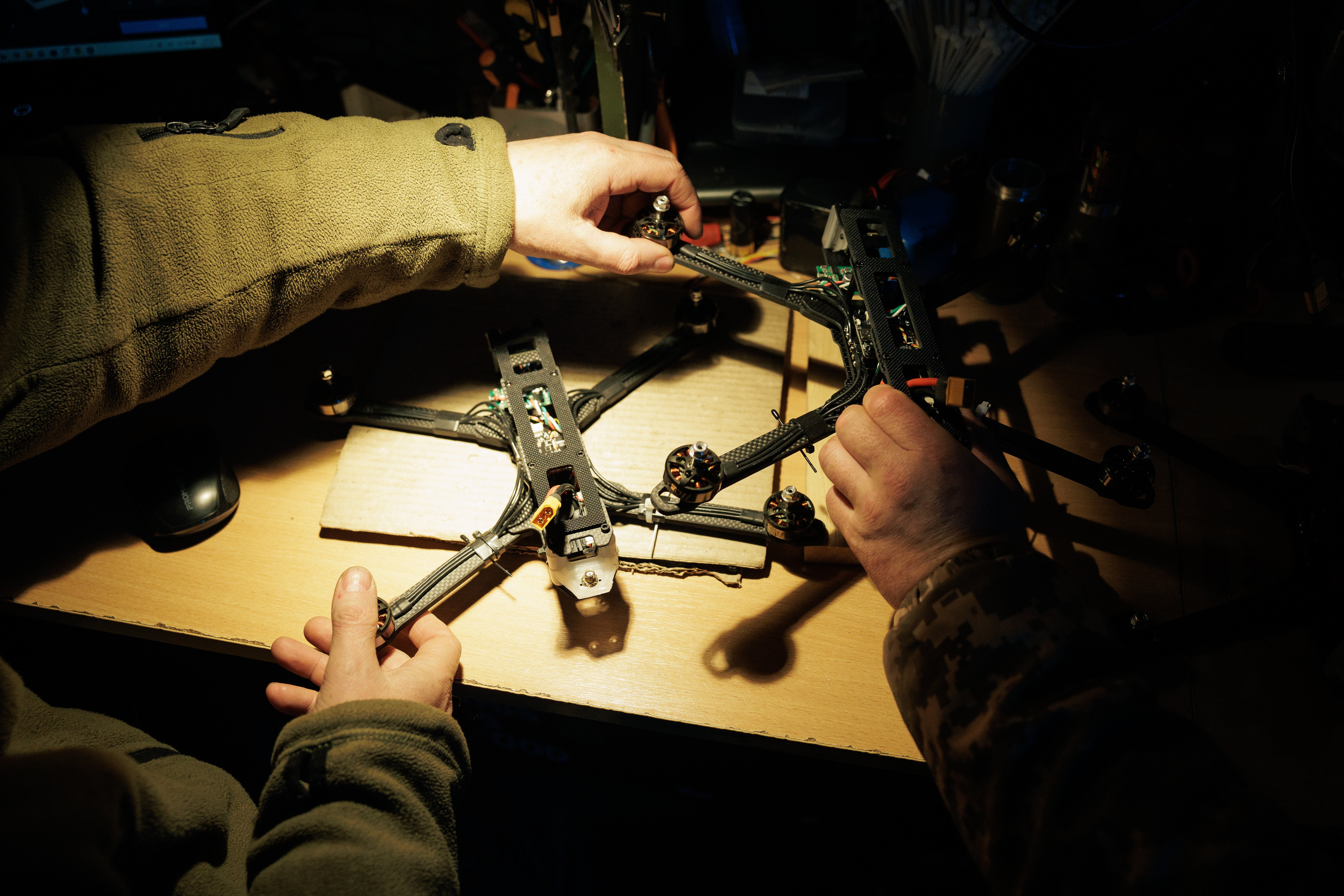
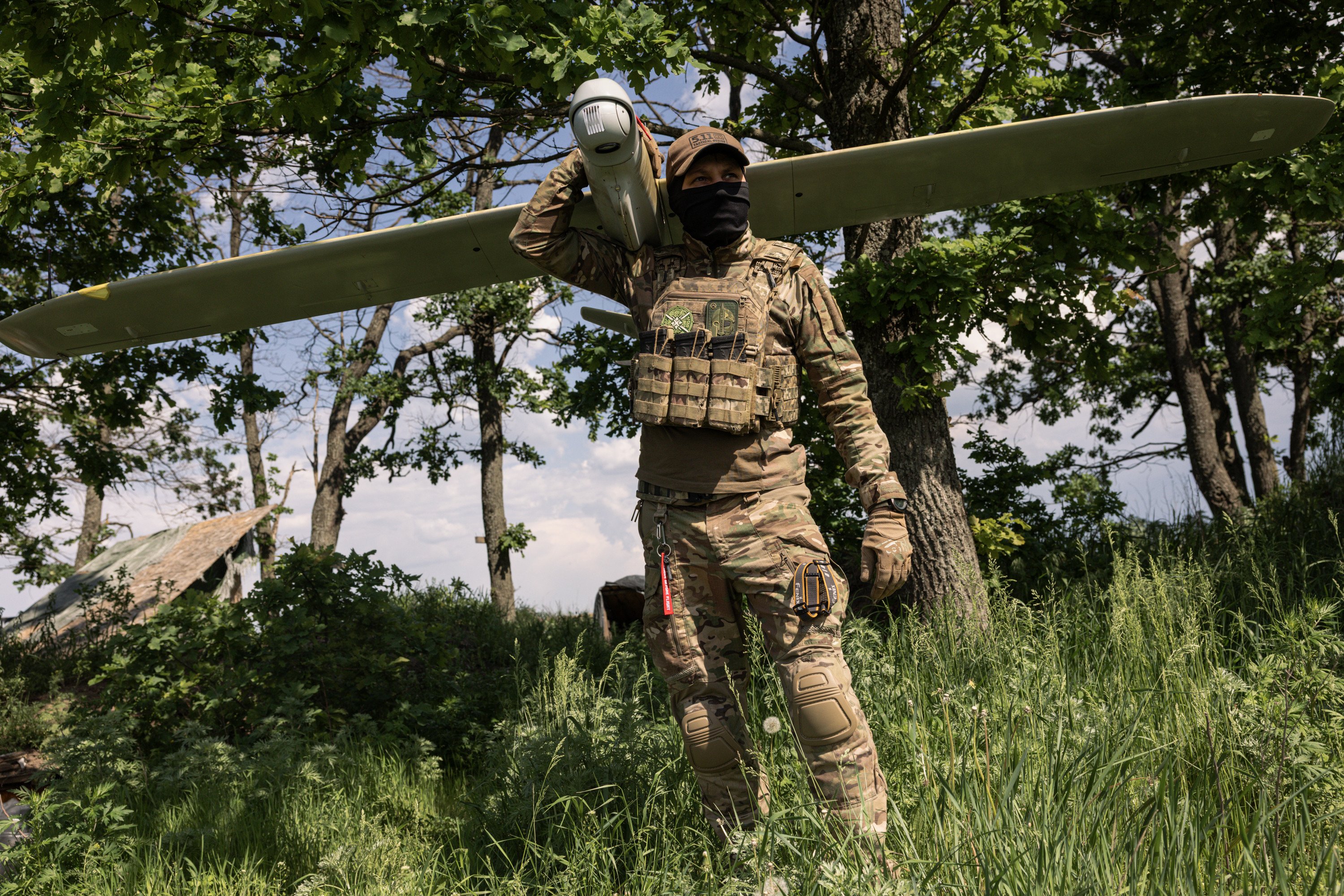
Brave1 brings together over 300 companies across drone systems, electronic warfare, robotics, cybersecurity, and military software. What makes it different from other defense clusters is how the government participates.
"The government is not just a customer here," Moroz told me. "It is a partner in building. It shares data, it opens access, it sits in the same room as the founders and asks the same questions about what works and what does not."
That participation produces a feedback loop that I think is the most underappreciated structural advantage Ukraine has built. An engineer working on an autonomous system in Kyiv receives operational data from the front line, identifies a failure mode, ships a fix, and verifies whether it works within days. In most defense development environments, that cycle takes months or years, because the people with the data and the people who can act on it are separated by procurement layers, classification barriers, and institutional distance. In Ukraine, that distance has been compressed to almost nothing, because the trust required to compress it was built under conditions where slow iteration had visible and immediate costs.

The economic consequence of that compression is concrete. A combat-proven platform produced inside this ecosystem costs a fraction of what a comparable platform costs in Europe, with three years of continuous operational data behind it.
"When international investors come here and ask about price," Moroz said, "they are asking the wrong first question. The right question is: where else can you buy a platform that has been tested in real electronic warfare, iterated against a real adversary, and improved in real time based on what actually happened? The answer is nowhere. The price follows from that."
What Moroz describes about international investors captures something I have seen in other contexts: the people who engage directly change their frame of reference completely. They arrive asking whether Ukraine is safe, whether the technology is proven, and whether the legal framework is reliable. They leave asking how to structure a partnership, who they need to talk to, what they can build together that they cannot build anywhere else.
"The conversation has shifted," Moroz told me. "Three years ago, we were explaining why Ukrainian defense tech was worth taking seriously. Now we are negotiating terms with partners who already know the answer and want to move fast."
The dual-use dimension is the part of this story that I think will define the next decade more than the defense applications themselves. The sensor systems, autonomous navigation algorithms, and electronic warfare countermeasures being developed inside Brave1 are already moving into agricultural monitoring, infrastructure inspection, and emergency response, with the same teams and often with minimal technical modification. This transfer is happening now, driven by the same engineering culture that treats every operational constraint as a design problem to be solved rather than a limitation to be accepted.
Brave1 has demonstrated something that many governments understand in theory and struggle to implement: that when the relationship between the people who set requirements, the people who build solutions, and the people who use them is organized around shared ownership of a problem rather than around contractual distance, the pace of what gets built accelerates in ways that no individual organization can match. Ukraine built that relationship under pressure, and the ecosystem it produced is now one of the most credible entry points into the future of autonomous systems that international partners can access.
This piece draws on a conversation recorded for FORWARD, a podcast on how international partnerships with Ukraine are actually built in practice.
Discuss this article:

-f3430f0449615e9897dff835086ac204.jpg "Ukraine Broke With a Soviet-Era Military System and Rebuilt It Around the Soldier")
-e126c16a85d580738cf2d57e760b80a3.jpeg "Photo of Vladyslav Greziev")




-930ed56b9d4c7f0232c62eddea7edc08.jpg "Ukraine’s Mindset Has Changed Faster Than Most of Europe—What 35 Years of Data Show")
-d6c21a19c8fd931d512b5818298453c4.jpeg "Maryna Starodubska")