- Category
- World
How Much of America Could Fall Within Range of Russia’s Oreshnik Missiles in Venezuela?
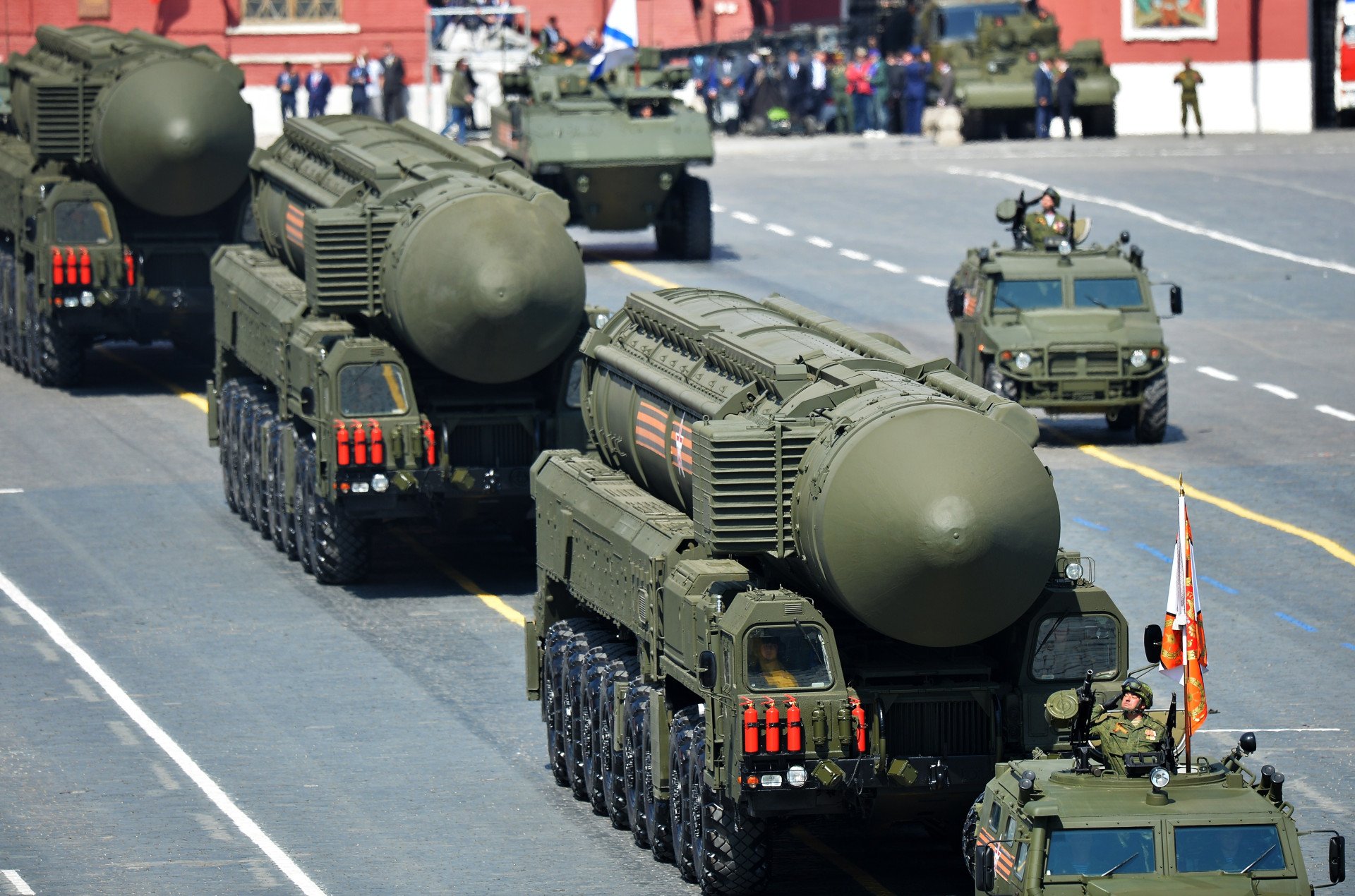
Having already breached global treaties by moving nuclear arms to Belarus, Russia is now signaling plans to deploy powerful ballistic missiles to Venezuela that can reach the US.
 Prefer U24 Media on Google
- Authors

-29a1a43aba23f9bb779a1ac8b98d2121.jpeg "Photo of Illia Kabachynskyi")
From the very beginning of Russia’s full-scale invasion of Ukraine, it was clear this was not a local or regional conflict. The Kremlin seeks to dismantle the existing global order and expand its influence in Europe and worldwide. Its alliances with North Korea and Iran, the transfer of nuclear weapons to Belarus, and hybrid warfare in Europe all confirm this broader strategy. Now, Moscow appears poised to escalate even further.
Plans to deploy Oreshnik missiles in Venezuela
Russia may supply Venezuela with its new Oreshnik and Kalibr missiles, Russian lawmaker Alexei Zhuravlyov told Gazeta.ru on November 1. Moscow is already supplying Nicolás Maduro’s regime with large quantities of weaponry, he said, from firearms to aircraft.
“I see no obstacles to supplying a friendly country with such new developments as the Oreshnik,” he said. “Or, for example, the well-proven Kalibrs. No international obligations limit Russia here.”
The potential transfer of this weapon to Venezuela carries significant risks. But what exactly are they?
Range of Oreshnik missiles from Venezuela: Potential targets
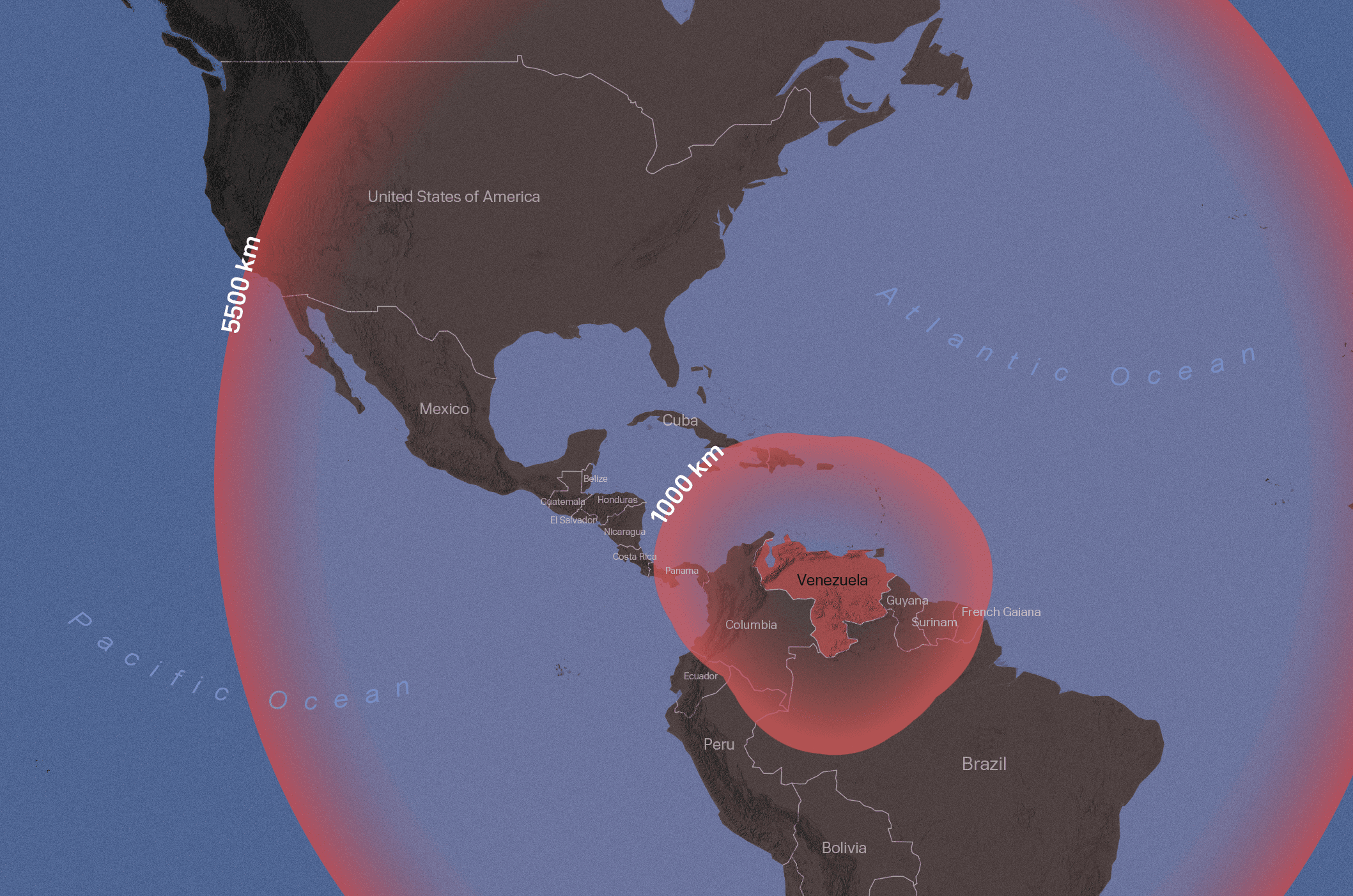
The exact range of the Oreshnik is not publicly confirmed, but most open-source data estimate it to be around 5,500 km (3,400 miles). It is a medium-range intercontinental ballistic missile developed in Russia over the past decade.
Despite a longstanding agreement between the US and Russia not to develop such weapons—specifically the 1987 Intermediate-Range Nuclear Forces (INF) Treaty—Moscow has effectively abandoned the accord. In 2024, the Oreshnik was reportedly launched against the Ukrainian city of Dnipro, although without a nuclear warhead.
This type of weapon gives Russia the capability to conduct nuclear strikes across nearly all of Europe, while European capitals remain largely undefended. US missile defense systems are located in Poland and Romania, with a few other safeguards in place.
Now, with Russia signaling its intent to deploy the Oreshnik to Venezuela, the threat extends even further. From Venezuelan territory, the missile could target most of South America, the Caribbean, Mexico, and large portions of the United States—with Washington likely among its primary targets, given the tense relations between the US and Maduro’s regime. Even parts of Canada could fall within its range.
Implications for the US and Latin American security
However, Russia may not need to send the Oreshnik specifically. For over three years, the Kremlin has terrorized Ukraine with Iranian-made Shahed drones, which have a range of 2,500 km (1,550 miles)—sufficient to reach US shores from Venezuela and potentially paralyze maritime trade in the region. Just days ago, a Russian Shahed struck a Turkish-flagged vessel off the coast of Romania, forcing the evacuation of an entire village.
Russia’s Iskander missile system, a cruise missile also boasting a range of 2,500 km, could likewise be used to strike Florida if deployed from Venezuelan territory.
In addition, Moscow possesses a variety of anti-ship missiles that could be handed over to Caracas for potential use against the US Navy.
We bring you stories from the ground. Your support keeps our team in the field.
Russia’s geopolitical goals
Each of these weapon systems represents not only a military threat, but a geopolitical maneuver—shoring up Maduro’s authoritarian regime as it clings to power. For Russia, Venezuela offers more than just a strategic ally; it provides a springboard for global influence beyond Asia, extending Moscow’s reach into Europe, the Middle East, Africa, and now, the Americas.
Discuss this article:

-c439b7bd9030ecf9d5a4287dc361ba31.jpg "Photo of Katherina Popilnichenko")

-111f0e5095e02c02446ffed57bfb0ab1.jpeg "Photo of Roman Kohanets")