- Category
- War in Ukraine
“I Cry Once or Twice a Day”: Ukrainian Wife’s Agonizing Wait for Husband’s Return From Russian Captivity
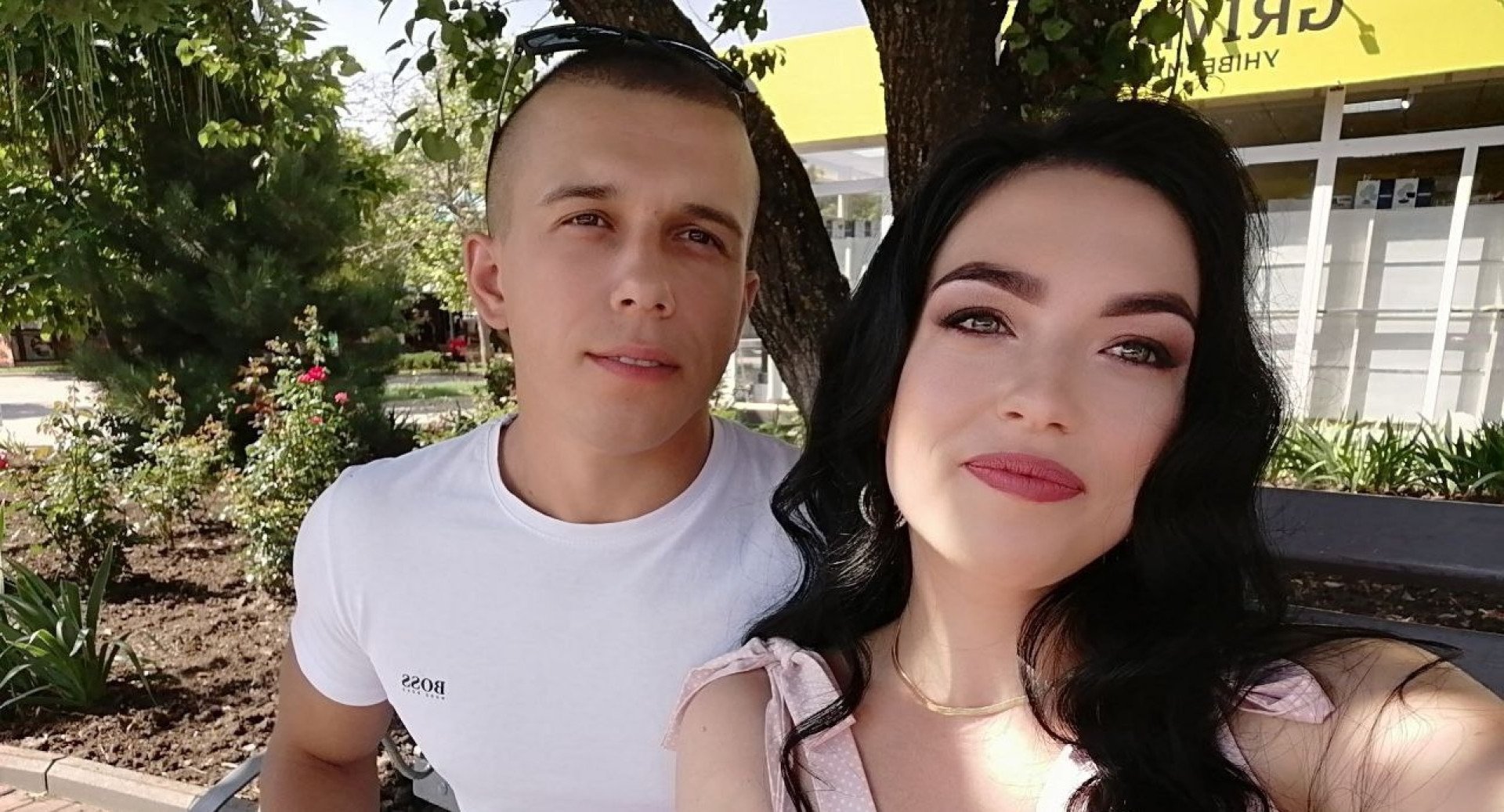
Olha Kurtmallaieva has been waiting for her husband to return from Russian captivity for over three and a half years. How does she navigate her life, and what gives her the strength to continue fighting?
 Prefer U24 Media on Google
- Authors

-f88628fa403b11af0b72ec7b062ce954.jpeg "Photo of Amira Barkhush")
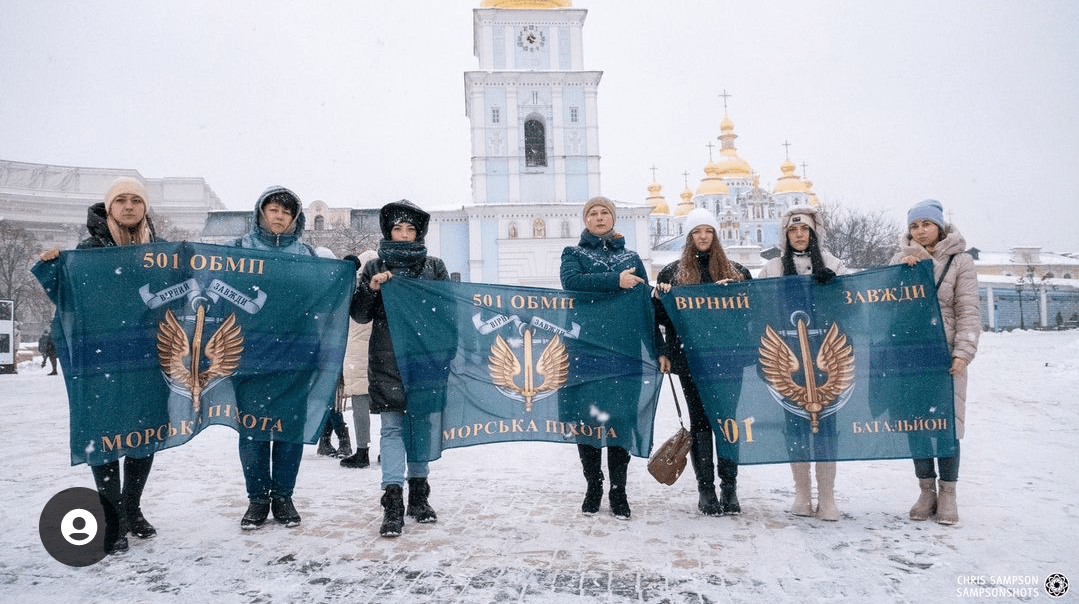
Ruslan Kurtmallaiev served in the 501st Separate Naval Infantry Battalion of the Ukrainian Marine Corps. At the onset of Russia’s full-scale invasion in 2022, his unit was defending Mariupol, a Ukrainian city in the Donetsk region on the Azov Sea. On April 4, 2022, the Russian forces captured over 250 soldiers of the battalion.
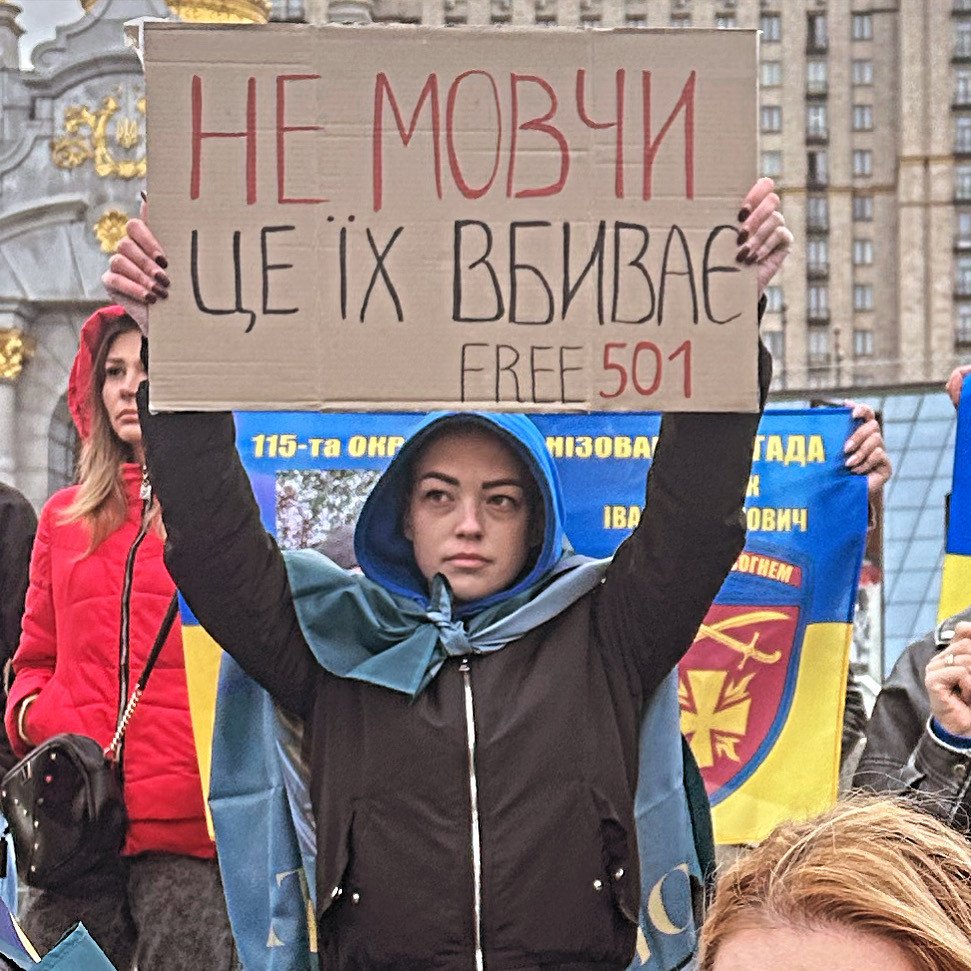
Having little to no information about Ruslan, his wife, Olha, doesn’t sit still. With other wives of Ukrainian POWs, they founded the NGO “Union of Families of Prisoners of War of the 501st Battalion.” Now, she is heavily involved in activism, advocating not only for her husband but for other Ukrainian prisoners of war and those who came back.
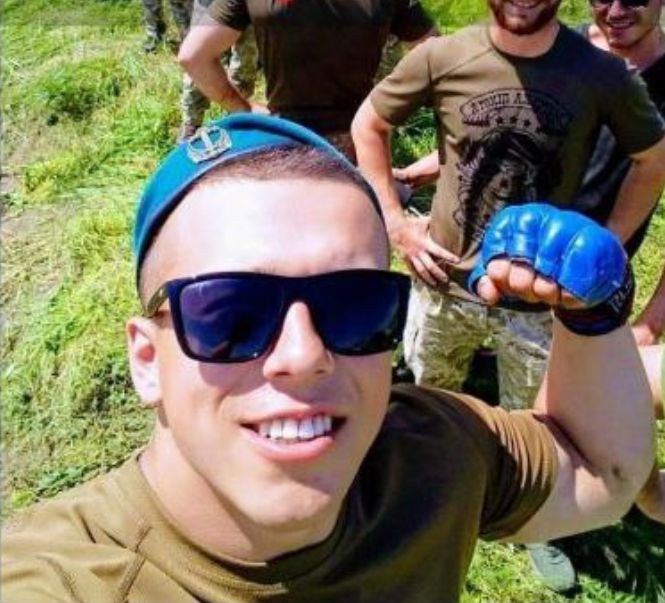
The only call she got from Ruslan was in 2023, when she got to see and hear from him for five minutes—all the time the Russians allowed: “I was very happy to see his smile again, but he looked very thin and tired, like he had aged 10 years. His face was gray and pale. You could see that he was getting no food, no sun, nothing.”
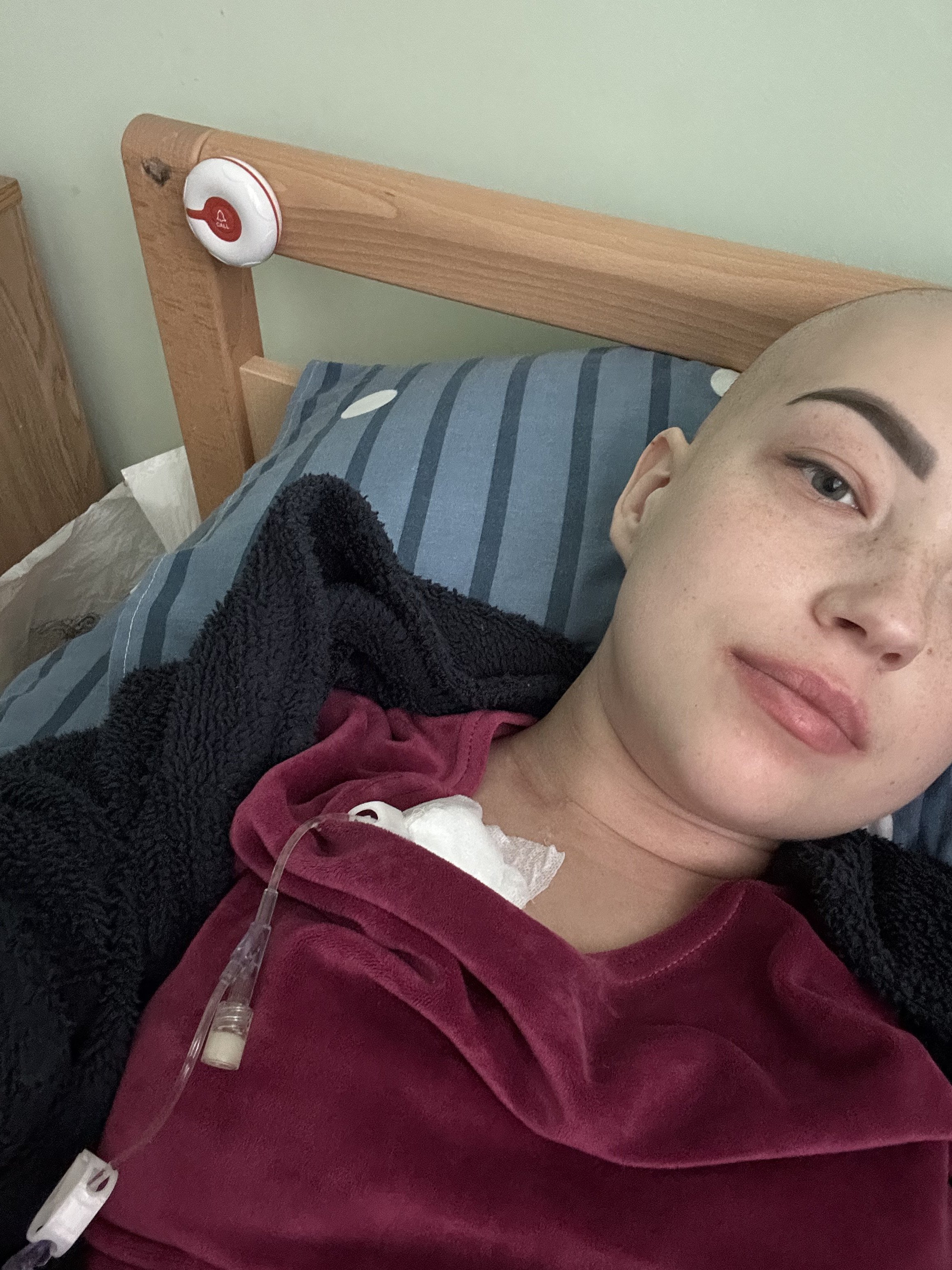
Olha had to go through a lot: beating cancer , living under occupation , and her beloved Ruslan being captured. She shared with us how she copes with uncertainty and what gives her the strength to carry on.
Do you have any information at all about where the Russians are holding Ruslan right now?
Only from those who were released from captivity. The only information we can get is from people who have returned from those detention sites.
From them, I know that my husband has been kept in solitary confinement for two years, and unfortunately, they have not seen him for those entire two years. I don’t know what condition he is in now. They only heard his surname being mentioned.
He is being held in complete isolation. He is a Crimean Tatar, a Muslim. And they give him only Christian literature to read. It may seem like one of the “milder” forms of torture, but it is still a form of pressure—an attempt to suppress his dignity and his faith.
You know, I recently tried an experiment on myself. I tried to live for just one day with limited food, without gadgets, without anything at all. I tried to recreate artificial conditions similar to a cell, even though, of course, it’s nothing like the real thing. In my case, it wasn’t cold, and no one was beating me. And yet after just one day, I almost lost my mind. No books, nothing—just staring at one wall. It was horrifying. I can’t imagine what two years of this would be like.
Olha Kurtmallaieva
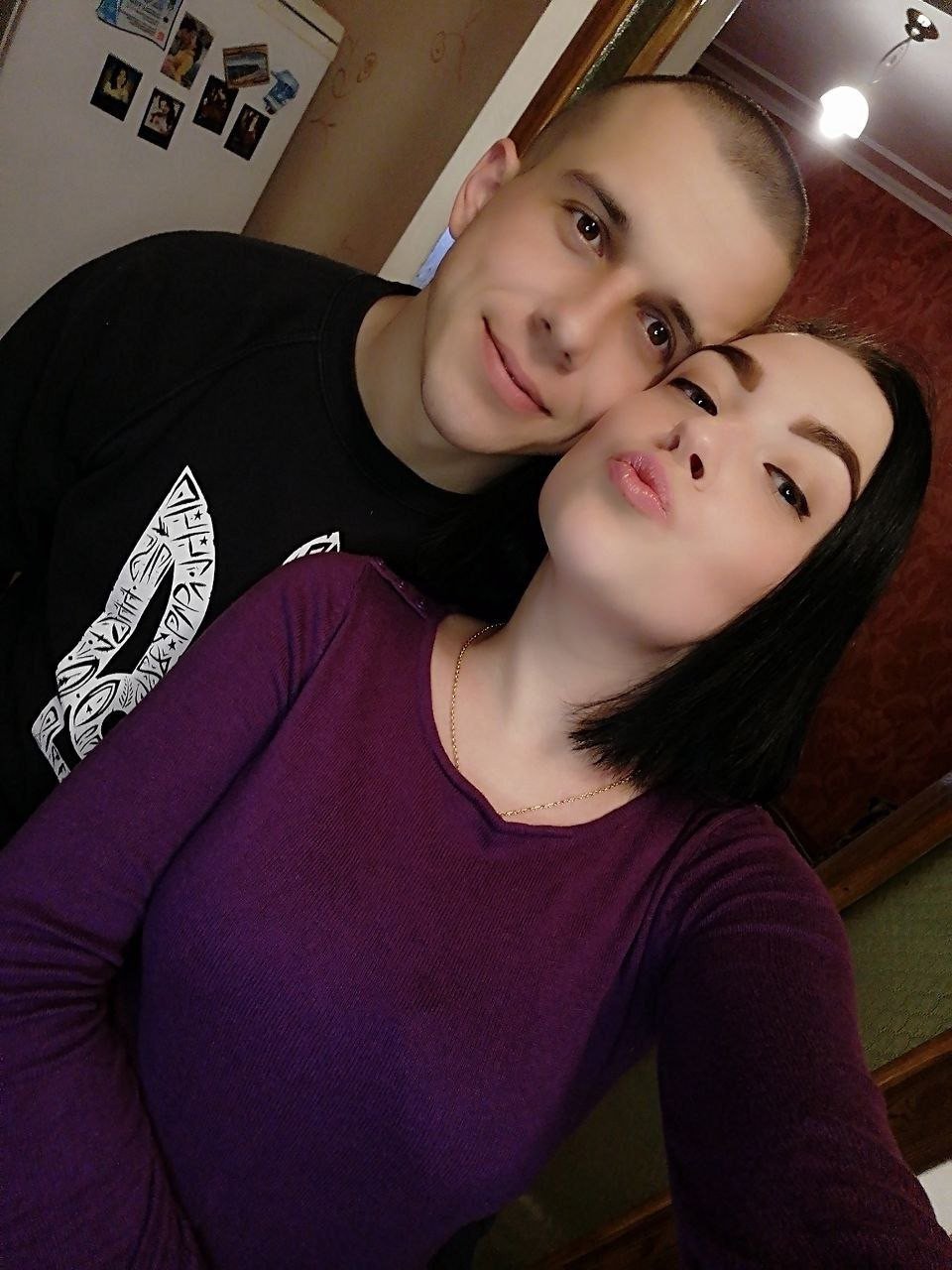
Do you know why he was placed in solitary confinement?
In his prison, and in the Russian Federation in general, there is very biased treatment toward Crimean Tatars and anyone who has ever lived in Crimea. Together with other families, we did a small analysis and found that everyone held in solitary confinement is, interestingly, in one way or another, connected to Crimea.
How do you cope with having so little information? Where do you find the strength to keep yourself going?
It’s actually very simple. I don’t have a choice. You have to get up, live, and move forward.
I study a lot. I’ve read everything I could find about every possible war, about returning from war. I highly recommend reading Once a Warrior, Always a Warrior. It’s something every military wife should read to understand the psychology behind all this.
I study so that I can help him return and reintegrate into life. Because the consequences of captivity will stay with him forever. The first five to ten years will be especially vivid and intense.
I also have my own business, which I started in Berdiansk and had to rebuild from scratch. It takes almost all of my time. I wake up, work a lot, and often work late into the night, so that I just fall asleep and don’t think about it. Because the worst thing for me is being alone with my own thoughts.
On average, I cry once or twice a day; I call them “five-minute breaks.” Sometimes I sit and think, “God, how did I get to this life?”
I have to rebuild our life from scratch now, while he’s gone. I want to prepare comfort for him, arrange our home. Because I left with one suitcase. So I want to create something for him, something warm and safe.
Is there a way civilians can help prisoners of war and their families?
There’s a golden rule: first and foremost, 10% of your income should be donated to charity. I believe in the boomerang effect, call it karma or whatever; this is how it should be. You have to show your gratitude to someone. Either you’re in the military, or you support the military.
We must understand that the situation at the front directly affects the situation with exchanges. When Russia feels strong and continues to advance, exchanges stop. As soon as they start losing at the front, exchanges resume. It’s very straightforward.
Secondly, sharing actions and posts on social media is also a great way to support. The more people see it, the more it reaches international platforms, the more hope we have that we will receive greater support.
Is there a message you would like to convey to the English-speaking audience?
Supporting us through social media is already a huge help. I’m truly grateful to those who already support us; there are many, but I wish everyone would do the same.
I understand that it may seem distant, that it isn’t happening to you, but this it’s the daily pain of thousands of people.
Some are fighting, some were killed, and some are missing. Just imagine that your loved one has left the house and you can’t find them. Imagine spending years sitting, wondering if your loved one will ever return. And if they do, how will they look like after everything they have endured—broken bones, crushed skulls, emotional devastation just for defending their country, wives, and children.
Imagine the children who sleep on a concrete floor in a bomb shelter, because a Russian missile could kill them. I understand that we are all tired of this war, but I want people to be visually reminded of Russia’s map and Ukraine’s map. And understand who we’ve been fighting off all these years.
Financially, simply spreading the word, showing compassion, and providing targeted help. If you’re moved by a particular story, help a child who has lost their parents.
The more people talk about it, the more it reaches international platforms, the more help we’ll receive, and the more chances we have to save our children, our people.
FAQ
How many Ukrainian POWs are currently being held by Russia?
About 8 thousand Ukrainian soldiers are confirmed to be in Russian captivity, according to the Deputy Head of the Office of the President, Iryna Vereshchuk, referring to the data of the Coordination Headquarters for the Treatment of Prisoners of War. These figures are likely to be higher and difficult to verify due to limited access to Russian sources.
What is known of Russia’s treatment of Ukrainians in captivity?
Ukrainians are massively subjected to torture, lack of proper food and medical care, Amnesty International reported in March 2025.
“Russia’s systemic incommunicado detention of Ukrainian POWs and civilians reflects a deliberate policy designed to dehumanize and silence them, leaving their families in agony as they wait for news about their loved ones,” said Amnesty International’s Secretary General, Agnès Callamard.
Additionally, Russia’s ill treatment of Ukrainians in captivity is widely reported by POWs and civilians who were exchanged.
-5eea2cf1126d975e702896f6b4c7b36f.png)
How do families work to bring their loved ones home?
Tens of associations were created by Ukrainian families to advocate for returning their loved ones from Russian captivity, including the Association of Azovstal Defenders' Families. This group organizes weekly demonstrations to remind the world of those silenced and pressure the international organizations to demand access to Ukrainians in Russian captivity.
The International Committee of the Red Cross (ICRC) is restricted from visiting Ukrainian POWs in Russia. According to members of the independent expert mission of the OSCE Moscow Mechanism during a press conference in Vienna, the members of the ICRC have limited access to POWs. Experts add that while certain visits were allowed, they are limited in number. Former POWs report that only prisoners in good condition were allowed to meet the ICRC workers.
We bring you stories from the ground. Your support keeps our team in the field.
Discuss this article:
-e88c01988249cd60b6f04f79d29156b7.jpeg "Damage to “Cosmogony,” the largest painting in Ukraine, following a Russian drone attack on Lutsk on October 13, 2026. (Source: @sashyyna/Instagram)")


-dd35be762f08867915b1187d08f5b7cb.jpg "Aftermath of a Ukrainian Neptune missile strike on a Russian Borisoglebsk airfield, October 15, 2026.")
-f1e0a0eb8dc4159d1ee6f9483ef88571.jpg "Malambahe Sabtar Sabanal, a Philippine national identified by Ukrainian military intelligence as a Russian military recruit who was killed during assault operations in the Donetsk region. (Source: HUR)")