- Category
- War in Ukraine
Russia Secretly Tests Fiber-Optic Drone Capable of Striking Deep Frontline Targets
 Prefer U24 Media on Google
- Authors

-c439b7bd9030ecf9d5a4287dc361ba31.jpg "Photo of Katherina Popilnichenko")
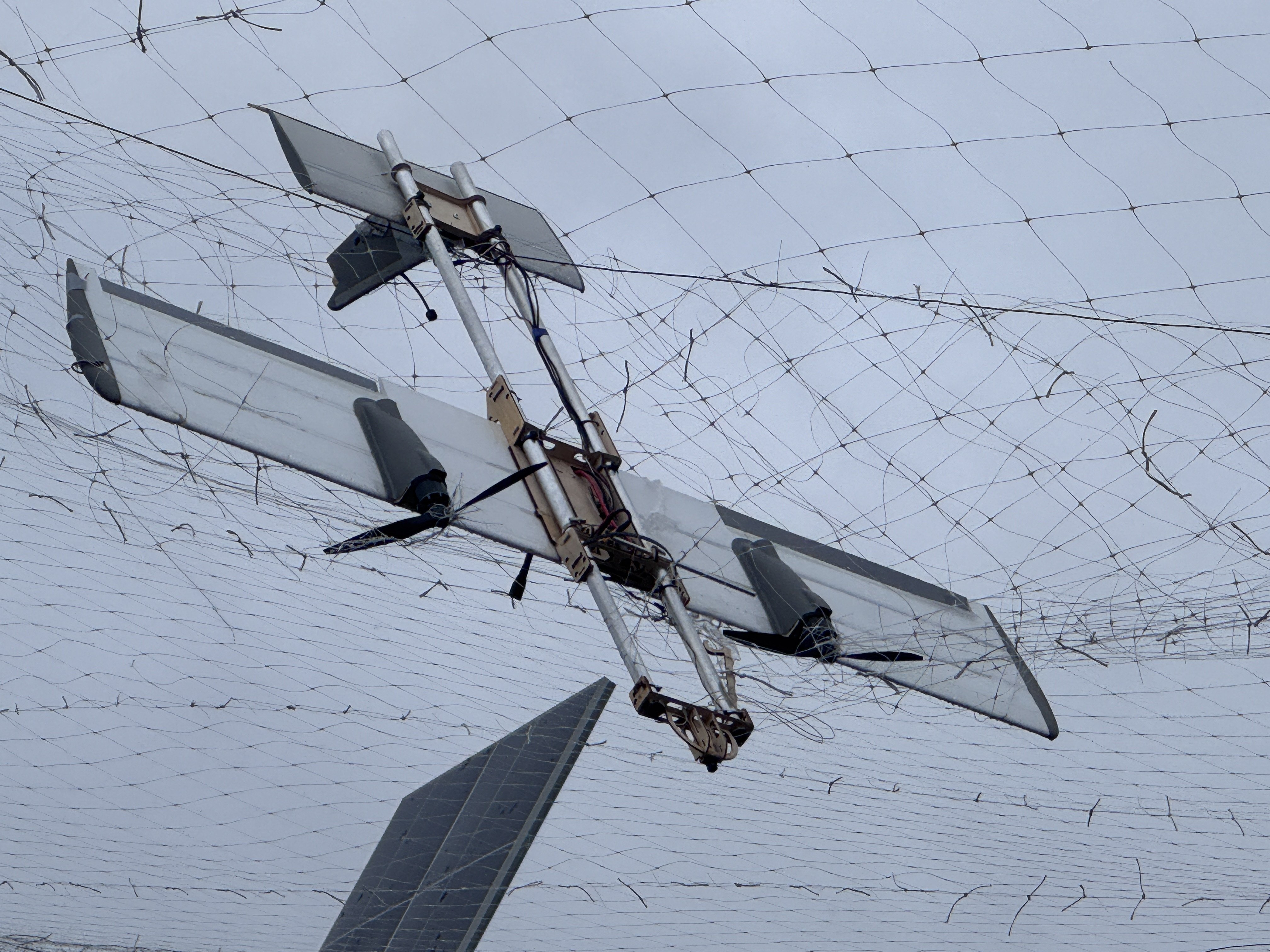
Russian forces are currently testing a new fiber-optic, wing-type strike drone with an operational range of up to 50 kilometers and a warhead capacity of up to 10 kilograms.
The military plans to launch mass production of this new model, which is designed to serve as an analog to Russia's existing Molniya unmanned aerial vehicle, according to RBC.
We bring you stories from the ground. Your support keeps our team in the field.
The primary objective behind using a fiber-optic connection is to shield the strike drone from electronic warfare and radar systems during its deployment.
Serhiy "Flash" Beskrestnov, an advisor to the Ministry of Defense of Ukraine, reported the ongoing testing and noted the tactical advantages of the design.
"The enemy is testing a new wing-type drone on fiber optics. They are announcing plans for the serial production of an analog of the 'Molniya' with a flight range of 50 kilometers," Beskrestnov stated.
According to Beskrestnov, the development aims to make the operations of these strike systems completely invisible to Ukrainian electronic intelligence units. The wire-guided technology functions similarly to autonomous drones equipped with artificial intelligence by eliminating vulnerable radio frequencies.
The underlying architecture can provide the aircraft with full immunity against electronic warfare countermeasures. Furthermore, the high-quality physical video feed transmitted via the fiber-optic cable could allow operators to navigate the aircraft at exceptionally low altitudes while easily evading physical obstacles on the ground.
-0f4c8254083ae48701ef1577ec623bc0.jpg)
"Low altitudes worsen the visibility of targets on radar," Beskrestnov explained.
The development follows previous combat incidents involving the original Molniya platform. Beskrestnov recalled a recent attack on a Ukrainian facility where the retrieved wreckage of the Russian Molniya drone revealed an absolute absence of control antennas, featuring nothing more than an onboard camera and a computer system.
Russian forces already attempted to enhance the survivability of their one-way attack drones by equipping Shahed-type platforms with rear-mounted electronic warfare systems designed to jam and suppress Ukrainian interceptor drones.
According to Ukrainian officials, Moscow deployed these modified uncrewed vehicles in insufficient numbers to meaningfully disrupt Ukraine's expanding low-cost air defense network, which successfully doubled its interception rate of incoming Shahed strikes over a four-month period despite a 35% increase in the monthly volume of Russian aerial attacks.
Discuss this article: