- Category
- War in Ukraine
Russia Targets Ukraine’s Power and Heating Systems Ahead of Winter, Striking Six Major Substations
 Prefer U24 Media on Google
- Authors


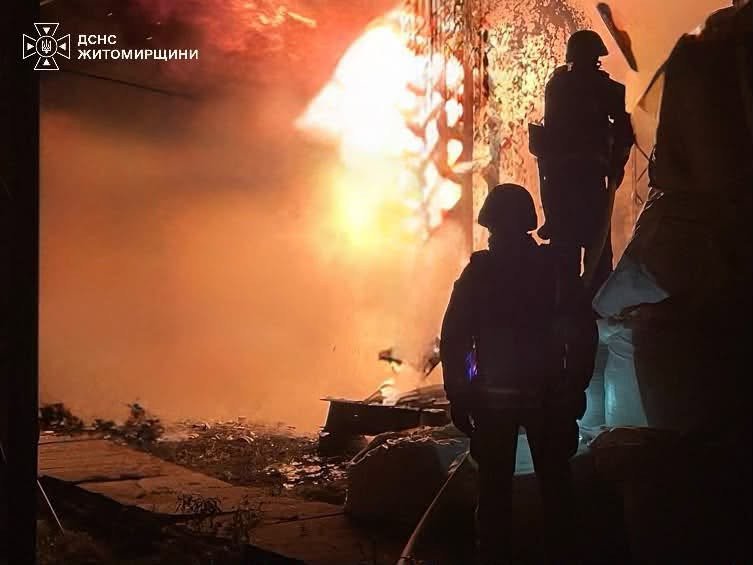
Russian forces targeted six major electrical substations across Ukraine overnight on November 11, damaging power transmission lines and disrupting heating supplies, Ukrainian Prime Minister Serhii Koretskyi reported.
We bring you stories from the ground. Your support keeps our team in the field.
According to him, Russian strikes targeted power substations in the Vinnytsia, Kirovohrad, Zhytomyr, and Cherkasy regions. Power transmission lines of various voltage classes were also damaged in the Kirovohrad and Rivne regions.
The attacks extended to heating infrastructure in Kryvyi Rih, where Russian forces struck a district heating facility, causing disruptions to heat supplies in residential buildings.
Emergency repair crews are currently working to restore heating services in the city.
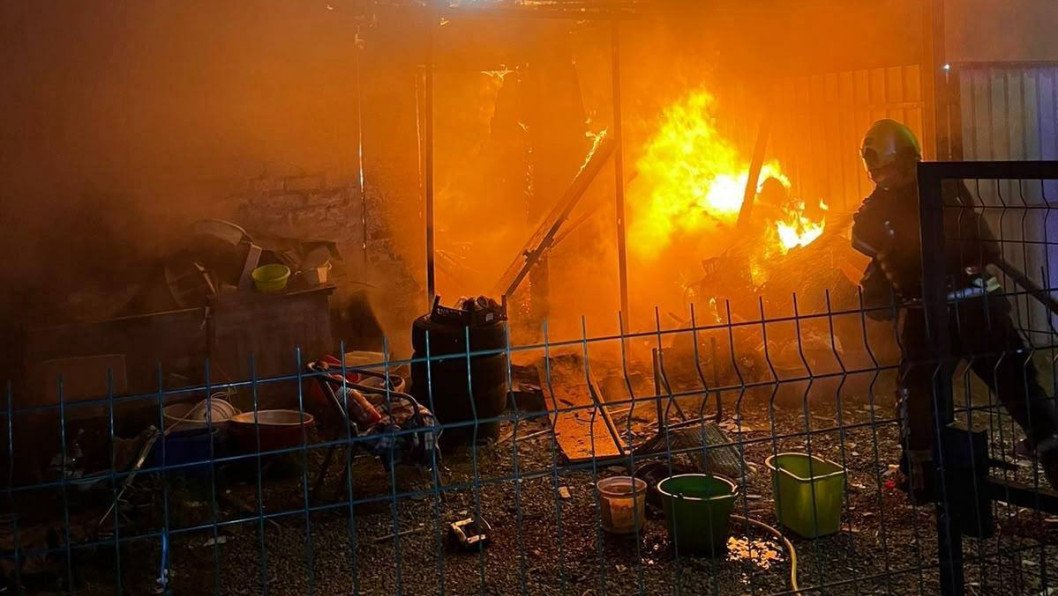
The latest attacks follow a series of Russian strikes on Ukraine’s energy infrastructure, including a large-scale missile assault on October 14 that targeted all three of Kyiv’s combined heat and power plants.
During that attack, Russian ballistic missiles also struck critical energy facilities in Kharkiv and the surrounding region, according to Koretskyi. Additional strikes damaged infrastructure in the Kyiv region responsible for supplying electricity to the capital and central parts of Ukraine.
As Russia continues to target Ukraine’s energy network, international partners are seeking to provide additional support for the restoration and protection of critical infrastructure.

On November 5, Reuters reported that Germany had proposed allocating an additional $113 million to help repair Ukraine’s water supply, energy, and transportation infrastructure and strengthen its resilience against Russian attacks.
The proposed funding would supplement assistance already included in Germany’s 2026 federal budget, addressing damage caused by intensified Russian aerial strikes since the summer.
“This need is unforeseen, as at the time the federal budget for 2026 was adopted, the intensity of the conflict could not have been predicted,” the ministry stated in a letter to parliament’s budget committee. “Since July 2026, Russia has been carrying out increasingly frequent and intense attacks on critical and civilian infrastructure in big cities, transport routes, logistics centres and companies,” the letter added.
Discuss this article: