- Category
- War in Ukraine
Russian Soldier Got Lost for 5 Days at the Bottom of the Kakhovka Reservoir Until Ukrainian Special Forces Found Him
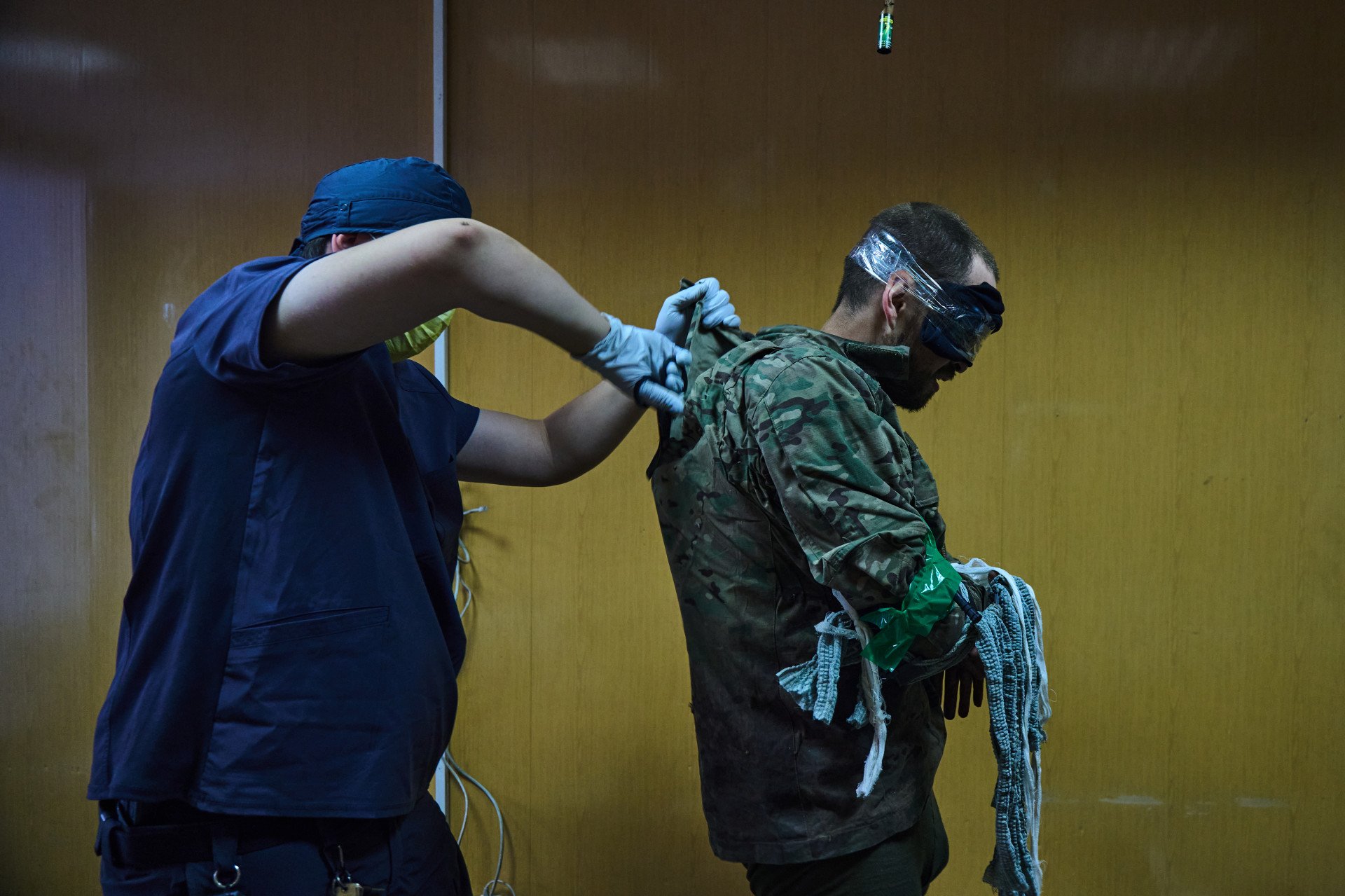
For five days, a Russian soldier wandered near the dried-up Kakhovka Reservoir after his unit was spotted and attacked by Ukrainian drones. Wounded, exhausted, and unsure where to go, he eventually encountered Ukrainian special forces and tried to fight them. Hours later, he was their prisoner.
 Prefer U24 Media on Google
- Authors


-42696701342093d1cdbc4069f0f07d6c.jpeg "Photo of Mykyta Shandyba")

After Russian forces destroyed the Kakhovka Dam in June 2023, the vast body of water drained away, exposing a landscape that has since transformed into dense willow forest, marshland, and open ground.
The exposed reservoir bed has itself become part of the front line. Russian and Ukrainian troops operate among its reeds and willow thickets, where dense vegetation can conceal movement but also makes navigation extremely difficult. Drones constantly watch the terrain from above, while mines and unexploded ordnance add another layer of danger. Russian forces use it to infiltrate villages south of Zaporizhzhia.
Bratstvo Battalion, part of Timur’s Special Forces Unit of Ukraine’s Defense Intelligence (HUR), operates across this unusual battlefield. During one mission in late 2025, its soldiers captured Russian troops behind Russian lines and escorted them roughly 27 kilometers across the former reservoir bed back to Ukrainian-controlled territory.
It was there that the Russian soldier Ivan spent five days wandering.
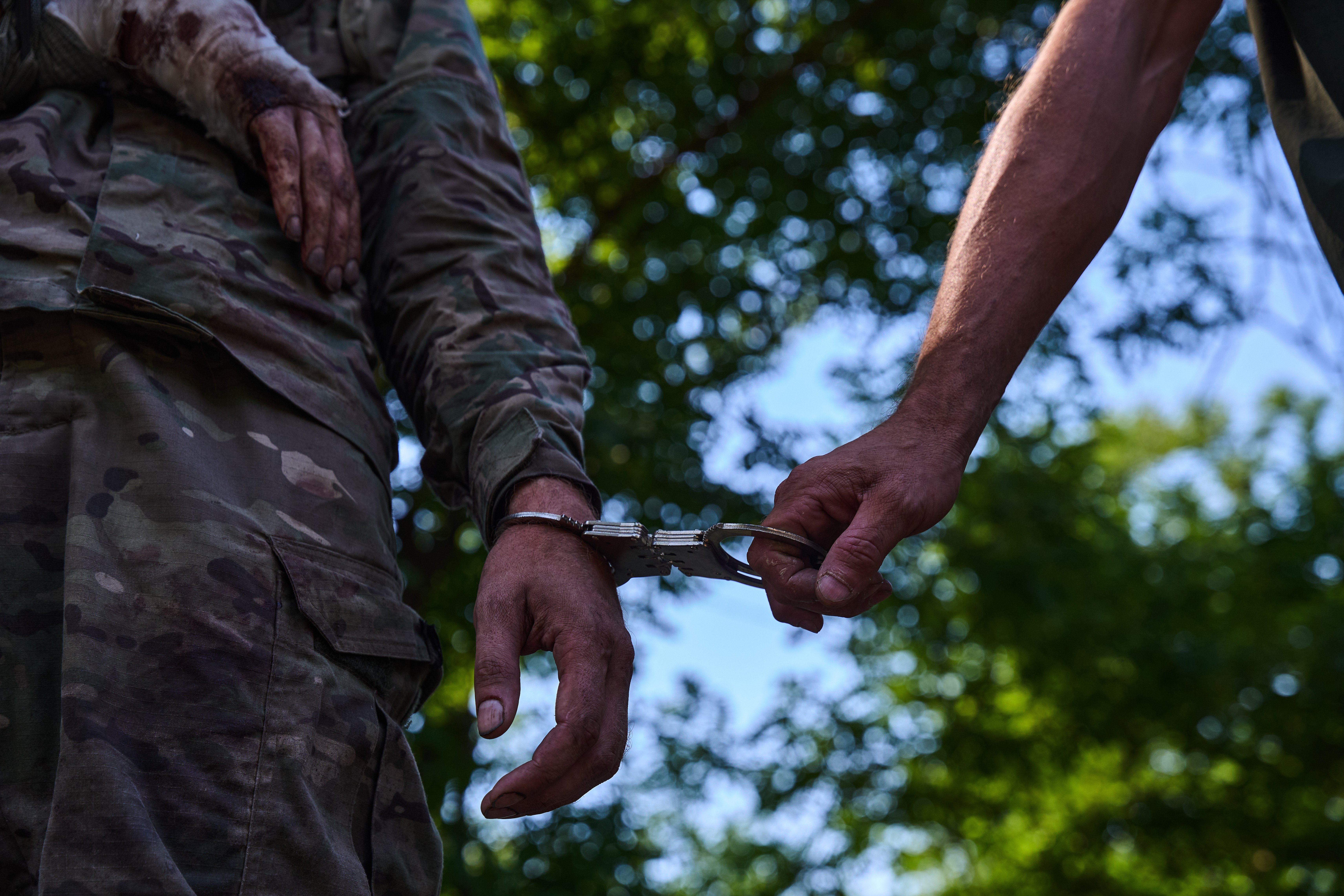
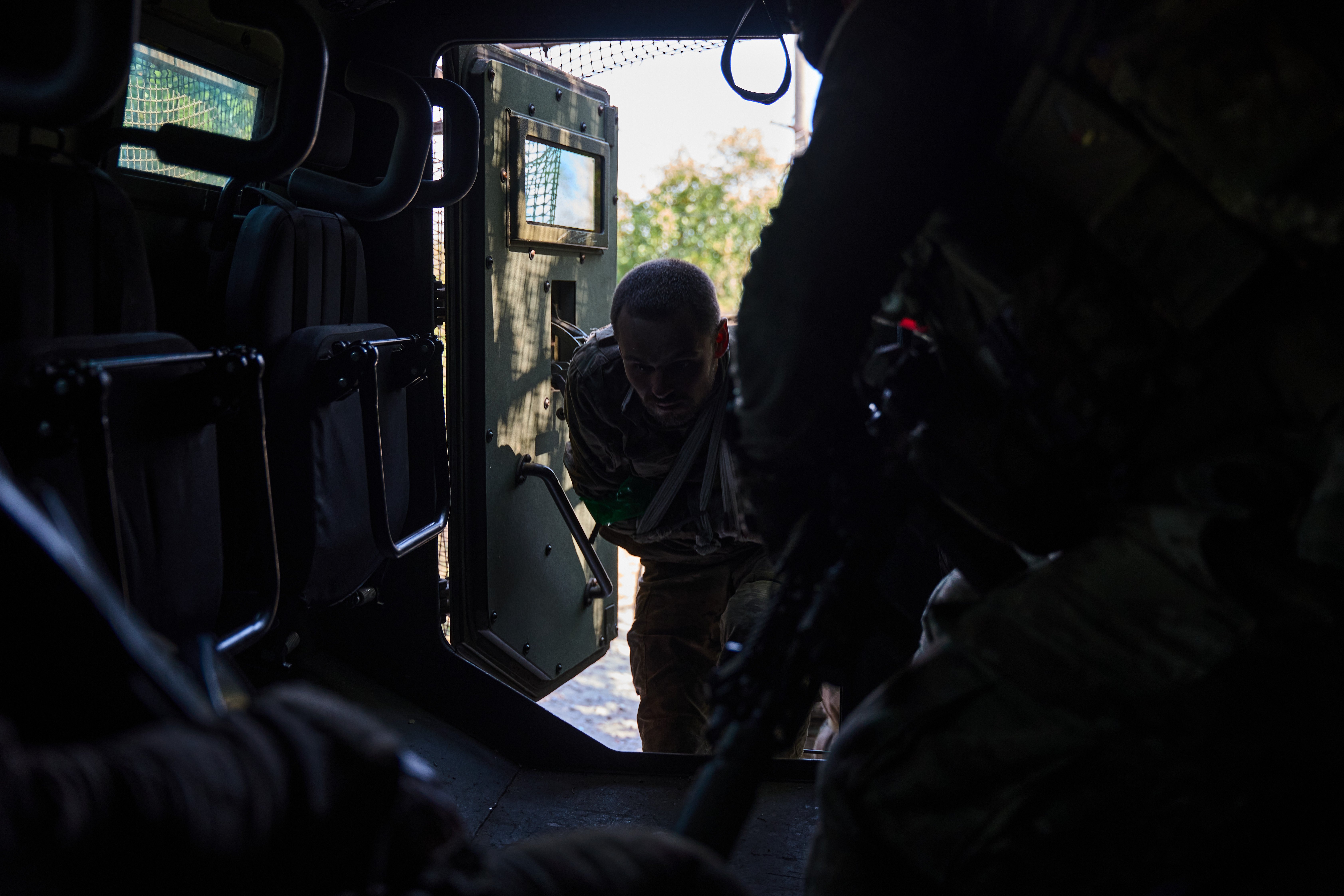
Bratstvo soldiers eventually found him during a reconnaissance and special operation. UNITED24 Media accompanied the soldiers and documented the operation and its aftermath. Ivan attempted to resist and was wounded in the arm during the ensuing firefight before being taken prisoner.
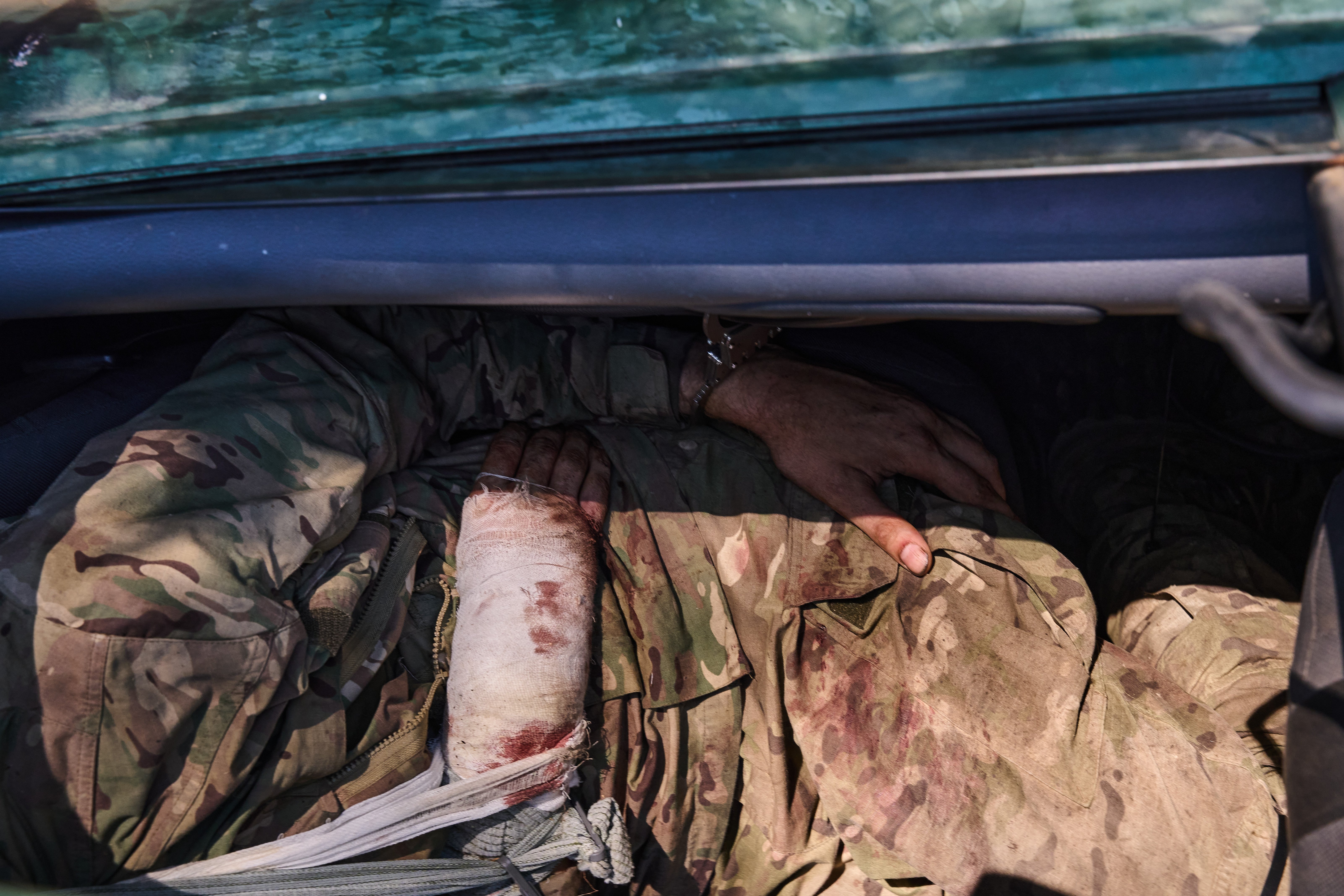
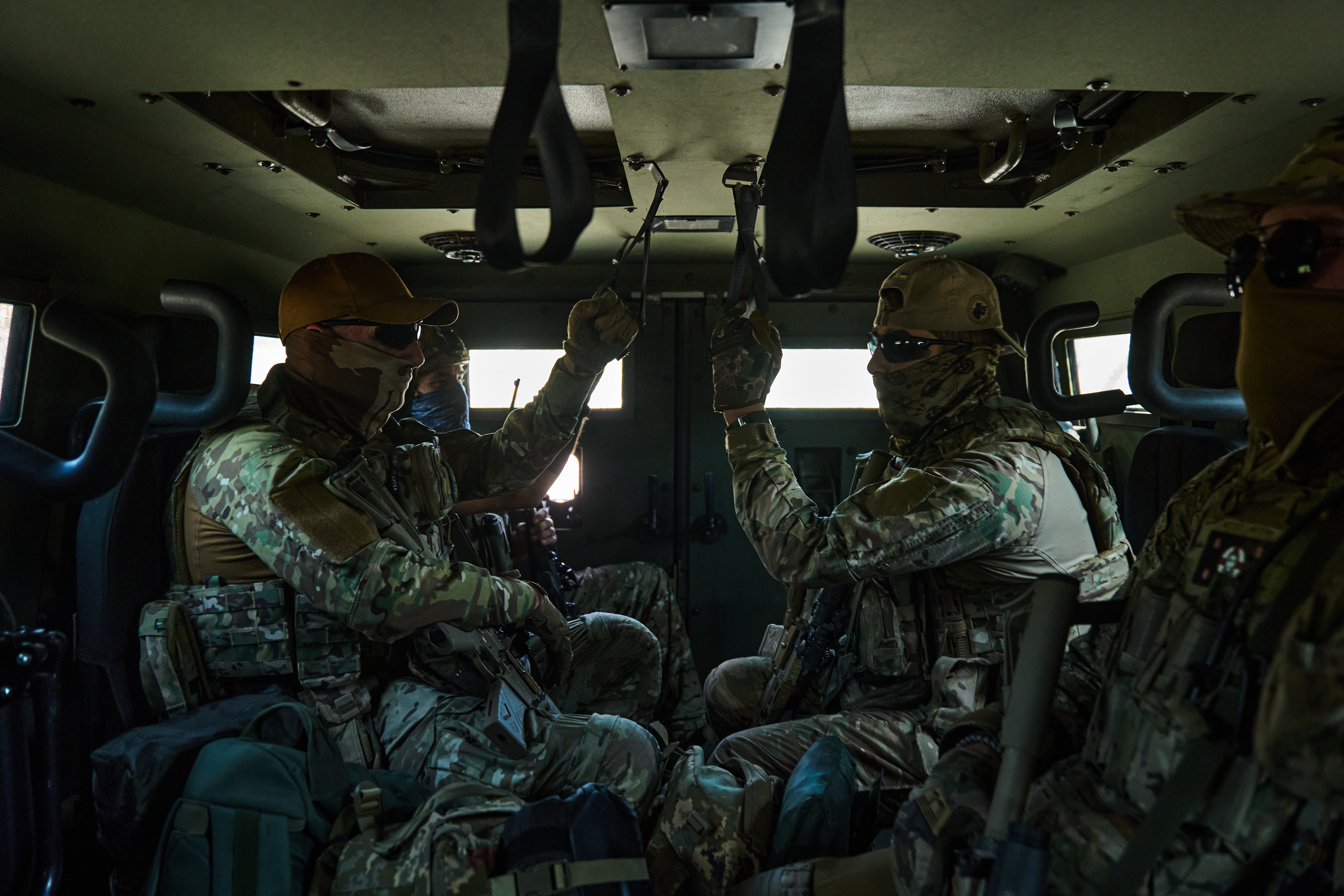
The special forces soldiers administered first aid on the spot, stopping the bleeding, stabilizing his condition, and preparing him for evacuation. He was later moved to a safer area and handed over to medics.
“The guys who caught me basically saved my life,” Ivan said.
Russian soldier describes Ukraine’s drone-dominated front
Ivan said he had previously joined a group of Russian soldiers that had moved out to their positions. At around 6 p.m., the group was spotted.
“I joined a group that had gone out earlier,” said Ivan. “At around six in the evening, we were spotted, and they started leveling everything. Bombers, Mavics, FPVs. I dropped to the ground, covered myself with an anti-drone cloak, and waited to be killed.”
If you run, you’ll get killed. If you don’t run, you’ll get killed.
Ivan
Russian soldier
He described another explosion that occurred close to him.
“It threw me and wounded me,” he said. “I lay there until four in the morning, and then moved to another tree line.”
What followed was several days of wandering through the area, which ultimately ended with his encounter with Bratstvo soldiers.
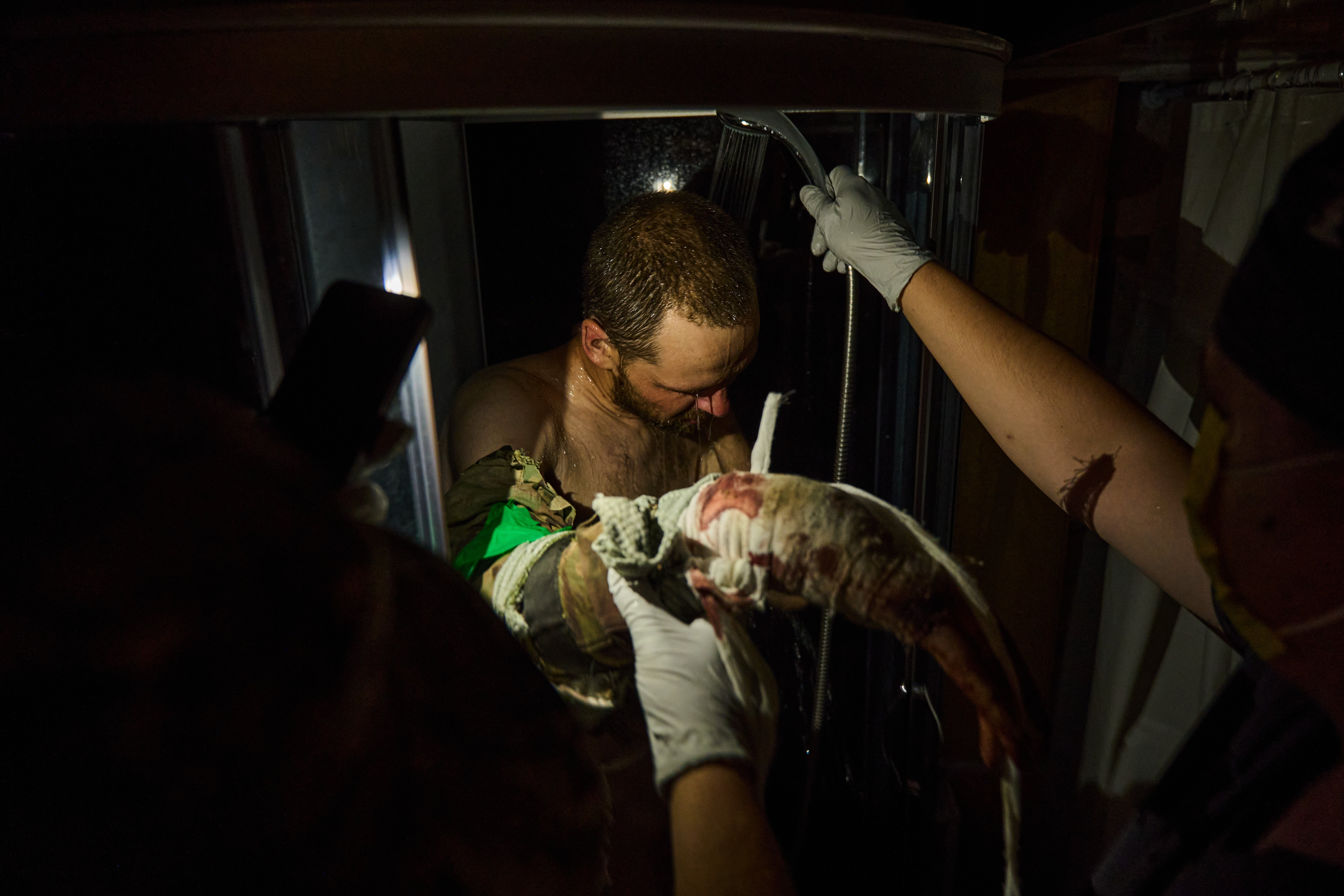
One of the most disturbing details of his account concerned another Russian soldier.
“We made each other ‘three-hundredths’ [military slang for wounded soldiers—ed.]. My comrade blew up his own [limb] with a detonator.”
“He did it himself?” we asked.
“No, I helped him. I closed the contacts. We have no other way out…”
UNITED24 Media is reporting the prisoner’s own account and cannot independently verify all the circumstances of the episode he described. But his words—“we have no other way out”—are striking.
Russian losses have increasingly shifted toward deaths rather than wounds. UNITED24 Media sources among senior commanders suggest that in some sectors, as many as 70% of Russian troops who become casualties are now killed rather than wounded. Other estimates are lower, and Russia does not publish reliable comprehensive figures separating its battlefield dead from wounded, but the trend has been linked in part to the proliferation of drones and the growing difficulty of evacuating injured soldiers from the front.
Yet, even deliberately wounding oneself would not necessarily guarantee a Russian soldier a way off the battlefield. There are many documented cases of wounded Russian troops being returned to combat before recovering, including soldiers sent into assaults on crutches.
From Russia’s “crucified boy” propaganda to the war in Ukraine
It later emerged that Ivan was born in Sloviansk, Donetsk region—a Ukrainian city that became one of the first major battlegrounds of Russia’s war against Ukraine in 2014.
Sloviansk was seized by Russian-backed forces in the spring of 2014 and retaken by Ukrainian troops that July. During the occupation of Sloviansk, Russian-backed forces reportedly abducted and tortured civilians, held hostages in makeshift detention facilities, and carried out summary trials and executions.
On July 12, Russia’s state-run Channel One broadcast what would become one of the war’s most notorious fabrications.
A woman presented as a refugee from Sloviansk claimed that Ukrainian soldiers had gathered residents in the city’s central square, nailed a three-year-old boy to a noticeboard, and forced his mother to watch before tying her to a tank and dragging her through the streets. No evidence of the alleged atrocity was ever found, and journalists who traveled to Sloviansk could find no witnesses who corroborated the story.
The “crucified boy” became an early example of a narrative that Russian state media would repeat in different forms for years: portraying Ukrainian forces as brutal “punishers” or “Nazis” and Russian intervention as necessary to protect Russian-speaking Ukrainians.
Ivan’s own path into the Russian army, however, was described as more prosaic. He said that he had moved from Sloviansk to Slavyansky District in Russia’s Krasnodar Krai, part of the wider Kuban region. There, he said he accumulated debts and eventually joined the Russian military.
This way, a man born in Ukraine’s Sloviansk found himself wearing a Russian military uniform. His capture also illustrates another reality of the battlefield: for Russian soldiers, being taken alive as Ukraine’s POW offers an alternative to self-injury or continuing to fight.
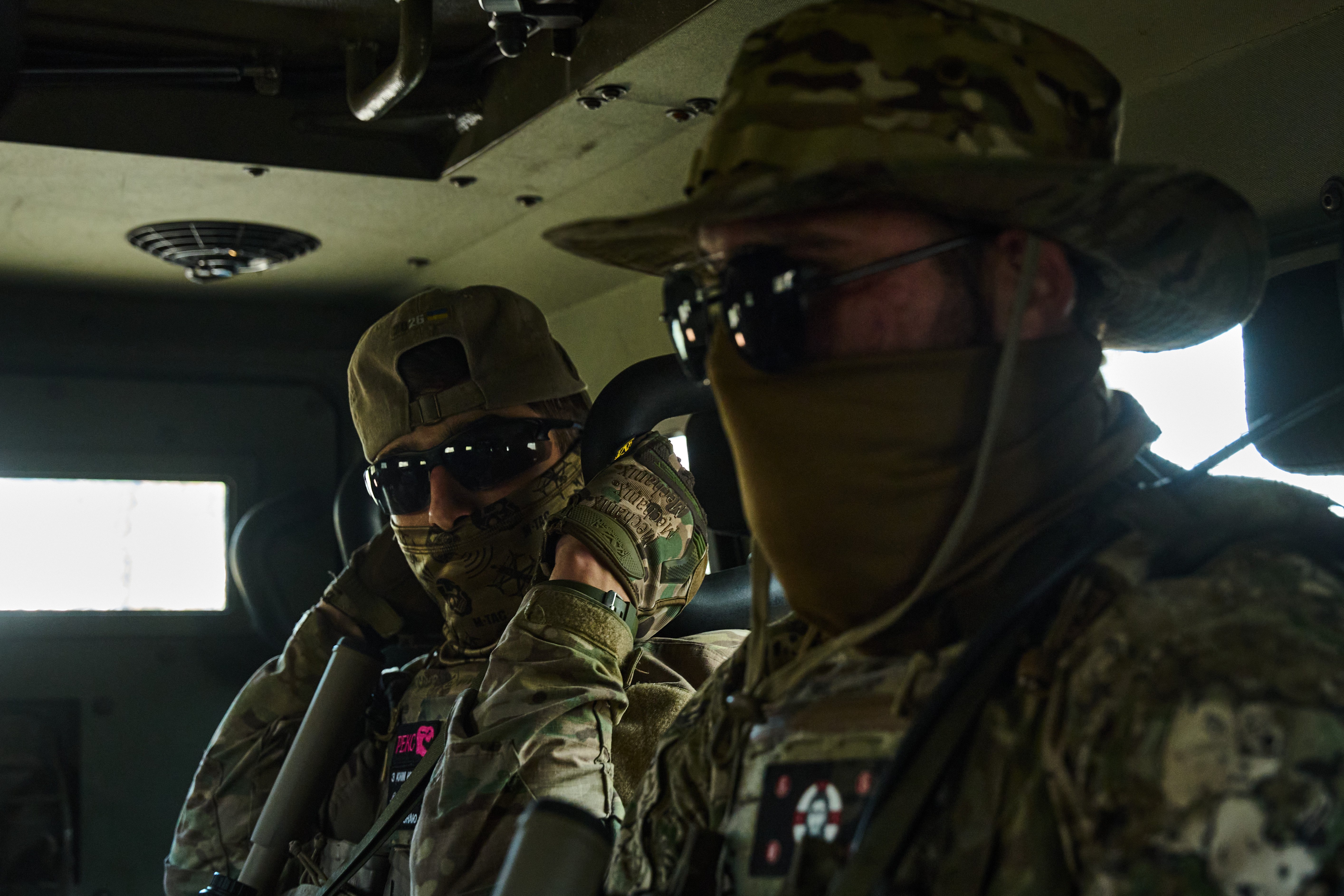
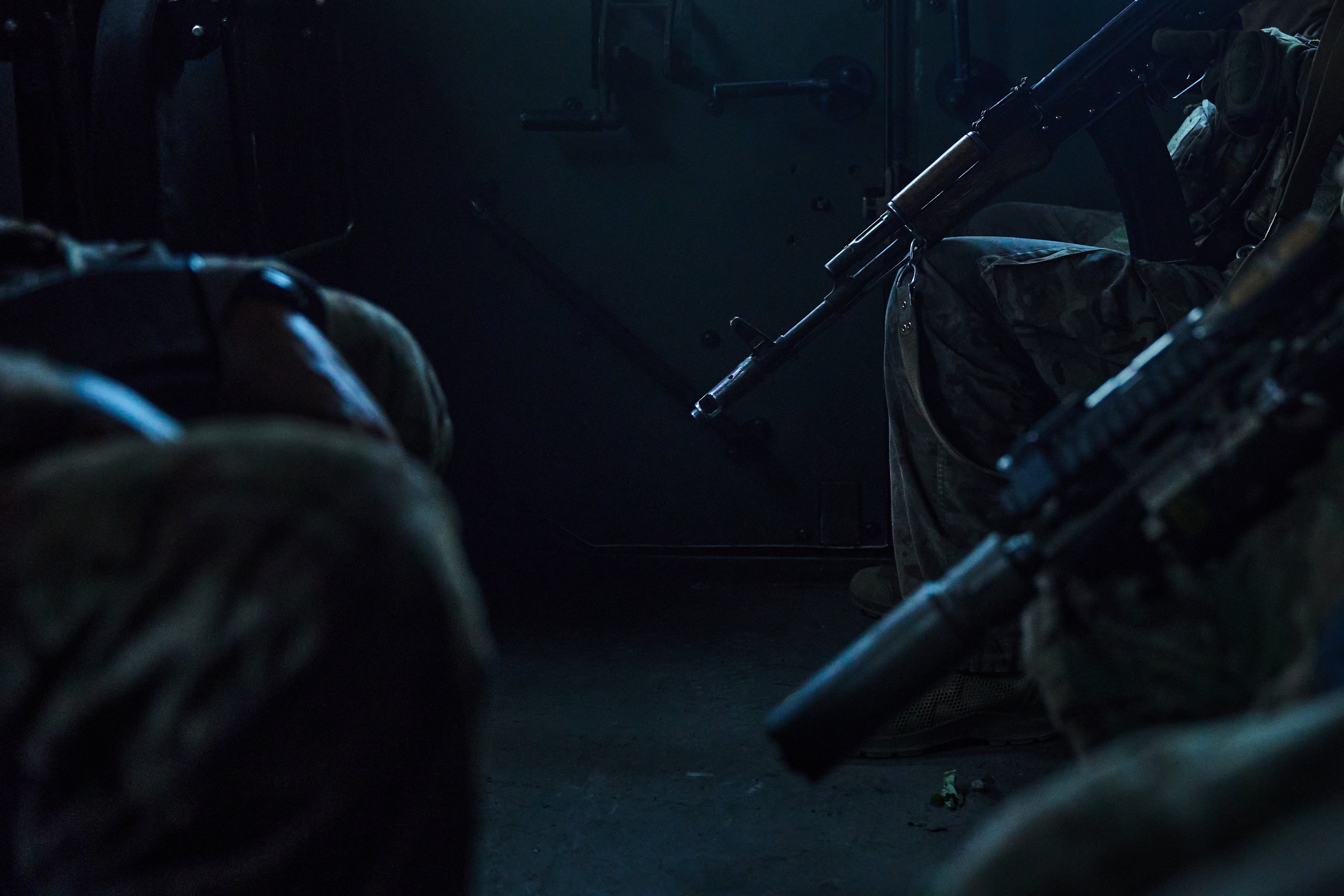
Capturing an enemy soldier alive can have operational value. A prisoner may possess information about troop movements, unit structures, missions, logistics, and the situation on a particular section of the front.
Russian soldiers can surrender to Ukrainian forces, including through Ukraine’s state-run “I Want to Live” project. We published a step-by-step guide explaining how Russian troops can surrender safely and what happens after they become prisoners of war.
Discuss this article:

-111f0e5095e02c02446ffed57bfb0ab1.jpeg "Photo of Roman Kohanets")