- Category
- War in Ukraine
Satellite Images Show Russia Shielding Nuclear Submarines With Anti-Drone Netting 7,400 km From Ukraine
 Prefer U24 Media on Google
- Authors


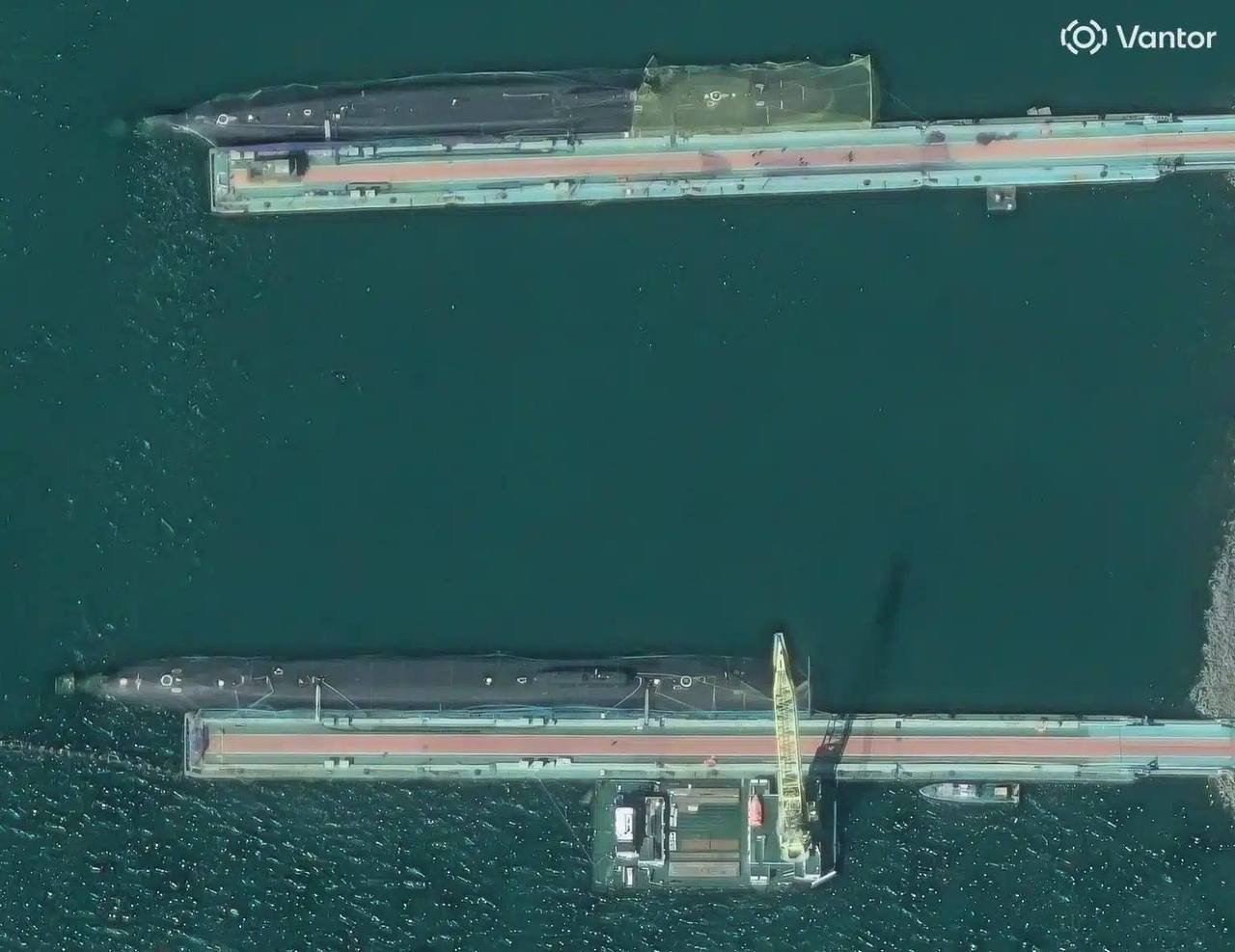
Russia has deployed anti-drone netting over its nuclear-powered submarines at a Far-East naval base in Kamchatka, located roughly 7,400 kilometers from Ukraine.
This was reported by advisor to the Ministry of Defense Serhii Sternenko on May 14.
We bring you stories from the ground. Your support keeps our team in the field.
According to Sternenko’s post on Telegram, satellite imagery of the Rybachiy naval base shows protective net structures installed above at least two nuclear submarines of the Borei and Borei-A classes. The facility serves as a primary homeport for Russia’s Pacific Fleet nuclear submarine force.
These submarines conduct long-range strategic patrols across the Pacific Ocean and are considered a key component of Russia’s naval nuclear deterrent.
Each Borei and Borei-A submarine is equipped with 16 intercontinental ballistic missiles of the RSM-56 “Bulava” type. The base also hosts additional submarines capable of carrying cruise missiles.
In August 2025, another satellite imagery based on Maxar data has provided an updated assessment of Russia’s Rybachiy submarine base in Kamchatka following a powerful 8.8-magnitude earthquake and subsequent tsunami.
According to the analysis, the impact on the facility appeared limited, with only one pier sustaining significant structural damage. No additional widespread destruction from either the earthquake or the tsunami has been identified across the base.
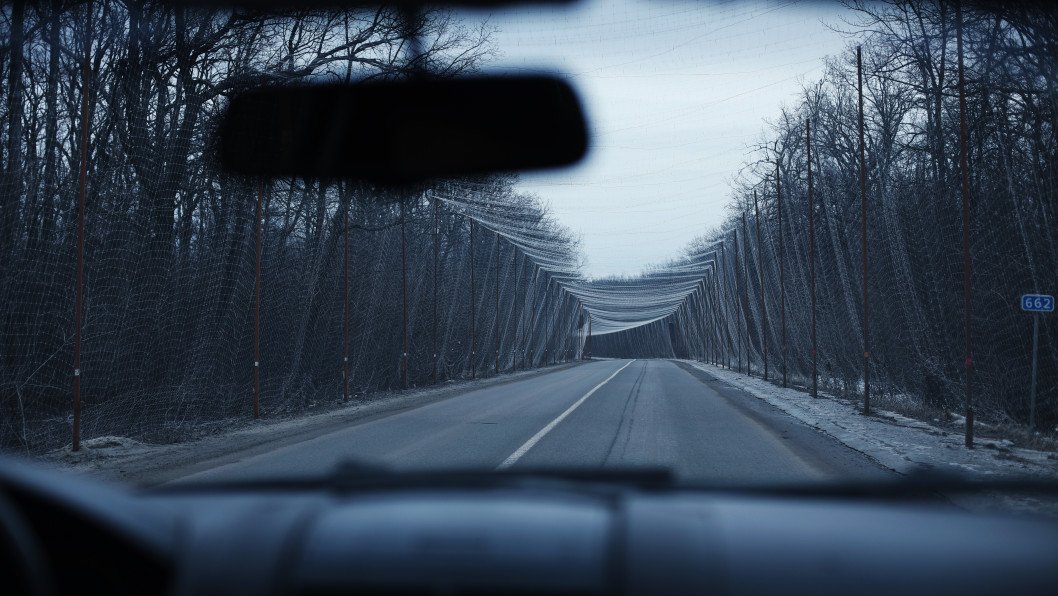
Meanwhile, Ukraine intends to deploy another 4,000 kilometers (approximately 2,485 miles) of anti-drone netting across roadways in frontline and border regions by the end of 2026.
According to the Ukrainian Ministry of Defense, the protective netting is designed to safeguard logistics corridors and civilian traffic in areas near the war zones. The measure specifically addresses the growing threat from Russian forces, who have increasingly utilized drones to target vehicles, first responders, and infrastructure repair teams.
Discuss this article:




-b3edefa350ac9e77d9bc1b18bd02eac6.jpg "Illustration of a Russian Pantsir-S1 air defense system. (Source: General Staff of the Armed Forces of Ukraine)")
-8efe32f0d3a2b8d38c7673d2cb202b11.jpg "A map showing Ukrainian strikes on Russian missile-related facilities in the Nizhny Novgorod and Tver regions on October 9, 2026. (Source: Oleksandr Manukians/UNITED24 Media)")