- Category
- War in Ukraine
Ukraine’s Fire Point Reveals Massive Denmark Rocket Fuel Plant Built for 4,000+ Missiles a Year
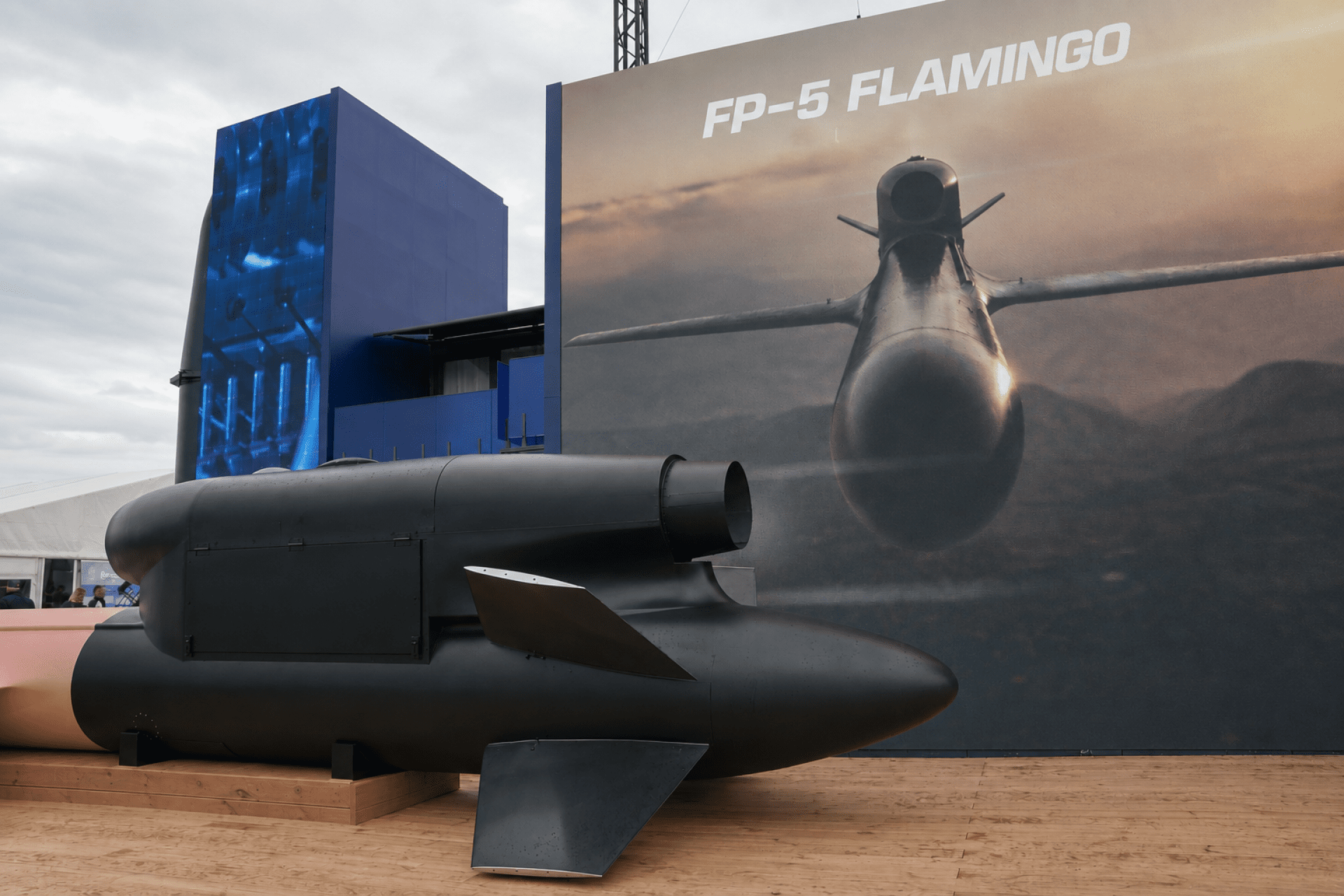
Europe’s missile production is running into a critical bottleneck: solid rocket propellant. Ukraine’s Fire Point is taking production to Denmark, where safety requirements have forced it to build an entirely new factory, complete with 90-centimeter reinforced-concrete walls.
 Prefer U24 Media on Google
- Authors


Ukrainian defense company Fire Point is building its first production facility outside the country—a solid rocket propellant plant in Denmark. The company shared details at a press conference during DALO Industry Days 2026 in Herning, with Fire Point CEO Iryna Terekh and Viacheslav Bondarchuk, CEO of Fire Point Rocket Technologies and the head of the Danish subsidiary.
Inside Fire Point’s Denmark plant
The site will cover more than 120,000 square meters. It'll produce solid rocket propellant for FP-7/FP-7.x engines and boosters for the Flamingo missile—first for Fire Point and Ukraine's own needs, later for other European defense companies too. Capacity will range from 800 to more than 4,000 missiles a year, depending on demand.
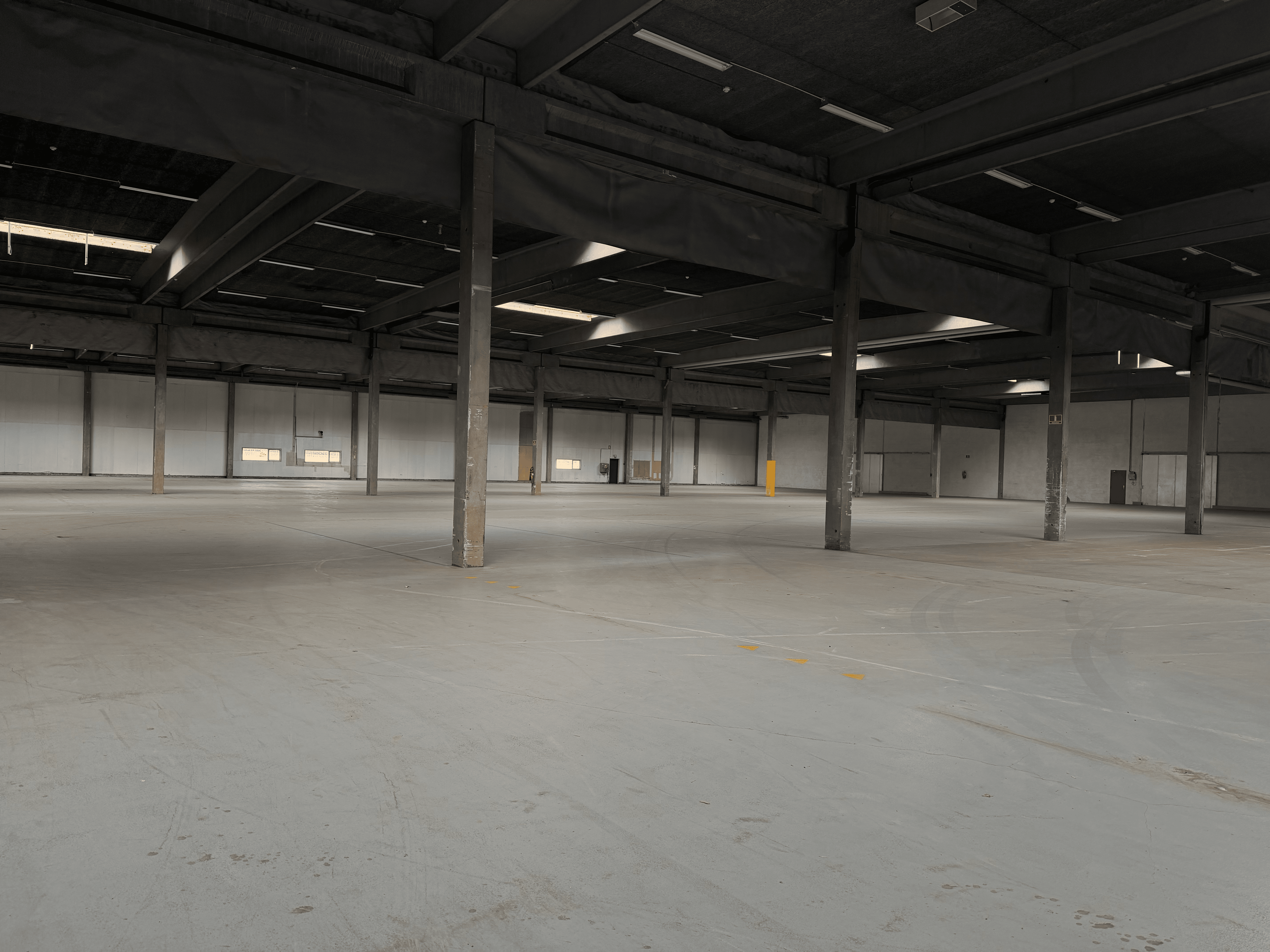
Once production launches, the company plans to hire 300 to 400 workers. The core engineering expertise and IP stay in Ukraine, though—and so does final assembly, at least until the war ends, according to FPRT CEO Viacheslav Bondarchuk.
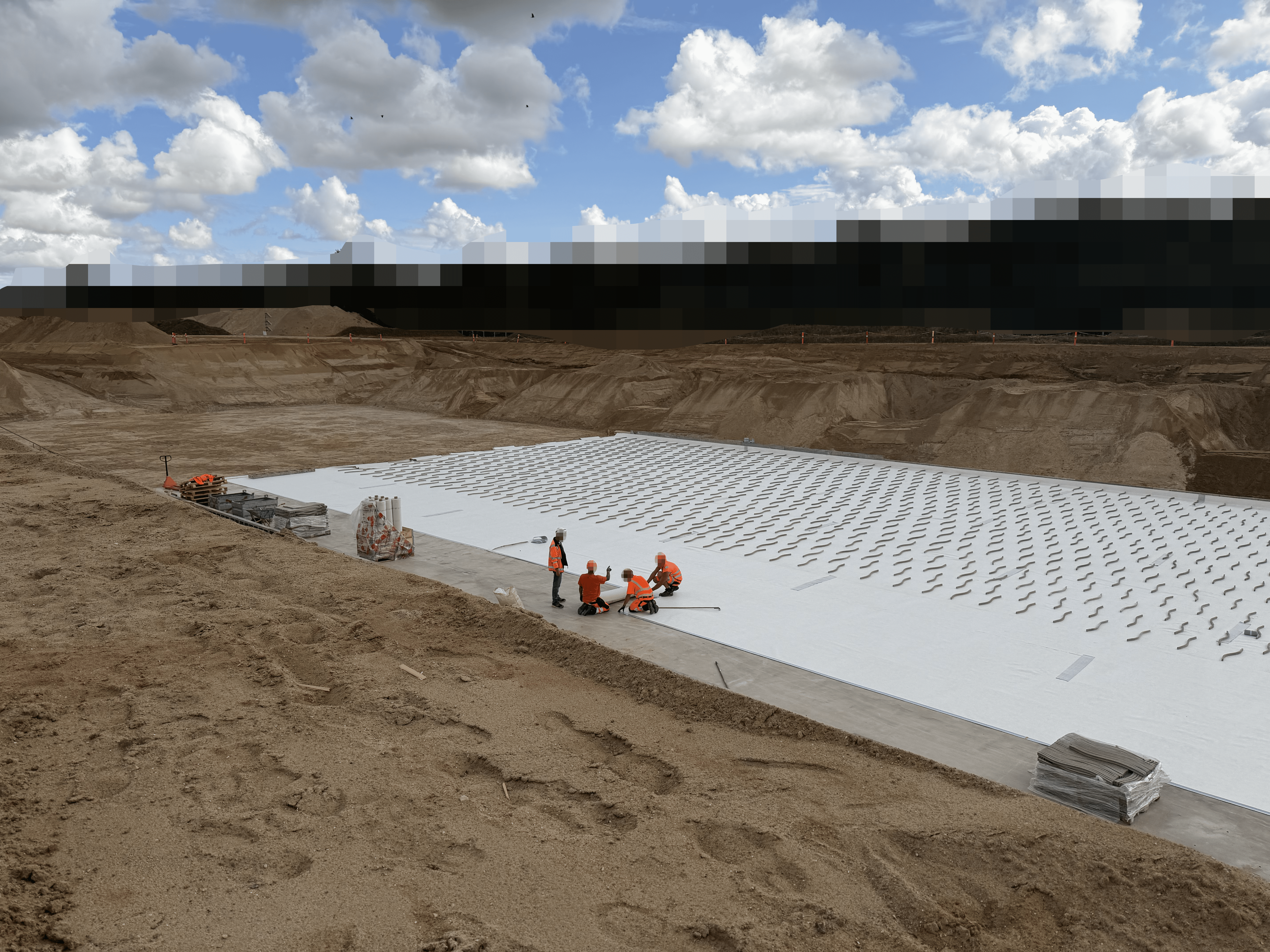
Fire Point already has all the permits it needs to build and start production. There's a catch, though: the building the company bought initially didn't meet Denmark's risk-assessment requirements, partly because that kind of regulatory expertise simply hadn't existed in Europe for years, so some standards were outdated. Now they're building a new one nearby—with 90-centimeter reinforced concrete walls—which will actually house propellant production. That pushed the launch back almost a year, so the company's now targeting the end of 2027. The original building will get a second life, producing rocket motor casings, using carbon filament winding technology.
Why Denmark?
Terekh said the decision came from realizing just how dependent Europe is on outside defense suppliers—mainly the US and China, whose political decisions could shift overnight. Fire Point already runs several propellant factories in Ukraine, but has chosen Denmark to scale up somewhere safer.
The idea itself came about almost by accident—born from a joke with a Danish defense attaché during a routine check of serial numbers on delivered FP-1 drones. He asked how the Danish government might "seduce" Fire Point into coming to Denmark. Three weeks later, that joke had turned into an actual site search in Jutland.
Europe's rocket fuel problem
Fire Point argues the shortage of solid rocket propellant is a fundamental bottleneck across Europe's whole defense industry—one that money alone can't fix, since what's actually missing is physical production capacity. The company frames rebuilding that capability on European soil as another step toward Europe's technological independence.
The bottleneck itself is no secret, and Fire Point isn't the only one racing to solve it. The European Space Agency is developing a new solid-fuel motor for its Ariane 6 rocket, aiming for an industrial capacity of 35-plus units a year—though that's a space program, not a defense one. In Germany, Rheinmetall has teamed up with Anduril on next-generation solid-rocket motors, while MBDA subsidiary Bayern-Chemie and Raytheon are working on a similar effort through their joint venture, COMLOG.
None of it comes close to the scale Fire Point's aiming for in Denmark.
Terekh herself has argued that, given current demand, the Danish plant alone could cover Europe's entire solid rocket propellant shortfall—calling it "the main bottleneck in missile production worldwide."
Terekh also singled out what she calls the “Danish model”—the government's decision to directly fund procurement from Ukrainian manufacturers rather than buy equipment elsewhere and hand it to Ukraine. That, she said, is what let so many Ukrainian defense companies grow and scale up—Fire Point included.

“Denmark had the balls to make a very unfashionable decision at the time,” Terekh said. “And sponsor direct procurement from Ukrainian companies and spend the money on Ukrainian production capabilities instead of ordering useless products in other countries and then sending them to Ukraine or expecting magic to happen.”
Discuss this article:





-c439b7bd9030ecf9d5a4287dc361ba31.jpg "Photo of Katherina Popilnichenko")

-72b63a4e0c8c475ad81fe3eed3f63729.jpeg "Photo of Cyril Barabaltchouk")