- Category
- War in Ukraine
What Will It Take to End Russia’s War? Zelenskyy on What’s at Stake in Abu Dhabi Talks
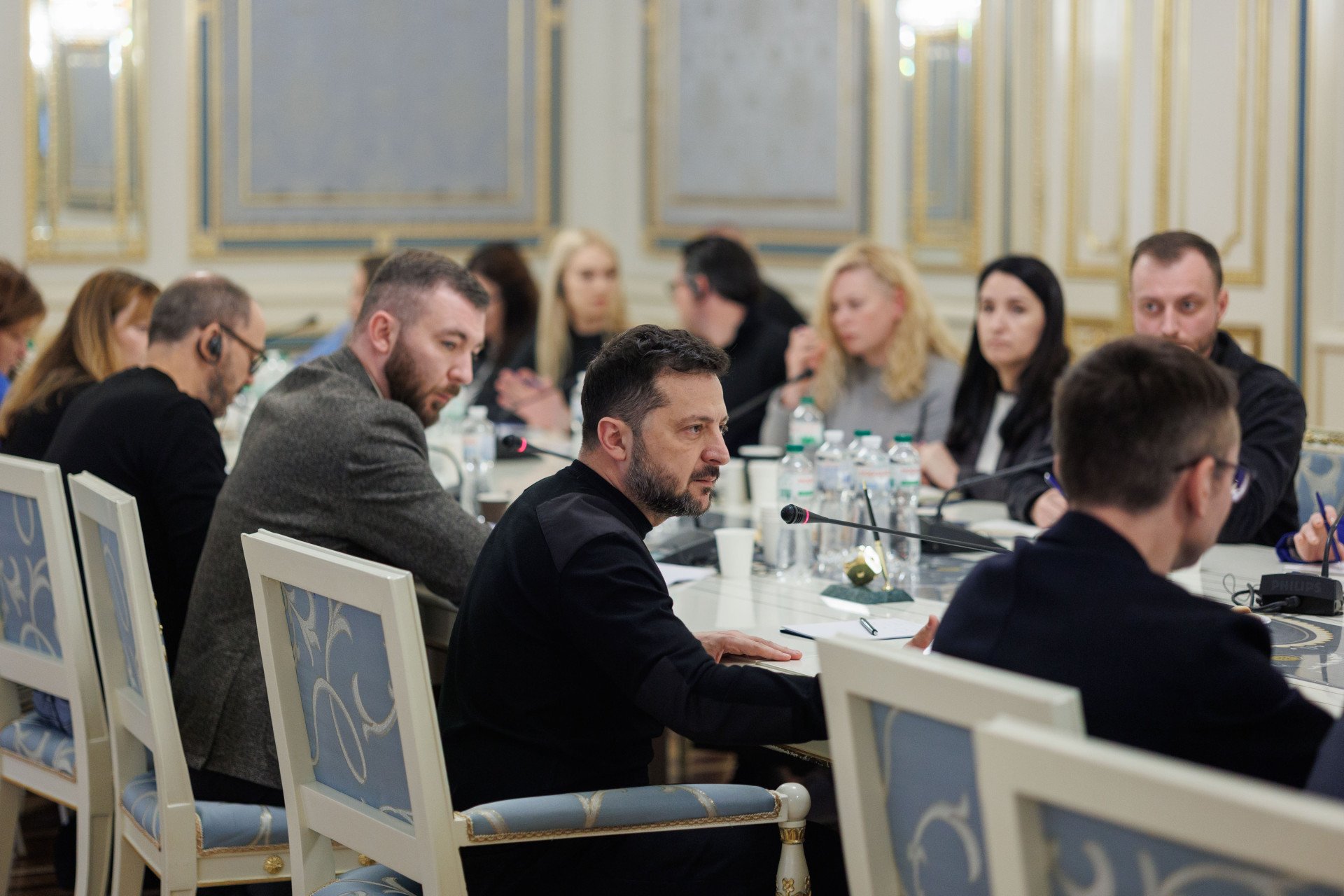
From peace talks in Abu Dhabi to Europe’s role in security guarantees and Ukraine’s air defenses, President Volodymyr Zelenskyy laid out what it would take to end Russia’s war.
 Prefer U24 Media on Google
- Authors


A meeting between Ukrainian, American, and Russian representatives in Abu Dhabi could mark the first step toward a ceasefire in Ukraine, President Volodymyr Zelenskyy says. Europe cannot be excluded from the negotiations. The United States would lead the process, given its ability to influence Russian leader Vladimir Putin.
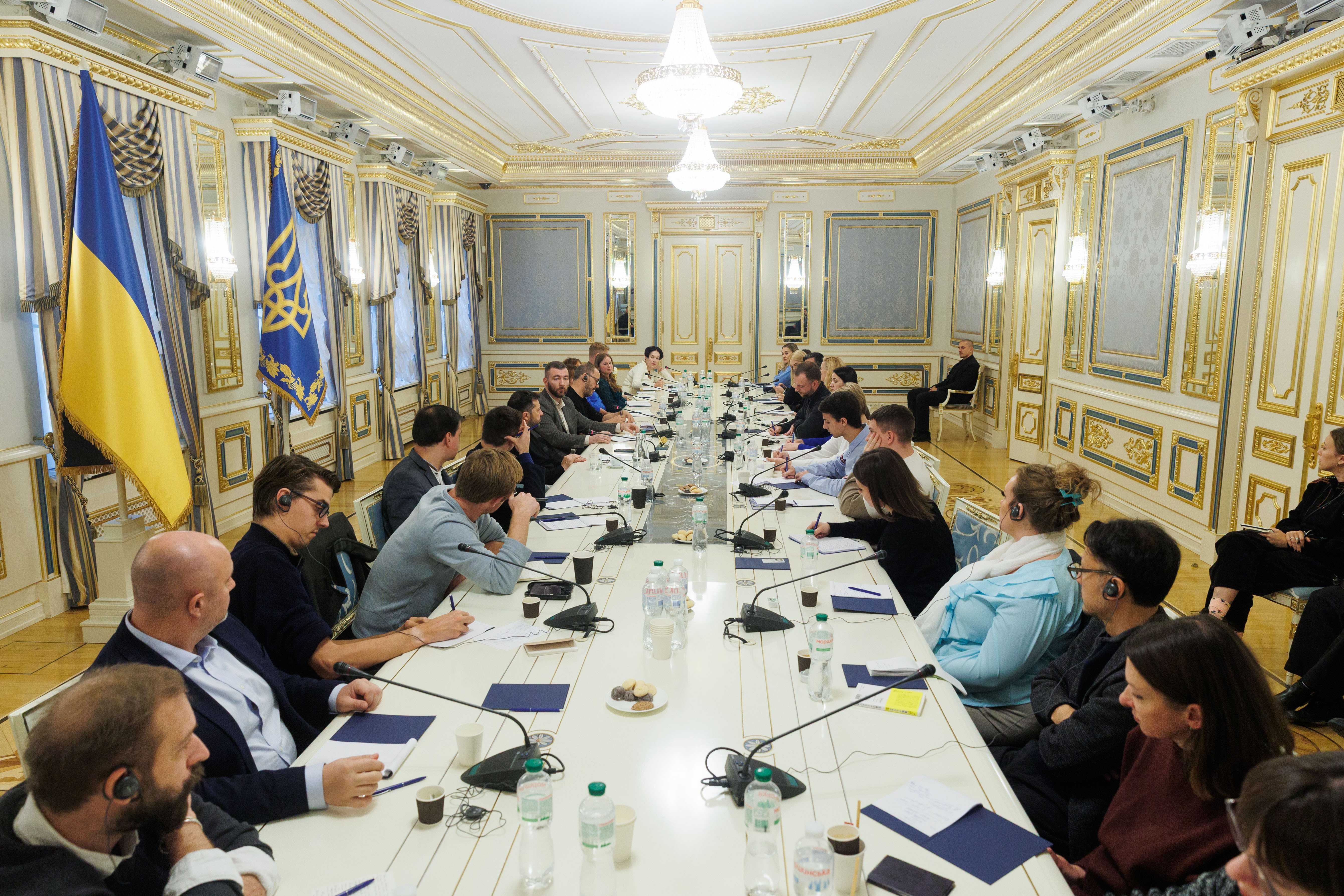
Zelenskyy met with Ukrainian journalists to discuss potential negotiations in Abu Dhabi, talks between the leaders of Norway and Finland, as well as the Russian leader, and other issues critical to Ukraine, including the availability of interceptor missiles for Patriot air defense systems, intelligence sharing, and the Starlink/Starshield system.
Ukraine-Russia peace talks in Abu Dhabi
The meeting in Abu Dhabi depends on the American side, much as the meeting in Brussels did, says Zelenskyy. Ukraine and Russia have both confirmed their readiness to participate, so the course of the process will depend on Washington’s decision.
At the same time, Zelenskyy believes that meaningful negotiations cannot take place without Europe.
Security guarantees cannot be discussed without Europe.
President Volodymyr Zelenskyy
He explained his position by outlining several possible formats:
The first format involves bilateral US security guarantees for Ukraine, based on an “Article 5-like” system.
The second format involves the Coalition of the Willing with a US backstop. This arrangement cannot be discussed without Europe.
The third option is NATO. This, too, cannot be discussed without Europe, particularly the European countries that are members of the Alliance.
Another area of cooperation concerns Ukraine’s postwar reconstruction, economic needs, and challenges. Europe currently finances weapons for Ukraine as well as social spending. Ukraine expects continued support for its reconstruction, something akin to a “Marshall Plan.” Such discussions would be impossible without Europe.
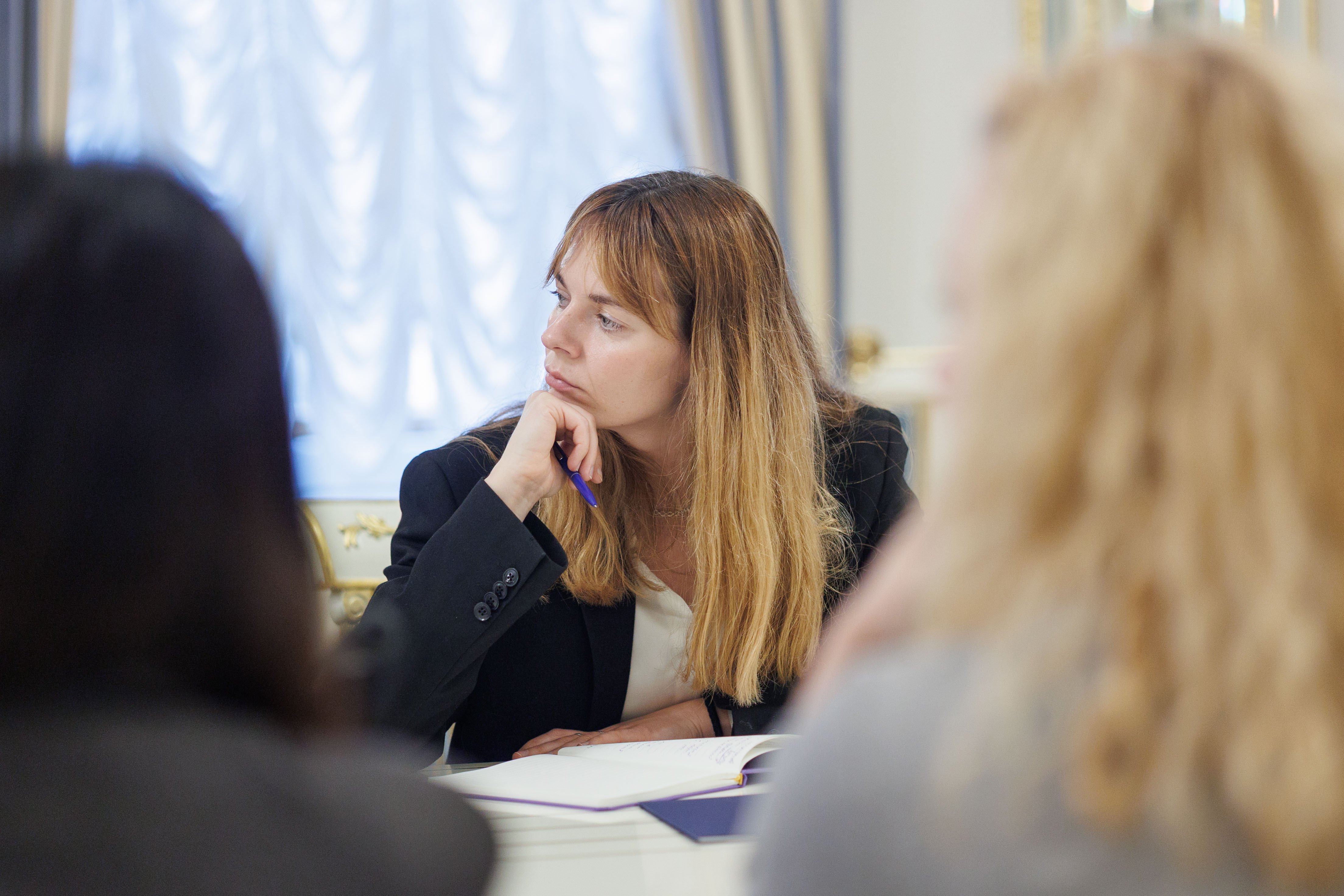
“We can discuss the conceptual issues with the Russians through American mediation,” Zelenskyy said. “But if we move on to the security guarantees format and it’s agreed that these guarantees will require Europe’s involvement, then Europe has to be part of those discussions. And throughout all these years of war, it is Ukraine that has insisted that Europe must be involved in all substantive discussions. And we’ve managed to make this point clear to the other participants and establish it as a requirement.”
The importance of Europe’s involvement also extends to Russia’s renewed demands that NATO return to its borders as they stood at the end of the 20th century.
“They [Russia] want a treaty of their own with NATO, or with the United States as a key player in NATO,” said Zelenskyy. “I don’t know all the details, but any broader security guarantees for Russia cannot be discussed with them until it’s clear how and on what basis their war against Ukraine will end, and until we know what security guarantees we will have. First, we need to resolve the issue of this war, and only then look for answers to the questions Russia is raising based on its own views and expectations about security.”
He added that any retreat or rollback of security commitments would represent a weakness for the Alliance.
Finland and Norway’s talks with Putin ahead of Abu Dhabi peace negotiations
The initiative to speak with Putin came from the leaders of Norway and Finland. In their official statement, they explicitly noted that Norway and Finland represent themselves. They were speaking not simply as European countries but as Russia’s neighbors.
“It is fair that they share this information with all Europeans and discuss the agenda with Ukraine, Europe, and the United States. They want to play a bigger role,” Zelenskyy said. “When it comes to the security guarantees that Ukraine wants to discuss and the security guarantees that Russia wants to discuss, they see this as a serious challenge for them, too—as Russia’s neighbors, as European countries, and as close partners of ours. I have a positive view of these leaders and these countries—we are grateful to them. We’re on a long journey, and we’re making it together.”
Zelenskyy said he had spoken with Norwegian Prime Minister Jonas Gahr Støre and Finnish President Alexander Stubb following their meeting in Oslo and before their contact with the Russian side. They discussed the topics to be raised during the call, and Zelenskyy was subsequently briefed on the conversation. After the call with Putin, Zelenskyy was informed of the results.
“They had the impression the Russians are serious about the meeting in Abu Dhabi,” Zelenskyy said. “The agenda should cover the following issues: initial steps toward de-escalation, the main priorities for the Ukrainian side—particularly security priorities—and, more broadly, ending this war.”
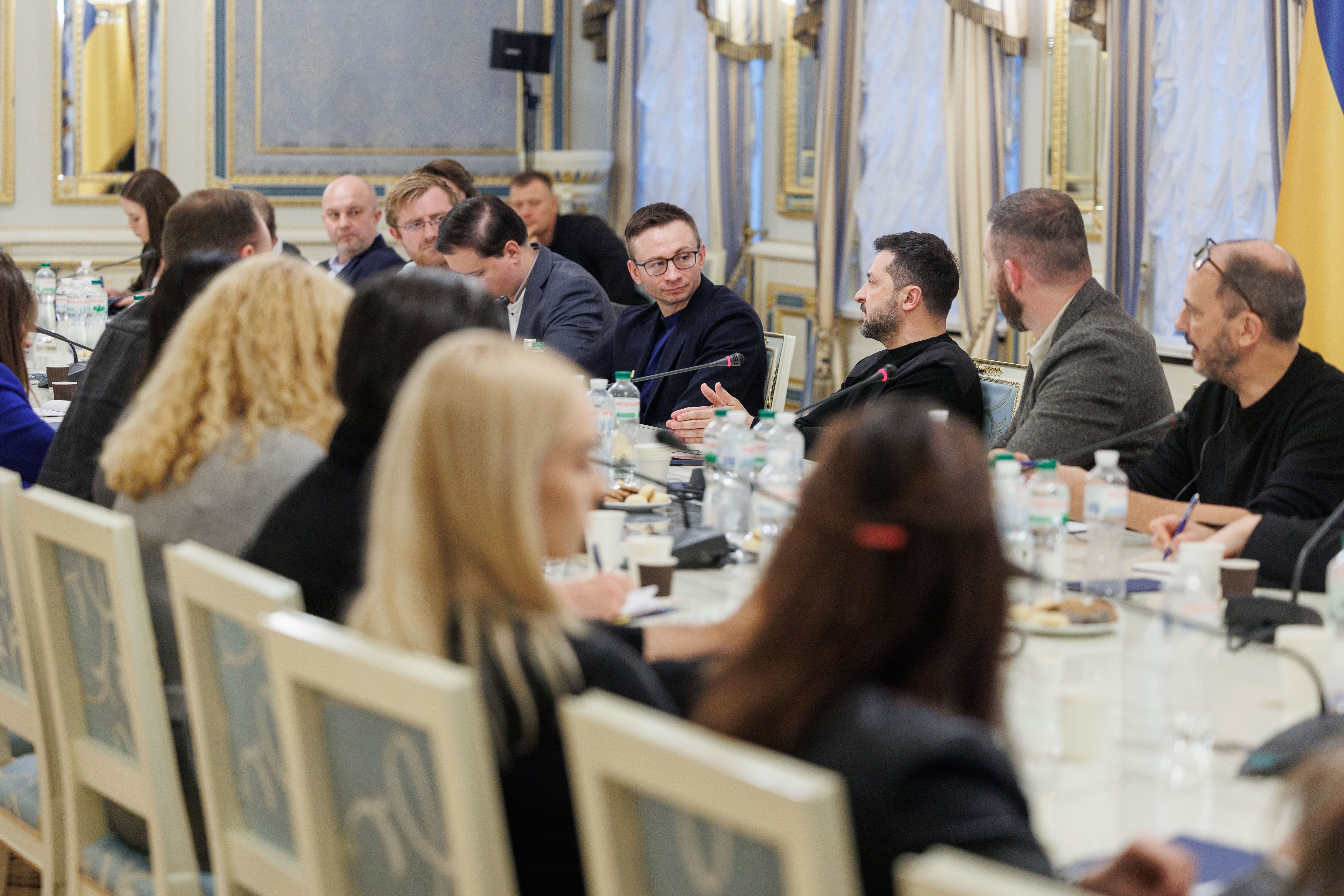
According to Zelenskyy, the technical teams at the meeting will focus on steps toward de-escalation in the energy sector and at sea, prisoner exchanges and their return home, and discussions about the possible format of a trilateral meeting at the leaders’ level.
Security guarantees for Ukraine remain a key issue.
Russia’s territorial demands
Russia ties territorial issues to ending the war and determining the nature and scope of security guarantees, as those guarantees would apply to the territories controlled by each side.
Zelenskyy explained that one of the alternative proposals put forward by the American side, dating back to the “28-point plan,” involved demilitarized zones. The idea was subsequently discussed in different ways across various documents.
However, a number of questions remain unresolved:
What will happen to the Zaporizhzhia Nuclear Power Plant?
What will happen to certain territories that the Americans proposed addressing through “land swaps”?
The Donbas issue: There was a proposal to establish a buffer zone or demilitarized zone on both sides of the line of contact. As a compromise, the Ukrainian side was prepared to discuss this option.
The Kinburn Spit: A proposal involving the demilitarization of one section, which could be placed under Ukrainian control.
“All these issues concern territory,” Zelenskyy said. “They can be set out in different formats, and that is what happened. When the diesel deal happened, our teams discussed all these issues, and the American side once again raised the question of demilitarized zones. I saw this in some of the documents the Americans have. For now, we’re not taking this issue any further. We’re ready to discuss the issue of territories because the Russians keep wanting to discuss it and make it part of the agenda. But that requires meetings at the appropriate level. This isn’t the kind of issue that can supposedly be resolved through drafts, preliminary conversations, or anything of that sort.”
US-China-Russia summit
Very little is currently known about a potential meeting between the three major powers, said Zelenskyy.
However, he believes Russia may be the most eager to hold such a meeting, as it would provide an opportunity to demonstrate its importance and emerge from isolation for a second time following the Alaska meeting.
“They will certainly discuss Ukraine,” said Zelenskyy. “We really don’t want this to turn into ‘Yalta 2, 3, 4,’ with a redistribution of influence. I would even say not influence, but ideas—that they can redistribute it like that. The world we live in today is different. This fragmented world is very different from the world of World War II, both before and after the war. It’s a completely different technological world. I don’t think it’s possible to simply divide things up among the three of them. Although Russia very much wants that. I would pay attention to who wants this meeting the most.”
It is extremely important for the meeting in Abu Dhabi to take place before such a summit, he said.
It is also important to understand that Russia is helping Iran, which means the Middle East will be raised during talks between the countries’ leaders.
If the Republican Party’s influence declines, Russia will provide even more assistance to Iran, Zelenskyy says.
“Why have we always appealed to President Trump openly and frankly, urging him to take action against Putin and his aggression?” said Zelenskyy. “Because he can, and this could really help contain the war. It’s not just within his power; it's also a matter of his capabilities and his response. President Trump can do it if he wants to. We didn’t get that. That’s a fact. But I believe all of Putin’s games involving ‘economic proposals’ through Dmitriev are working. They’re definitely working in Russia’s favor. They dragged out all the negotiating processes with us as long as they could, until the elections, without any serious results in terms of de-escalation, so they can see what happens next and whom to negotiate with next. That’s how I would put it. And to prevent any new US sanctions. We’ll see. It all depends on the choice of the American people.”
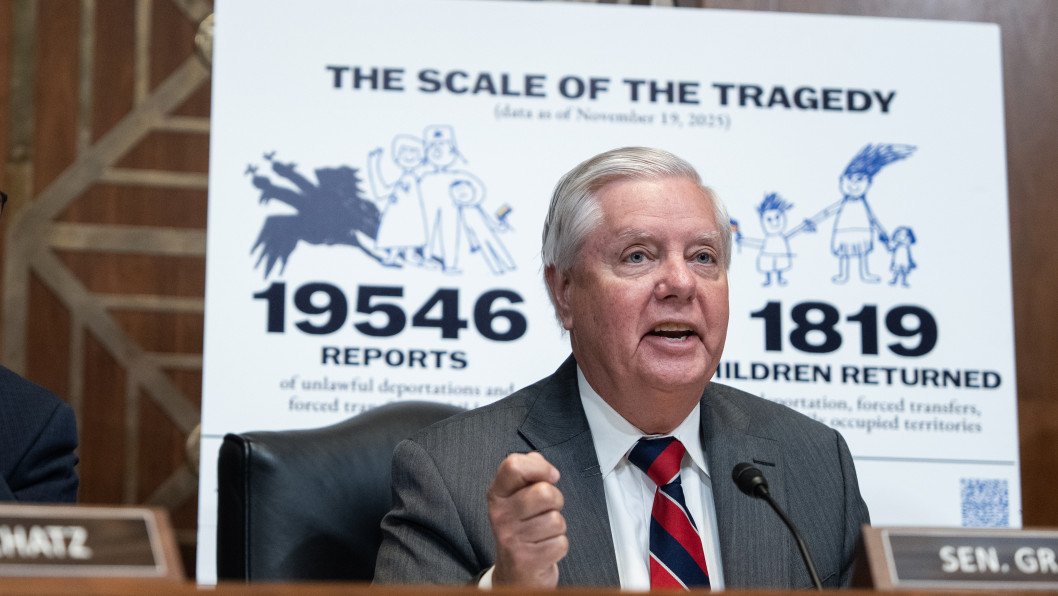
Ukraine’s air defense: Patriot missile shortages and military aid
Intelligence sharing has now resumed.
“We are grateful to our American partners,” said Zelenskyy. “To everyone who made this happen: President Donald Trump, the military, and everyone who helped.”
However, interceptor missiles remain a major challenge.
Ukraine receives 12 Patriot air defense missiles per month, or approximately 150 per year. At the same time, Ukraine needs to intercept 150 ballistic missiles every month.
“I’m speaking about this openly now as I understand that we want the Americans to start signing off on the supply of antiballistic missiles—interceptor missiles—to Ukraine from the countries we’ve reached agreements with,” Zelenskyy said. “Because without Hegseth’s signature, it’s simply impossible.”
The broader challenge extends beyond interceptor missiles to the entire procurement process under the PURL mechanism, which covers a wide range of equipment, including 20mm ammunition for F-16s, HIMARS, Patriots, and AIM missiles.
In many cases, US approval is required.
“There are some documents specifically on Secretary Hegseth’s desk that he has signed,” said Zelenskyy. “He may think he has signed everything, but that’s not the case. That’s because there is a package from the United States for 12 missiles, and he signed it.”
Yet, due to relentless Russian strikes, Ukraine used “35 this month,” said Zelenskyy. “The question is about the other 23, which I found through other channels.”
He was referring to the fact that other partners must also coordinate the transfer of military assistance with the United States.
At the same time, Ukraine is prepared to suspend strikes on oil refineries in exchange for Patriot missiles and already demonstrated this willingness in October.
Zelenskyy said he told the military, “‘Let’s respond calmly by striking other targets for at least 72 hours. We won’t touch the oil refineries.’ Nobody thanked us for that.”
Starlink and Starshield disruptions and how Ukraine’s air defenses were affected
A similar issue concerns Starlink systems, which stopped working on October 14.
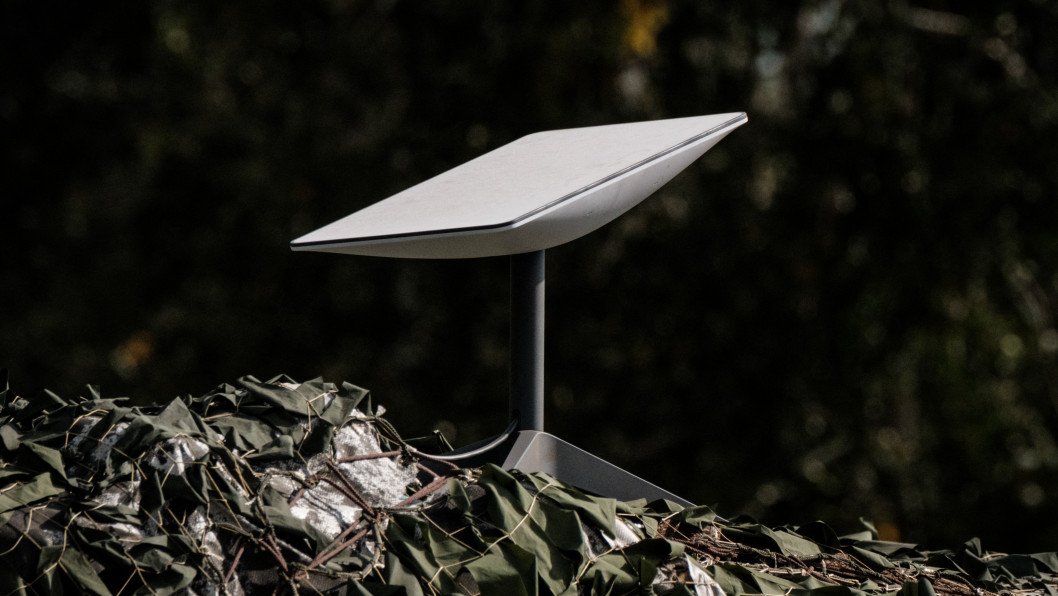
Zelenskyy explained the problem in two parts:
The use of Starshield against Russian forces. When Elon Musk said Ukraine was using Starshield against the Russians, that was true—but it was being used against Russian forces on Ukrainian territory. This was not “offensive” but “defensive,” and those are two different things. Ukraine uses these systems against Russian troops on Ukrainian territory, not on Russian territory. Those troops came to Ukraine to kill Ukrainians.
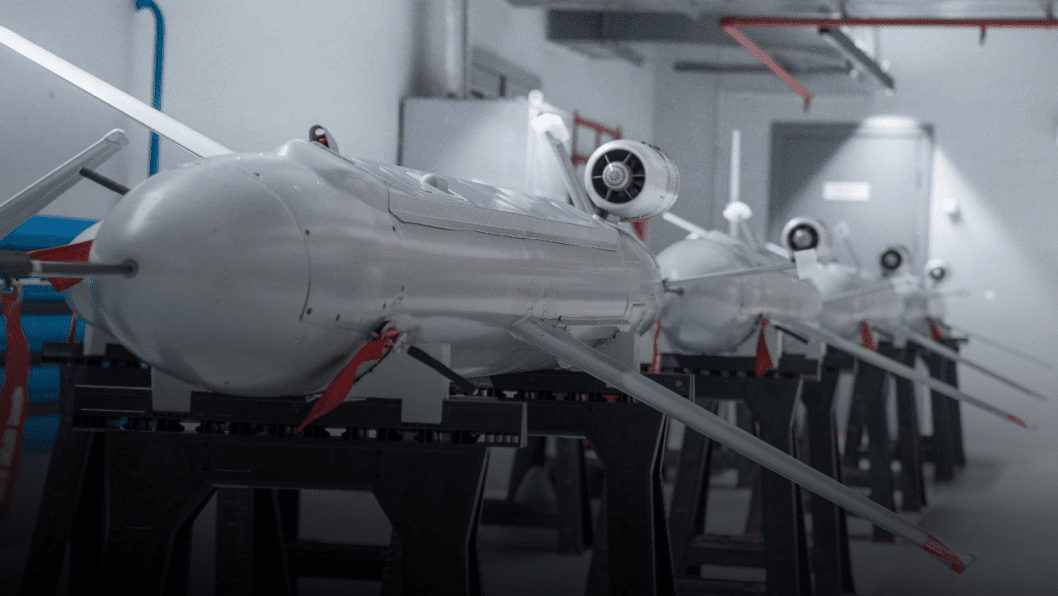
The Bars missile and the interception of jet-powered Shahed drones. Ukraine’s Bars missile is capable of intercepting jet-powered Shahed drones, and Starshield was used for precisely this purpose. As a result of the system’s disruption, civilians were killed because the interception rate declined.
Finally, Zelenskyy thanked Melania Trump for helping establish a period of calm in Oleshky, which could help avert a humanitarian catastrophe in the region.

Wartime elections—why a ceasefire is necessary
Another issue addressed was elections.
“How can we hold elections during a war?” said Zelenskyy. “This would definitely divide our country and break it apart. That’s what I think. In my view, many people share this opinion. The law and the Constitution clearly answer this question, because everything is laid out there accordingly. But if the answer provided by Ukrainian law and the Constitution, the political answer, and the public answer that elections cannot be held during the war aren’t enough, then we need to find some other answers.”
Security is the foremost concern, he said.
There are also numerous other questions: How can a service member vote? How can someone living in a temporarily occupied territory vote? How can millions of Ukrainians living abroad vote? How can people vote while missiles and ballistic weapons are striking? How can elections take place amid massive attacks involving Shahed drones and ballistic missiles?

“If America and Russia continue pushing this issue, hiding behind the phrase ‘democratic elections’ and simply trying to replace me, then I’ve given my answer: give us a ceasefire for a set period of time so we can resolve the main security issues,” Zelenskyy said. “Then it may be possible for the people of Ukraine to decide for themselves how to respond politically.”
Discuss this article: