- Category
- World
Belarus Sets Up Closed Military Zone Inside Minsk Railway Control Center
 Prefer U24 Media on Google
- Authors

-111f0e5095e02c02446ffed57bfb0ab1.jpeg "Photo of Roman Kohanets")
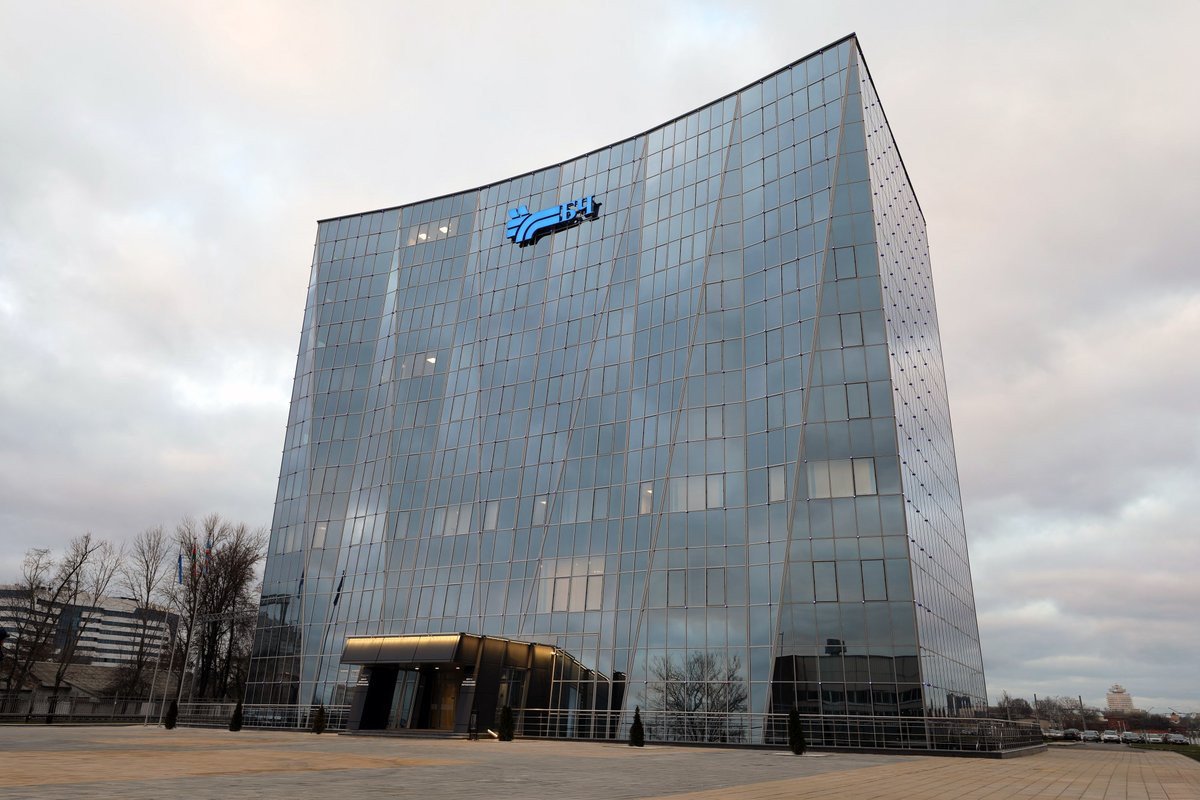
Belarusian military structures have been provided with an entire floor of the Belarusian Railways traffic control center in Minsk, creating a permanent, closed military zone within one of the country's key transport management facilities.
The arrangement was detailed by the Belarusian railway-monitoring group, the Community of Railway Workers of Belarus, which cited its own sources and reported that the military contingent has been operating at the site for roughly a year.
We bring you stories from the ground. Your support keeps our team in the field.
At the core of the group are Belarus's military transport agencies—the Military Transportation Service, known as VOSO, of the Ministry of Defense, the body responsible for organizing and escorting military rail shipments.
It also includes personnel from communications units, classified information protection and other support branches of the Belarusian Armed Forces. The shift marks a move beyond the earlier pattern of occasional visits and meetings toward full integration of the military into the railway's traffic-management system.
The military was handed the entire eighth floor—roughly 600 square meters of offices—of the building on Steklyany Lane in Minsk that houses the traffic-control center, the report noted.
Inside, the floor was reconfigured: several rooms were partitioned off, and a former conference hall was split with dividers into separate work areas. Access for ordinary railway employees was cut off entirely, with entry now possible only by special passes issued to a small, vetted circle whose size has not been disclosed.
A round-the-clock armed post staffed by the resident military personnel now guards the entrance, and stairwell exits on the level have been sealed. The elevator still reaches the eighth floor, but that exit is reserved for the military; ninth-floor staff are now forced to get out at the seventh floor and climb two flights on foot.
The number of servicemen stationed at the center has not been made public, though sources estimated 20 to 30. That figure exceeds the requirements for routine escort of individual military trains, suggesting a broader role within the hub.
A military presence at the center is not new in itself. The building's original design set aside a single room on the sixth floor for the military communications commandant's office, but it was a limited arrangement with only a few workstations.
The current footprint differs fundamentally in scale, and sources traced the formation of the closed structure to about a year ago, during preparations for the Zapad-2025 military exercises.
The traffic-control center manages operational dispatch for all rail movement—train control and coordination with stations, regional divisions, and neighboring railway administrations. Matters related to military transport are now reportedly routed directly to the officers based there, shortening approval chains and narrowing the circle of those informed.
-1d9fa7480e5881fc68e774e53f4fa441.jpg)
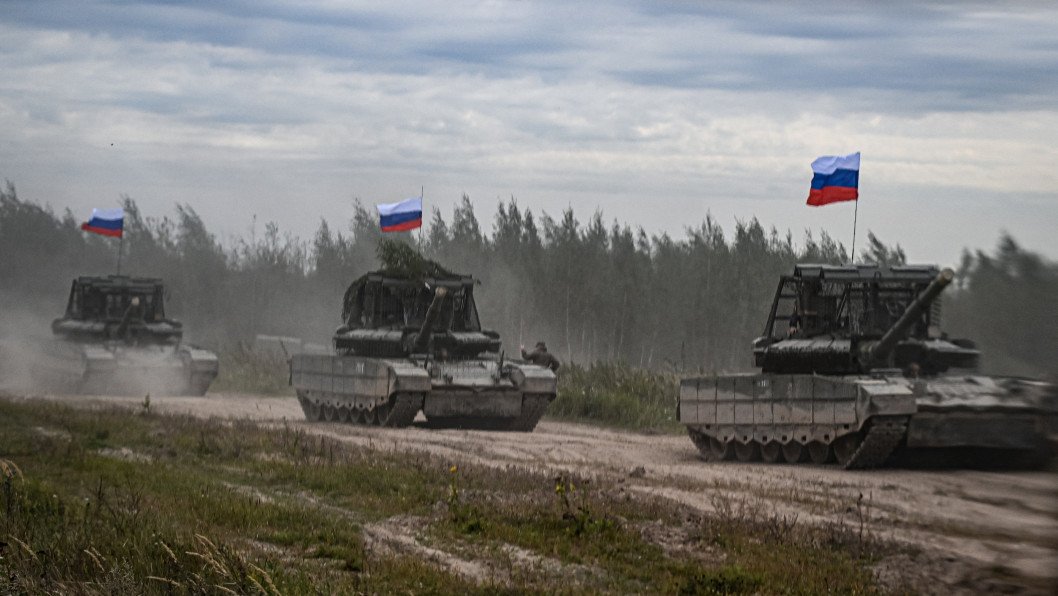
The change comes amid continued military rail shipments and the use of railway infrastructure in Russia's interests, alongside a broader tightening of military control over Belarus's transport system.
In effect, a closed military zone has been carved out of the network's main control center, off-limits to nearly all of the railway's own staff. This represents a shift from merely coordinating military transport with the railway to a standing military presence inside one of its core management facilities.
The use of Belarusian rail infrastructure to move Russian military cargo has drawn mounting scrutiny. Transport records indicated that a large Russian military train—dozens of flatbed railcars and wagons, including one designated for explosive materials—arrived near the former Krychev-6 airfield in eastern Belarus in late December 2025.
The shipment, dispatched from Russia's Kapustin Yar missile range, was linked to the Oreshnik intermediate-range ballistic missile system, and no return movement had been recorded months later.
Discuss this article:





-c439b7bd9030ecf9d5a4287dc361ba31.jpg "Photo of Katherina Popilnichenko")