- Category
- World
Kazakhstan Denies Drones Targeting Russia’s Omsk Oil Refinery Were Launched From Its Territory
 Prefer U24 Media on Google
- Authors

-72b63a4e0c8c475ad81fe3eed3f63729.jpeg "Photo of Cyril Barabaltchouk")
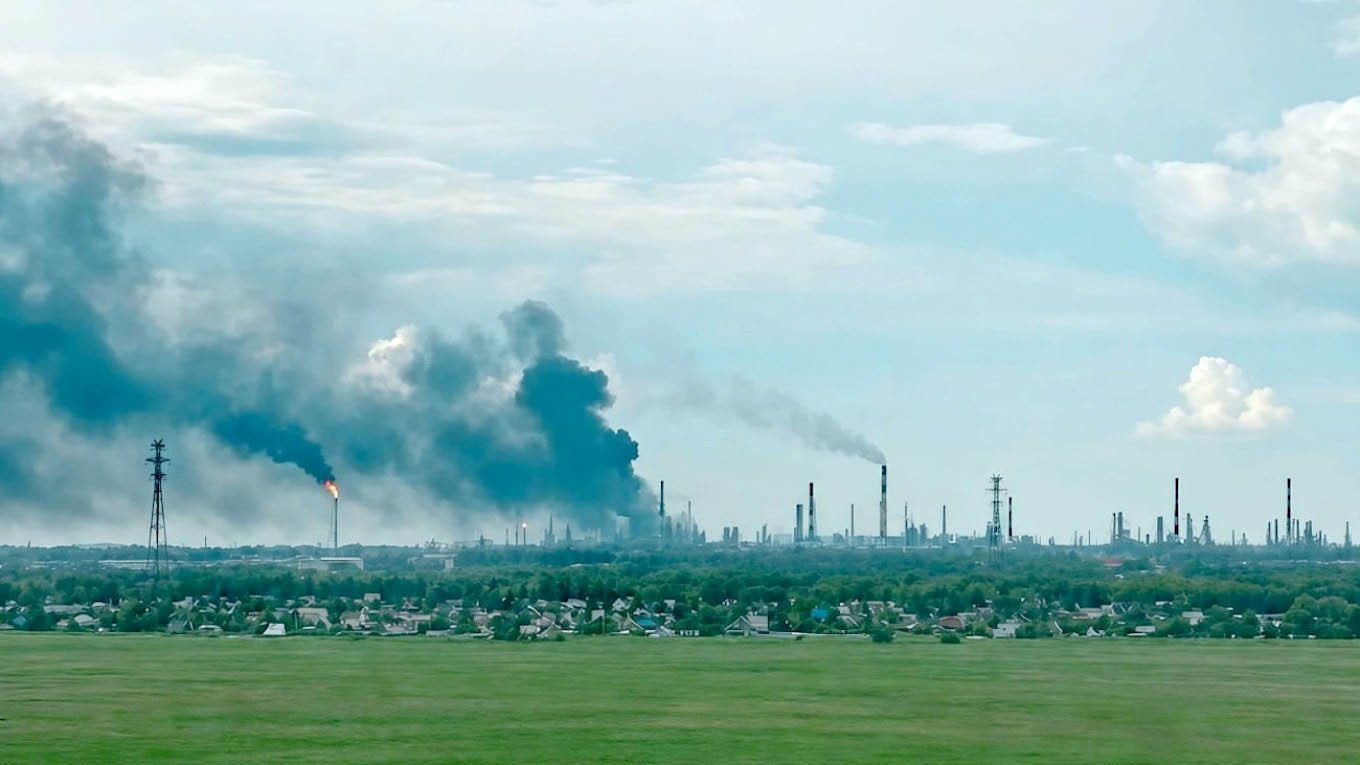
Kazakhstan’s Ministry of Foreign Affairs has firmly rejected allegations from Russian media outlets and commentators claiming that drones involved in a recent attack on Russia’s Omsk region were launched from Kazakh territory, Tengrinews.kz reported on July 9.
The official response followed reports across several Russian publications suggesting that the geographical proximity of the Omsk region to the Kazakh border indicated a potential cross-border launch site.
We bring you stories from the ground. Your support keeps our team in the field.
In a direct statement provided to Tengrinews.kz, Kazakh diplomats categorized these theories as provocative and entirely detached from reality. “The Ministry of Foreign Affairs of the Republic of Kazakhstan responsibly states that these allegations are not true and are not supported by any data or facts,” the ministry noted, emphasizing that it regards the claims as “unfounded insinuations aimed at distorting the traditionally friendly nature of Kazakh-Russian relations, which continue to develop in the spirit of comprehensive strategic partnership and alliance.”
The diplomatic showdown happens following a long-range Ukrainian drone strike that targeted Russia’s largest oil refinery in Omsk earlier in the week.
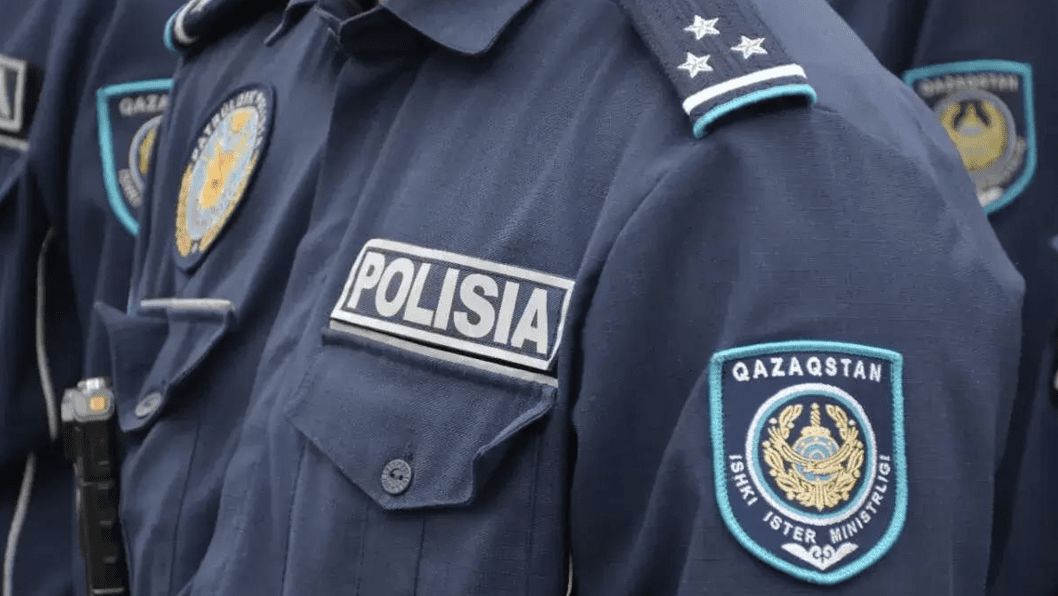
According to the Tengrinews.kz coverage, the ministry declared that the state “proceeds from the fact that its territory, airspace, and infrastructure cannot be used to carry out actions directed against other states.” Kazakh officials concluded by urging media organizations to rely strictly on verified facts and refrain from propagating unconfirmed theories that could damage regional stability.
The diplomatic tension follows a long-range Ukrainian drone strike that targeted Russia’s largest oil refinery in Omsk, forcing the facility to halt processing operations. The attack heavily damaged a primary crude distillation unit and forced a second major unit offline due to severed network links.
Together, the offline units represent approximately 75% of the Siberian plant’s total capacity, disrupting regional fuel production and forcing a suspension of gasoline and diesel sales on the domestic mercantile exchange.
Discuss this article:


-c439b7bd9030ecf9d5a4287dc361ba31.jpg "Photo of Katherina Popilnichenko")