- Category
- World
Lithuanian FM Says NATO Could “Level Russian Air Defense Bases” in Kaliningrad if Needed
 Prefer U24 Media on Google
- Authors


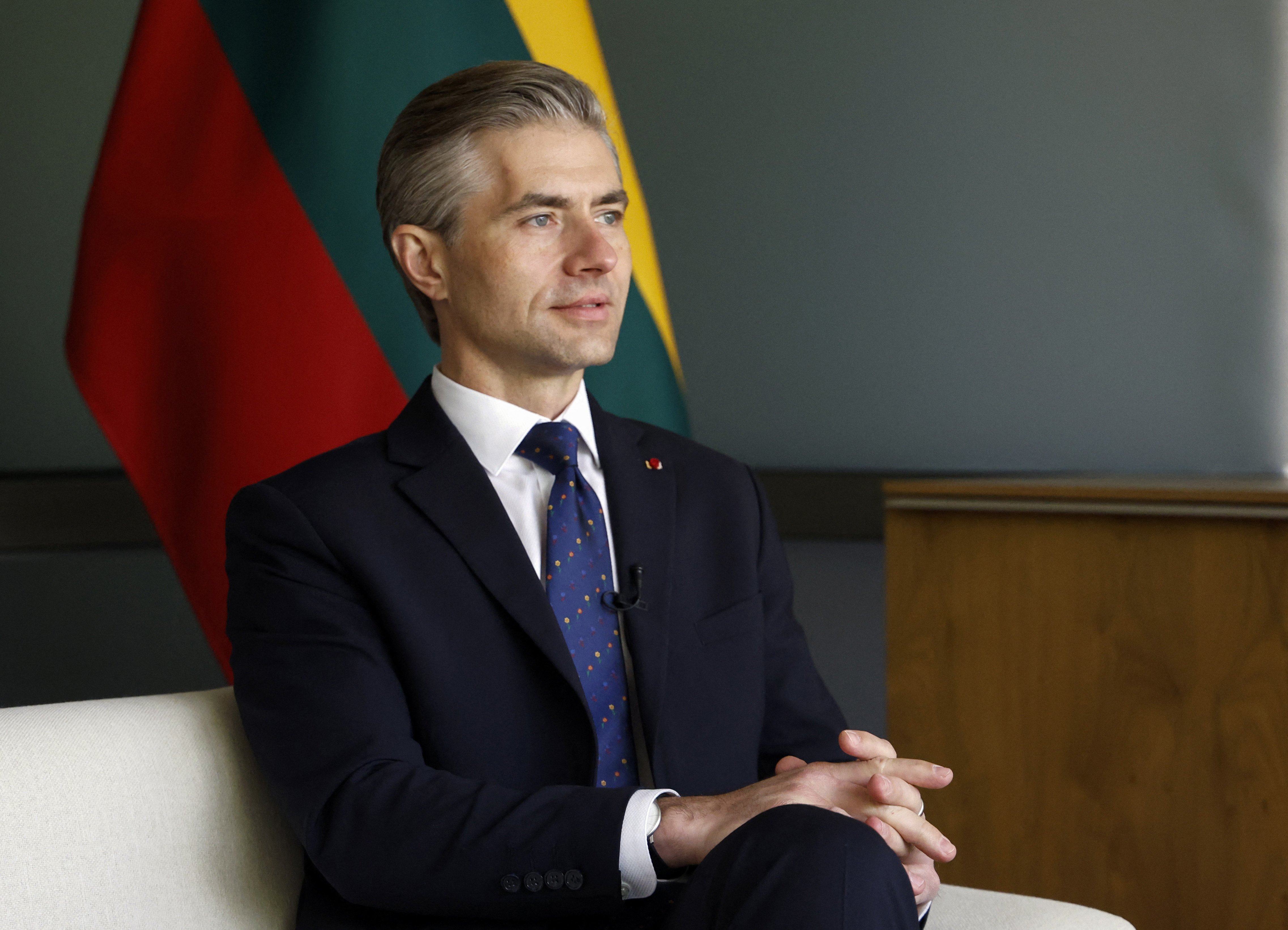
Lithuanian Foreign Minister Kęstutis Budrys has said that NATO possesses the capability to destroy Russian military bases in Kaliningrad if such a necessity were to arise.
He made the remarks in an interview with Neue Zürcher Zeitung on May 18, warning that Europe must not underestimate the risks posed by a potential confrontation with Russia.
We bring you stories from the ground. Your support keeps our team in the field.
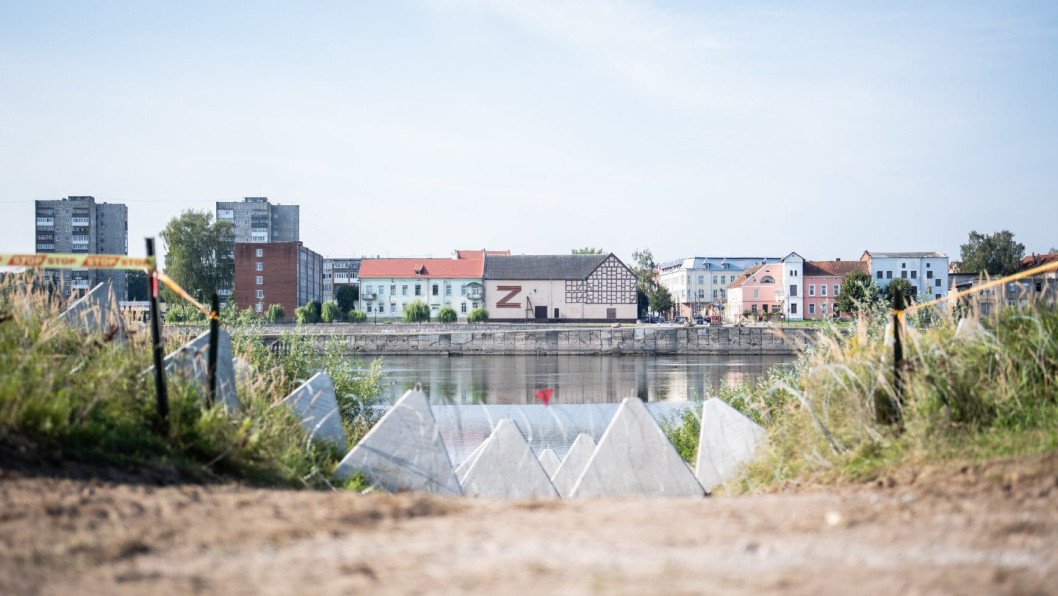
According to Budrys, Russia has turned Kaliningrad into a “small fortress” equipped with air defense systems and missile complexes. However, he stressed that the Alliance has the means to neutralise these assets in the event of a war.
“We must show the Russians that we are capable of breaking through their small fortress, which they have built in Kaliningrad. If necessary, NATO has the means to level the Russian air defense bases and missile bases located there,” he said.
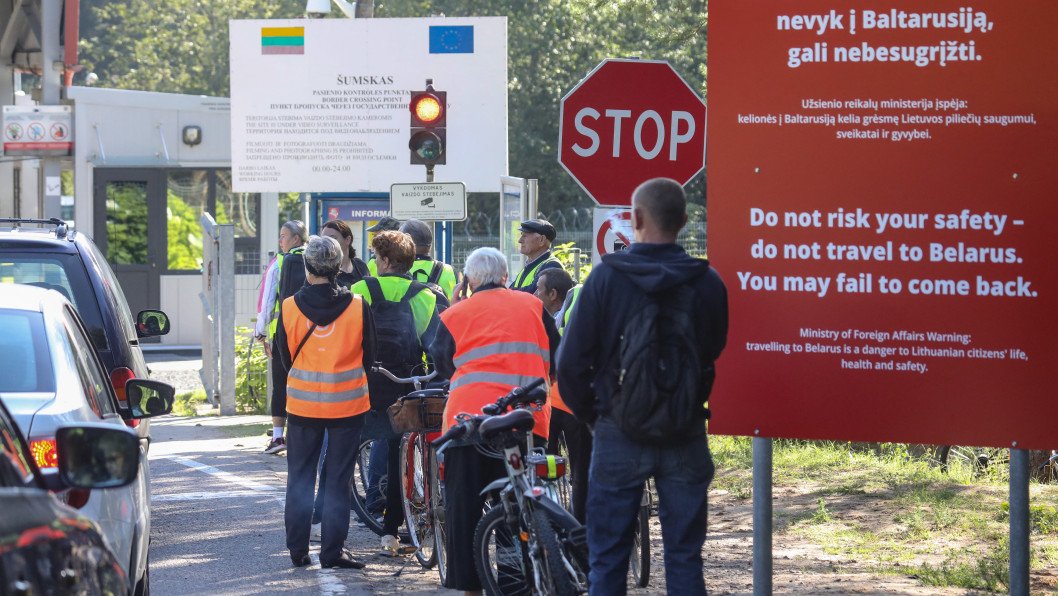
The Lithuanian minister also cautioned against the belief that any future conflict with Moscow would be geographically limited to NATO’s eastern flank, arguing that the consequences would be felt across the entire European Union.
“The idea that a conflict with Moscow would affect only Russia’s immediate neighbours is a dangerous mistake. This is part of Russian propaganda. If the frontline collapses, everything will collapse—the EU, the economy, the social order. There is no safe village in Western Europe that would avoid the consequences of war. We must finally honestly assess the cost of a lack of deterrence,” Budrys said.
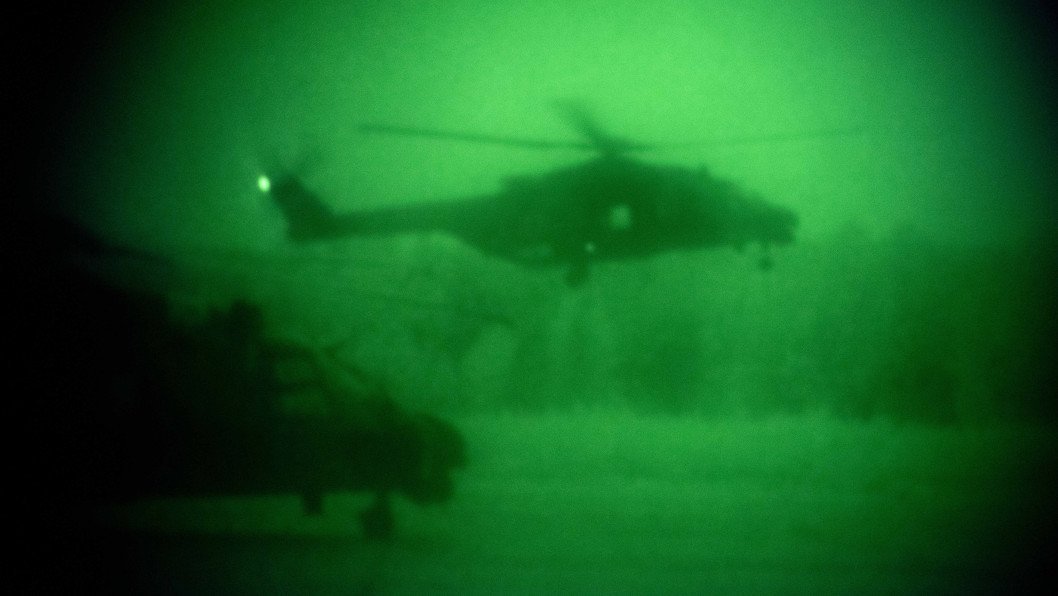
Budrys further noted that European countries should strengthen their defense capabilities and reassess their security architecture in the context of a potential reduction in the United States’ role in protecting the continent.
“Many of our plans are still based on the assumption that America provides critical military capabilities, such as satellite reconnaissance. But if we want to defend Europe on our own, we will have to rethink everything—even nuclear deterrence. It is impossible to deter a nuclear power like Russia without our own nuclear counterweight. As long as the US nuclear guarantee remains in place, we Europeans can focus on the conventional front,” he added.
Meanwhile, Ukrainian Foreign Minister Andrii Sybiha has said that Ukraine will support Latvia, Lithuania, and Estonia in countering Russian disinformation campaigns and false narratives related to the alleged use of Baltic airspace by Ukrainian drones.
Speaking to reporters, he stressed that Moscow is actively intensifying its disinformation efforts in the Baltic states, particularly by promoting claims that their airspace is being used for Ukrainian drone activity.
“The Russians are particularly active in spreading disinformation in the Baltic states. They are sending the message that you have provided your airspace for the use of Ukrainian drones. There are also other aspects,” he said.
Sybiha added that the Baltic countries have requested Ukraine’s assistance in helping to reduce tensions and respond to these narratives amid escalating Russian information pressure.
The Baltic states are also developing emergency evacuation plans amid rising security concerns linked to Russia’s expanded military spending and increasingly assertive posture following its full-scale invasion of Ukraine.
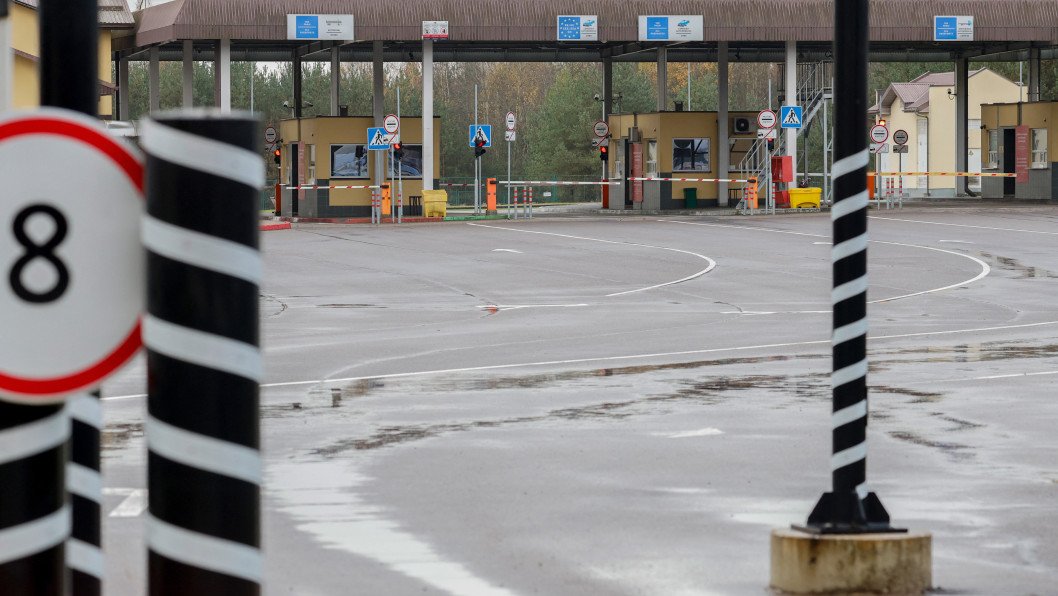
Estonia, Latvia, and Lithuania—NATO members with historical ties to the Soviet Union—have repeatedly warned of growing threats from Russia, including cyberattacks, disinformation operations, and reported violations of their airspace by Russian aircraft and drones.
In response, all three countries have significantly increased defense spending and are strengthening civil protection frameworks aimed at ensuring the safety of civilians in the event of a crisis or military escalation.
Discuss this article:
-9bd5e1532102621f8fb1c4ba871a3171.png)


-c439b7bd9030ecf9d5a4287dc361ba31.jpg "Photo of Katherina Popilnichenko")

-111f0e5095e02c02446ffed57bfb0ab1.jpeg "Photo of Roman Kohanets")