- Category
- World
Moscow Oil Refinery Ignites Again Following Massive Overnight Drone Attack
 Prefer U24 Media on Google
- Authors

-72b63a4e0c8c475ad81fe3eed3f63729.jpeg "Photo of Cyril Barabaltchouk")
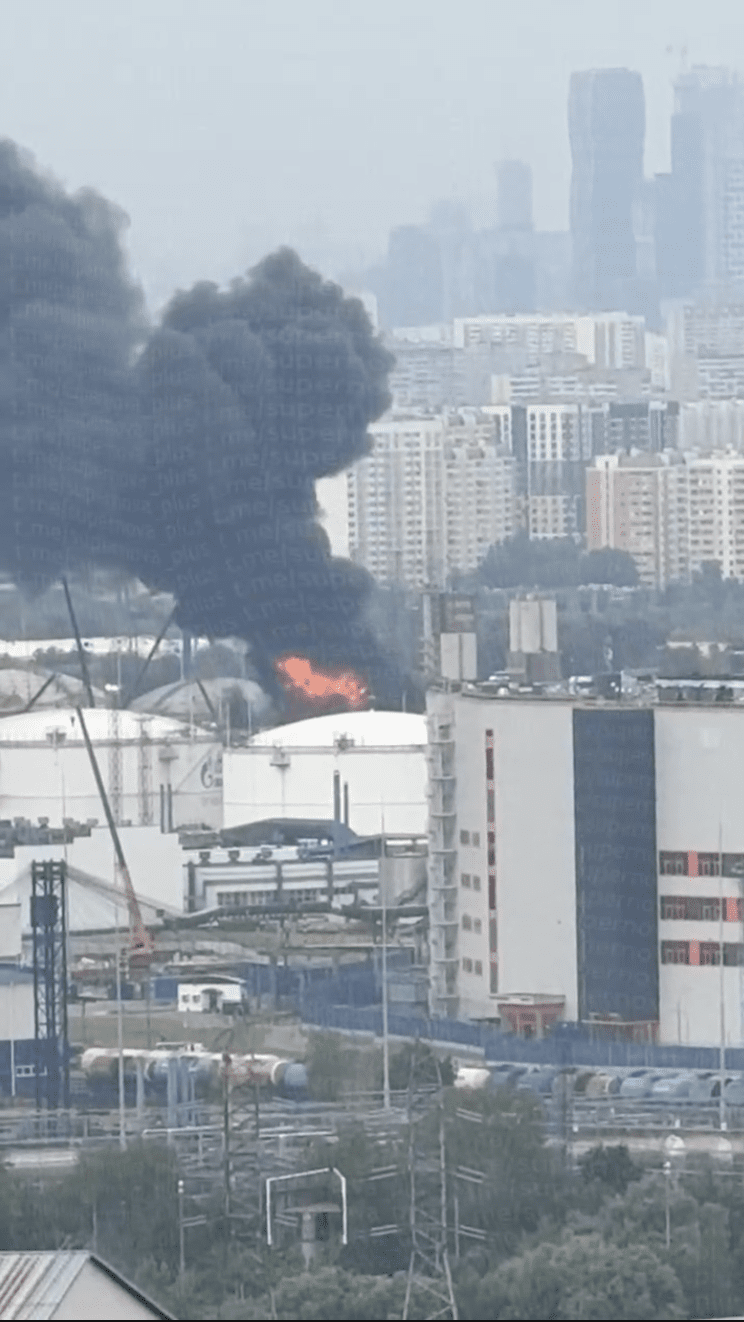
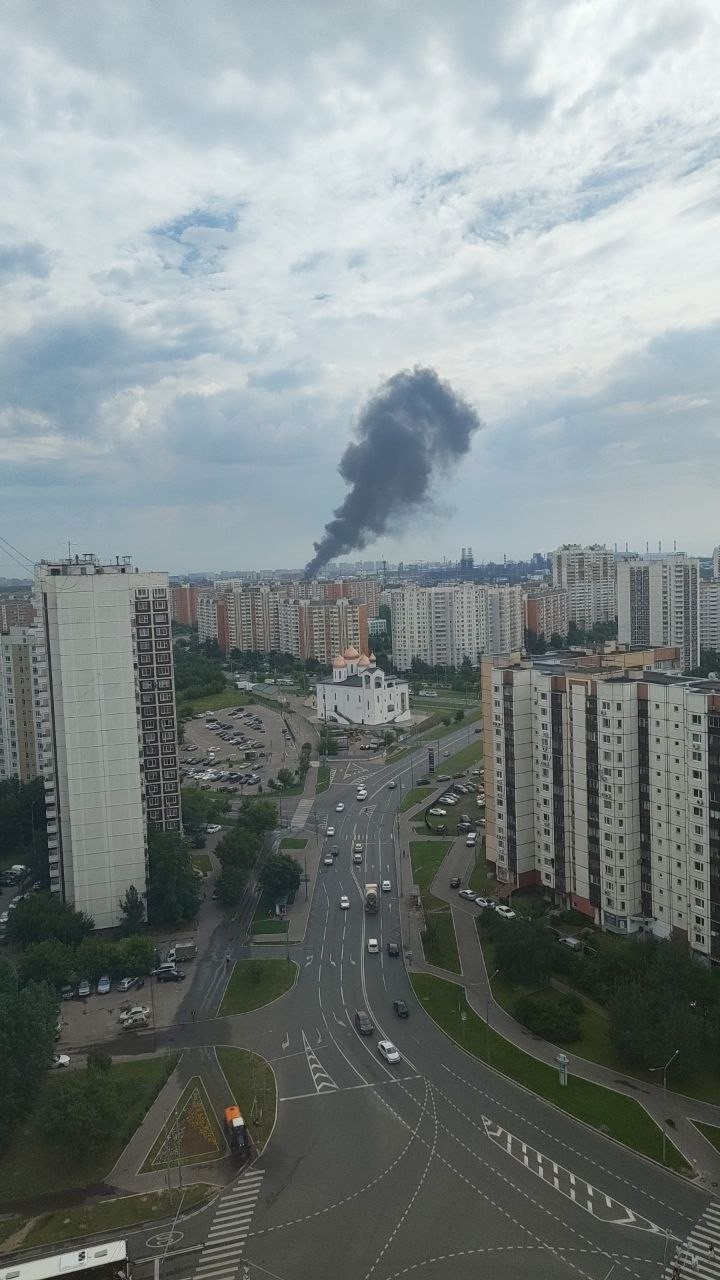
The Moscow oil refinery in Kapotnya district caught fire once again following a massive overnight drone attack, The Moscow Times reported on July 10.
OSINT monitoring channels have posted videos showing thick black smoke rising from the facility, which had an annual capacity of 14 million tons and supplied approximately one-third of the capital’s fuel consumption.
We bring you stories from the ground. Your support keeps our team in the field.
The incident followed an overnight raid in which at least 14 drones targeted the capital, The Moscow Times wrote.
In addition to the capital, the multi-wave strikes successfully targeted the Ilsky refinery in the Krasnodar region, the Kurgannefteprodukt port terminal in Taganrog, an oil depot in Azov, and the Azov Optical-Mechanical Plant (AOMZ), which manufactures critical thermal imagers and optical sights for Russian missiles, aircraft, and armored vehicles.
-5b9bb1d42a6ea3f8375dd1da8095f27a.jpg)
These attacks on Moscow’s energy infrastructure align with a 40-day strategic influence operation approved by Ukrainian President Volodymyr Zelenskyy in late June.
The Gazprom Neft-owned Moscow refinery had previously halted all production after suffering extensive damage during consecutive drone strikes on June 16 and June 18. Industry sources previously indicated that both primary crude-refining units were severely compromised, raising concerns that technical repairs at the refinery could drag on until 2027.
Analysts at Russian investment bank Sinara have also estimated that repair costs at the Moscow facility could reach up to $1 billion under a pessimistic scenario.
A strategic milestone was also recently achieved when a Ukrainian drone strike targeted the Omsk Oil Refinery—Russia’s largest refining facility, located more than 2,500 kilometers from Ukraine’s border.
With the Omsk operation completed, Ukraine has officially struck every single one of Russia’s 11 largest oil refineries, a systematic campaign that has disabled over 42% of Russia’s total designed refining capacity and triggered severe domestic fuel deficits across the country.
Discuss this article:



-c439b7bd9030ecf9d5a4287dc361ba31.jpg "Photo of Katherina Popilnichenko")