- Category
- World
Russia Is Building Innoset, a New Military Satellite Network for Global Operations
 Prefer U24 Media on Google
- Authors



Russia is developing another satellite communications network for its armed forces, known as Innoset, as part of a decade-long plan to expand its military satellite capabilities alongside the existing Rassvet project.
We bring you stories from the ground. Your support keeps our team in the field.
Major General Vadym Skibitskyi, deputy chief of Ukraine’s Defense Intelligence (HUR) disclosed the plans in an exclusive interview with the British newspaper The Times.
According to Skibitskyi on November 27, the Innoset satellite network is being developed by Geoscan, a company based in St. Petersburg. Russia plans to deploy 240 satellites under the project by 2036.
In parallel, Moscow intends to place 924 satellites into orbit under the Rassvet program by 2035.
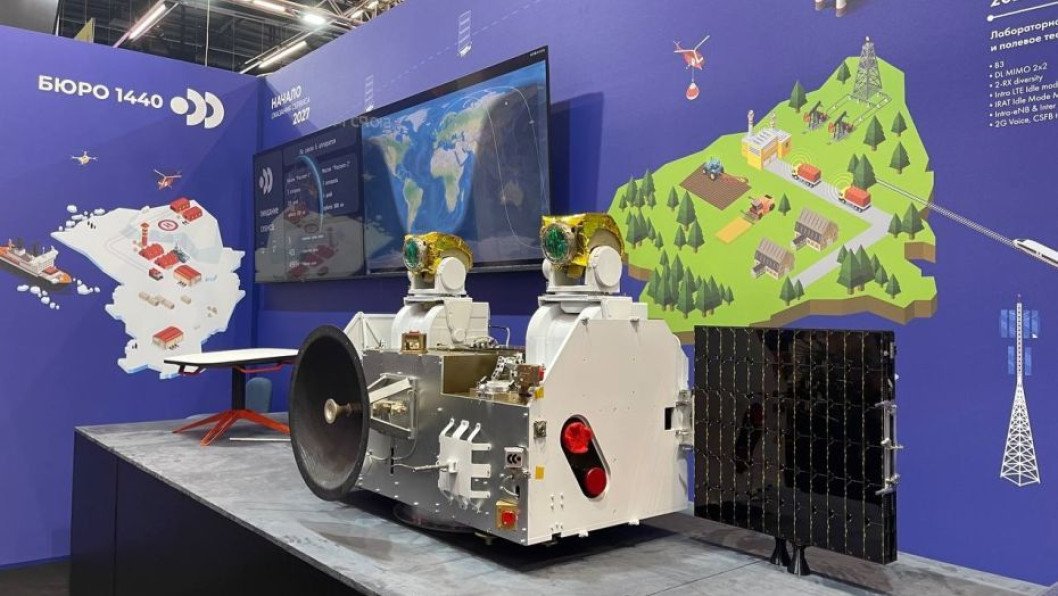
Skibitskyi warned that the deployment of Russian low-Earth orbit satellite networks poses a global security threat, potentially expanding the geographical reach of Russia’s military operations.
“[If the Rassvet system were fully deployed,] Russia could equip various types of weapons with receivers for this network and use them around the world. This would allow Moscow to deploy maritime drones or UAVs in regions far beyond the Black Sea - in Europe, Africa, the Middle East or the Far East,” Skibitskyi said.
However, despite Moscow’s plans to expand its satellite communications infrastructure, the development and deployment of Rassvet, which Russia positions as a domestic alternative to SpaceX’s Starlink, continue to face significant technological and manufacturing challenges.

HUR previously reported that Russia was attempting to accelerate the deployment of the network but faced difficulties stemming from its dependence on foreign components, problems placing satellites into their intended orbit, and challenges in developing user terminals.
According to Ukrainian intelligence, Russia has already launched 30 Rassvet satellites in two batches, on March 23 and July 19, 2026. Two of the satellites subsequently deorbited.
Of the remaining 28 satellites, 26 are operating at altitudes of approximately 500–520 kilometers, significantly below the system’s intended operational altitude of 800 kilometers.
The other satellites continue to maneuver toward their designated orbit. Meanwhile, according to preliminary intelligence assessments, a third satellite launch scheduled for 2026 has either been canceled or postponed.
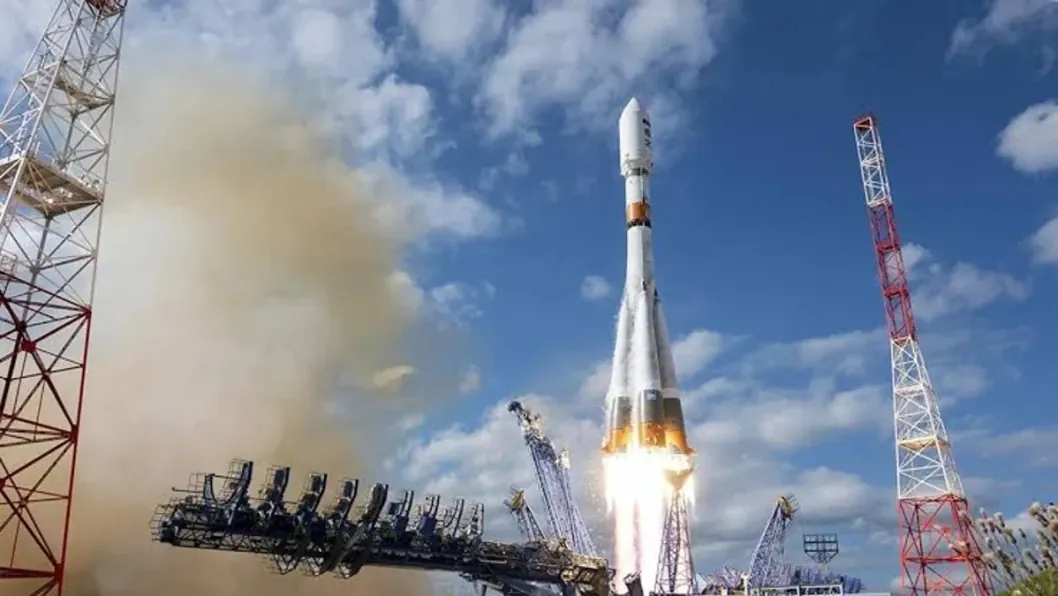
Despite these setbacks, Russia has already begun using the Rassvet network in military operations over Ukraine, potentially allowing its drones to adjust their flight paths in real time and operate with greater resistance to Ukrainian electronic warfare systems.
Speaking to Reuters on November 6, Andrii Yusov, a representative of HUR, confirmed that Moscow had begun employing the satellite communications system.
However, its operational capabilities remain limited by the insufficient number of satellites in orbit. Russia is therefore unable to maintain continuous coverage over Ukraine, with connectivity available only when satellites pass over specific areas.
Discuss this article: