- Category
- World
Russia Plans 374 RASSVET-4 Satellites as Two Earlier Spacecraft Fall From Orbit
 Prefer U24 Media on Google
- Authors


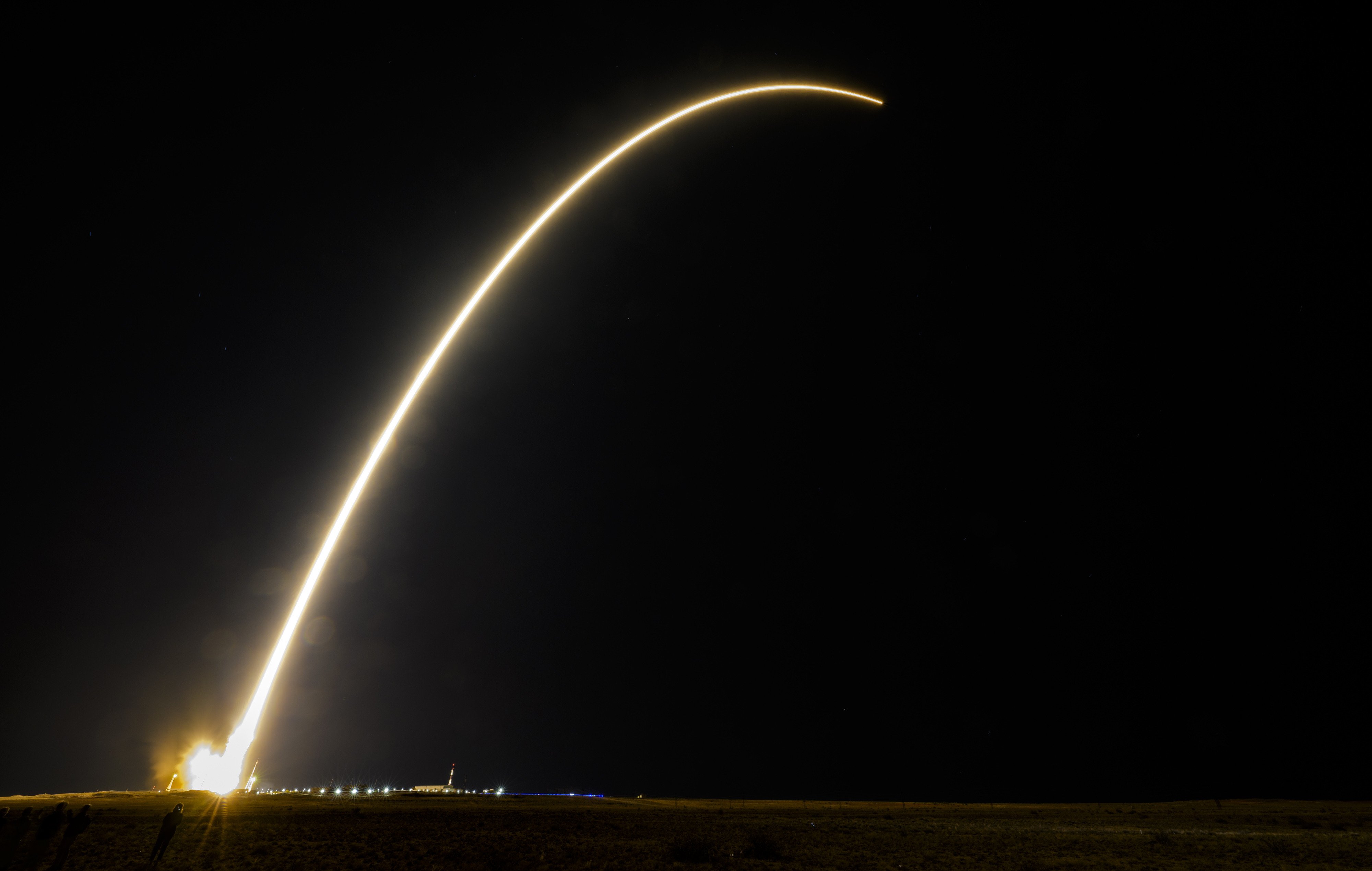
Russia registered two filings for a satellite network named RASSVET-4 with the International Telecommunication Union (ITU), according to records the agency published on October 29.
The submissions, registered under references RUS2026-85633 and RUS2026-85634, include advance publication information and a request for international coordination. These procedures concern planned satellite frequencies and orbital operations and do not confirm that Rassvet-4 spacecraft have entered service.
We bring you stories from the ground. Your support keeps our team in the field.
The proposed network consists of 374 satellites operating approximately 800 kilometers above Earth, distributed across 17 orbital planes with 22 spacecraft each, Defense Express reported on November 3.
The filings also describe 12 antenna beams, including seven for transmission and five for reception, alongside their operating frequencies and technical characteristics.
According to Defense Express, Rassvet-4 may represent an upgraded version of the existing Rassvet-3 satellites rather than an entirely separate constellation. Russia's Bureau 1440, which develops the system, has not officially announced the new spacecraft, although company representatives previously acknowledged work on an improved Rassvet-3 design.
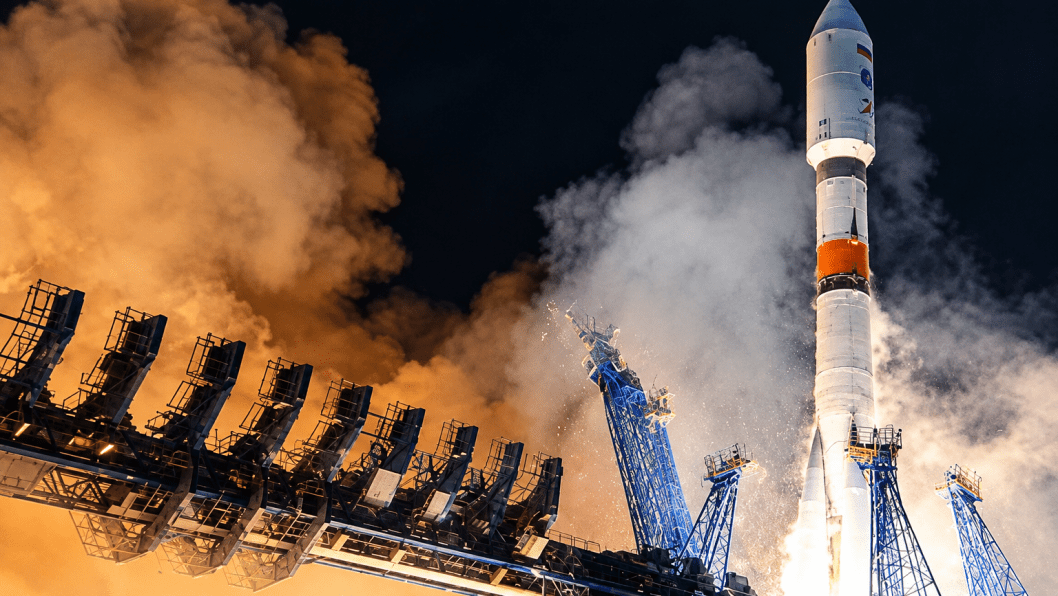
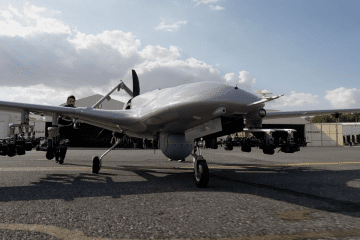
An expanded Rassvet constellation could also pose a security threat to Europe by allowing Russian forces to control attack drones beyond operators’ direct line of sight, an analysis published on September 10 warned.
Once Russia deploys approximately 200–250 satellites, the network could support real-time drone control, reconnaissance, and targeted strikes, potentially facilitating sabotage operations across European countries. Russia aims to reach 250 satellites by 2027, although its current constellation remains too small to provide continuous coverage.
Recent months have seen several developments with the constellation. The program's first loss came on June 6, when RASSVET-3 4, launched with the opening batch on March 23, reentered the atmosphere after about 75 days in orbit.
By mid-October, RASSVET-3 17 and 23 from the July 19 batch had sunk to roughly 250 kilometers, with tracking forecasts projecting reentry around October 29 and November 1. Operating near 500 kilometers rather than 800 would cut latency but shrink each satellite's coverage area, requiring more spacecraft to sustain continuous service.
Discuss this article: