- Category
- World
Russia Is Teaming Up With Belarus on Its Starlink Rival. What Does It Mean for the Baltic States?
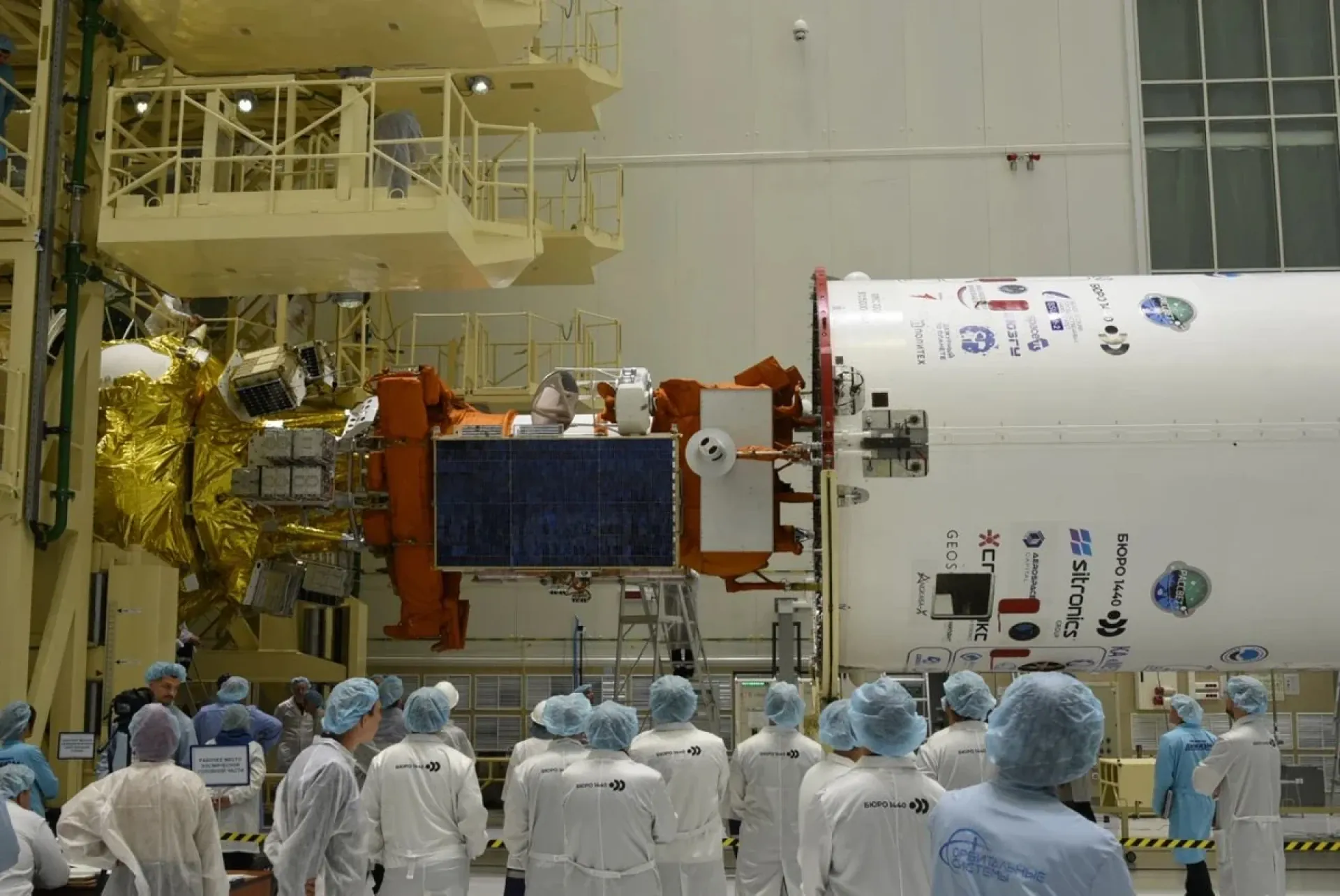
Russia is building its own satellite network to expand its military capabilities. RASSVET system could eventually allow Russian forces to control attack drones over much greater distances, threatening countries beyond Ukraine. With Belarus helping develop the network’s ground infrastructure, the Baltic states could face a new security threat on NATO’s eastern flank.
 Prefer U24 Media on Google
- Authors


RASSVET is a low Earth orbit satellite communications network that has been under development since 2023 by the private Russian company Bureau 1440, with state support.
In 2026, funding and deployment of the project accelerated after Russia lost access to Starlink, dealing a significant blow to its offensive capabilities. RASSVET aims to replicate the American system and establish Russia’s own independent satellite internet network.
Its successful deployment would pose a threat not only to Ukraine but also to Russia’s neighbors, particularly the Baltic states.
Why should the Baltic states be concerned?
To make the system fully operational, Moscow is involving its allies, particularly Belarus. A ground control facility is being built there, providing the infrastructure needed to expand the system’s coverage. The project’s local partner is Belintersat, a Belarusian satellite operator.
For now, Ukraine faces the most immediate threat from RASSVET’s deployment. However, the construction of the necessary infrastructure in Belarus is already expanding the system’s geographical reach. RASSVET could also pose a threat to the Baltic states—Lithuania, Latvia, and Estonia—which are located near Russia and Belarus.
The potential threat is substantial. Thousands of Russian drones could carry out precision strikes against military facilities and critical infrastructure in countries that may not be prepared to repel such an attack. Most importantly, these strikes could be carried out with relatively inexpensive drones, while defending against them would be costly. This challenge has already become evident during the war in the Middle East.
While RASSVET has yet to reach its planned operational capacity, its potential military applications are already becoming apparent in Ukraine.
What makes RASSVET dangerous?
In Russia, RASSVET is primarily presented as a civilian project, but the reality tells a different story.
Ukrainian military personnel have already documented the use of the system’s terminals on Molniya drones—inexpensive fixed-wing attack drones capable of traveling dozens of kilometers.
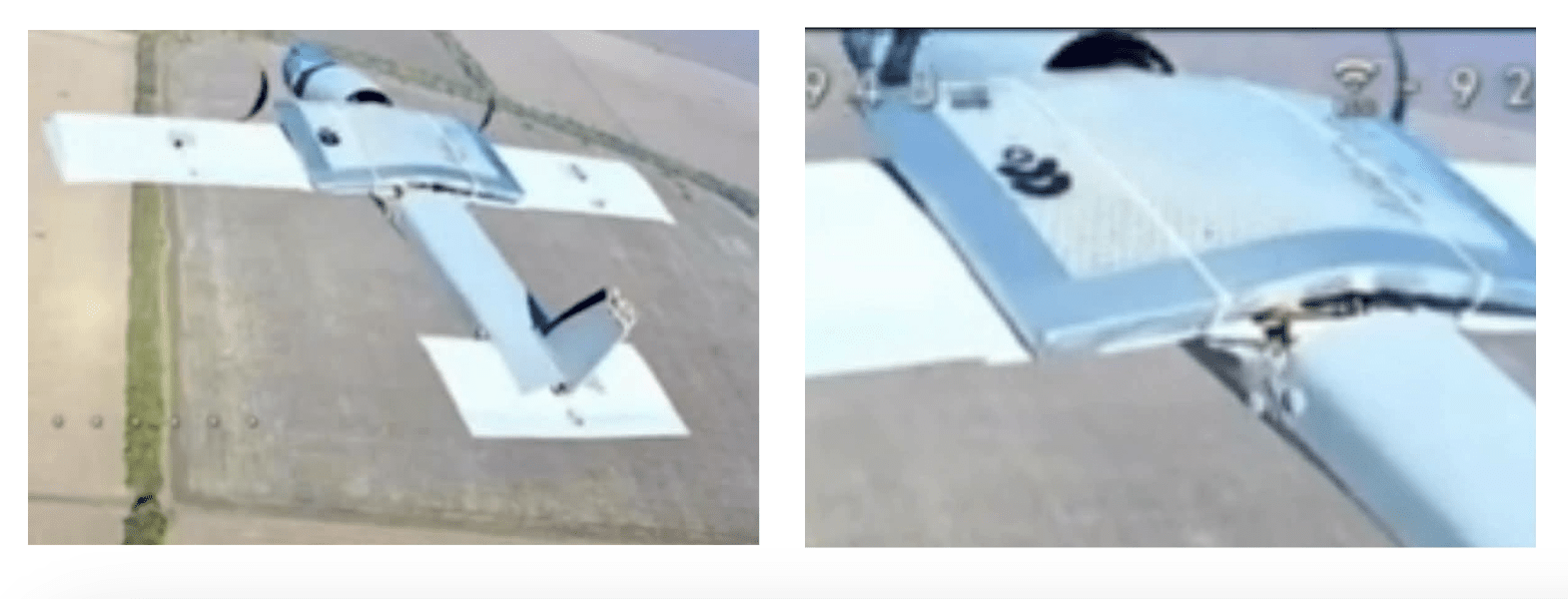
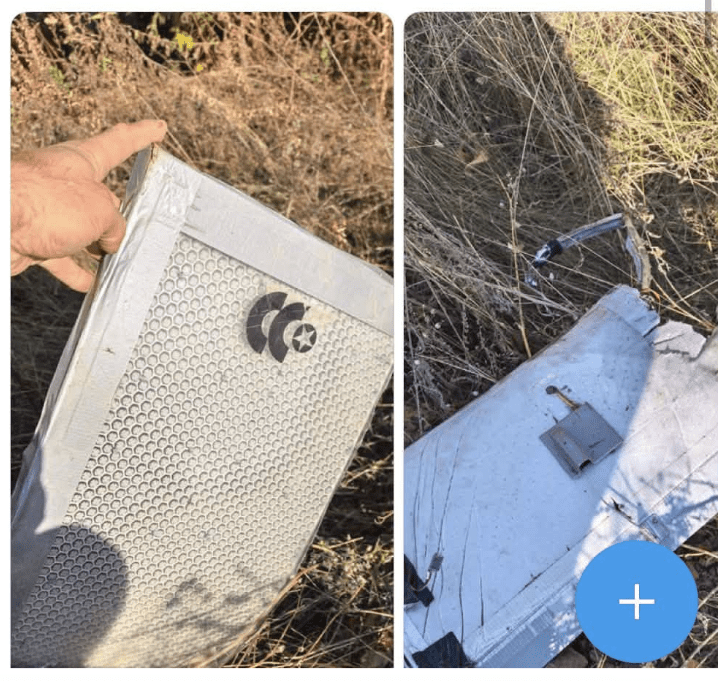
For now, Ukraine faces the most immediate threat from RASSVET’s deployment. Equipped with satellite terminals, Russian drones would be able to carry out more precise strikes deep inside Ukrainian territory. Countering such attacks would become more difficult because the drones would be controlled through a satellite communications network.
Notably, although the system is being deployed gradually, it is already being used on the battlefield. Between 2023 and 2024, the first six test satellites were launched into orbit. In 2026, following the suspension of Starlink services, development accelerated, with dozens of satellites launched into orbit. Although not all of them reached their designated orbital positions or became operational, the project is moving forward.
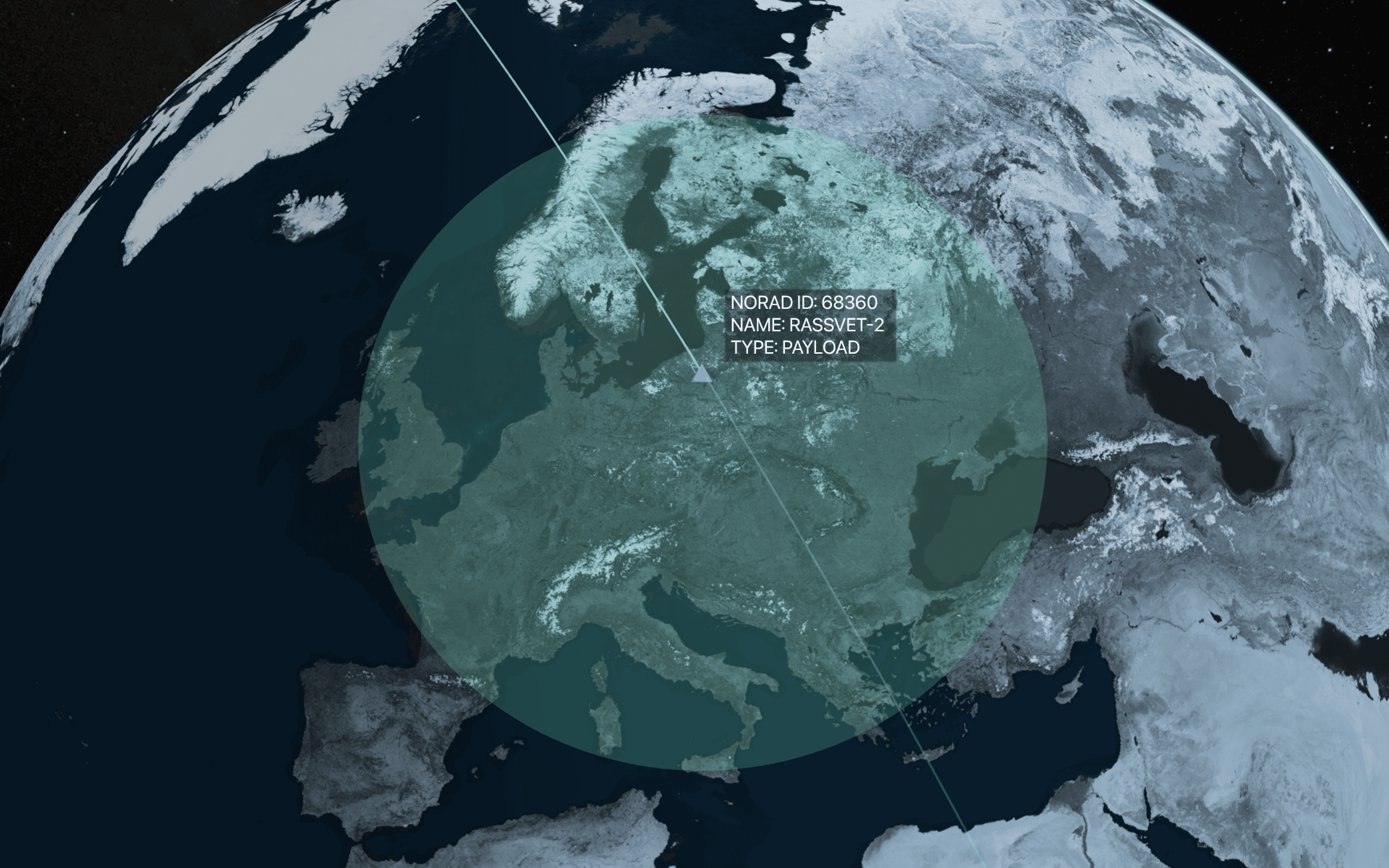
The Kremlin plans to have 250 satellites in orbit by 2027, 730 by 2030, and more than 900 by 2035.
Starlink infrastructure comes under Russia’s attack
Russia is well aware of the capabilities of its new satellite system and is already waging a hybrid war against its main competitor, Starlink. Over the past month, SpaceX infrastructure has been attacked three times in European countries. Infrastructure essential to Starlink’s operations was damaged in Poland, Bulgaria, and Lithuania.
In October, Axios also reported that a Russian satellite had approached the American ICEYE-X36 satellite to within just a few dozen meters. This could have been an attempt to interfere with American satellite equipment. Russia may be testing potential methods of interference while also gauging how other countries might respond.
How can Europe counter Russia’s RASSVET?
One way to counter this threat is through sanctions. As of now, Belintersat is subject to sanctions imposed by all major jurisdictions, including the United States and the European Union. The problem, however, is that only the United States has imposed sanctions on the Russian company Bureau 1440.
European countries are also exploring technological countermeasures. Germany is assessing ground-based systems capable of disrupting satellite communications and navigation signals, potentially enabling interference with RASSVET’s operations.
Ukraine, meanwhile, is pushing for international restrictions on the Russian satellite network. Moscow has included Ukrainian territory in the declared service areas of its RASSVET-1 and RASSVET-3 systems, prompting Kyiv to appeal to the International Telecommunication Union (ITU).
Ukraine is demanding that its territory be excluded from the networks’ declared service areas and has raised concerns about potential interference with Ukrainian communications systems. Kyiv is also urging other countries whose territories Russia has included in its planned coverage areas to submit similar objections.

Another approach is, at the very least, to prepare for countermeasures. Starlink currently does not operate in Russia, and SpaceX prohibits such use of its services. However, allowing Starlink to operate even a few hundred kilometers into Russian territory could potentially expand Ukraine’s ability to conduct drone operations against Russian military equipment farther from the border, including ballistic missile launchers. This could help reduce threats to border regions in Ukraine and neighboring countries.
Discuss this article: