- Category
- Investigations
Russia Plans Massive Rocket Fuel Surge for Its War—Leaked Documents
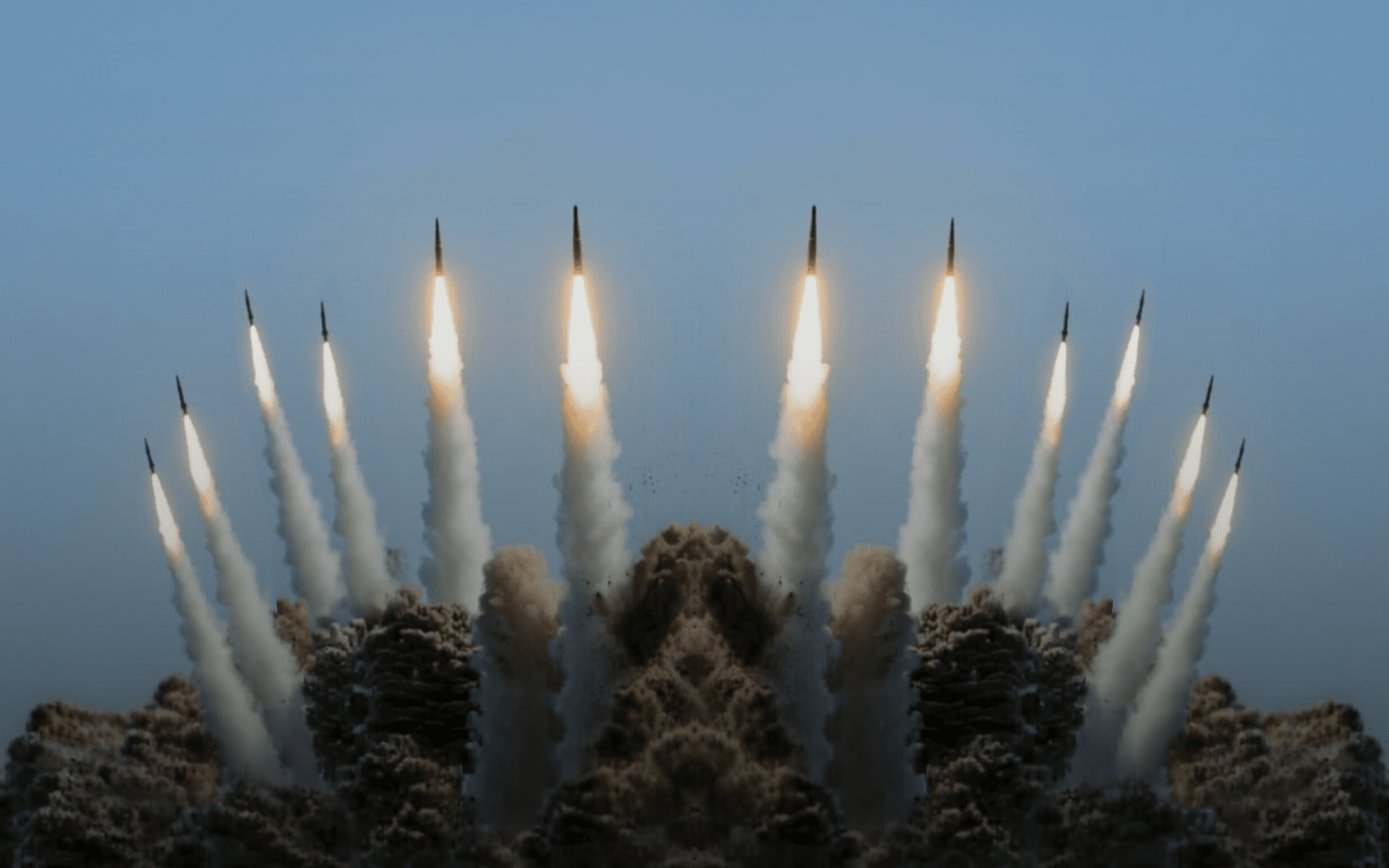
Russia is rapidly scaling up production of the rocket fuels that power its missiles and artillery, using imported chemicals and components sourced from companies across Europe, Asia, and Central Asia, according to internal documents.
 Prefer U24 Media on Google
- Authors

-206008aed5f329e86c52788e3e423f23.jpg "Photo of Oleksandr Moiseienko")
Production of solid rocket fuels in Russia has risen sharply—from roughly 1,000–2,000 tons in 2023 to 5,000–8,500 tons in 2025. Internal plans reviewed by UNITED24 Media show output is expected to increase further in 2026, reaching 10,000 tons.
What materials is Russia importing?
Internal documents from Russia’s Perm Powder Plant—one of the key enterprises in Russia’s arms industry—point not merely to stockpiling, but to preparations for a large-scale expansion in the production of ballistite compounds—a key base for missile and artillery weapons.
We bring you stories from the ground. Your support keeps our team in the field.
The materials in question are critical: cotton cellulose, cellulose acetate and triacetate, ethyl cellulose, and a range of chemical components, including aniline, silicone compounds, and polymer precursors. These substances are used to produce solid fuels and propellants for missile and artillery systems.
Among the manufacturers and suppliers explicitly named in the documents are Uzbekistan’s Fargona Kimyo Zavodi (cotton cellulose), Swiss Cerdia—formerly France’s Rhodia Acetow—(cellulose acetate), Japan’s Mitsubishi Chemical, Germany’s LANXESS, and BASF for aniline. Chinese manufacturers also appear for some items.
The most revealing indicator is the trend in solid rocket fuel production. In 2023, production of ballistite solid rocket fuel stood at about 1,215 tons, while composite solid rocket fuel totaled 1,870 tons. By 2025, those figures had risen to 8,500 tons and 5,640 tons, respectively.
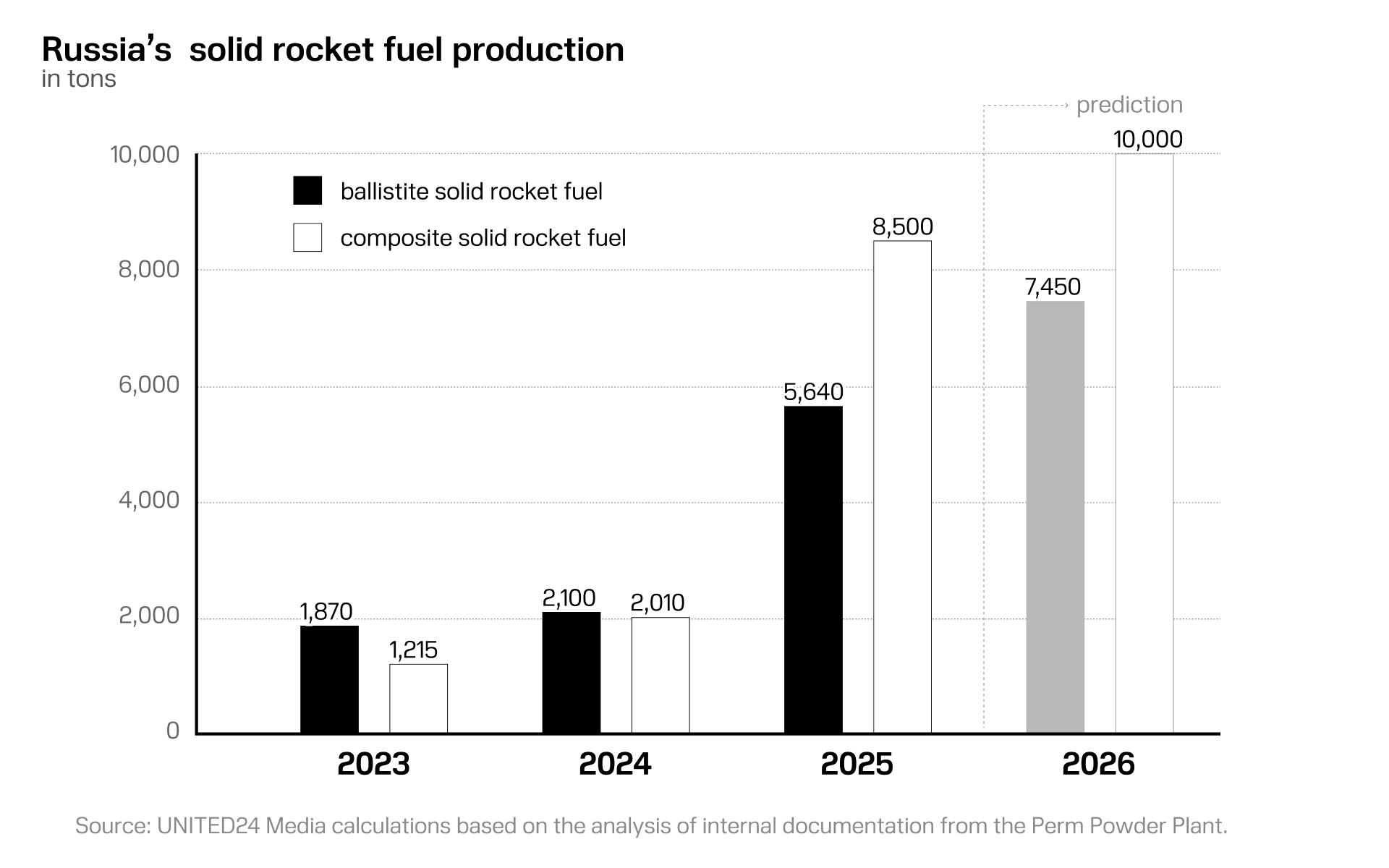
Russia’s rocket fuel growth predictions
At the same time, the plant’s internal plan for 2026 envisions further production growth—to 10,000 tons of ballistite solid rocket fuel and 7,450 tons of composite solid rocket fuel. That means some production lines are set to grow five- to eightfold within just a few years compared with 2023 levels.
A similar pattern can be seen across other components. The documents record tens and hundreds of tons of strategic raw materials, as well as continued reliance on imports for several chemical components needed to produce propellants and solid fuels.
The Perm Powder Plant is one of the enterprises working with critical components for the production of propellants and ballistite compounds. These materials are used in munitions and missile systems deployed in the war, from artillery shells to missiles of various classes.
Perm plant expanding its workforce
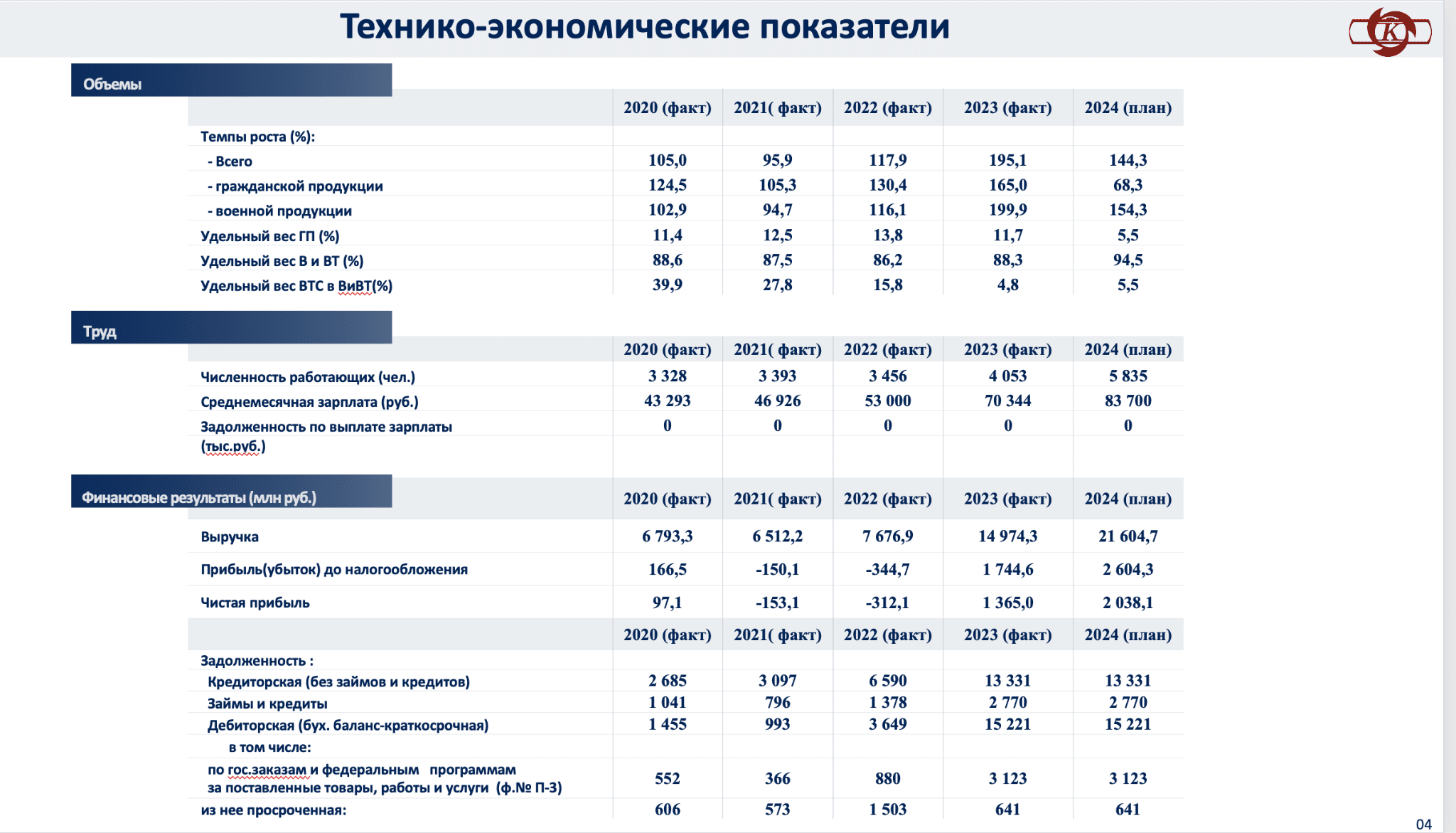
The documents also show that the Perm Powder Plant is effectively shifting into a mode of large-scale wartime industrial mobilization. Despite a sharp decline in the share of civilian products—from 13.8% in 2022 to a planned 5.5% in 2024—the enterprise is simultaneously nearly doubling its financial indicators and aggressively expanding its workforce.
The plant’s revenue over this period rose from 7.6 billion to 21.6 billion rubles ($106-303 million), while its workforce grew from 3,456 to 5,835 employees. At the same time, the growth rate for military products in 2023 reached nearly 200%, directly indicating the plant’s reorientation toward fulfilling state defense orders and scaling up production of rocket fuels and ammunition.
Despite sanctions pressure, Russia continues to find ways to secure supplies of critical components—through imports from third countries, alternative suppliers, and likely circumvention networks. At the same time, the scale of raw-material accumulation and production growth appears atypical for simply “maintaining the current level.”
Such volumes are difficult to explain by short-term needs. Rather, they suggest preparations for the prolonged and intensive use of weapons, with a reserve that would allow Russia not only to sustain the current level of combat operations, but also to create the capacity for further expansion.
Discuss this article:


-605be766de04ba3d21b67fb76a76786a.jpg "Joseph Place")
-a9762382e5dbc3eb8a0c7fcf632566ba.jpg "Russian Propaganda Isn’t All-Powerful. Authoritarian Control Is")
-7ab3d055d78b4fffc2530930d91ffaa7.jpg "Khrystyna Borovkova")

-c439b7bd9030ecf9d5a4287dc361ba31.jpg "Photo of Katherina Popilnichenko")

-111f0e5095e02c02446ffed57bfb0ab1.jpeg "Photo of Roman Kohanets")