- Category
- World
Russian Stocks Fall to Three-Year Low Amid Historic Selloff
 Prefer U24 Media on Google
- Authors

-111f0e5095e02c02446ffed57bfb0ab1.jpeg "Photo of Roman Kohanets")
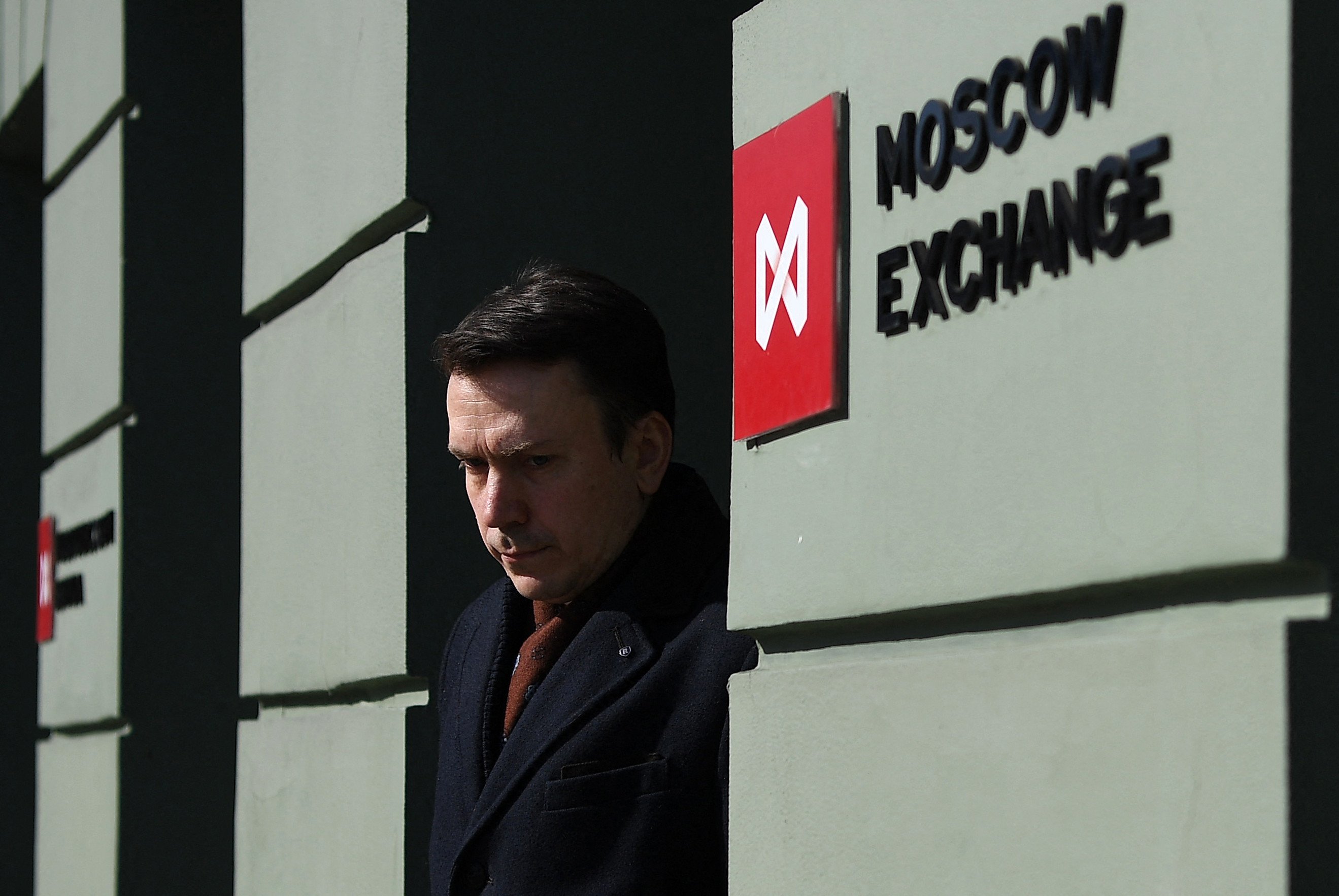
Russian stocks plunged more than 4% on June 22, sliding to their lowest level in over three years as a 15-week losing streak deepened, The Moscow Times reported on June 22.
We bring you stories from the ground. Your support keeps our team in the field.
The benchmark MOEX index dipped below 2,368 points during afternoon trading, its first time under that mark since March 2023, before shedding 4.42% to around 2,313 points.
Among the worst performers was the digital real estate marketplace Tsian, whose shares plunged more than 14%. Aeroflot dropped over 6% as flight operations face constant disruptions at airports caused by Ukrainian drone attacks.
The MOEX has slid since March and has lost more than 14% of its value since the start of the year. Its 15-week losing streak has now surpassed the decline recorded during the 2008 global financial crisis.
-5fd29ada6cceba1537fd414500eb4165.jpg)
Domestic equities are under pressure after the Russian Central Bank cut its key rate by just 25 basis points on Friday, according to Igor Dodonov, deputy head of equity analysis at Finam Financial Group.
"Combined with [Central Bank Governor] Elvira Nabiullina's rather hawkish rhetoric, this points to a slower easing of monetary policy than investors had hoped for," Dodonov stated.
He added that the market faces further headwinds from falling global oil prices, a strong ruble, heightened sanctions risks and geopolitical tensions stemming from the conflicts in Ukraine and the Middle East.
"Under these conditions, traders are opting for caution and are in no hurry to buy the dip on heavily discounted shares, despite significant technical oversold conditions in the market," he noted.
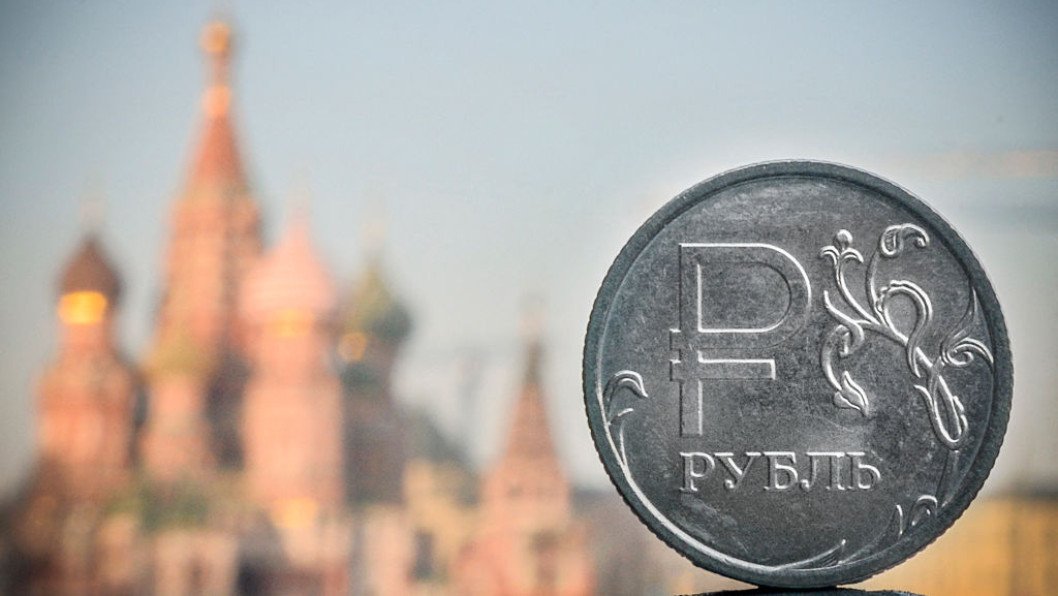
The ruble also lost ground against a basket of currencies, tracking lower alongside Brent crude oil, which slid to $77.63 per barrel following developments in the Middle East.
The Central Bank's reluctance to ease more aggressively reflects mounting inflationary pressure across the Russian economy, where soaring domestic fuel costs and a vast expansion of war-related state spending have pushed prices higher.
Friday's cut, to 14.25%, was the smallest in nine consecutive easing steps. The Kremlin, meanwhile, requires an estimated $54.4 billion to $68 billion in additional funding to sustain its full-scale invasion of Ukraine.
Discuss this article:


-c439b7bd9030ecf9d5a4287dc361ba31.jpg "Photo of Katherina Popilnichenko")