- Category
- World
Russia’s Nuclear Fever Dream for Africa Is Taking Shape
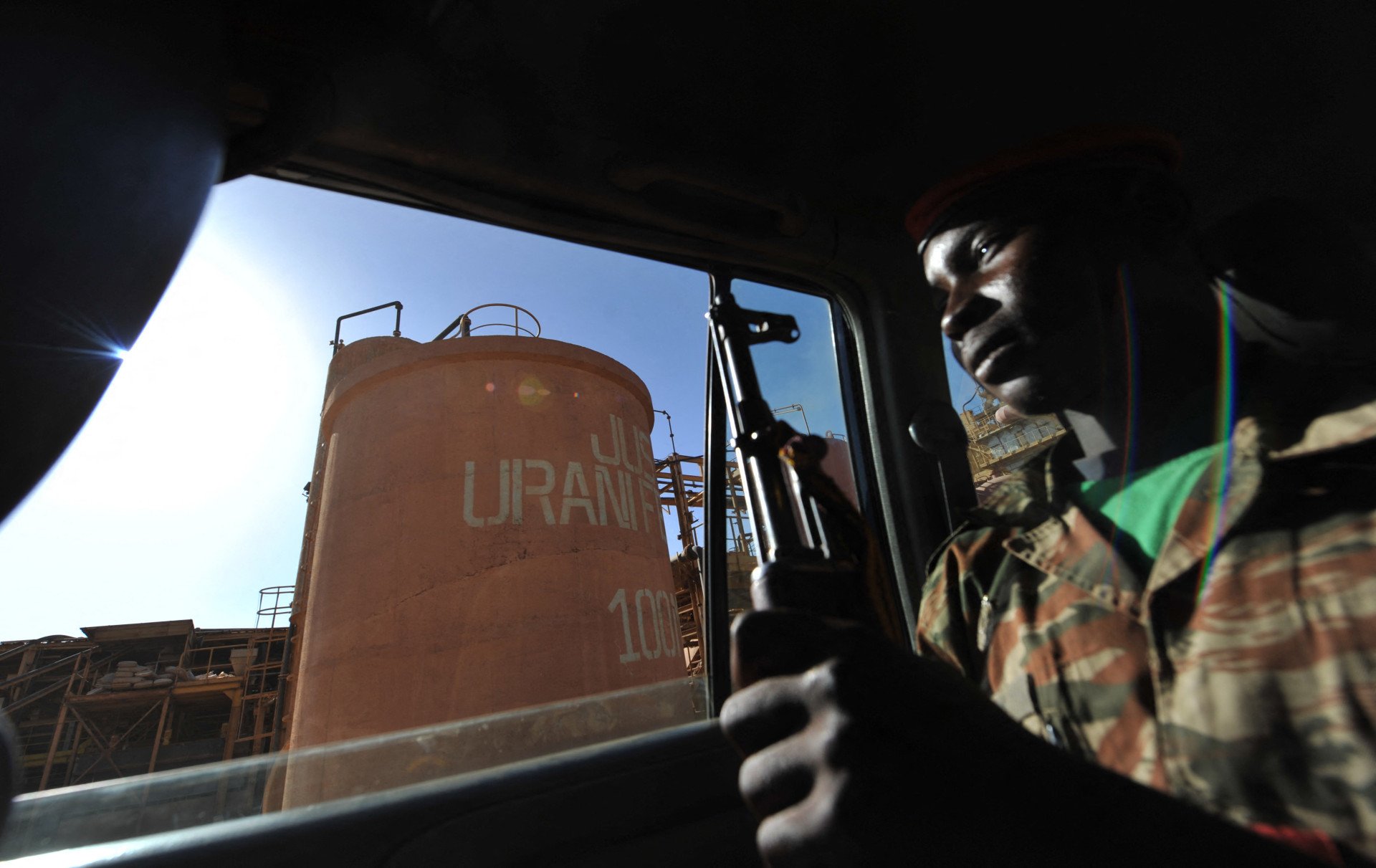
To Russia, Africa’s energy gap is a business model. Moscow sees “power poverty” as the perfect entry point—offering nuclear deals that create dependence on its funding, technology, and expertise, while cementing long-term influence over governments, resources, and strategic assets.
 Prefer U24 Media on Google
- Authors

-46f6afa2f66d31ff3df8ea1a8f5524ec.jpg "Photo of Jess Daly")
Russia and Ethiopia signed an agreement to open the country's first nuclear power plant in October 2025, coinciding with World Atomic Week, a conference held in Moscow in September to mark 80 years of Russia’s rapidly expanding nuclear industry.
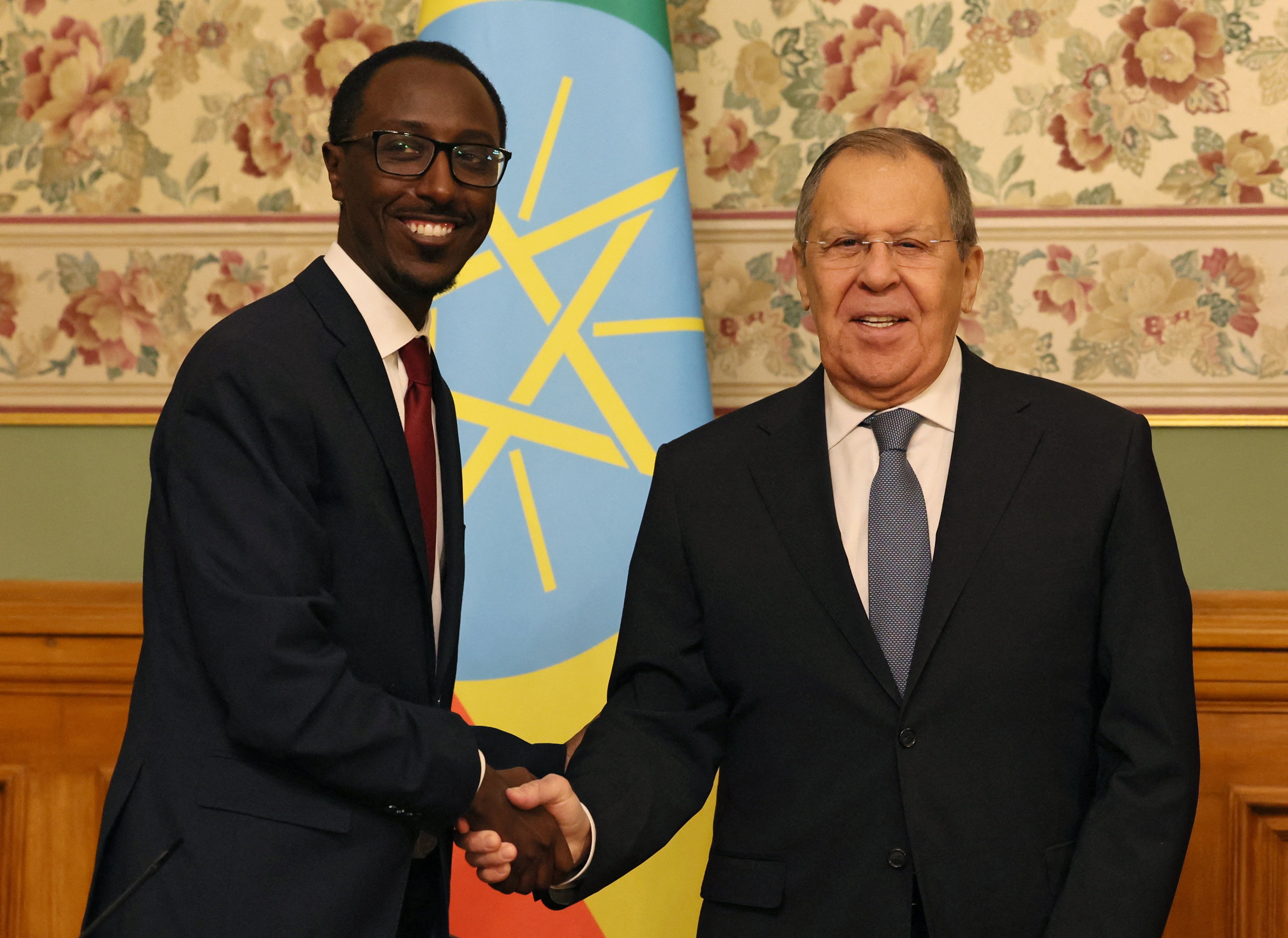
The $30 billion Ethiopia deal claims to be focused on restoring energy. Moscow’s objectives in Africa are multifaceted, expanding its influence across the continent through a combination of military presence, economic extraction, and cultural and religious outreach.
These deals are not just about electricity; they are about positioning. By offering nuclear technology, training, and finance, Moscow is deepening political as well as economic ties.
Senior Fellow at the African School of Governance
Russia’s nuclear push in Africa
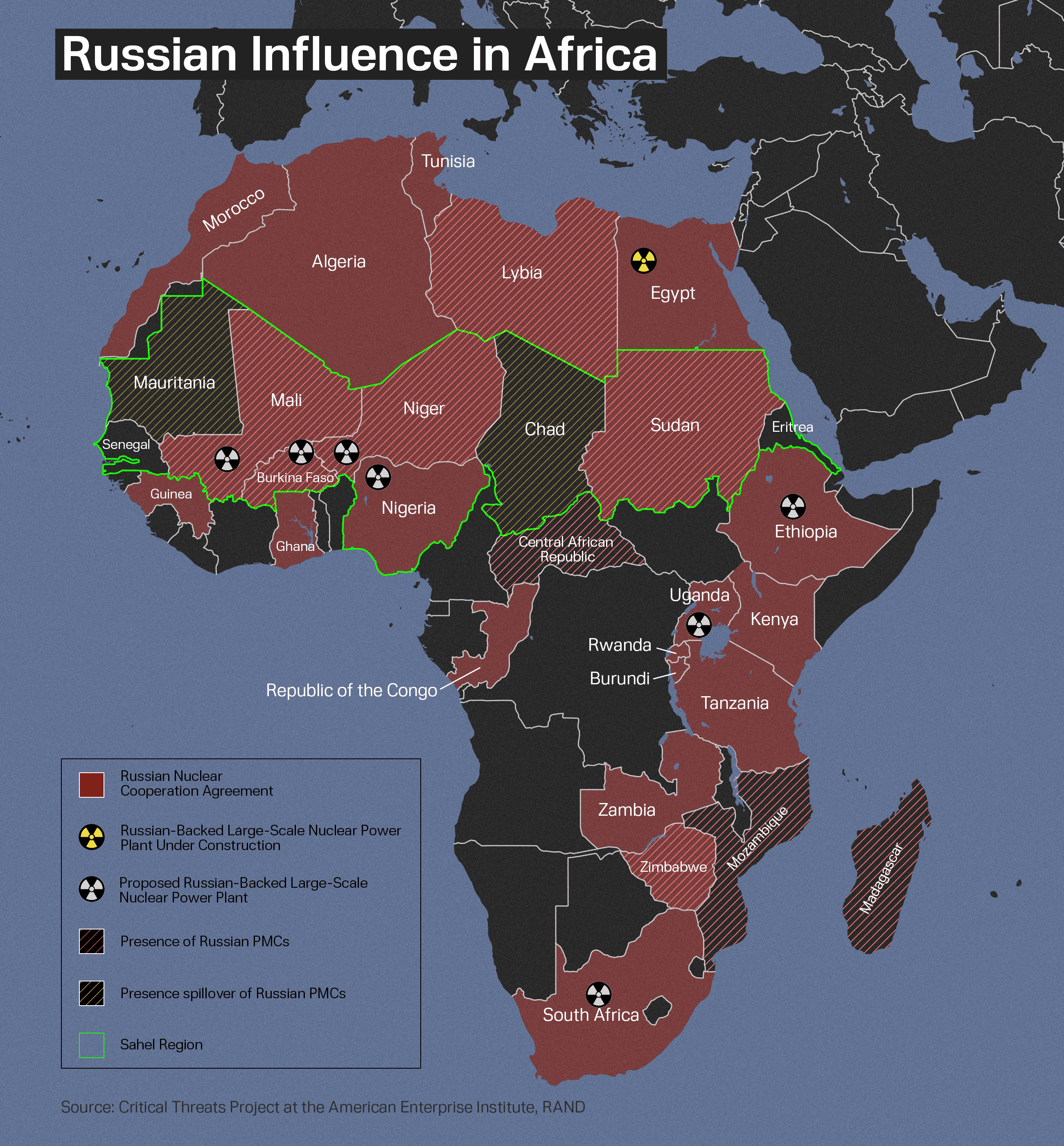
Russia has long used energy as a weapon of pressure and persuasion. We’ve seen it across Europe, and now the same tactic is unfolding in Africa. Moscow’s military presence across the continent has already given it a foothold; from there, it’s moving deeper—this time into the nuclear sector.
Russia’s goal is economic leverage. It is targeting African states with fragile governments but rich reserves of oil, manganese, uranium, and gold—and, backed by its military presence, Moscow has already gained access to many of these resources.
Niger
Niger holds one of the world’s largest uranium reserves, and in July 2025, Russia signed a “civil nuclear cooperation agreement” with its military-led government. Moscow’s goal goes far beyond uranium extraction: it wants to build power plants and establish an “entire system” for atomic energy in the country, Russian Energy Minister Sergei Tsivilev said, on an official visit to Niamey, the capital of the Republic of Niger, in July 2025.
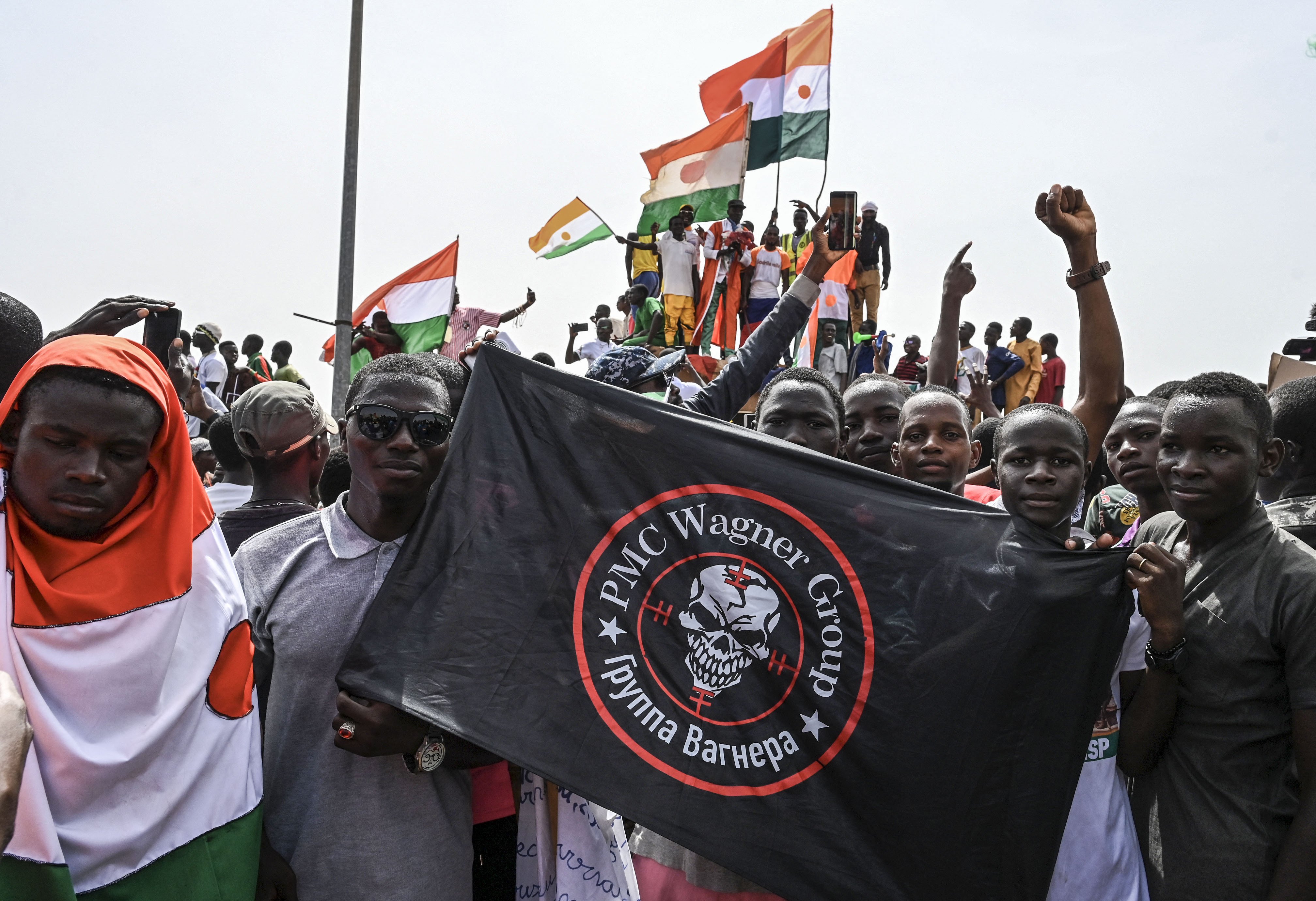
Niger has been under military rule since July 2023, when General Abdourahamane Tiani ousted the democratically elected President Mohamed Bazoum. After the coup, the US pulled out of the country, cutting military and diplomatic ties.
Russia, however, embraced the new junta. The relationship quickly deepened, leading to a defence pact between the two states. By April 2024, Moscow had deployed around 100 military instructors and equipment to reinforce Niger’s armed forces.
The nuclear agreement is part of a wider pattern: Moscow is expanding its influence across the Sahel (i) and pushing out Western powers—particularly France. The same trend is visible in Burkina Faso and Mali.
On January 29, 2025, all three countries formally withdrew from the Economic Community of West African States (ECOWAS) to form the Alliance of Sahel States (AES)—a geopolitical realignment Russia is actively capitalising on.
Burkina Faso
Burkina Faso has been under military rule since September 2022, when Lt. Col. Paul-Henri Damiba seized power. Its current leader, Ibrahim Traoré, took control after ousting Damiba in a second coup, positioning himself as the country’s de facto ruler. Traoré has also cultivated a strong online persona, circulating numerous AI-generated videos and manipulated speeches to bolster his image.
While coup leader Ibrahim Traoré was in Moscow, shaking hands with Putin and blaming the West for everything wrong in Africa, jihadist militants launched a successful offensive across #BurkinaFaso 🇧🇫, seizing several military bases, like the one in Djibo.
— Thomas van Linge (@ThomasVLinge) May 11, 2025
Military rule was been… pic.twitter.com/JXcdpfixVX
In 2023, Traoré expelled French forces and shut down Operation Sabre , ending France’s long-standing counterterrorism mission in the country. Since then, he has reopened the Russian embassy, traveled to Moscow to attend the 80th anniversary Victory Day celebrations, and held meetings with Putin.
During the Russia–Africa summit in Moscow in July 2023, Traoré asked Putin for support in constructing a nuclear power plant, the BBC reported. Electricity access in Burkina Faso stood at just 34.2% in 2024, according to Nuclear Engineering International.
By June 2025, the nuclear agreement was finalised—marking yet another major partnership between an African state and Russia’s expanding nuclear and geopolitical network.
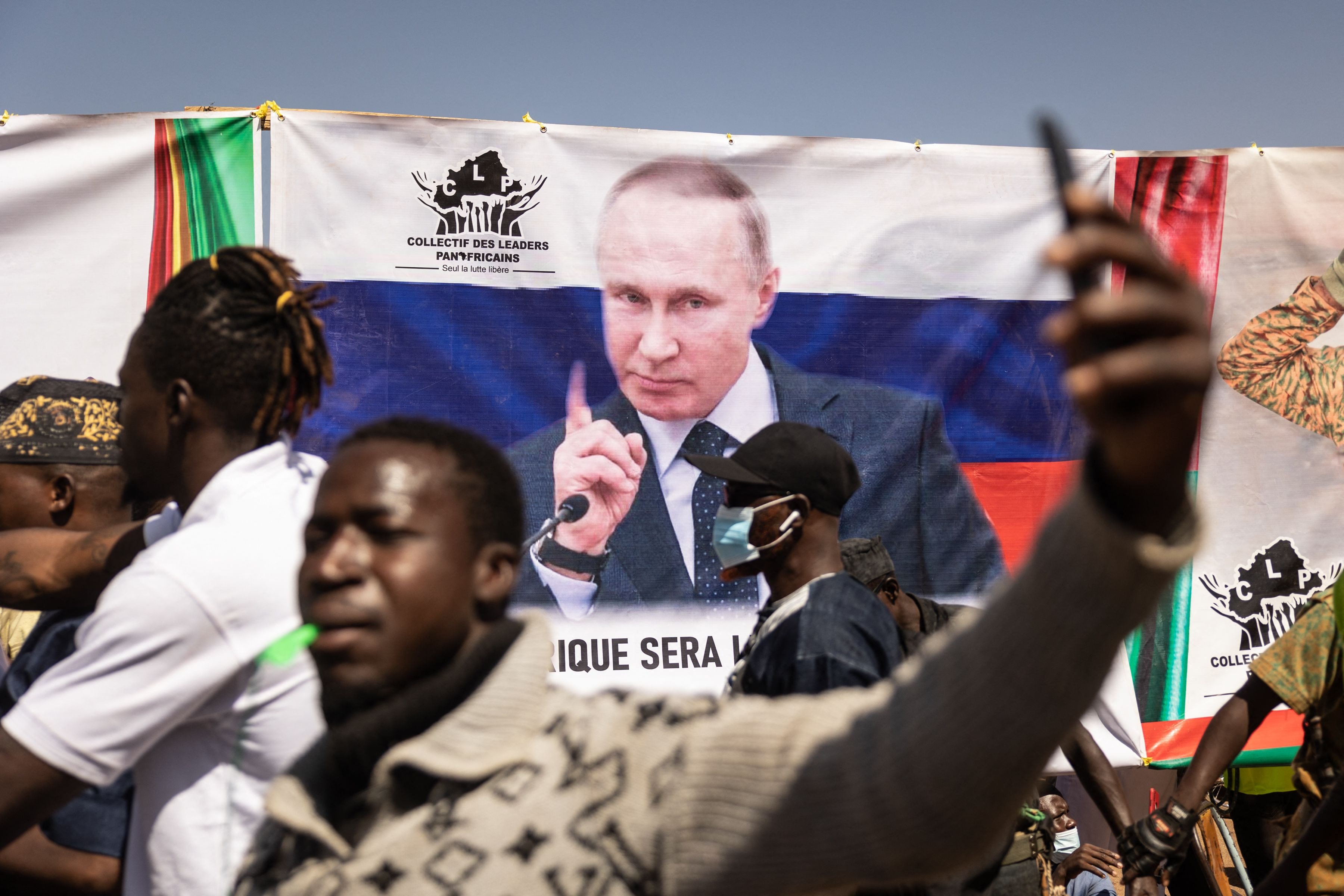
Mali
Mali is also under military rule, led by Colonel Assimi Goïta, who seized power in 2020. Since then, Goïta has pivoted away from Western partnerships, drawing closer to Russia. In June 2025, Mali further expanded its nuclear cooperation with Moscow, the BBC reported.
While military collaboration remains the cornerstone of the Russia–Mali relationship, both countries have now pledged to increase joint efforts in nuclear energy.
Mali and Burkina Faso also possess substantial gold reserves, resources that are easily secured and leveraged by a foreign security partner like Russia. Gold is a globally recognized store of value. Russia faces vast economic sanctions, and securing gold can help stabilize financial reserves.
Russian Africa Corps, replacing Wagner in Mali, continues the same brutal tactics: beheadings, rapes, and indiscriminate killings.
— Tymofiy Mylovanov (@Mylovanov) December 10, 2025
This is another example of Russian flagrant disregard for human life, and it must be stopped, reports AP News. 1/ pic.twitter.com/Ffzih1KD5S
Russia’s Rosatom influence
Russia has a firm grip on the global nuclear energy market, with Moscow responsible for 26 of the 59 nuclear reactors currently under construction worldwide.
Russia’s state-run nuclear giant, Rosatom, controls the country’s entire nuclear infrastructure and supplies missile fuel to the military, making it a direct enabler of the war in Ukraine. The West has imposed sanctions on Russia since its full-scale invasion of Ukraine; new African alliances can help mitigate the impact.
Rosatom already has active nuclear projects in Egypt, Nigeria, Rwanda, and Mali. It handles all aspects of a nuclear project, from developing the design and constructing the reactor to training personnel, supplying fuel, and managing its eventual disposal. Rosatom funds the plants’ construction through loans, making the deal particularly attractive for those with limited resources.
In turn, Russia gains a partner, a country reliant on Moscow.
Discuss this article:
-9bd5e1532102621f8fb1c4ba871a3171.png)

-37d0c4e589b794d453938c254fb3d00d.png "Comoros-flagged tanker KHORYV, Dnipro city, Ukraine, 2021.")

-72b63a4e0c8c475ad81fe3eed3f63729.jpeg "Photo of Cyril Barabaltchouk")

-111f0e5095e02c02446ffed57bfb0ab1.jpeg "Photo of Roman Kohanets")