- Category
- Anti-Fake
How the Kremlin Found a Home in the Sunshine State
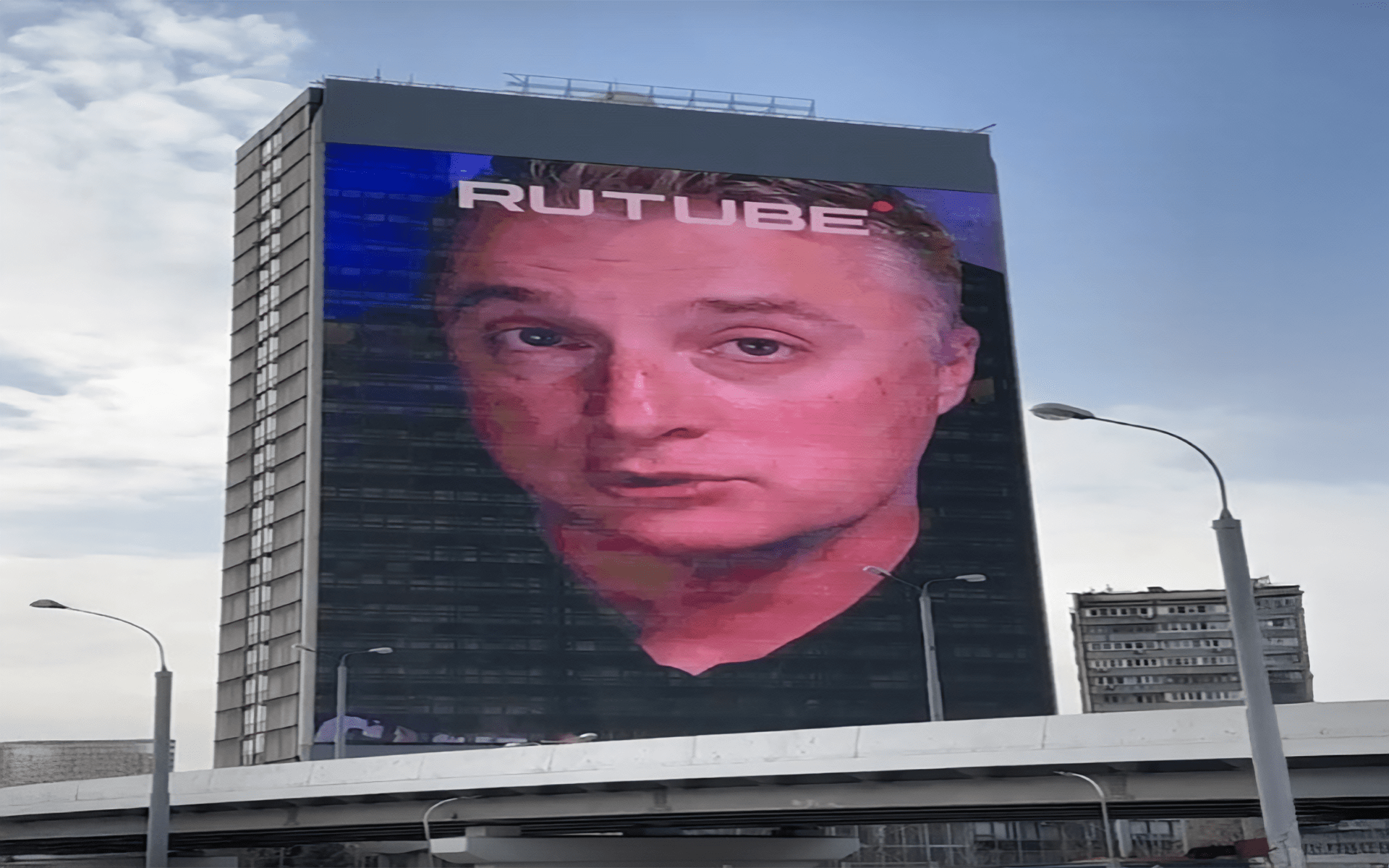
Open-source intelligence analysts have uncovered the hidden past of a Russian propagandist, linking him to a major Kremlin-backed disinformation network and a former role at a US defense contractor. This combination, they say, raises urgent national security concerns.
 Prefer U24 Media on Google
- Authors

-46f6afa2f66d31ff3df8ea1a8f5524ec.jpg "Photo of Jess Daly")
“Sanya in Florida” isn’t just another foreign pro-Russian blogger. He’s one of the Kremlin’s loudest propagandists abroad, who has built an empire of disinformation from the comfort of his home in the US. His Telegram channel, “Саня во Флориде”, boasts nearly a million followers, TikTok 145.5k, and his YouTube, more than 1.2 million, before it was taken down in January 2023 for his pro-Russian position.
TUA Research—an independent OSINT group—has given UNITED24 Media exclusive access to their investigation, uncovering how Sanya in Florida’s work goes far beyond propaganda, but reveals what they say is urgent counterintelligence, insider threat, and US national security concerns.
A Kremlin-linked propaganda machine
“Sanya in Florida” bombards his channels with anti-Ukrainian and pro-war content, much of it with brutal, racist, and sexist undertones.
He’s threatened Poland with future attacks on its railways, airfields, and power plants, and shares endless disinformation and fake news about Ukraine and its allies.
His channels have been promoted by the likes of Vladimir Solovyov, a Russian State-TV host and Putin propagandist who recently threatened that the Kremlin could strike the UK with missiles. “Sanya in Florida” has also been featured on various Russian state TV channels, including Rossia24 and Rossia1.
His channel is officially registered with Roskomnadzor (RKN), Russia’s state media regulator. This federal agency oversees all communications, information technologies, and mass media. In practice, RKN controls everything published online—and increasingly, even what’s searched on Google.
Inside the agency, a dedicated unit of over 1,000 employees tracks content critical of Putin, sending reports directly to the Presidential Administration and security services. With sweeping powers to access data on Russian devices, RKN can swiftly pursue criminal charges against anyone who crosses the regime’s red lines.
France’s Service for Vigilance and Protection against Foreign Digital Interference (VIGINUM ), has linked Sanya’s channel to a Russian military intelligence agency (GRU) associated disinformation group known as Storm-1516.
Sanya and Storm-1516
Storm-1516 has been active since August 2023 and has since launched multiple aggressive disinformation operations at an industrial scale, aimed at discrediting Ukraine and eroding trust across the West.
The group creates a false narrative, generating deceptively convincing articles and AI videos, and relies on its vast network of propagandists and pro-Kremlin voices, such as “Sanya in Florida,” to push its fake narratives.
VIGINUM also says that Sanya in Florida is likely to have been paid for, or activated by, Russian Information Manipulation Set (IMS) operators.
VIGINUM defines an IMS (Information Manipulation Set) as: a collection of behaviours, tools, tactics, techniques, procedures and adversary resources used by a malicious actor or group of actors as part of one or more information operations.
The Storm-1516 distribution chain is complex, but as identified by VIGINUM's “Analysis of the Russian Information Manipulation Set” report, dissemination of the disinformation is pushed through burner accounts, then amplified through pro-Russian actors, like “Sanya in Florida”.
This isn't just disloyalty; it's a documented, state-sanctioned link between US classified access and foreign influence operations.
TUA Research
VIGINUM believes that the “Sanya in Florida” channel, along with several others, is part of the final stage of amplification around anti-Ukrainian and anti-Western narratives, enabling content to be used to fuel internal Russian propaganda.
The VIGINUM report confirmed the involvement of individuals and organizations close to the Russian government activities, including a potential officer of the GRU Unit 29155 who has been publicly accused of financing and coordinating Storm-1516.
VIGINUM says that Storm-1516 meets the criteria of a foreign digital interference and represents a significant threat to the digital public debate.
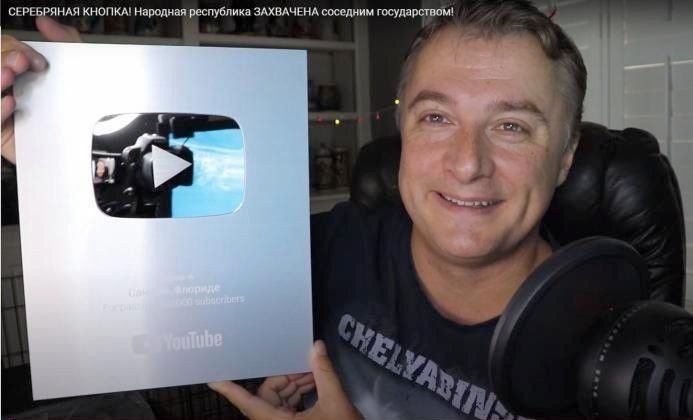
Who is Sanya in Florida?
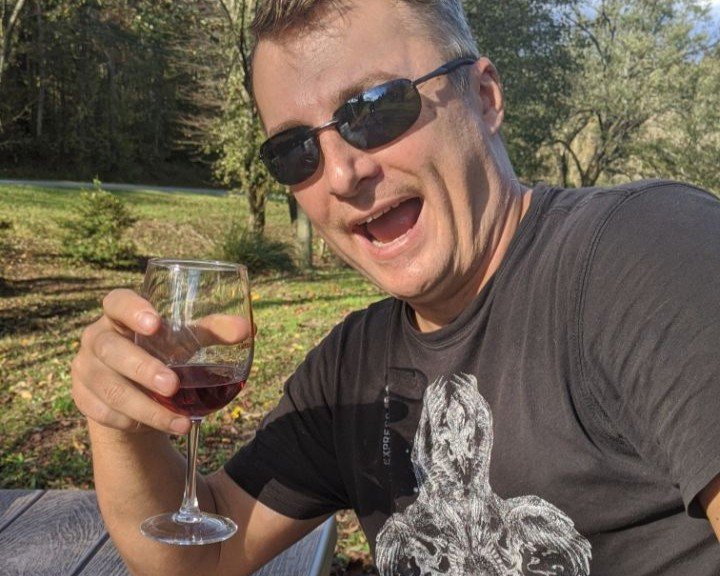
As his handle suggests, Sanya from Florida—whose real name is Alexandre (Alexander) Oureav—currently lives in Florida, US.
Oureav has dual US-Russian citizenship, and before his move to the US in 2002, he lived in Chelyabinsk, Russia. By his own account, he studied military science at the South Ural State University in Chelyabinsk.
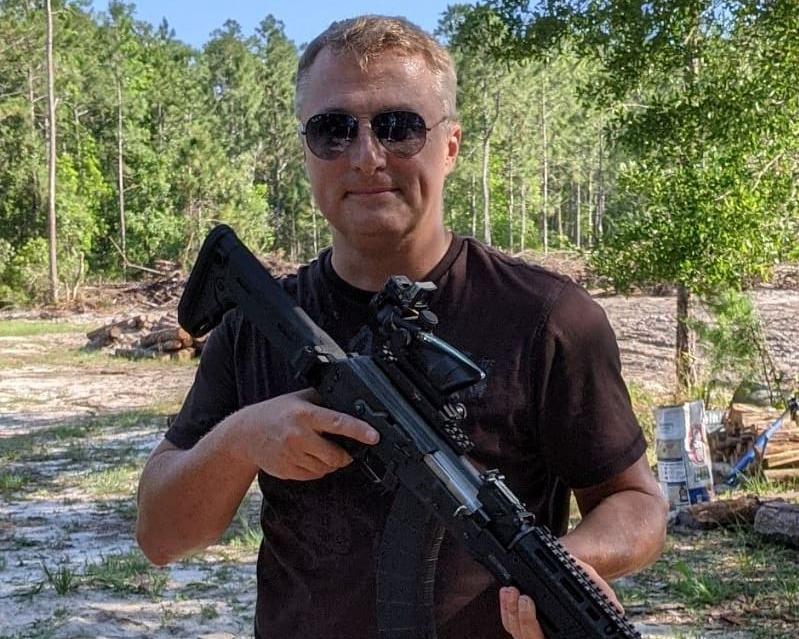
He started his channel back in 2018, which has grown exponentially since then. Before Russia’s full-scale invasion of Ukraine began, he largely focused on life in America, complaining about the price of healthcare, schooling, housing, and more.
Since Russia launched its full-scale war, he’s become a self-proclaimed “rich and informative resource for SVO news”.
“Sanya in Florida” has been key to disseminating Kremlin narratives throughout Russia’s war in Ukraine, a “significant node to Russia’s online propaganda ecosystem”, TUA says.
He's an interesting insight into many Russian immigrants' views on Russia, and their new homes. We've come across similar Russian expats across the Americas and Europe. They may have lived most of their lives abroad, but they are still loyal to the Motherland.
TUA Research
Sanya makes no effort to conceal his identity; he frequently posts personal photos and hosts a podcast in which he styles himself as an analyst of Russia’s war.
Through various open source techniques and information from database leaks, TUA has traced Sanya’s address, his contact details, and his working background, which also matched up to an Airbnb listing, with a much younger-looking photo of Sanya on his profile. This online trace left Sanya up for far more sinister questioning by TUA.
A national security threat?
TUA reports that he has held several IT positions in the United States, including work as a network engineer. The organization also identified a previous business registration for Dataserv Consulting Inc., listing his current home address as the principal office. Their investigation further found that his past clients included a Florida law enforcement agency and a high-precision machining company.
Most notably, TUA identifies one particular role as a primary concern. According to TUA, Oureav previously listed on his LinkedIn profile that he worked as a “Principal Network Engineer” at Science Applications International Corporation (SAIC), a major US technology and defense contractor.
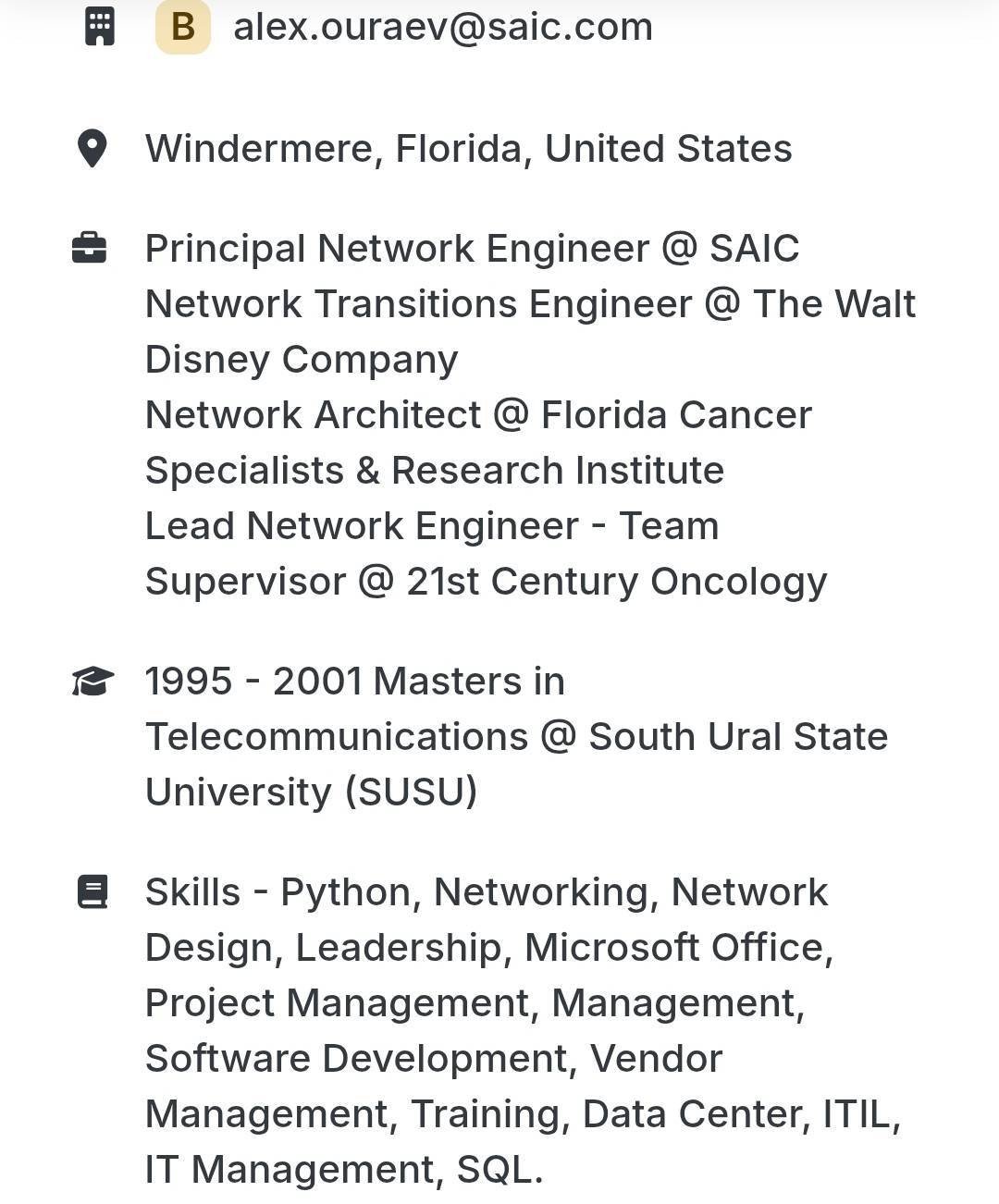
TUA also cites an email address associated with him that appears to confirm this employment. SAIC “provides government services and information technology support,” a role consistent with Oureav’s other positions in the tech sector.SAIC provides engineering, IT, cybersecurity, and intelligence services mainly to the US Department of Defense, NASA, and other federal agencies. Building and managing classified systems, military technologies, and government IT infrastructure that supports national security operations.
The kinds of information about their systems that he'd have been privy to are exactly the sort that Russian intelligence would absolutely love to get their hands on, and it's reasonable to surmise that they would have offered him significant incentives to disclose such information.
TUA Research
SAIC’s careers page states that candidates for a “Network Engineer Principal” position —albeit at a different location to where Sanya was apparently based—must have a TS/SCI clearance to start.
A Top Secret/Sensitive Compartmented Information (TS/SCI) clearance allows an individual access to classified national security information, the US department of State stated. Legal Clarity, a legal team specialising in government law, says that TS/SCI clearance ensures only thoroughly vetted individuals handle intelligence that, if leaked, could gravely harm national security.
Sanya represents a textbook counter-intelligence nightmare. A US security clearance holder actively leveraging their influence to spread Russian disinformation, while possessing a Roskomnadzor number, an administrative tie to the Kremlin’s censorship and surveillance apparatus.
TUA Research
TUA can’t confirm whether he still works there; however, on a Russian website, the analysts found a comment from an anonymous poster named “tank commander” who claimed responsibility for Oureav's dismissal from SAIC.
UNITED24 Media contacted SAIC for comment, but have not received a response.
Why It Matters for Ukraine, the US, and Beyond
A revived debate regarding whether or not Russian citizens should be granted EU visas is currently a hot topic, as Russia fuels hybrid warfare across the continent. At the same time, as we’ve reported before, Kremlin-linked elites exploit second passports to sneak dirty money into Europe and bankroll the war. Even teenagers have been groomed to conduct espionage operations for Russia.
As far back as 2017, US intelligence officials were already warning that Russian espionage activity was intensifying, CNN reported. Their concern wasn’t just the scale—but the tactics. In some cases, Russian operatives reportedly sought employment at organizations handling sensitive or classified information as part of broader intelligence-gathering efforts.
To be clear, there is no evidence that Oureav was involved in any such activity or that he acted as a Russian spy. However, his LinkedIn profile shows he worked at SAIC in 2018—a detail that, at the very least, warrants a closer look. It remains unclear what information Oureav may have had access to, or whether any of it reached his Kremlin contacts. But that uncertainty alone has raised serious alarms among intelligence analysts at TUA.
Even the possibility that Oureav could have accessed or passed sensitive material to Kremlin-linked operatives poses a potentially grave risk to US national security and its military support for Ukraine.
Ukraine is the frontline force dismantling Russia’s war machine every day on the battlefield, and the US supports its various operations. Recently, by providing Kyiv with detailed data on the most vulnerable points of Russia’s refineries and other energy facilities located far beyond the front line, an operation described as an attempt to weaken Russia’s economy and pressure leader Putin to negotiate.
Could Oureav have had access to the kind of intelligence needed for these kinds of operations? Has he shared military intelligence with Russia? This remains unclear.
TUA questions the quality of due diligence carried out by defense contractors in the West. Oureav is someone sitting directly in the limelight, but “how many others have been more careful?” TUA concludes.
Discuss this article:


-c439b7bd9030ecf9d5a4287dc361ba31.jpg "Photo of Katherina Popilnichenko")

-206008aed5f329e86c52788e3e423f23.jpg "Photo of Oleksandr Moiseienko")
-72b63a4e0c8c475ad81fe3eed3f63729.jpeg "Photo of Cyril Barabaltchouk")