- Category
- Latest news
Belarus Steps In to Keep Russia’s Pantsir Air Defense Alive Amid Production Strains
 Prefer U24 Media on Google
- Authors


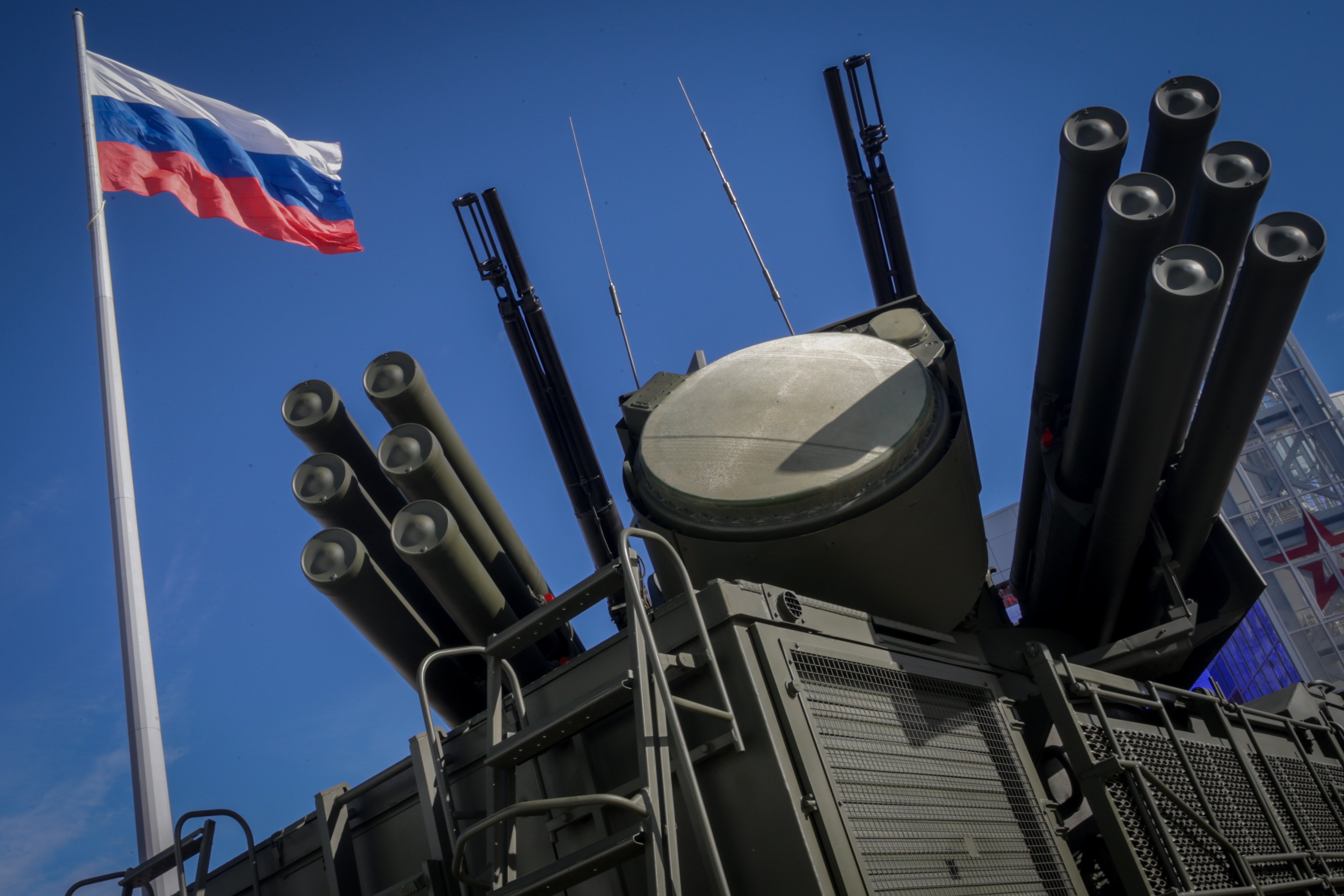
Russia may have received a batch of Belarusian-made MZKT-7930 chassis intended for its Pantsir-S air defense systems, potentially indicating both production capacity and ongoing limitations within its domestic defense industry.
We bring you stories from the ground. Your support keeps our team in the field.
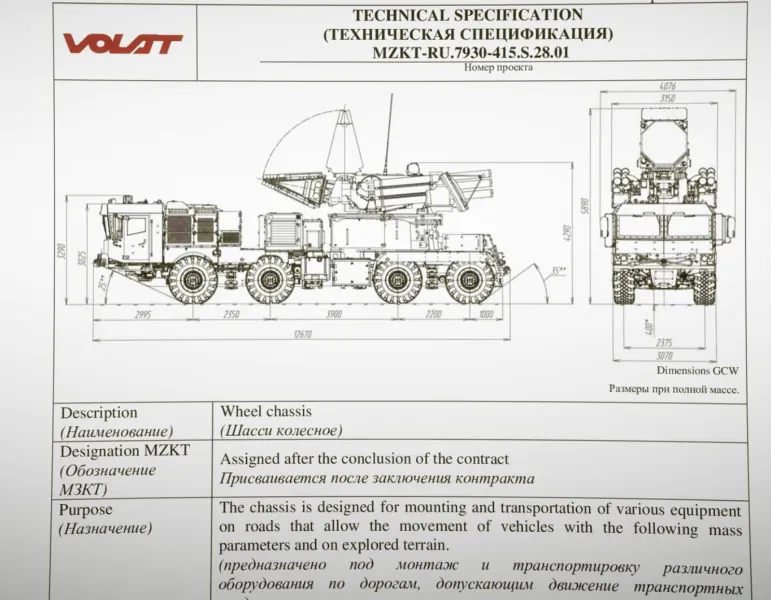
According to Defense Express on April 6, citing an earlier investigation by the Belarusian opposition initiative BelPol published in November 2025, Russia ordered 18 MZKT-7930-312 wheeled chassis from Belarus in early 2024.
The same investigation included technical documentation suggesting the integration of these platforms into Pantsir-S configurations.
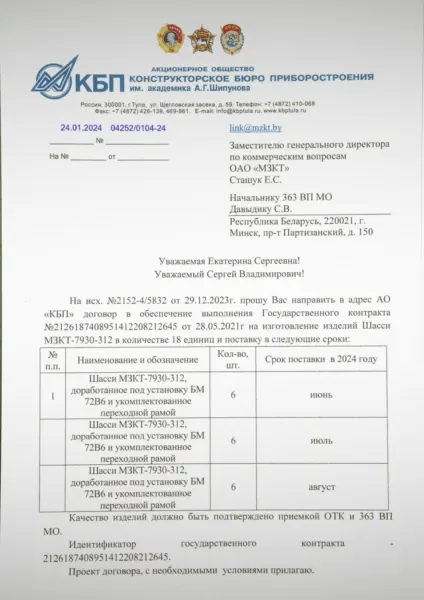
According to BelPol, the chassis were likely delivered within 2024, and testing of the configuration was reportedly completed by Russia’s Instrument Design Bureau (KBP) in Tula during the summer of that year. The contract between the two countries is said to have covered 18 units.
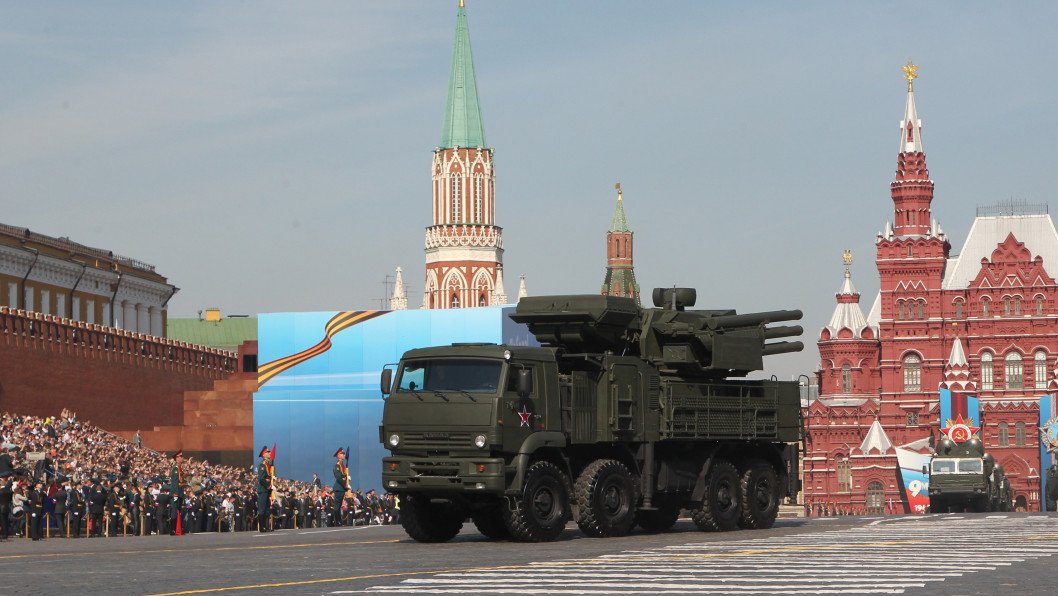
The MZKT-7930 is a heavy-duty, high-mobility platform traditionally used for various missile systems. Its use for Pantsir-S is not new—prototype versions of the system were previously mounted on this chassis in the early 2000s and displayed at international exhibitions.
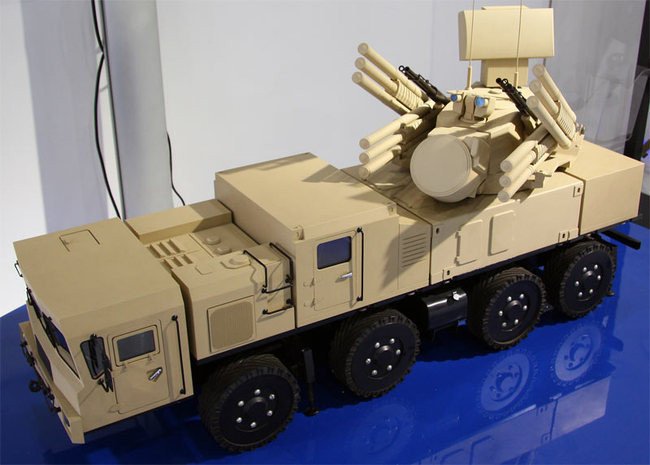
The renewed use of Belarusian platforms may reflect performance considerations, as Russian-made alternatives such as KamAZ chassis have been associated with lower off-road mobility and stability.
According to Defense Express, one of the Pantsir-S1 systems destroyed by Ukrainian forces near Azovstal in February 2026 appeared to use a non-standard configuration consistent with the MZKT chassis, suggesting these units may already be in operational use.
The reported order volume may also provide an indirect indicator of Russia’s production rate. If the supply of 18 chassis corresponds to a single production cycle, it could suggest that Russia is capable of manufacturing a similar number of Pantsir systems annually.
At the same time, the arrangement may highlight continued reliance on external suppliers for key components. According to BelPol, internal documentation from the Minsk Wheel Tractor Plant indicates a decline in financial stability due to reduced Russian defense orders overall.
In this context, the chassis contract may serve both as a technical solution for Russia and as economic support for Belarus’s defense industry.
The Pantsir-S system plays a central role in Russia’s short-range air defense, particularly for protecting strategic sites and countering drones and precision-guided weapons. Adjustments in its production base and configuration may reflect broader adaptations within Russia’s air defense network during the ongoing war in Ukraine.
Earlier, Russia moved to reinforce its air defense systems after mounting battlefield losses, introducing an anti-drone protection upgrade for Tor platforms that integrates electronic warfare modules, signal detectors, and jamming antennas. The system is designed to disrupt FPV drones at short range and reconnaissance drones at distances of up to 5 kilometers, though its effectiveness remains uncertain as Ukrainian drone technology continues to evolve.
Discuss this article:
-9a7b3a98ed5c506e0b77a6663f5727c5.png)


-c439b7bd9030ecf9d5a4287dc361ba31.jpg "Photo of Katherina Popilnichenko")