- Category
- Latest news
Could the UK’s MQ-9 Reapers Get a Second Life in Ukraine After 18 Years in Service?
 Prefer U24 Media on Google
- Authors


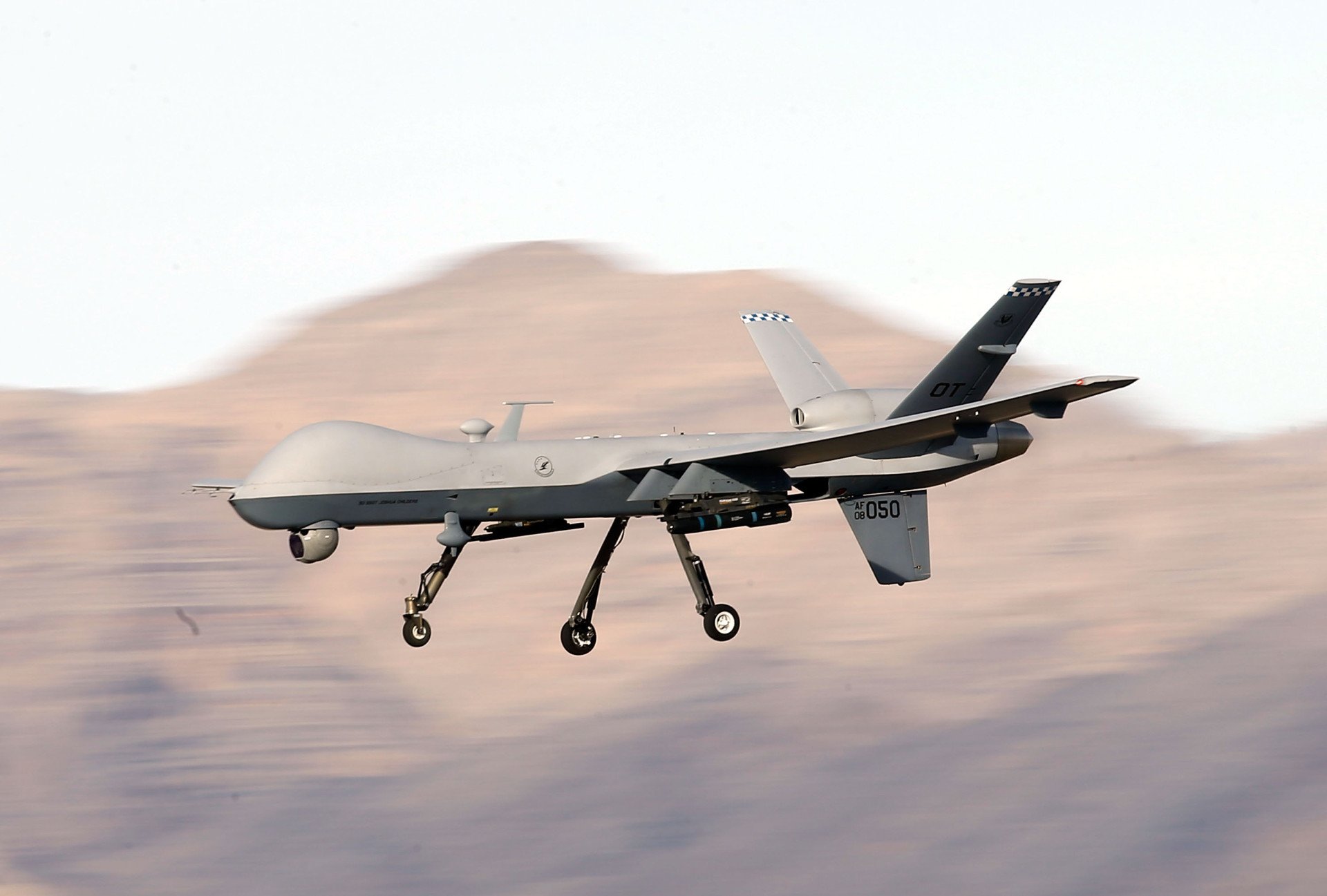
The Royal Air Force (RAF) has officially retired its MQ-9 Reaper drones after 18 years of service—and now all eyes are on what happens next, Ukrainian defense media outlet Defense Express reported on October 6.
With Ukraine constantly searching for better ways to shoot down Russian Shahed drones, some are wondering if Britain’s veteran Reapers could be the next “Shahed hunters.” But as always, things aren’t that simple, Defense Express noted.
✈️ After 18 years of service, the RAF’s MQ-9 Reaper has flown its final operational mission.
— Royal Air Force (@RoyalAirForce) October 3, 2025
🕐 173,000 hours flown
🌍 Afghanistan, Iraq, Syria
➡️ Will be replaced by the cutting-edge Protector RPAS pic.twitter.com/XlUxluqg8r
A long career comes to an end
The RAF wrapped up the final flight of its MQ-9 Reaper fleet this fall, marking the end of nearly two decades in the sky. Since first entering service in October 2007, the drones logged more than 173,000 flight hours—about 7,200 days of nonstop flying, or, as the RAF put it, the equivalent of 50 trips to the Moon and back.
In their early days, the British Reapers flew missions over Afghanistan, striking targets and gathering intelligence.
On second thought, fear the reaper.
— Tim Farmer (@timfarmer) February 3, 2025
Great footage of MQ-9 Reaper's ground operations and an in flight view of them firing AGM-114 Hellfire missiles. 😎
Needs more cowbell. pic.twitter.com/UOW3jFWhvQ
After losing one aircraft in 2008, the UK expanded its fleet to ten. Now, they’ll be replaced by the newer MQ-9B Protector, which has greater range, endurance, and improved systems across the board, Defense Express noted.
Could they end up in Ukraine?
On paper, retired Reapers sound like a perfect fit for Ukraine—long-range, heavily equipped, and capable of patrolling the skies for hours while hunting Russian Shaheds. But transferring them isn’t as straightforward as it sounds.
Because the MQ-9s are made by American corporation General Atomics, Washington would have to sign off on any deal. So far, the Biden administration has consistently said “no” to giving Ukraine these drones, citing concerns that sensitive technology could fall into Russian hands. What a future Trump administration might decide is anyone’s guess, Defense Express notes.
Not cheap or easy
Even if approval came through, Ukraine would still need to build the whole ecosystem around the drones—training operators and mechanics, setting up infrastructure, securing spare parts, and maintaining data links. And that’s not cheap.
There’s also the problem of vulnerability. The MQ-9 is a large, slow-moving aircraft that would be an easy target for Russian air defenses if it flew too close to the front. It’s a powerful tool, but not built for high-threat environments.
The “Shahed hunter”
Still, Defense Express analysts state there’s an intriguing idea floating around: repurposing the Reaper as a “Shahed killer.”
Armed with AIM-9 missiles, the drone could intercept slow-moving targets like Iranian-made Shaheds at a fraction of the cost of scrambling fighter jets—and without risking a pilot’s life.
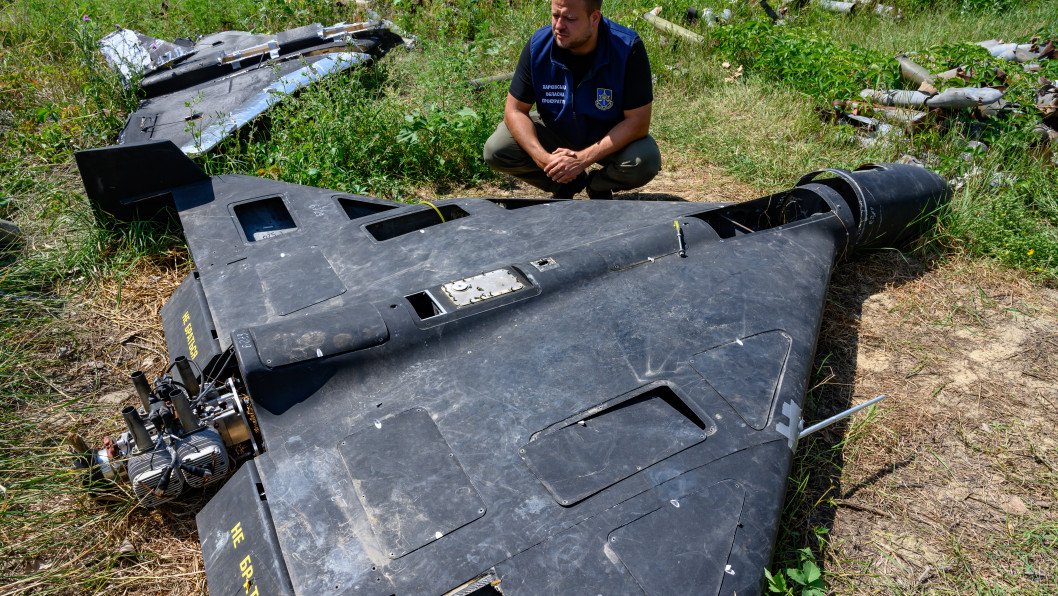
It’s not a perfect solution, but it could help ease the pressure on Ukraine’s air defenses, which face nightly drone and missile attacks across multiple regions.
Earlier, Ukrainian drone operators intercepted and destroyed a Russian Orion unmanned aerial vehicle, marking the first such downing for the 414th Separate Brigade of Unmanned Systems.
The Orion is often presented by Russian media as a counterpart to the US MQ-9 Reaper; its actual performance characteristics more closely resemble the retired MQ-1 Predator.
Discuss this article:



-80134f2dc17b4a887d01513a1c7bc929.png "Illustration of Russian military infrastructure targeted by Ukrainian strikes in temporarily occupied eastern Ukraine. (Source: General Staff of the Armed Forces of Ukraine)")