- Category
- Latest news
Drone Strike Wrecks Fuel Production at Gazprom’s Key Astrakhan Plant
 Prefer U24 Media on Google
- Authors


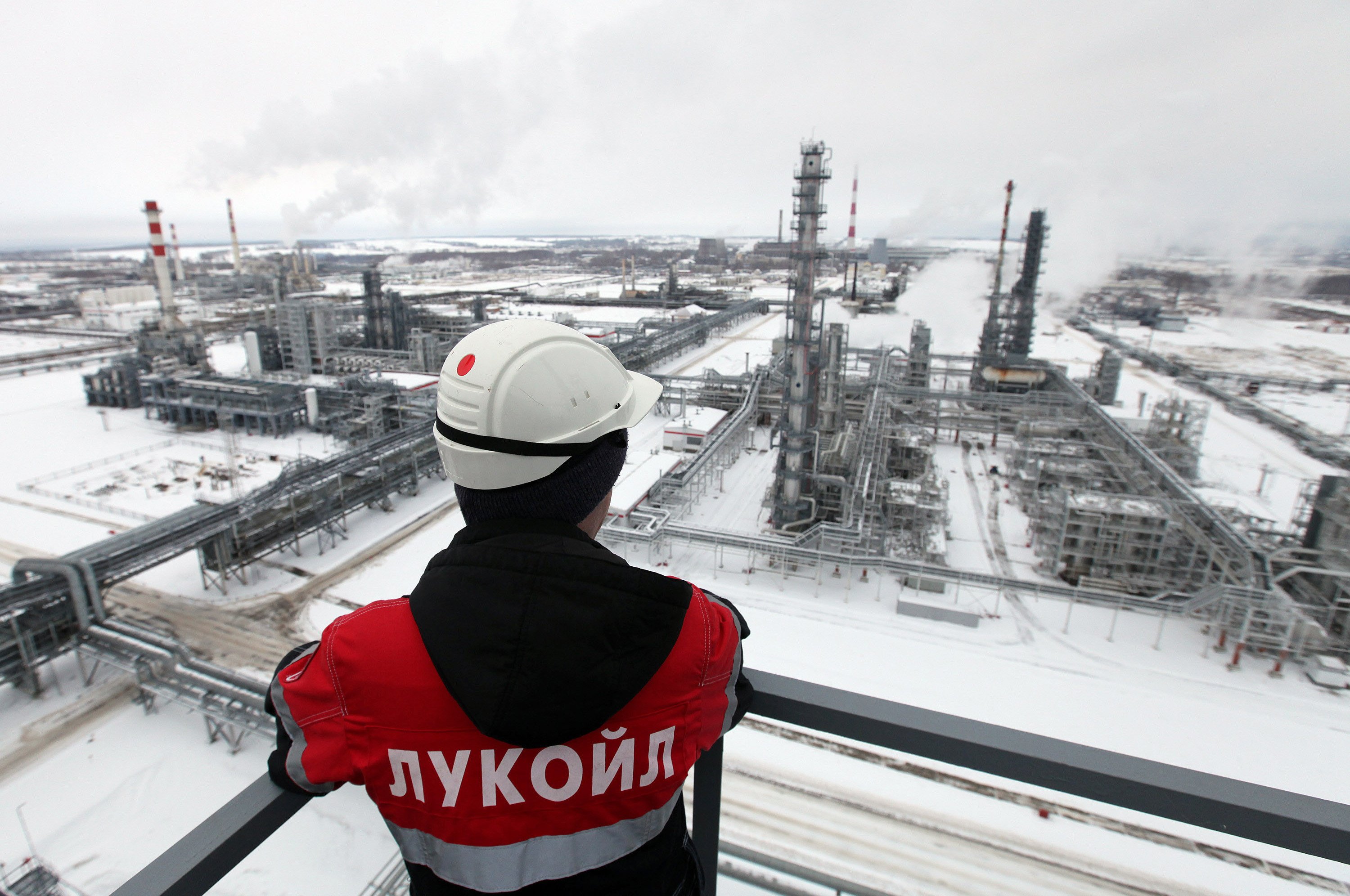
The Astrakhan Gas Processing Plant, operated by Gazprom, has suspended production of motor fuel following a fire caused by a drone attack on September 22, according to three industry sources cited by Reuters.
Sources told the agency that the blaze affected a key combined unit for processing stable condensate, known as U-1.731, with a capacity of 3 million tons per year. This installation is responsible for producing commercial gasoline and diesel fuel at the plant.
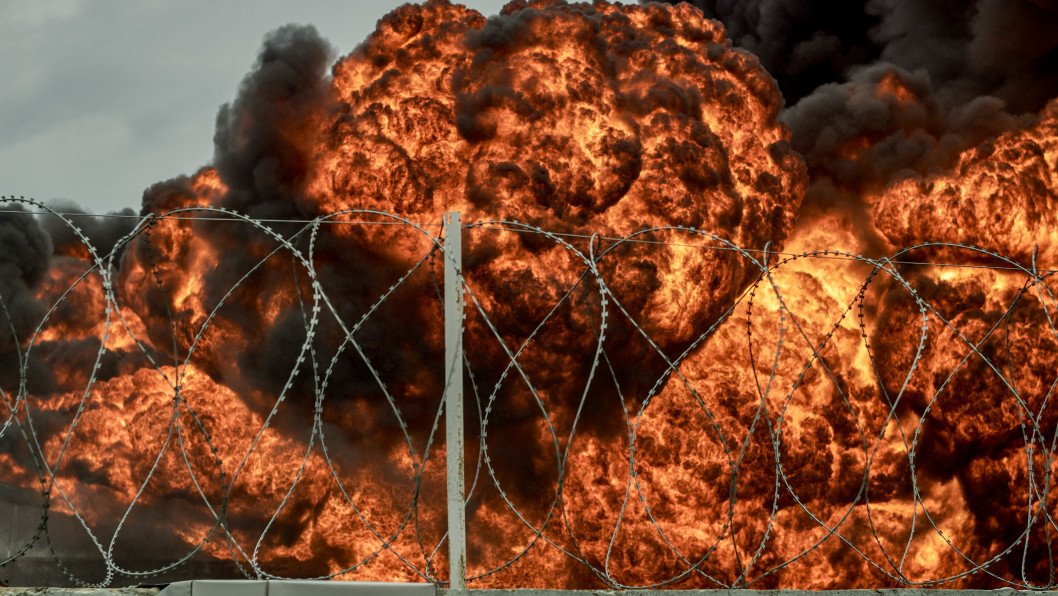
One source told Reuters: “The fire lasted for a long time… In the most optimistic scenario, repairs will take no less than three weeks, in the worst case — until the end of the year.”
Another source confirmed that the fire was triggered by unmanned aerial vehicles. “The fire was due to a drone raid. Restarting before November is the best-case scenario,” the source said.
Gazprom did not immediately respond to a request for comment, according to Reuters.
Regional governor Igor Babushkin wrote on his official Telegram channel that 13 Ukrainian drones were destroyed by local air defense systems the same night. He added that falling debris caused localized fires at industrial sites, which were quickly extinguished. He did not specify the affected plant.
Following the incident, the St. Petersburg Commodity Exchange halted sales of gasoline produced at the Astrakhan facility, Reuters reported. Diesel sales from the same plant had already been suspended earlier in September due to technical issues with hydrotreating equipment.
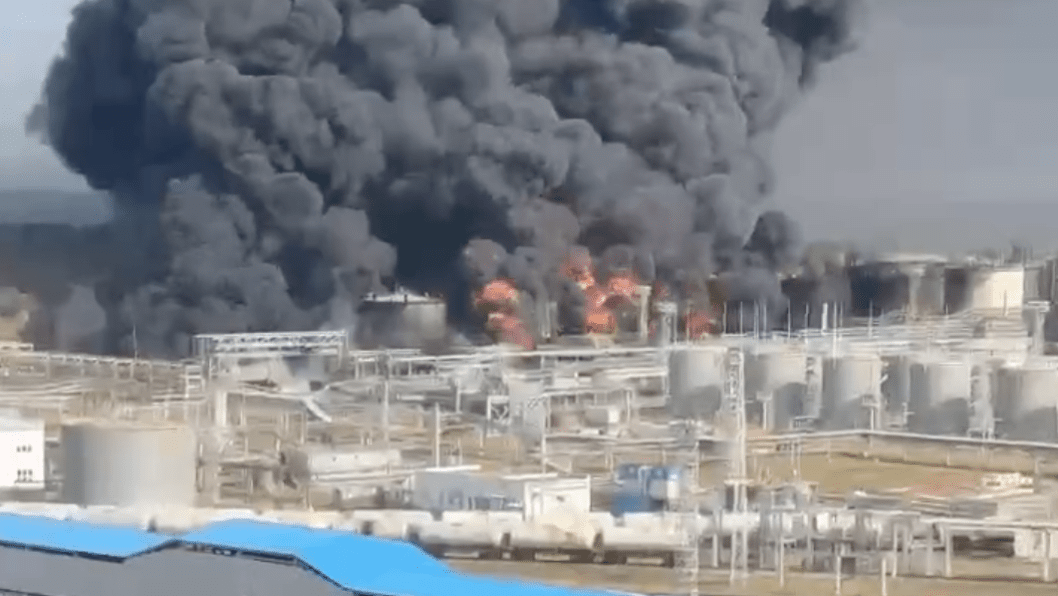
The Astrakhan plant had previously been shut down on February 3 after another drone strike damaged its fuel production unit. According to industry sources cited by Reuters, repairs were completed only in late August, with fuel output resuming in early September.
The facility, located near the Caspian Sea about 1,675 kilometers from Ukraine’s border, is one of Russia’s largest gas-chemical complexes. In 2024, it processed 1.8 million tons of condensate and produced 0.8 million tons of gasoline, 0.6 million tons of diesel, and 0.3 million tons of fuel oil, according to the agency.
Earlier, Ukrainian drone strikes on refineries triggered nationwide fuel shortages in Russia, spreading from remote regions to the European part of the country. Several major plants, including Ryazan, Saratov, and Volgograd, were forced to suspend operations, pushing gasoline prices to historic highs.
Discuss this article:



-c439b7bd9030ecf9d5a4287dc361ba31.jpg "Photo of Katherina Popilnichenko")