- Category
- Latest news
NASA Prepares Artemis III Mission as Next Step Toward Moon Landings
 Prefer U24 Media on Google
- Authors

-c439b7bd9030ecf9d5a4287dc361ba31.jpg "Photo of Katherina Popilnichenko")

NASA has begun preparations for the Artemis III mission scheduled for next year.
This mission aims to reduce risks for upcoming lunar landings following the successful return of Artemis II on April 10, according to Associated Press.
We bring you stories from the ground. Your support keeps our team in the field.
"The next mission is right around the corner," said Rick Henfling, the entry flight director, after the Artemis II landing.
In this newly added mission for next year, the crew of Artemis III will practice docking the Orion capsule with one or two lunar landers while in Earth's orbit.
The docking mechanism for this test flight has already arrived at the Kennedy Space Center in Florida. NASA plans to announce the crew for Artemis III shortly.
While NASA focuses on this next step, Elon Musk’s SpaceX and Jeff Bezos’s Blue Origin are competing for the opportunity to conduct the Artemis IV landing mission in 2028. That mission aims to send two astronauts to the lunar south pole.
This region is a priority for a planned lunar base estimated to cost between $20 billion and $30 billion. Experts believe the permanently shadowed craters there contain large amounts of ice which could provide water and rocket fuel.
The recent Artemis II mission involved NASA astronauts Reid Wiseman, Christina Koch, and Victor Glover, along with Canadian astronaut Jeremy Hansen. They spent 10 days traveling around the Moon aboard the Orion spacecraft.
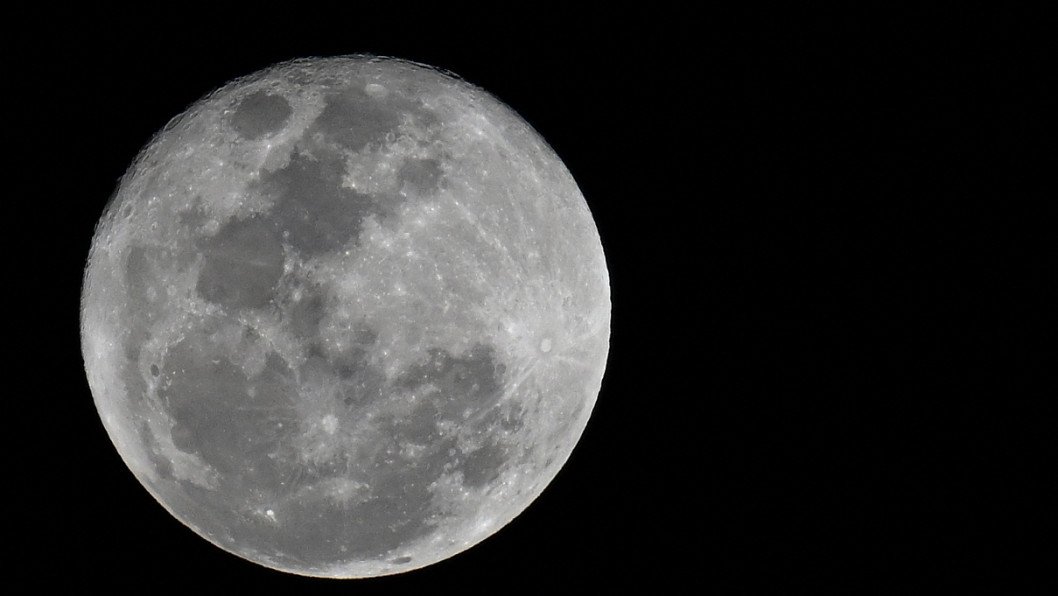
This was the first crewed flight into deep space since the Apollo missions of the 1970s. Although this specific journey did not include a landing, it served as a necessary step toward the 2028 goal.
The importance of the Artemis II mission lies in returning humans to deep space for the first time since 1972. By leaving low Earth orbit, NASA was able to test spacecraft systems in real conditions.
This testing is essential for the safety and reliability of future crewed missions. The flight functioned as a rehearsal for landing, allowing the crew to test life support, navigation, and daily operations for long-duration travel.
These results will form the foundation for Artemis III in 2027 and the expected lunar landing during the Artemis IV mission in 2028.
Discuss this article:




-1f578f5a5ef38e5508a947fecade1f6a.jpg "A fire burns inside a building following a Russian attack on Zaporizhzhia. (Source: State Emergency Service of Ukraine)")