- Category
- Latest news
Pentagon Readies Up to 4,000 US Troops for Middle East as 82nd Airborne Joins Buildup
 Prefer U24 Media on Google
- Authors

-111f0e5095e02c02446ffed57bfb0ab1.jpeg "Photo of Roman Kohanets")
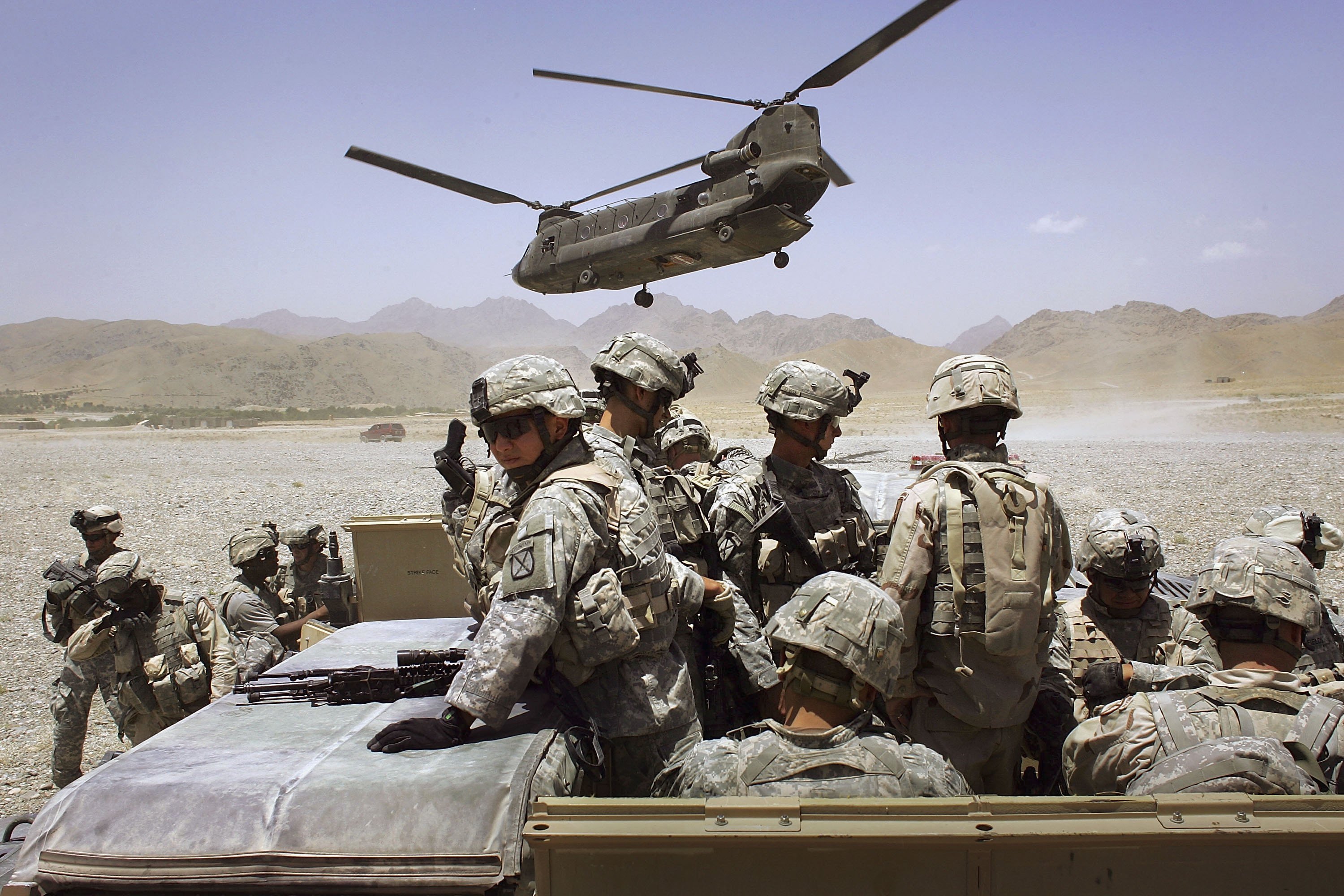
The Pentagon is expected to deploy between 3,000 and 4,000 additional US soldiers to the Middle East as Washington expands its military posture during the Iran war, according to Reuters on March 24.
The planned deployment would add to an already significant US buildup in the region, where roughly 50,000 American troops were stationed before the latest reinforcements.
Among the units expected to deploy is the 82nd Airborne Division, a rapid-response force based at Fort Bragg that is often used for fast-moving contingency operations.
We bring you stories from the ground. Your support keeps our team in the field.
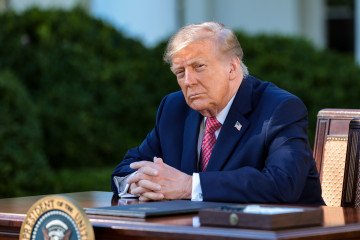
White House spokesperson Anna Kelly noted that “President Trump always has all military options at his disposal,” while the White House added that any formal announcements on troop movements would come from the Pentagon.
Reuters reported that the soldiers are based at Fort Bragg in North Carolina, though the sources did not specify where they would be sent or when they would arrive.
The move follows an earlier decision to send thousands of Marines and sailors aboard the USS Boxer and accompanying warships to the Middle East.
Reuters also reported that the Trump administration has considered options ranging from securing the Strait of Hormuz to possible operations on Iranian territory, though one source noted no decision has been made to send troops into Iran itself.
The deployment comes a day after Trump postponed threats to bomb Iranian power plants and described talks with Tehran as productive, a claim Iran rejected.
-9a1a8aa6bb981b0fb9d7186857f4a470.jpg)
The deployment is also unfolding as the United States explores a separate diplomatic track with Tehran.
Washington has sent Tehran a 15-point proposal meant to open a path out of the month-long war, with the package reportedly delivered through Pakistani intermediaries.
The outline reportedly presses for curbs on Iran’s ballistic missile arsenal, restrictions tied to its nuclear program, and guarantees over maritime security.
The diplomatic push comes as Iran’s blockade of the Strait of Hormuz continues to choke roughly a fifth of global oil and gas flows.
Pakistan’s army chief, Field Marshal Syed Asim Munir, has emerged as a key go-between, while Islamabad has signaled readiness to host substantive talks.
Discuss this article:

-c439b7bd9030ecf9d5a4287dc361ba31.jpg "Photo of Katherina Popilnichenko")