- Category
- Latest news
Royal Navy Chief Warns: Britain Is Close to Losing the Atlantic to Russia
 Prefer U24 Media on Google
- Authors


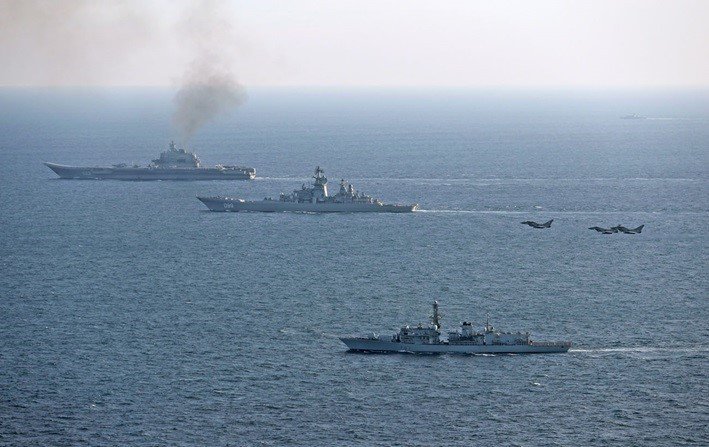
Britain is edging closer to losing control of the Atlantic for the first time since the end of World War II, the head of the Royal Navy has warned, citing surging Russian underwater activity and the rapid militarization of the northern fleet, The Times reported on December 8.
First Sea Lord General Sir Gwyn Jenkins delivered what the outlet describes as one of the most direct warnings issued by the Royal Navy in decades, saying the UK risks being overtaken beneath the waves unless it adapts at speed and secures deeper cooperation with NATO allies.
We bring you stories from the ground. Your support keeps our team in the field.
“The advantage that we have enjoyed in the Atlantic since the end of the Cold War, the Second World War, is at risk. We are holding on, but not by much,” Jenkins told the International Sea Power Conference in London. “There is no room for complacency. Our would-be opponents are investing billions. We have to step up or we will lose that advantage. We cannot let that happen.”
He pointed to significant Russian investment in naval capabilities—particularly the northern fleet—even while Moscow pays “the cost of their egregious illegal invasion of Ukraine,” remarking that the Kremlin has made expansion beneath the Atlantic a strategic priority.
According to The Times, Russian incursions into UK waters have risen by 30 percent over the past two years, including the presence of the intelligence-gathering vessel Yantar, suspected of mapping critical undersea cables and pipelines. Last month, the ship reportedly entered British waters and aimed lasers at military pilots.
Jenkins warned that the visible incidents represent only part of the threat: “It’s what’s going on under the waves that most concerns me.”
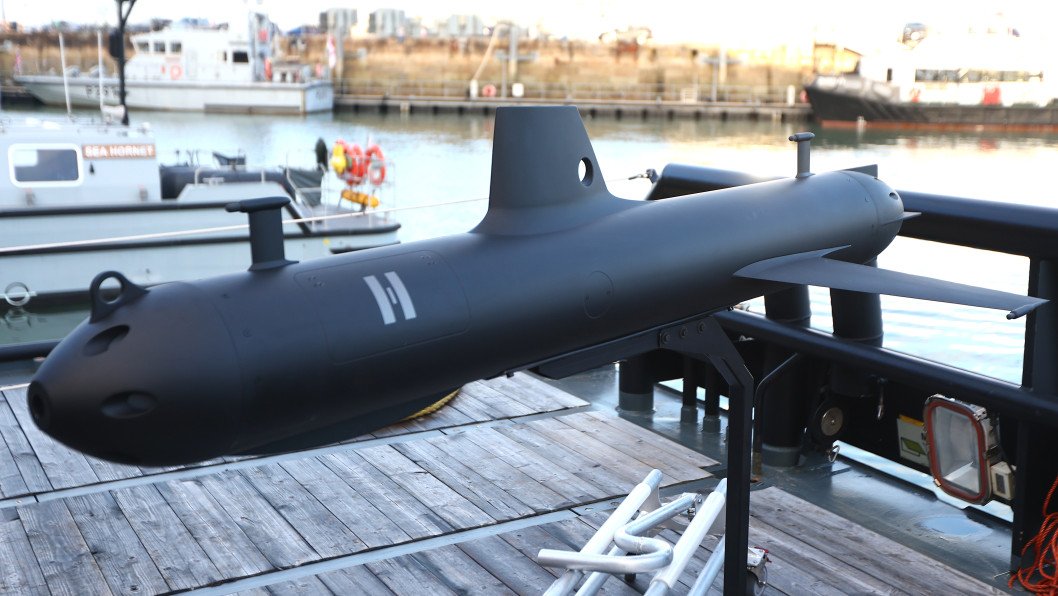
To counter the challenge, the Royal Navy is fielding new technologies to fight what officials now describe as a contest for “the underwater battlespace.” That includes autonomous underwater gliders capable of detecting submarines, and contracts expected next year for Atlantic Bastion—a network of autonomous sensors that will serve as “our eyes and ears” across the seabed.
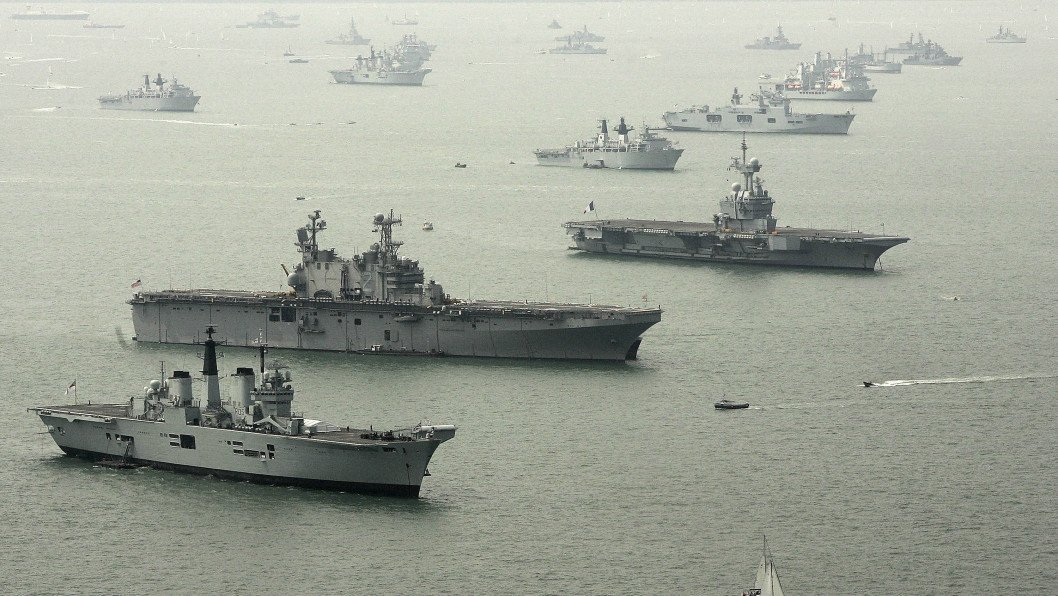
Jenkins assumed command in May, as the service continues to wrestle with its own constraints: ship availability, submarine readiness issues, and years of recruitment shortfalls. The Times notes that the UK’s aging Vanguard-class submarines carrying Trident nuclear missiles are being kept at sea for extended periods, while none of the five Astute-class attack submarines are believed to be operational due to refits and maintenance.
Earlier, reports emerged that Russia decided to scrap the K-132 Irkutsk, launched in 1988, a nuclear-powered cruise missile submarine once slated for a major weapons overhaul that was meant to transform it into a launch platform for Zircon hypersonic missiles, Oniks anti-ship missiles, and Kalibr cruise missiles.
Discuss this article:



-c439b7bd9030ecf9d5a4287dc361ba31.jpg "Photo of Katherina Popilnichenko")