- Category
- Latest news
Russia Admits It’s Falling Behind Ukraine in Heavy Combat Drones—and Scrambles to Catch Up
 Prefer U24 Media on Google
- Authors


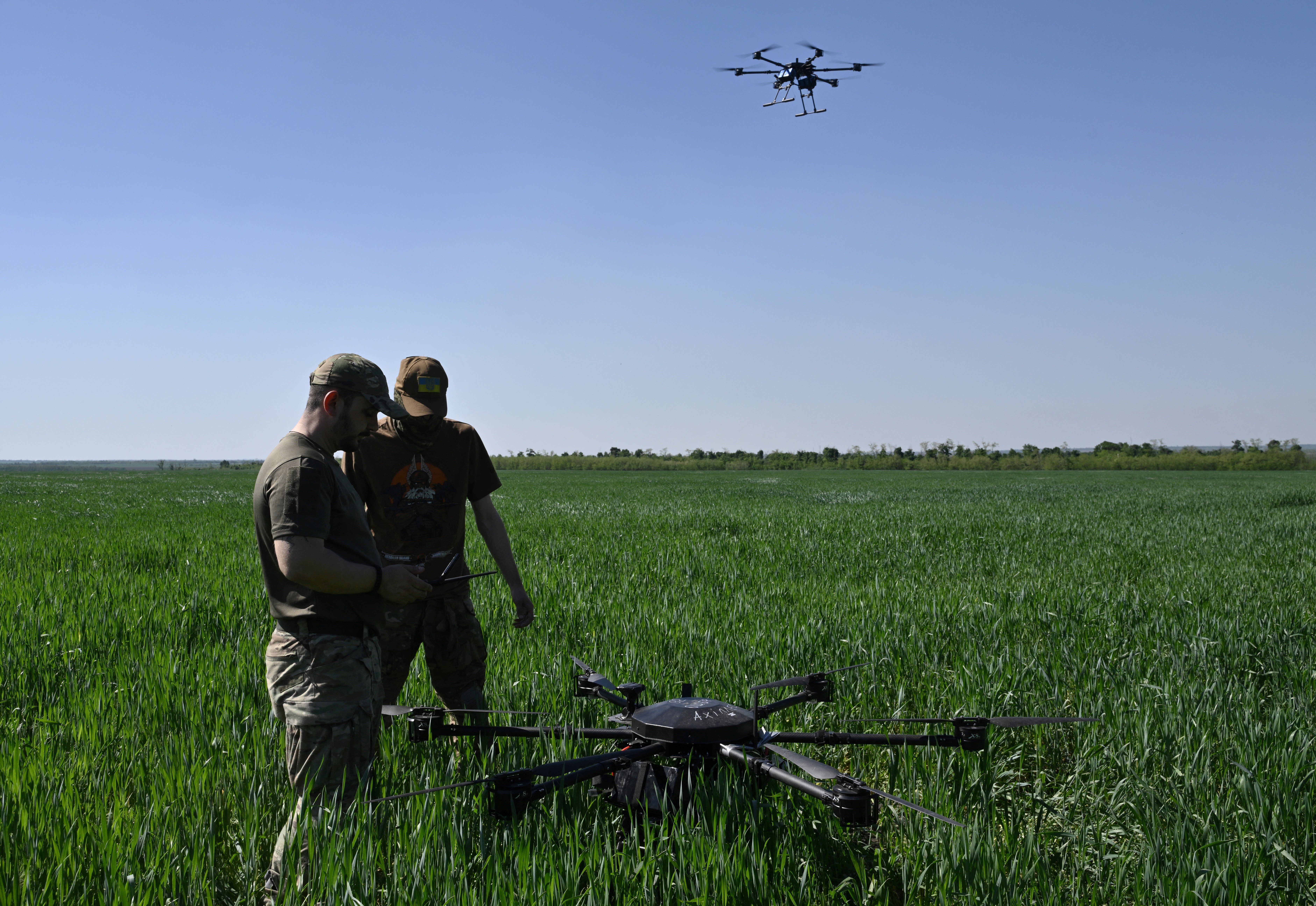
Russia has acknowledged that it is lagging behind Ukraine in the field of heavy unmanned aerial vehicles, a gap that Moscow now says it is working to close, according to Ukrainian defense outlet Defense Express on December 26.
Heavy multicopter drones are used both for strike missions and for transporting supplies on the battlefield, and Russian officials say this capability will be expanded within their forces.
We bring you stories from the ground. Your support keeps our team in the field.
During a recent televised “direct line” event, Russian leader Vladimir Putin openly admitted that Ukraine currently outperforms Russian forces in the number of heavy drones deployed at the front.
He specifically referenced drones of the so-called “Baba Yaga” type—a name Russian forces use to describe Ukrainian heavy drones such as the Vampire—and said Russia’s Ministry of Defense is now addressing the issue.
Vampire is 🇺🇦-made bomber drone that carries a payload of up to 15 kg to a distance of up to 20 km. It performs logistical tasks: delivers food and equipment to the front line. But its main mission is precise drops on enemy shelters and equipment.
— Defense of Ukraine (@DefenceU) October 23, 2025
📷: 67th Mechanized Brigade pic.twitter.com/VjWyN991XN
The admission is notable not only as a recognition of Russia’s technological shortfall, but also as a signal that Moscow understands the importance of heavy drones and intends to close the gap by leveraging its financial resources and defense-industrial capacity.
Against this backdrop, Russian media have recently reported that the company “Dronaks” is developing heavy transport drones capable of lifting payloads of more than 100 kilograms.
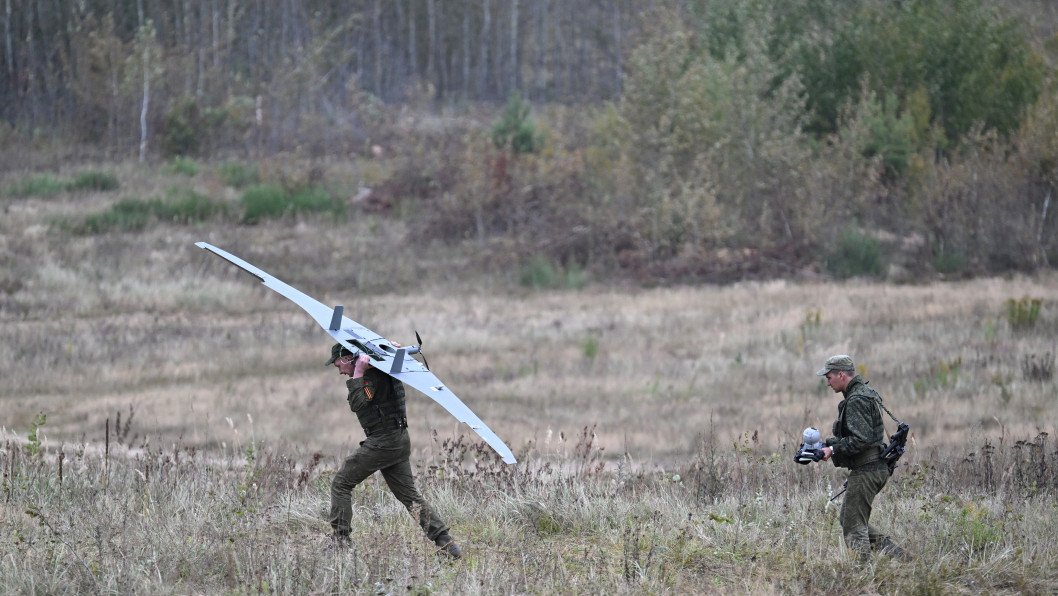
According to the company, such platforms would allow Russian forces to “cover new operational scenarios involving the transport of especially large cargoes.”
Russia has not specified whether these drones will also be used for strike missions, although heavy UAVs typically combine both transport and combat roles.
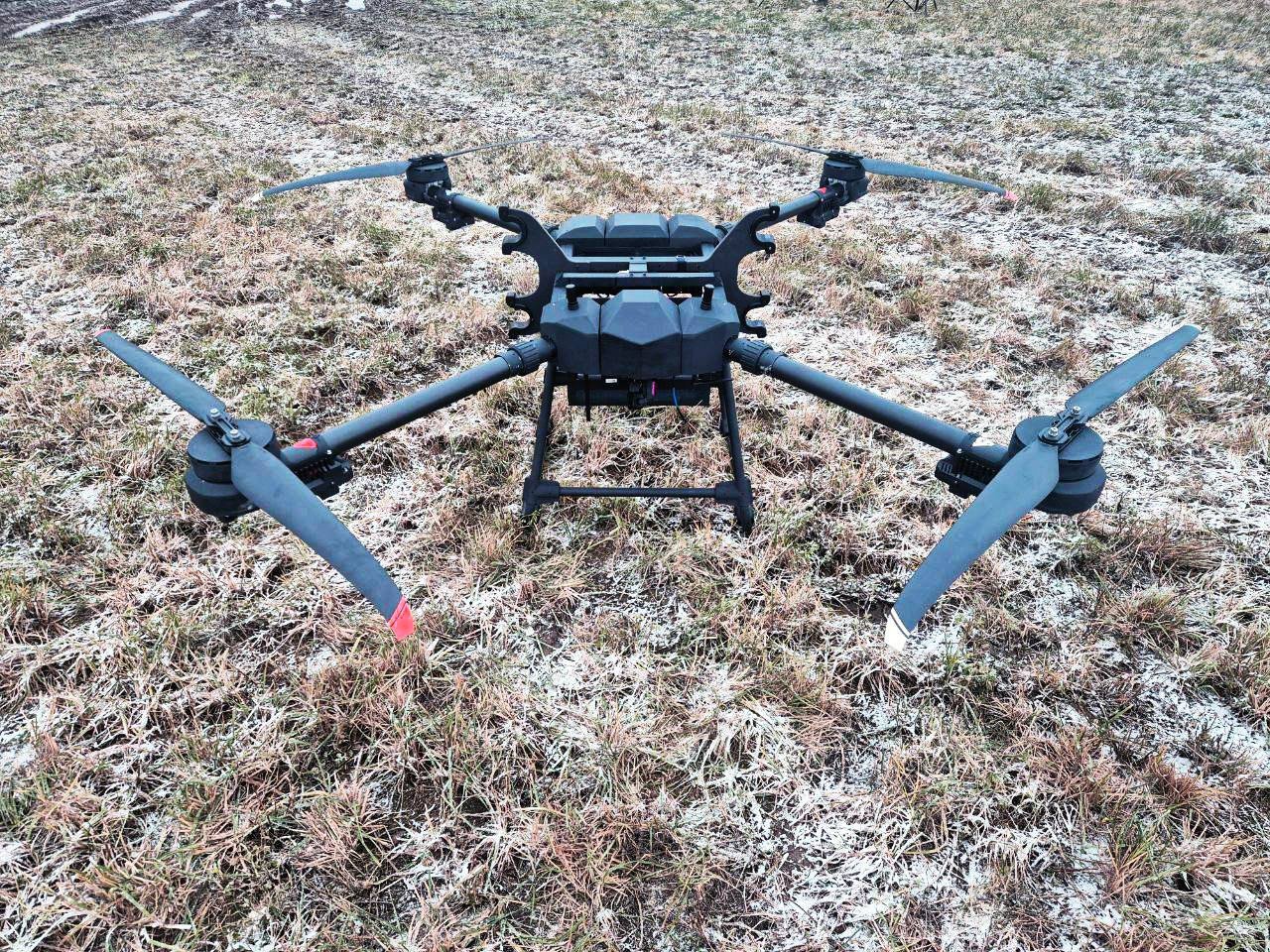
As an example, Dronaks’ earlier ChK-15SVO platform—also rated for payloads of up to 100 kilograms and recently entering testing—features a universal release system designed to drop both cargo and TM-62 anti-tank mines.
The developer has described this platform as a “qualitative leap,” marking a transition from small-cargo delivery drones to what it calls a “full-fledged unmanned transport platform.”
-ad0e7aa1db82e01d44b1a5b7c5f81e23.jpg)
At the same time, Russia already has several parallel projects focused on the development of heavy UAVs.
Earlier, Russian officials even outlined plans to create so-called “agricultural drone detachments” within UAV battalions—units equipped with modified agricultural multicopters and similar platforms adapted for military use.
Discuss this article: