- Category
- Latest news
Russia Altered Lavrov’s France 2 Interview, Rewriting Questions to Push Kremlin Narrative
 Prefer U24 Media on Google
- Authors


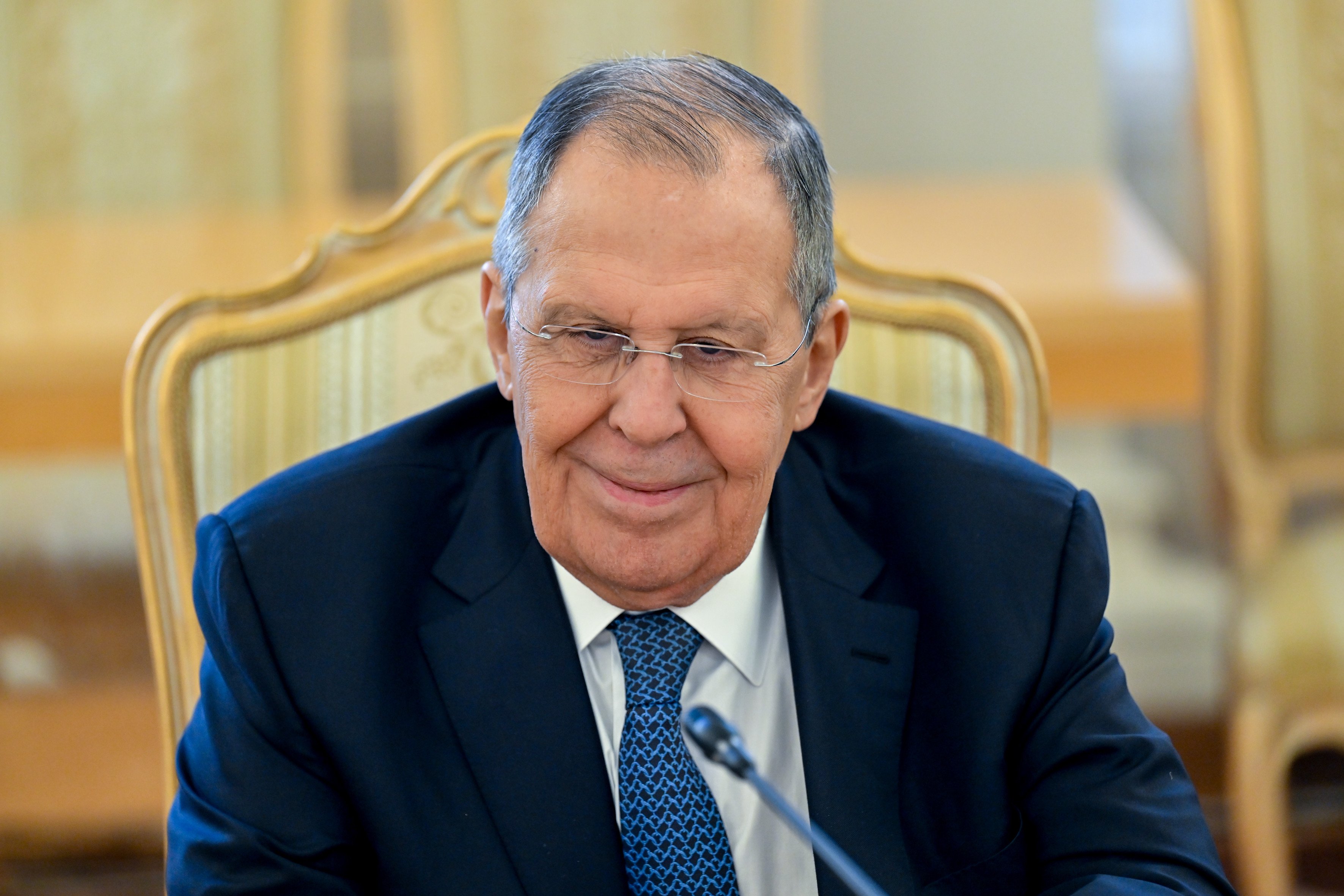
Russia’s Ministry of Foreign Affairs published a shortened Russian-language version of an interview with Foreign Minister Sergey Lavrov that altered key parts of the original exchange with French broadcaster France 2.
We bring you stories from the ground. Your support keeps our team in the field.
According to Franceinfo on April 3, the version released on the Russian Foreign Ministry’s official YouTube channel modified the meaning of several questions asked by journalist Léa Salamé and included phrases she did not say. The interview was originally aired by France 2 on March 26.
Franceinfo reports that one of the altered segments involved a question about Iran. In the original interview, Salamé stated that she had not heard Russia strongly defend its ally Iran. In the Russian-language version, this was changed to suggest that Russia had actively defended Iran, reversing the meaning of the question.
-bd18f94e55d7d6aa28b6bbaa68cf8c4c.png)
Another discrepancy cited by Franceinfo concerns references to civilian casualties in Ukraine. In the original broadcast, Salamé mentioned “tens of thousands” of Ukrainian civilians killed since the start of Russia’s full-scale invasion.
In the Russian version, this figure was reduced to “hundreds,” and the wording of the question was adjusted in a way that downplayed references to potential war crimes.
Franceinfo also reported that the Russian version added a phrase—“I understand you”—to Salamé’s remarks following a question about Russia as a perceived threat in France. According to the outlet, this phrase was not present in the original interview and creates the impression of agreement with Lavrov’s position.
The outlet further noted that the voiceover translation in the Russian version was mixed at a volume that made it difficult to hear the original French audio, even for viewers who understand French.
According to Franceinfo, the edited version is now being circulated by Russian authorities as part of their external and domestic messaging.
The original interview itself also drew criticism in both France and Ukraine. French Foreign Minister Jean-Noël Barrot said Lavrov had been allowed to present his position without sufficient challenge. Analysts cited by Franceinfo described the interview as lacking critical engagement, with one expert calling it “useless, poorly prepared and ultimately dangerous.”
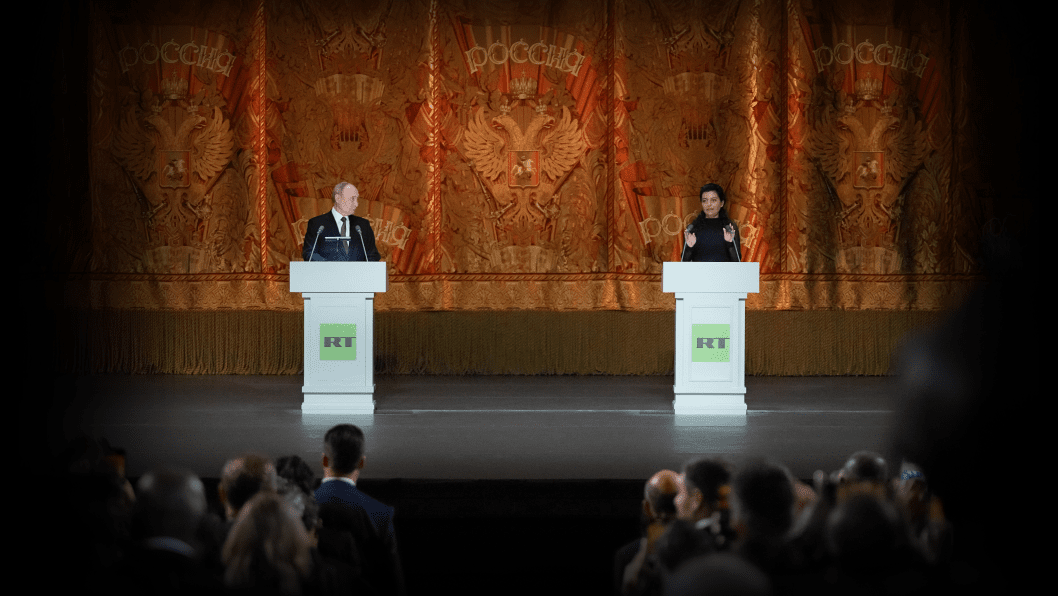
France Télévisions later defended the decision to air the interview. Philippe Corbé, head of news at the broadcaster, stated that the discussion had journalistic value due to Russia’s role as an ally of Iran.
The Russian Foreign Ministry has not publicly commented on the allegations regarding the altered translation.
Earlier, Russia significantly expanded its disinformation operations using artificial intelligence, with 540 cases of foreign information manipulation recorded in 2025. The report found that 27% of incidents involved AI-generated content, while Ukraine remained a primary target of campaigns aimed at undermining international support.
Discuss this article:
-9a7b3a98ed5c506e0b77a6663f5727c5.png)