- Category
- Latest news
Russian Kinzhal-Capable MiG-31s Over Baltic Trigger Patriot Alert Near NATO’s Ukraine Supply Hub
 Prefer U24 Media on Google
- Authors


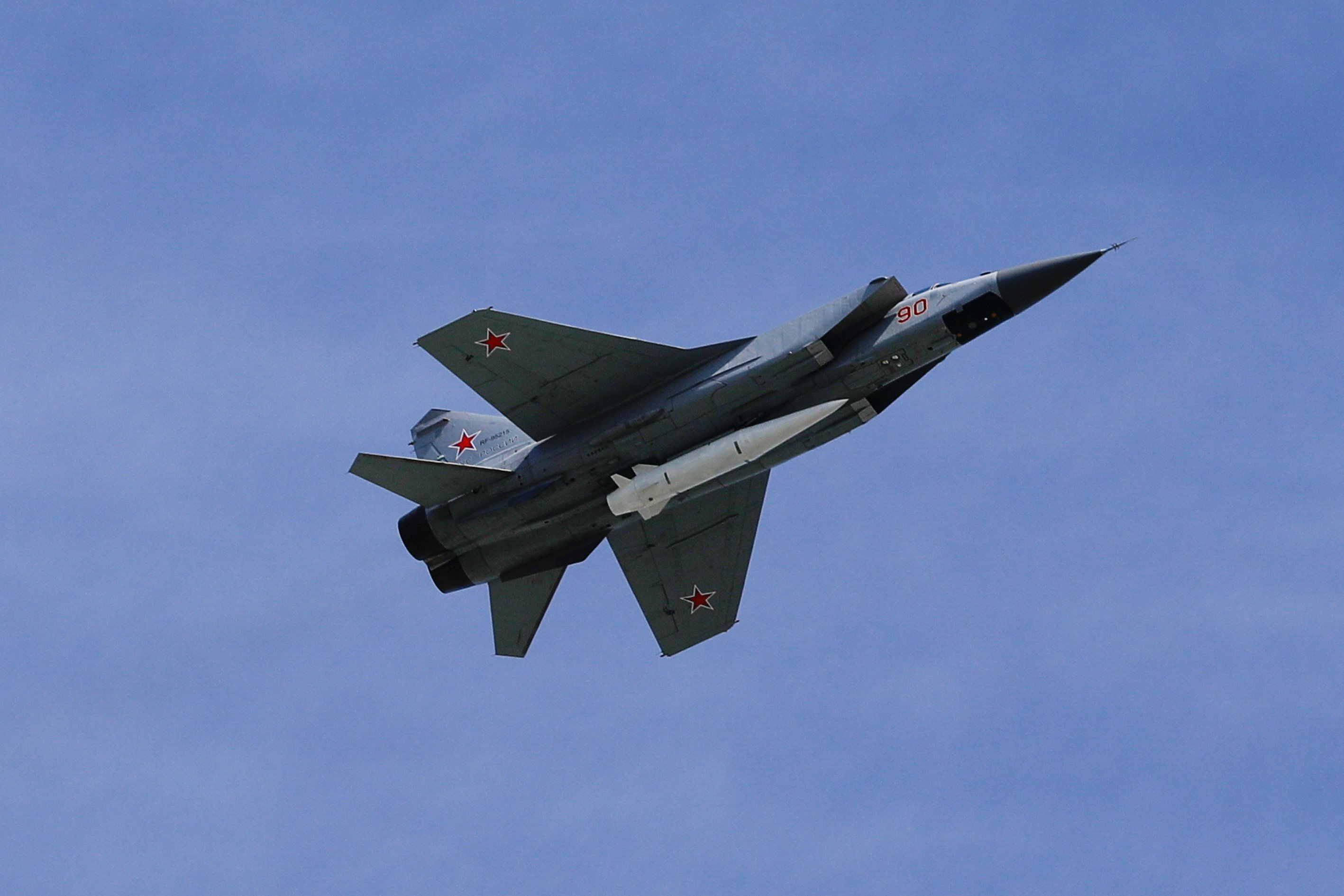
On November 28, Poland briefly placed its Patriot air defense systems at Rzeszów-Jasionka airport on high alert in response to the movement of four Russian MiG-31 fighter jets flying westward over the Baltic Sea while remaining in Russian airspace.
The aircraft are reportedly capable of carrying Kh-47M2 Kinzhal missiles, a hypersonic weapon with extended strike range.
According to Bild, the incident prompted Polish and German forces operating under NATO command to transition from routine surveillance to readiness status. The Rzeszów-Jasionka airfield serves as a major logistical hub for Western military support to Ukraine, and its defense is considered a high priority for NATO members.
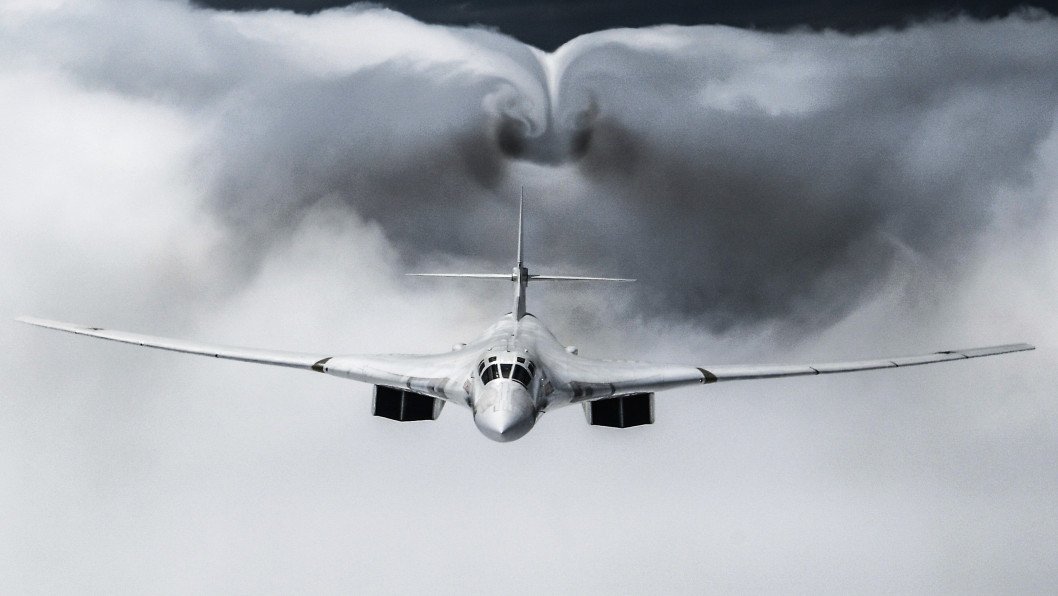
The MiG-31, originally developed in the Soviet Union during the 1970s, has been repurposed in its MiG-31K variant to carry the Kinzhal missile—a system derived from the Iskander short-range ballistic missile and modified for air launch.
When paired with the MiG-31K, the Kinzhal is estimated by Russian sources to have a combined range of approximately 2,000 kilometers, allowing for deep-strike capabilities from within Russian territory.
The Patriot batteries deployed at Rzeszów are operated by German forces and form part of NATO’s multi-layered air defense system in southeastern Poland. These systems are equipped with phased-array radar and PAC-2/PAC-3 interceptors capable of targeting both aircraft and ballistic missiles at long range and high altitude.

The alert status enabled the systems to shift into an engagement posture, where identification and interception of potential aerial threats could be executed within seconds.
Since the beginning of Russia’s full-scale invasion of Ukraine, MiG-31K aircraft have been used in multiple strikes against Ukrainian infrastructure using Kinzhal missiles. The presence of these aircraft in proximity to NATO airspace has increasingly been interpreted not as training activity, but as a signal aimed at testing NATO response protocols.
Bild cited NATO sources who characterized Russian flights involving MiG-31K aircraft as “repeated tests” of the alliance’s detection and response processes.
According to the report, the November 28 sortie served as a practical verification of NATO’s integrated air defense timelines, from initial radar contact over the Baltic to potential threat classification and engagement authorization.

The Polish Ministry of Defense and NATO command have not issued public statements on the alert, but the shift to readiness illustrates how closely high-value Russian platforms are now tracked and how rapidly NATO systems are prepared to respond, even when aircraft remain outside alliance airspace.
Earlier, Russian Tu-22M3 bombers armed with Kh-32 supersonic cruise missiles conducted a five-hour patrol over the Baltic Sea, escorted by Su-35S and Su-27 fighters. The formation was tracked by NATO and intercepted by Swedish QRA jets, according to the Russian Ministry of Defense and the Swedish Air Force.
Discuss this article:
-9bd5e1532102621f8fb1c4ba871a3171.png)


-72b63a4e0c8c475ad81fe3eed3f63729.jpeg "Photo of Cyril Barabaltchouk")
-190980de852660335650f69af6d832a6.jpg "Ukrainian servicewoman Kateryna “Ptashka” Polishchuk receives Lord Ashcroft Award for Courage in Warsaw, Poland. (Source: Ministry of Foreign Affairs)")