- Category
- Latest news
Ukraine Exposes Russian Krasnopol-M2 Guided Shell—and Companies Behind Its Production
 Prefer U24 Media on Google
- Authors


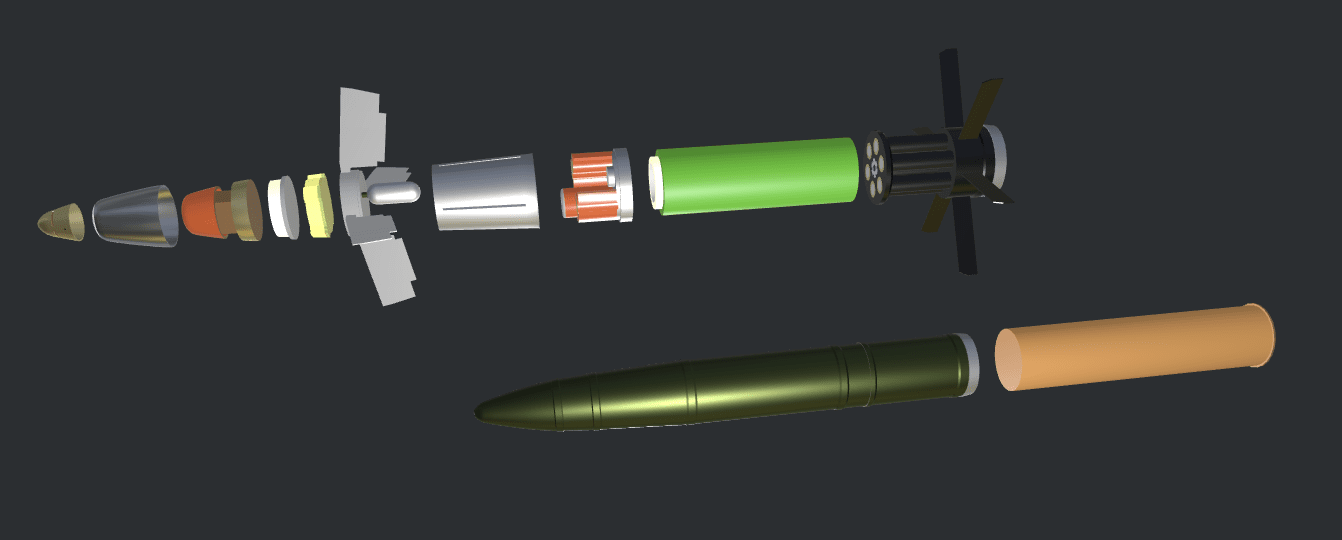
Ukraine’s Defense Intelligence (HUR) has published detailed information on Russia’s Krasnopol-M2 guided artillery munitions, including their components and the companies involved in their production.
According to a statement shared on Facebook on April 6, the information was released in the “Components in Weapons” section of the War&Sanctions portal.
We bring you stories from the ground. Your support keeps our team in the field.
The Krasnopol-M2 is a 152-mm guided high-explosive fragmentation shell used with self-propelled artillery systems such as the Msta-S and Akatsiya, as well as towed systems including the Msta-B and D-20. Targeting is carried out via laser designation, either from ground-based systems or drones, including the Orlan-30 and Granat-4.
“The Krasnopol-M2 round includes a guided high-explosive fragmentation projectile 3OF95, a propellant charge, and special packaging. Depending on the system modification and charge, the range exceeds 20 kilometers,” Ukraine’s military intelligence stated.
The agency identified the main developer and manufacturer of the munition as the Shipunov Instrument Design Bureau, which operates under the High-Precision Systems holding of the Russian state corporation Rostec. In early April, the company publicly reported additional deliveries of these shells for use in the war against Ukraine, according to HUR.

As part of the update, Ukraine’s intelligence also disclosed the internal structure of the shells and named 17 companies involved in their production. Notably, five of these enterprises remain unsanctioned by partner countries, despite their role in producing critical components, including guidance systems, actuator motors, and fuses.
The latest disclosures come as Russia continues to expand the use of Krasnopol-M2 munitions on the battlefield. According to Army Recognition, Moscow has confirmed additional frontline deliveries of these laser-guided artillery shells, reflecting a broader push to enhance precision strike capabilities amid Ukraine’s counter-battery operations and electronic warfare efforts.
Unlike satellite-guided munitions, the system relies on laser illumination during the final phase of flight, making it less susceptible to GPS jamming. However, this also requires a continuous line of sight to the target, typically provided by drones or forward observers.
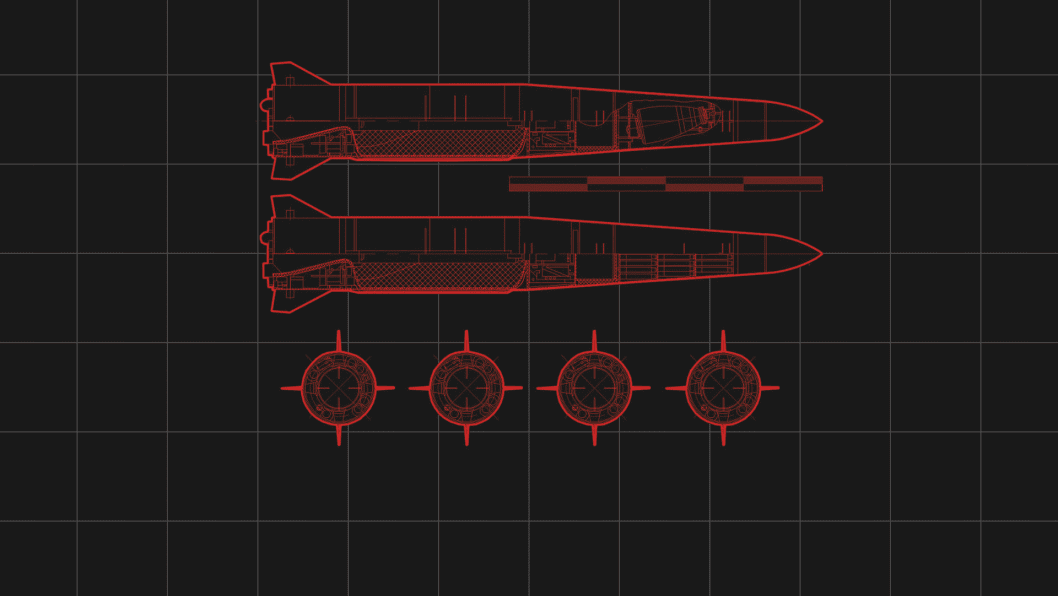
Russian forces have increasingly integrated Krasnopol rounds into coordinated operations with reconnaissance drones, using them to carry out precision strikes against Ukrainian artillery positions, armored vehicles, and command posts. This method enables rapid “shoot-and-move” tactics, reducing exposure to counter-battery fire.
At the same time, Russia’s Kalashnikov Concern has reported an increase in production of its Kitolov-2M precision-guided artillery shells, which are used with 122-mm D-30 howitzers and 2S1 Gvozdika systems.
Both the Kitolov-2M and Krasnopol-M2 rely on semi-active laser guidance systems. However, the Kitolov has a significantly shorter effective range of about 12 kilometers—roughly half that of the larger Krasnopol munitions—and carries a smaller warhead, containing around 5.3 kilograms of explosives compared to 9 to 11 kilograms in Krasnopol shellshur exposes
Discuss this article: