- Category
- Latest news
Why Major Russian Factories Are Shifting to Three-Day Workweeks
 Prefer U24 Media on Google
- Authors

-c439b7bd9030ecf9d5a4287dc361ba31.jpg "Photo of Katherina Popilnichenko")
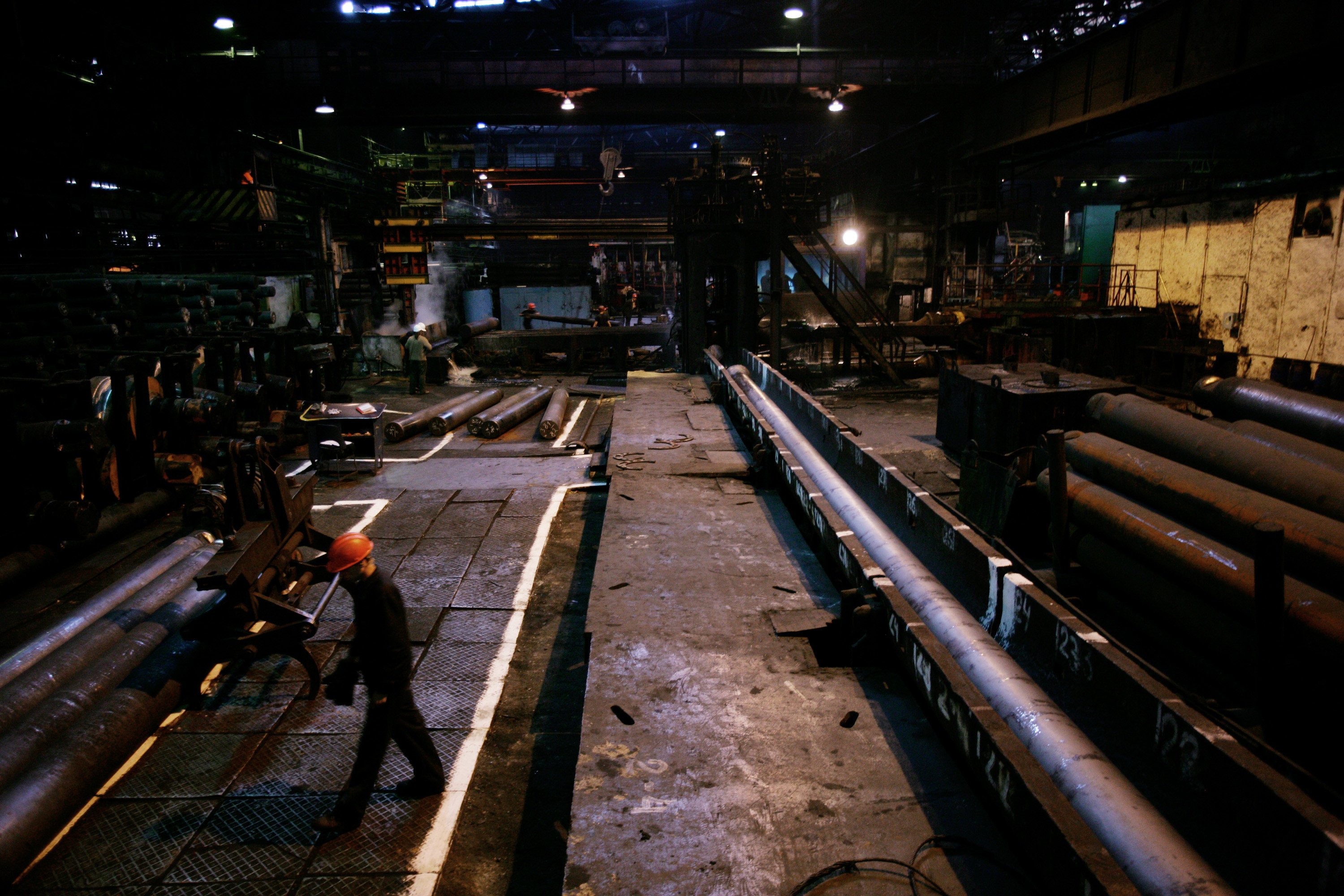
More than 20 enterprises in Russia’s Leningrad region have entered a period of downtime or reduced their work weeks.
Dozens of companies in Saint Petersburg and the surrounding region have scaled back operations or stopped entirely due to financial difficulties, according to The Moscow Times on March 30.
We bring you stories from the ground. Your support keeps our team in the field.
In Tikhvin, furniture production at a former IKEA factory, now owned by the "Luzales" woodworking holding, has paused. The company explained this decision by citing "delays in payment for sold products, which led to a shortage of working capital and the inability to purchase raw materials."
Starting May 1, a shortened schedule will begin at the "IZ-KARTEX" mining excavator plant in Kolpino. Approximately 38% of the staff will move to a three-day work week. The main reasons provided are "a drop in demand and the growth of customer debts."
By mid-March, eight enterprises in the Leningrad region had stopped production, and 16 others had cut their schedules, according to the regional government's economic bloc.
In Saint Petersburg, more than 1,300 employees across 53 organizations are currently in downtime. Additionally, over 2,150 people in 30 companies have been moved to part-time work, based on data from the city's labor and employment committee.
Similar trends are appearing across Russia. In March, Russian Railways, the Magnitogorsk Iron and Steel Works, and the Pipe Metallurgical Company announced optimization measures, including staff layoffs.
In 2025, at least ten Russian companies in the mining, transport, and machinery sectors reduced work weeks or cut staff to lower costs amid financial problems.
These included the world’s largest titanium producer "VSMPO-Avisma," the country’s top diamond miner "Alrosa," the cement producer "Tsemros," as well as "AvtoVAZ," "GAZ," and "KAMAZ."
Experts attribute these developments to a general decline in demand within civilian sectors and the difficult economic situation in Russia. Factories not connected to the defense sector face underfunding, forcing them to cancel projects and modernization programs, according to Elena Tkachenko, a professor of economics and production management.
She believes the situation will continue to worsen "if radical measures related to a change in economic policy are not taken." Alexander Khodachek, vice president of HSE University in Saint Petersburg, confirms that the position of enterprises continues to decline, though the reasons vary "from supply chain disruptions and shortages of components to technological production stops."
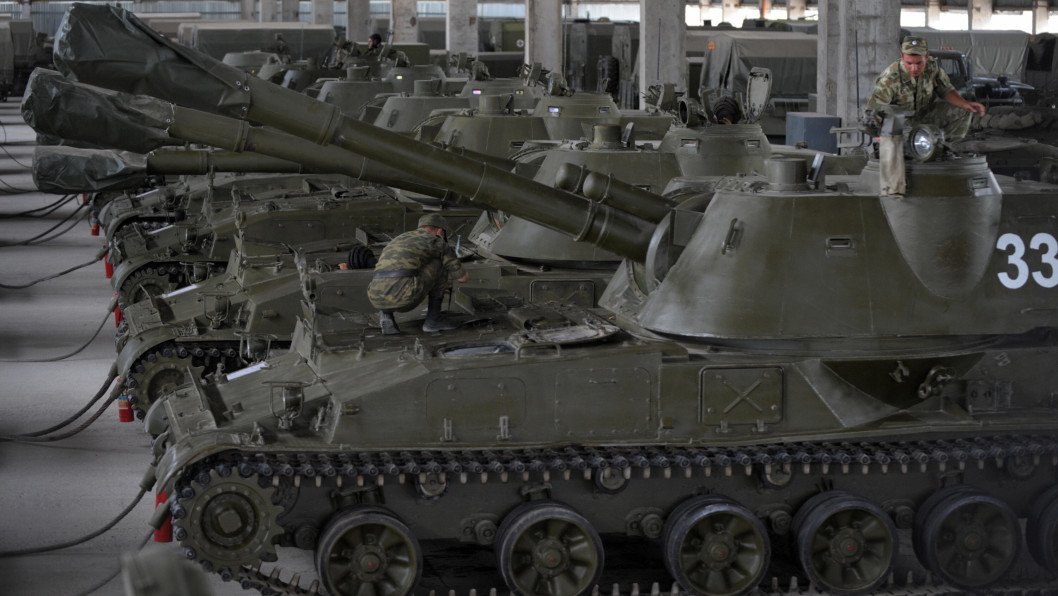
At the beginning of 2026, civilian branches of Russian industry saw an accelerated decline, according to the CMASF analytical center. Their data shows that over the three winter months, production decreased by 2% when excluding sectors dominated by the military-industrial complex.
Economic Development Minister Maxim Reshetnikov advised "not to count on an economic acceleration this year."
Russia’s industrial output had slipped into a notable decline, marking a general slowdown of the economy and a deepening downturn in civilian manufacturing.
According to official data, manufacturing output dropped by 1% in November, which represented the first contraction in the sector since early 2023. This decline was driven largely by non-resource industries, as sectors such as automotive manufacturing, furniture production, and wood products posted sharp losses.
Economists warned at the time that the country was increasingly facing a "guns versus butter" dilemma, as the economy could no longer sustain simultaneous growth in both the military-industrial complex and the civilian sector.
Discuss this article: