- Category
- Life in Ukraine
Pregnant at the Brink of War: The Story of A Woman Who Fled 13,000 Kilometers to Save Her Baby
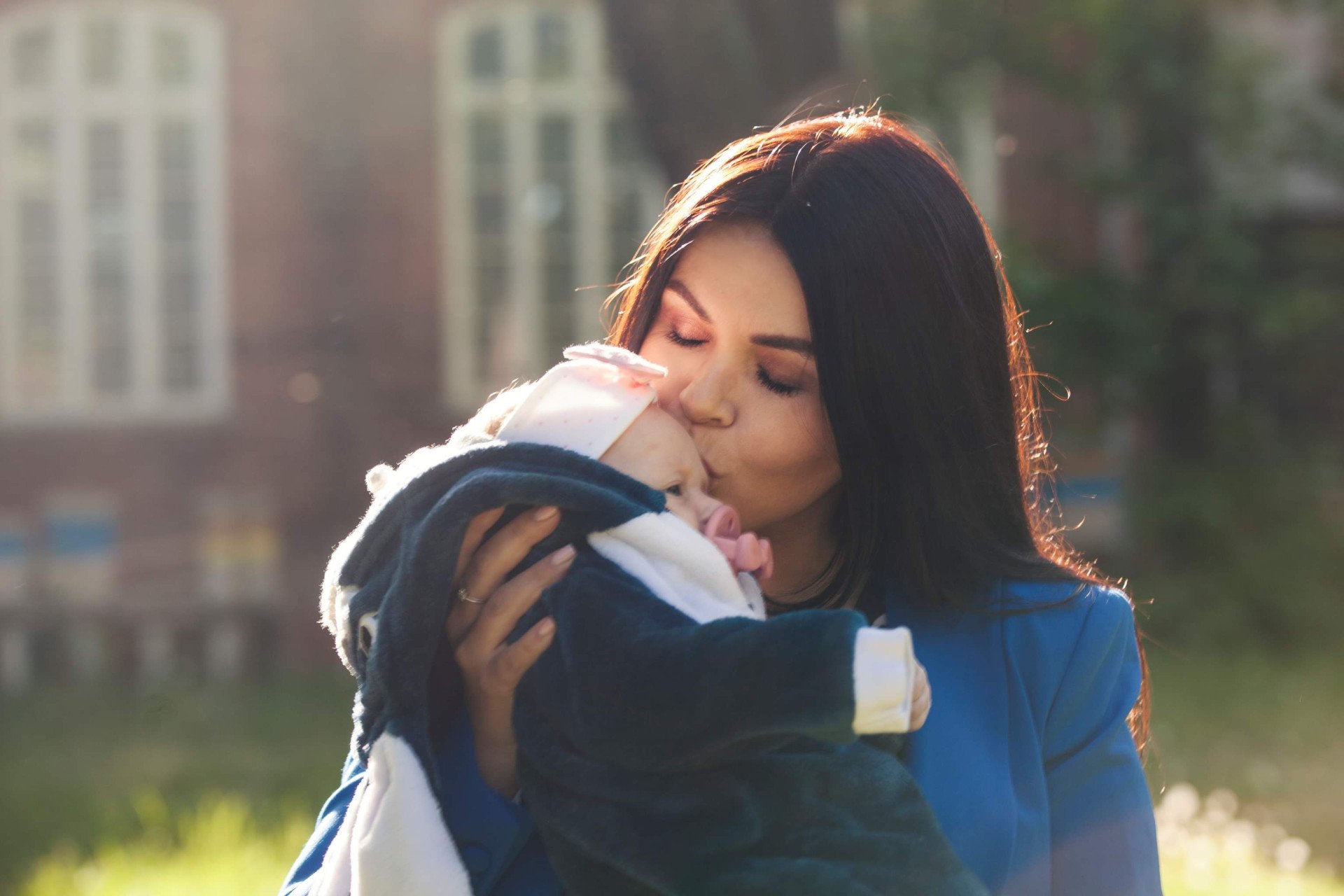
After Russian bombs struck her Kyiv maternity hospital, heavily pregnant Olesia was forced to flee—beginning a 13,000-kilometer odyssey that saw her give birth in New York just days after appearing on CNN to urge the world to protect Ukrainian children. All the while, her heart remained in Kyiv.
 Prefer U24 Media on Google
- Authors


Near the top of a hill in central Kyiv stands a quaint, brightly colored building adorned with purple flowers. It is guarded by a black cat and a life-size witch. Above the entrance, the sign reads “Lysa Hora”—Bald Mountain.
I’m here to meet Olesia Ostafiieva, who welcomes me to her witch-themed cocktail bar with a smile and a peculiar five-word introduction: “I am not a witch.”
But maybe it runs in the family. Her great-grandmother was a sheptukha—a healer people turned to when doctors failed.
“Witches were considered smart and powerful women in Ukraine,” said Olesia. “We didn’t have the Inquisition, but we did have Magdeburg law, so it was forbidden (for witches) to make communities. So they met outside the city, on Bald Mountain. There are now 13 Bald Mountains around Kyiv.”
Fourteen, if you count the bar.
But we’re not here just for cocktails. We’re about to embark on a journey in which Olesia will believe in both magic and human resilience—a journey that began the day Russia launched a full-scale war against her, her friends, her people, and her yet unborn baby.
The first days of war
On Wednesday evening, February 23, 2022, a heavily pregnant Olesia was celebrating a surprise baby shower with her sister Ira and a few close friends at “Home Cafe” in Kyiv. None of them knew that within hours, they’d be forced to flee their own homes and scatter across the country, Europe, and beyond in search of safety.
“Everyone in the restaurant spoke about war,” says Olesia. “And all of them found reasons why it's not possible. All of us had go bags with documents and money, but it's like a psychological technique. It's very hard to believe there’ll be a war.”

Olesia and Ira woke to the sounds of explosions around 5 a.m. on February 24, 2022. Within half an hour, there were three-hour-long queues at the gas stations as swathes of people began evacuating the city. After refueling, they headed to the maternity ward for a scheduled checkup, though most screenings were unavailable because the doctors couldn’t make it to the hospital that day.
In the evening, they joined her friend Nadiia and her family at their village cottage just outside the city. Olesia and Nadiia are co-owners of the Lysa Hora bar, and she was one of the few friends who had taken the threat of Russian invasion seriously, stocking up on supplies ahead of time. “Nadiia had bought a lot of items like medical supplies and food,” said Olesia. “I felt that she was a little bit crazy. Well, we used it when the war started.”
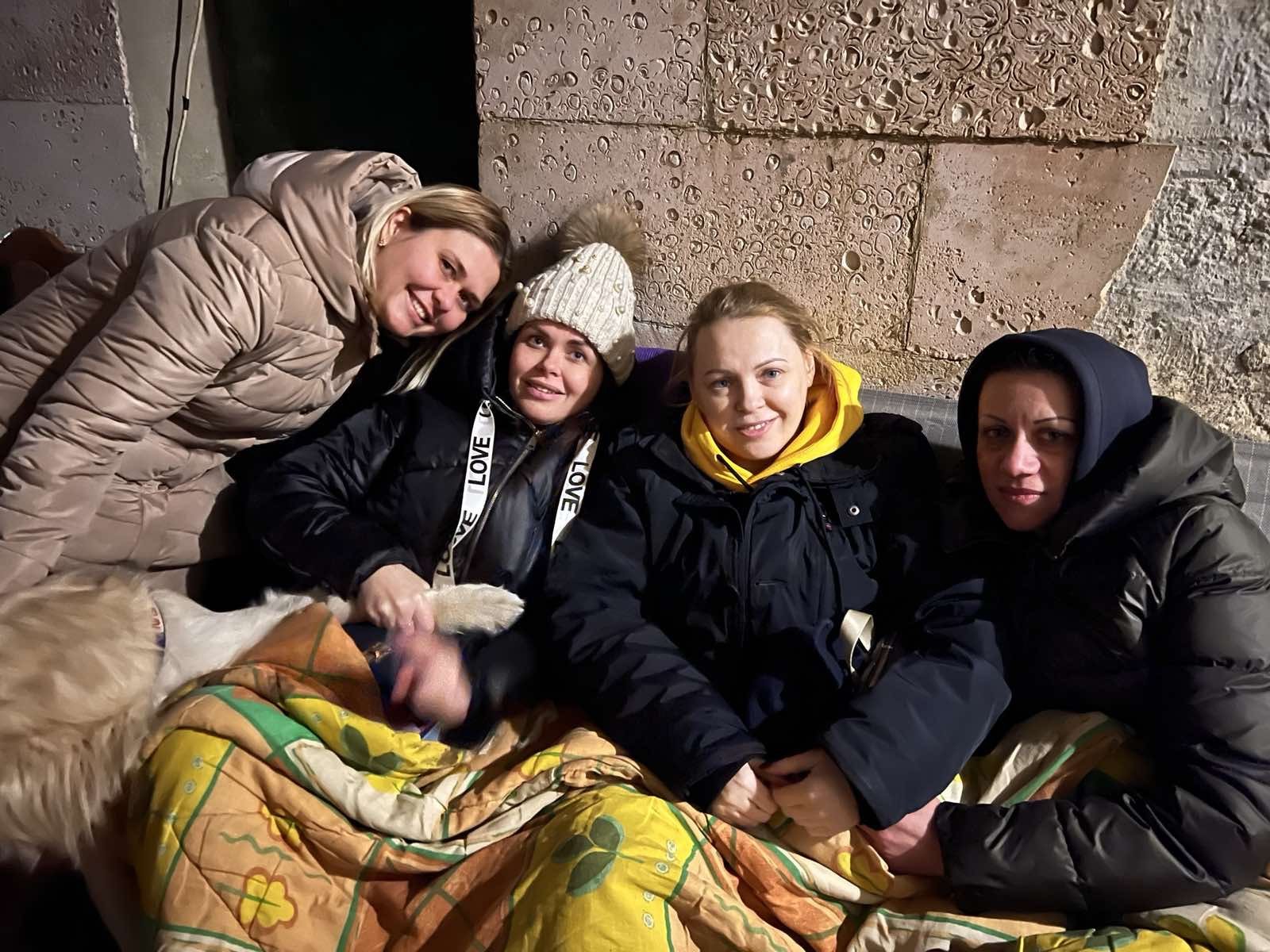
The next four days were spent divided between Nadiia’s cottage and a crowded, freezing-cold bomb shelter. The neighborhood had already made adjustments for wartime: streetlights were completely turned off, and the only source of light from inside the house came from the TV screen, broadcasting the nonstop coverage of the unfolding invasion. When the report came in that her maternity ward had been struck by a missile, Olesia realized it was time to head west.
The long road to safety
With every hotel, motel, and lodge fully booked west of the Dnipro River, Olesia and Ira would have to spend a night on the road like thousands of other fleeing Ukrainians, accepting whatever shelter they could find and sharing it with whoever else needed it. Anything but sleeping in the car. That night, they squeezed into a tiny room in Vinnytsia with friends of friends who were also seeking refuge. Being pregnant meant that she and Ira could call dibs on the bed, while seven other adults and two dogs slept on the floor.
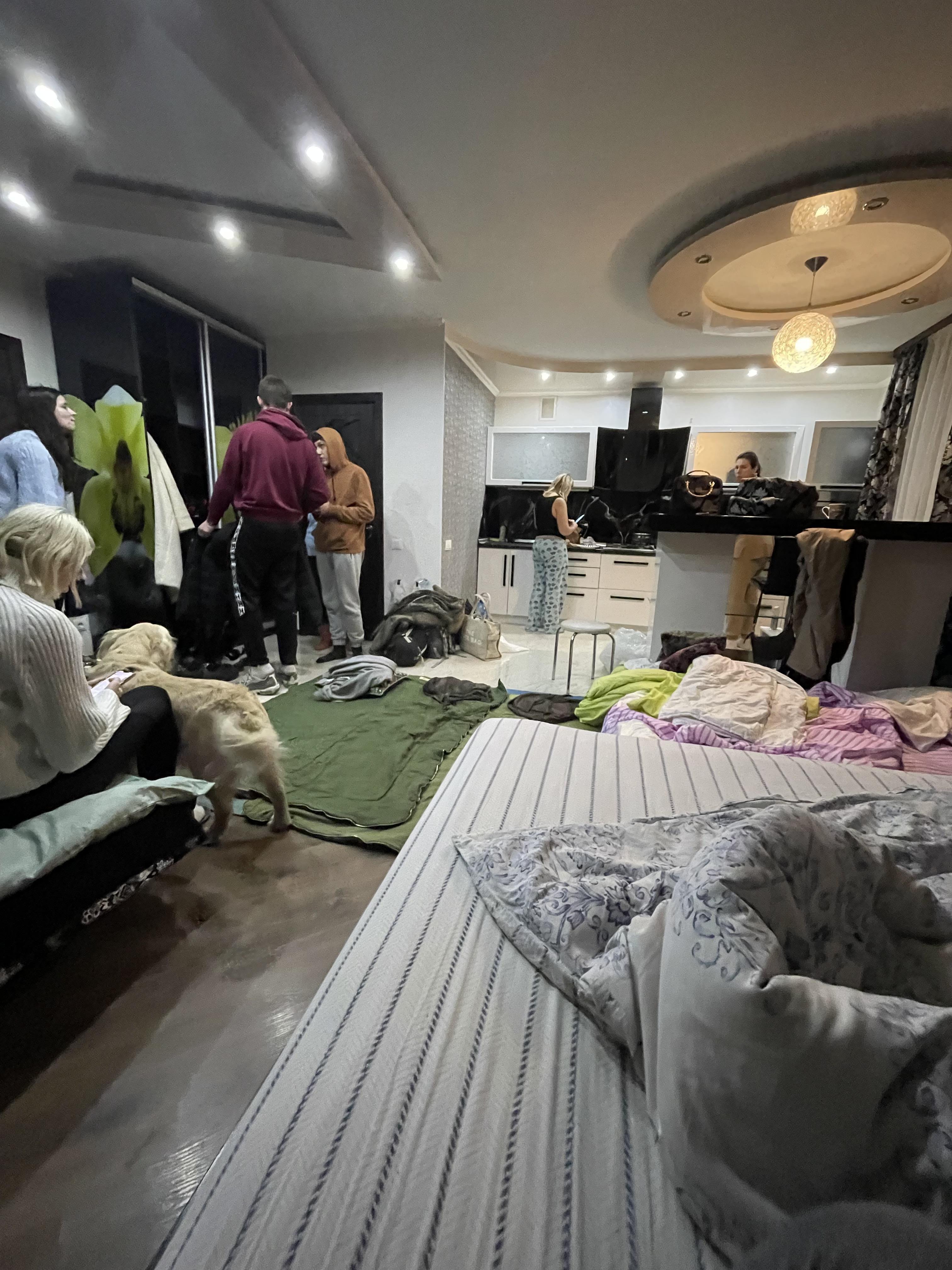
From Vinnytsia, they continued to Drohobych in the Lviv region, where a colleague’s family offered to house them as long as they needed. But with parts of Kyiv's outskirts now occupied, it was impossible to know whether anywhere in Ukraine would remain safe in the coming days. Services there were running as usual, but air raid alarms were sounding every two hours, and the nearest explosions were less than 30 kilometers away.
“I found out that the sound of an air raid alert makes me nauseous and physically sick,” said Olesia. “I feel this sound reverberate through every cell of my body—and every cell is rejecting it.”
While planning her next move, Olesia received two invitations: one to reunite with a friend in Poland, the other to stay with a friend of a friend’s sister in Israel. Either option involved driving to Warsaw, but only one of them included boarding an airplane, which seemed out of the question, given her March 25 due date was just three weeks away. However, a surprise finding at a check-up in a local obstetrics clinic in Drohobych revealed the baby would be born later than originally expected. With the new date set to April 7, perhaps flying was possible after all.
On the tenth day of the full-scale war, they joined a seven-kilometer queue at the Polish border—a fraction of the earlier chaos, when it had taken two or three days to cross. Trudging past their vehicle on foot was an endless flow of exhausted and desperate women carrying backpacks and little children, suitcases, and pet carriers. Eighteen hours later, they crossed the border near Przemyśl and entered NATO territory.
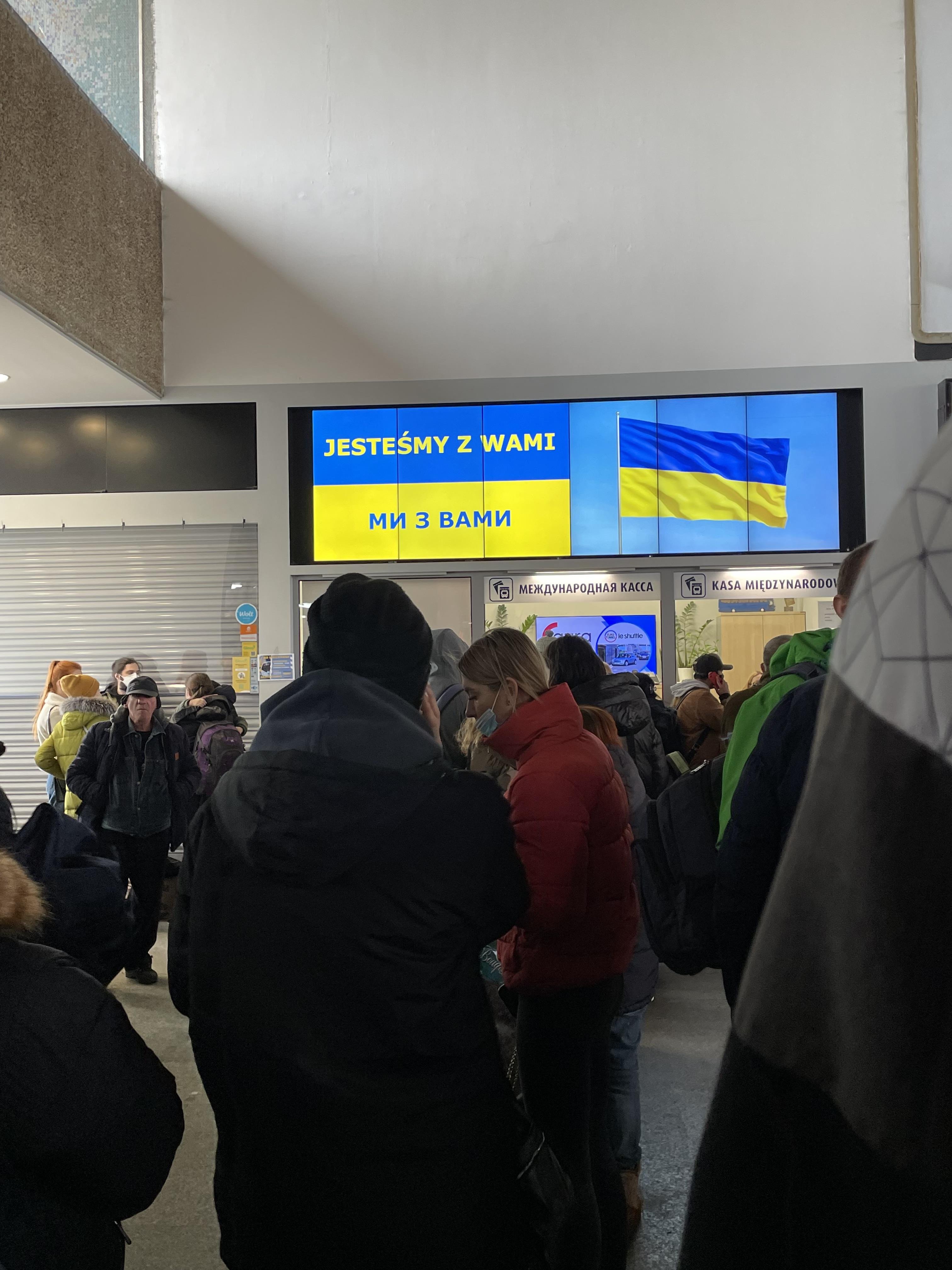
“All of these women were heading into the unknown: no money, no language, just the hope for kindness from people on the other side of the border,” says Olesia. “I was just thankful to God that I was sitting in a warm car. If anyone had told me that I could go 18 hours without a potty break, I’d never believe them. At home, I’d make a trip every 15 minutes.”
Eva and Carl, a couple from Poland, had opened their home to Ukrainian families fleeing the war and offered to host them in Warsaw for a few days. Now that the idea of flying was, so to speak, in the air, Olesia reached out to her close friend Anya, who moved to the US eight years ago.
Standing in the way of a transatlantic reunion was the stage of her pregnancy—and an airline pilot, who politely asked whether she was fit for a long flight. “Well, I just spent four days behind the wheel,” said Olesia convincingly, pointing to the April 7 date on the doctor's slip. Everything was written in Ukrainian, so when the pilot asked whether the document confirmed her fitness to travel, she pointed to a random line of text: “right there”. And just like that, she was cleared for takeoff.
“Eva and Carl will forever embody the incredible support that Poland offered to Ukrainians in the first few days following Russia’s invasion,” said Olesia.
New world—no insurance
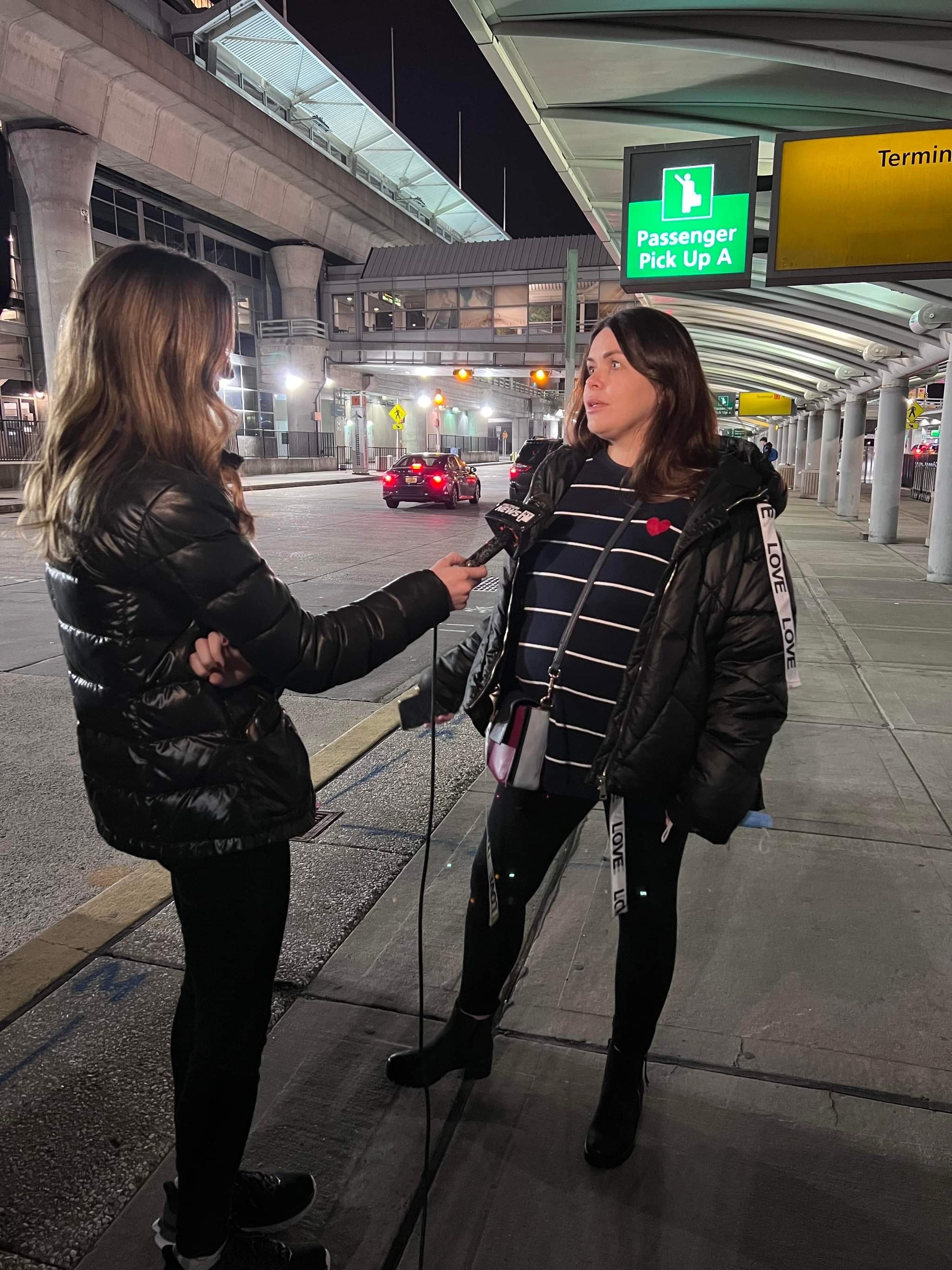
Anya brought along an entire news crew from NY1 to greet Olesia at New York’s JFK airport, with journalist Stef Manisero even following them back to the Manhattan apartment to capture footage of Olesia settling in. Anya’s husband James had turned the home office into a bedroom for the soon-to-be mother and child. Little did he know that once the NY1 report aired—and other media outlets got wind of the story, including CNN and a Japanese channel—their peaceful home would turn into a media circus.
“I understood that not so many Ukrainians were fleeing to the USA,” said Olesia. “Local journalists were on the lookout for firsthand witnesses of Russia’s full-scale invasion.”
The next day, Olesia and Anya made their way to a clinic in Brooklyn, where they’d heard a Ukrainian-speaking woman could help translate medical paperwork. The good news was that the baby was doing fine. The bad—the doctor said the delivery would cost $40,000. Olesia remembered reading that the average Ukrainian parent spends about that much raising a child from birth to 18—the equivalent of 6,500 days—while she was facing the same sum on day one.
The saying ‘kids are expensive’ took on a whole new meaning.
Olesia Ostafiieva
The issue, of course, was insurance—or rather, the lack of it. Not knowing where to turn next, Anya received a message from another friend, Anastasiia, recommending they try “Mount Sinai West.” Anastasiia had given birth there a couple of years earlier and said it was a very nice hospital.
Less than an hour later, Olesia and Anya were greeted at the maternity ward: “Are you that Ukrainian lady Anastasiia told us about?”
News of a Ukrainian refugee in her 38th week of pregnancy had reached the top of the hospital's management chain—faster than their subway ride across the East River and back to Manhattan. A few hours later, they received an email from Mount Sinai: “Both you and your baby have full medical coverage.”
I believe in something magic because a lot of things in my life I think happened with magic.
Olesia Ostafieva
Rallying for the baby
Anya decided to put her own work on hold and dedicate herself full-time to Olesia. Together, they organized media interviews, attended rallies—including “Together for Ukraine” at the UNICEF office—joined a march to Times Square, and even made a trip to Washington D.C., where Olesia gave a speech outside the White House to commemorate children being killed by Russian troops in Ukraine. The schedule became so hectic that when a doctor from Mount Sinai asked why they hadn’t been coming in, they replied they were still giving two or three interviews a day and would be there next week.
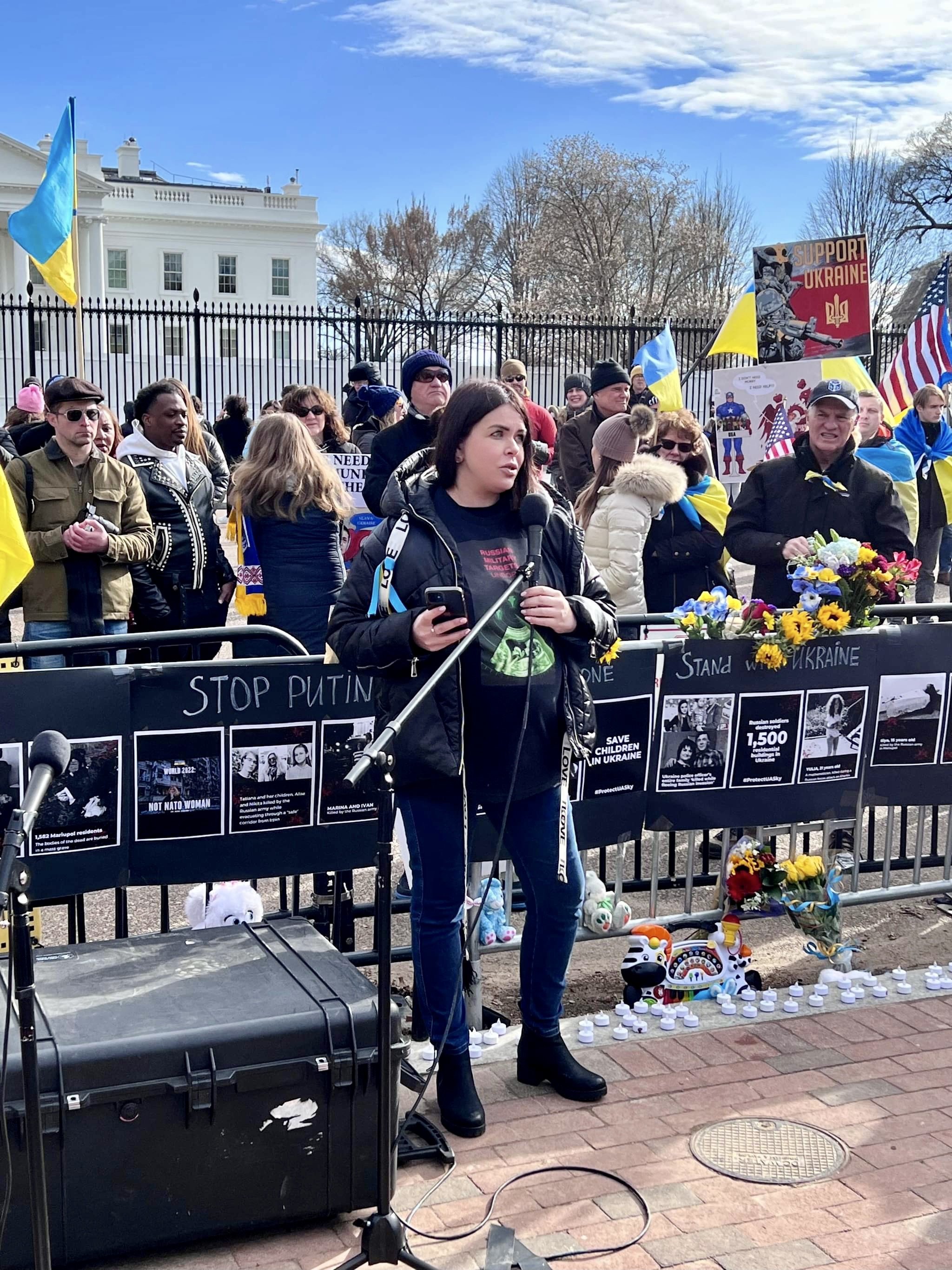
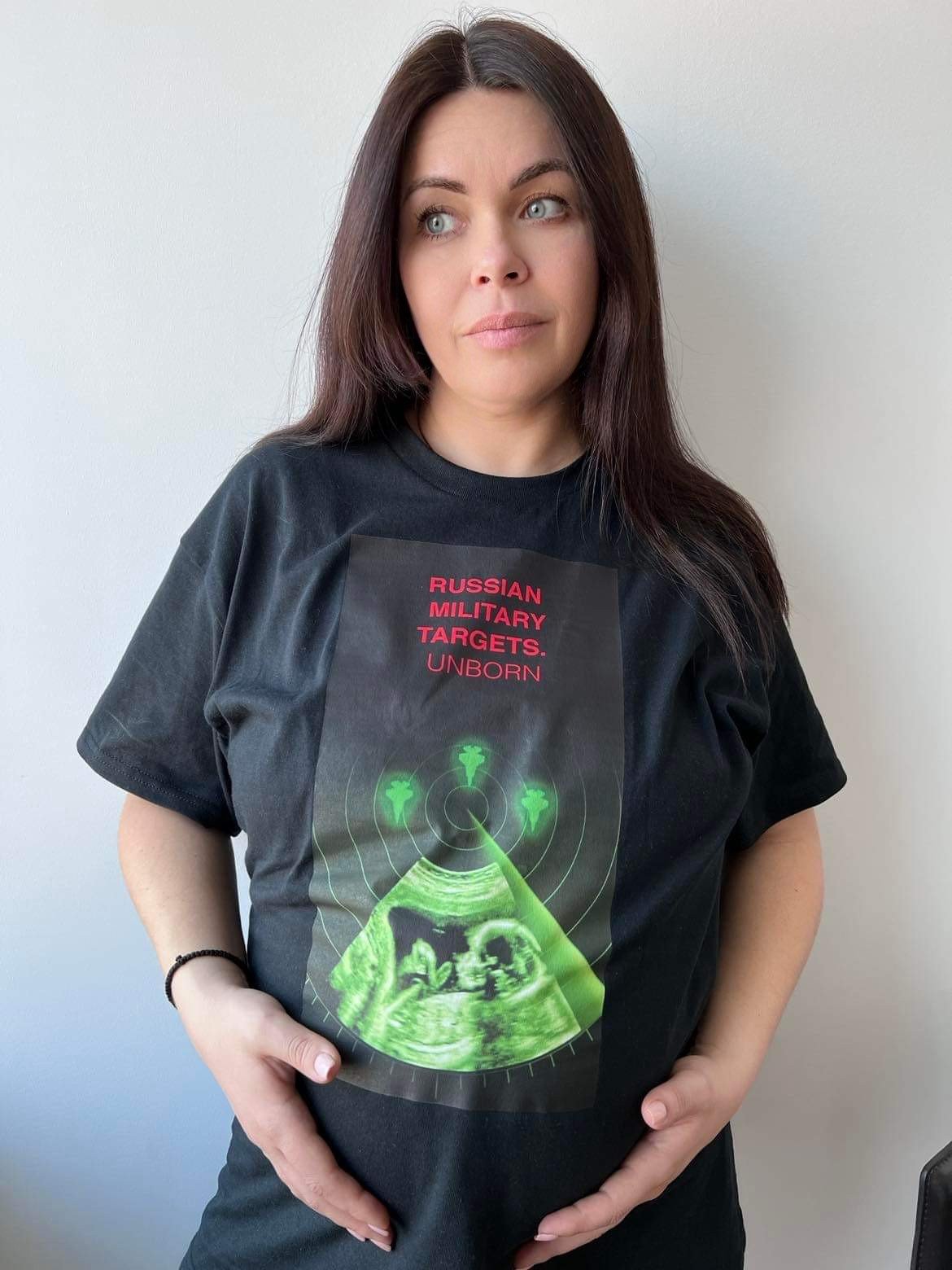
In a live CNN interview, Olesia wore a T-shirt showing missiles aimed at an ultrasound image, bearing the slogan “Russian military targets unborn,” as she urged Western politicians to help the millions facing a humanitarian catastrophe. In another interview, she was asked what she would name her baby. Without hesitation, she replied, “Her name is Kira” — a moment that aired on prime-time television. Until then, three names had still been on the table: Emma, Kira, or Zoia. But there was no turning back now. Later, she looked it up and was thrilled to discover the meaning of Kira—a strong woman.

Following weeks of rallying—and implausibly, days after her water broke—they finally checked into Mount Sinai. As Anya distracted Olesia from the pain of contractions by singing a Ukrainian folk song, an anesthesiologist asked, “What language is that? Wait, are you that Ukrainian lady who was on CNN?” Olesia recounts a surreal 20-minute window from the delivery room:
The phone kept ringing. “Finally, I’ve called you four times already. I started thinking you’re giving birth or something. I’ll send you the points. What are you up to?” quipped a colleague back in Kyiv.
“Giving birth, actually. So send whatever it is now,” I answered. Meanwhile, the doctor is telling me to push, “Come on, one more!” Anya hadn’t even finished her coffee when we heard a cry. Of a baby. My baby. My daughter. Our Kira. My phone rang again.
“Yeah, I just sent you stuff. We need it today, and it’s already evening here in Kyiv. What’s with all that noise?” the colleague asked.
“My daughter is crying,” I replied, still trying to wrap my head around the fact that I am now a mother.
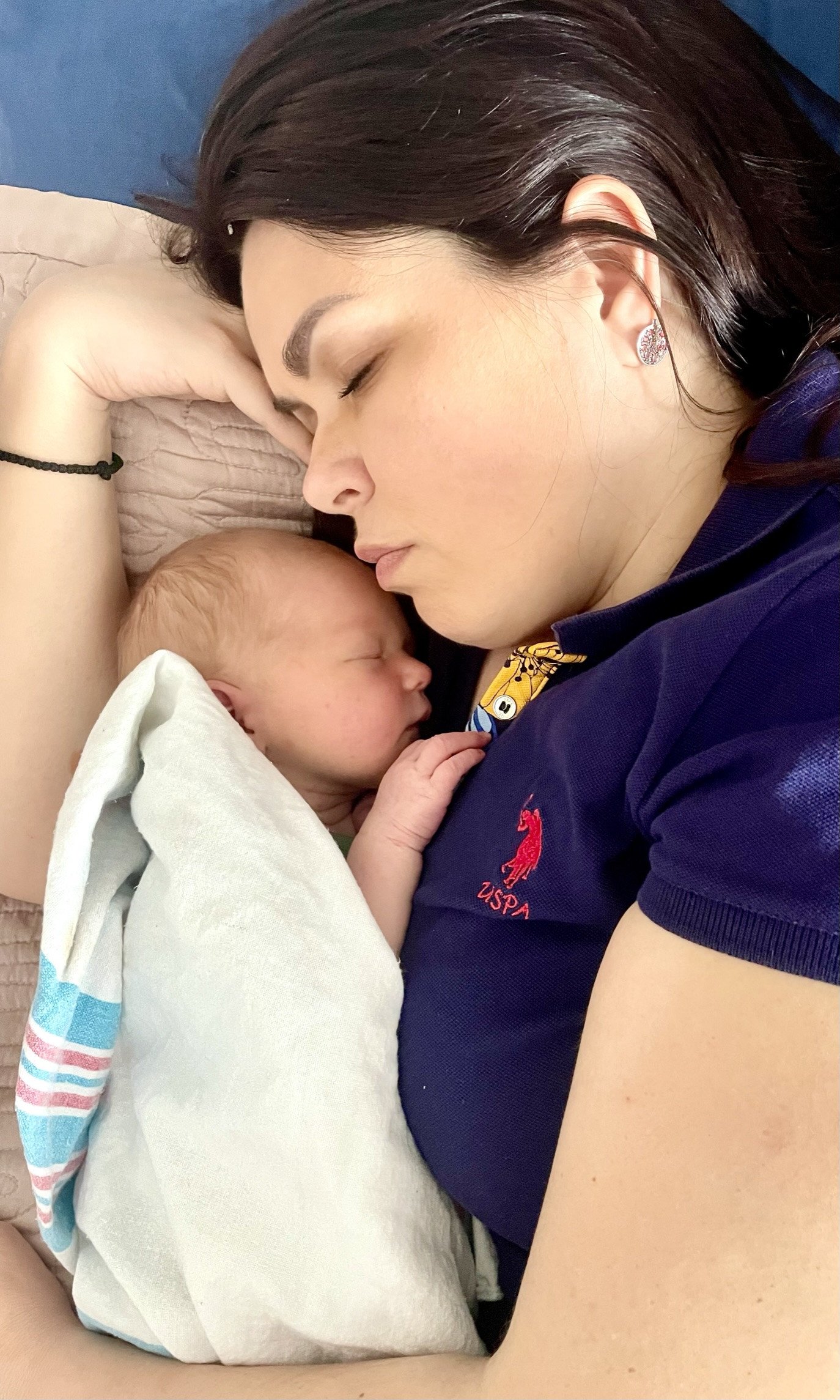
The proud new mother shared photos of her newborn with loved ones, though her parents remained unreachable. On the very day she was in New York City bringing a new life into this world, her parents’ home in Donetsk was being shelled. They had lost electricity and phone service, and it would be four long days before they finally received the wonderful news — their granddaughter Kira had been born.
Outside the hospital, journalists Stef Manisero and Kojiro, a Japanese reporter, were ready to congratulate—as much as interview—the new mom. With no family around, it wasn’t exactly how Olesia had pictured this day, but sharing the moment with these new friends made it special. For Kira to meet her grandparents, they would have to leave behind a possible life in America and return to Europe, just as her grandparents would be leaving behind sixty years of memories and a house they had built with their own hands on the very streets of Donetsk where they grew up.
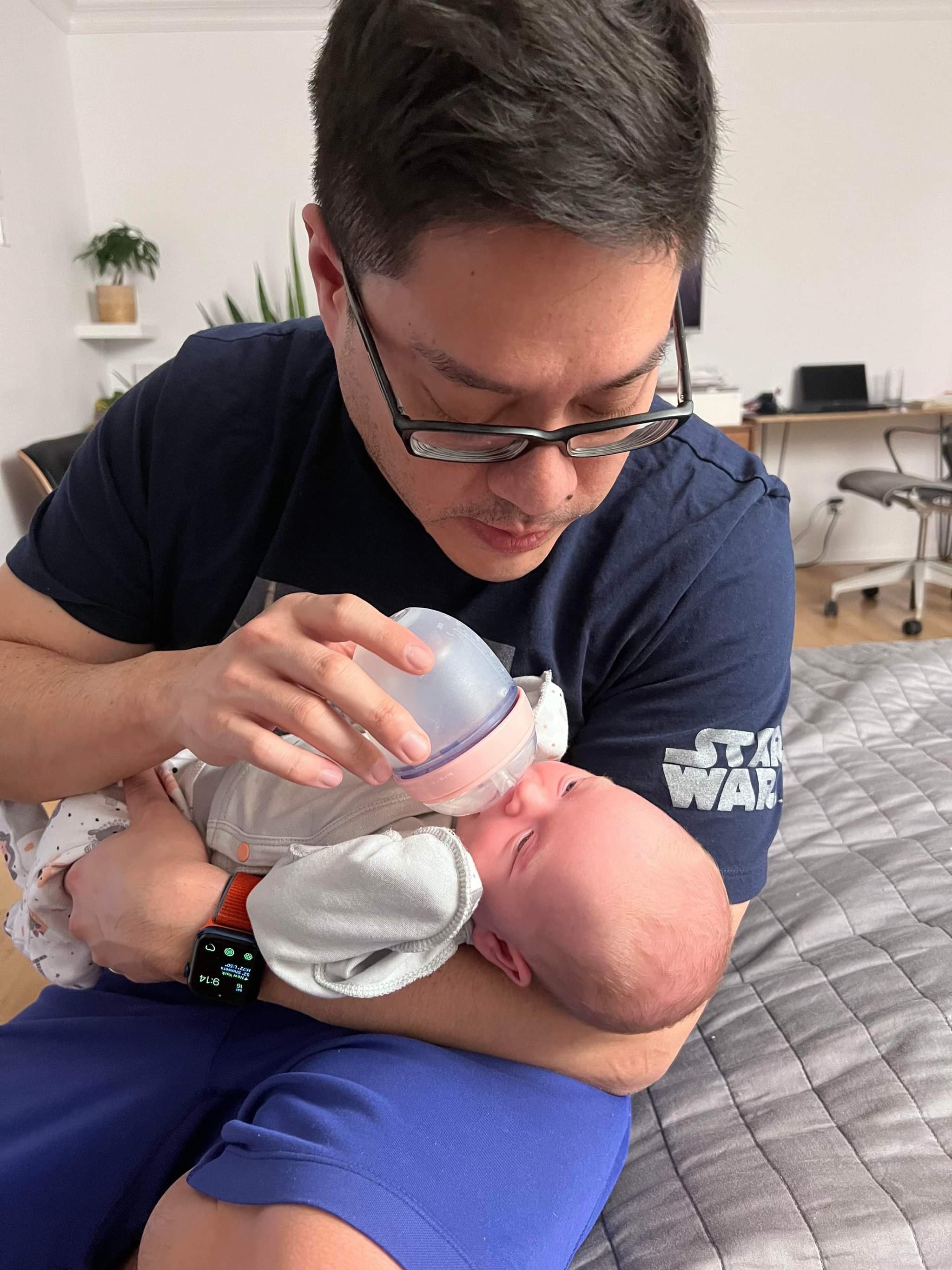
“In the interviews, there was also the question about why I wanted to return to Ukraine,” said Olesia. “Because I worked a lot to have a business, to have status. I didn’t want to leave Kyiv. Even now, I dream of returning as soon as possible because I don’t want to be a refugee.”
It took some convincing for US authorities to issue a passport and birth certificate for Kira, a newborn American citizen headed to war-zone Ukraine. But once the destination was rephrased as Poland, as shown on the flight ticket, they relented.
After traveling across three states to collect the documents, Olesia thanked Anya and James for their unwavering hospitality, then boarded a flight to Warsaw with baby Kira—where, for the first time, three generations of the Ostafiieva family would meet. Ira’s journey to Warsaw from Poznan took just three hours. For their parents, it would take three days—a grueling bus ride through Russian filtration camps, then across Latvia and Lithuania, before finally reaching Poland.
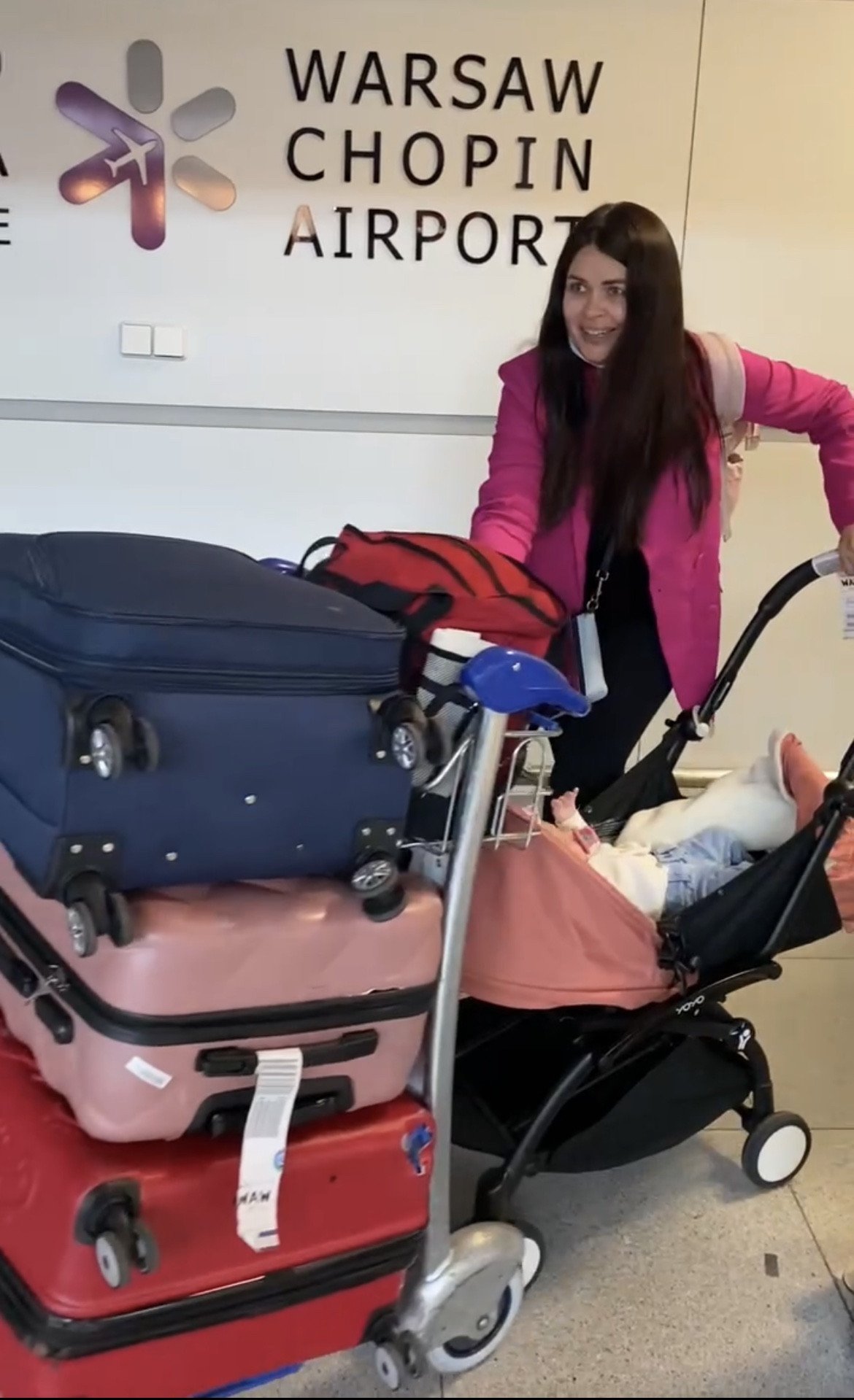
“My mom and sister were standing behind the glass door,” said Olesia. “My mom was overcome with tears, and my sister was taking videos of us, so I was a little confused about who to run to.”
The long way home
Friends and colleagues were slowly returning to Kyiv as the country adapted to life in wartime. With Olesia’s PR work on hold and the bar still closed, there was no urgency to go back. The family accepted an offer to spend some time recovering by the sea in Albania and later in Italy.
As Kyiv began to stir back to life, her business partner reopened the bar. Ira had already returned, and her stories of the city only deepened Olesia’s longing for home. Still, she feared making the wrong choice and putting infant Kira at risk.
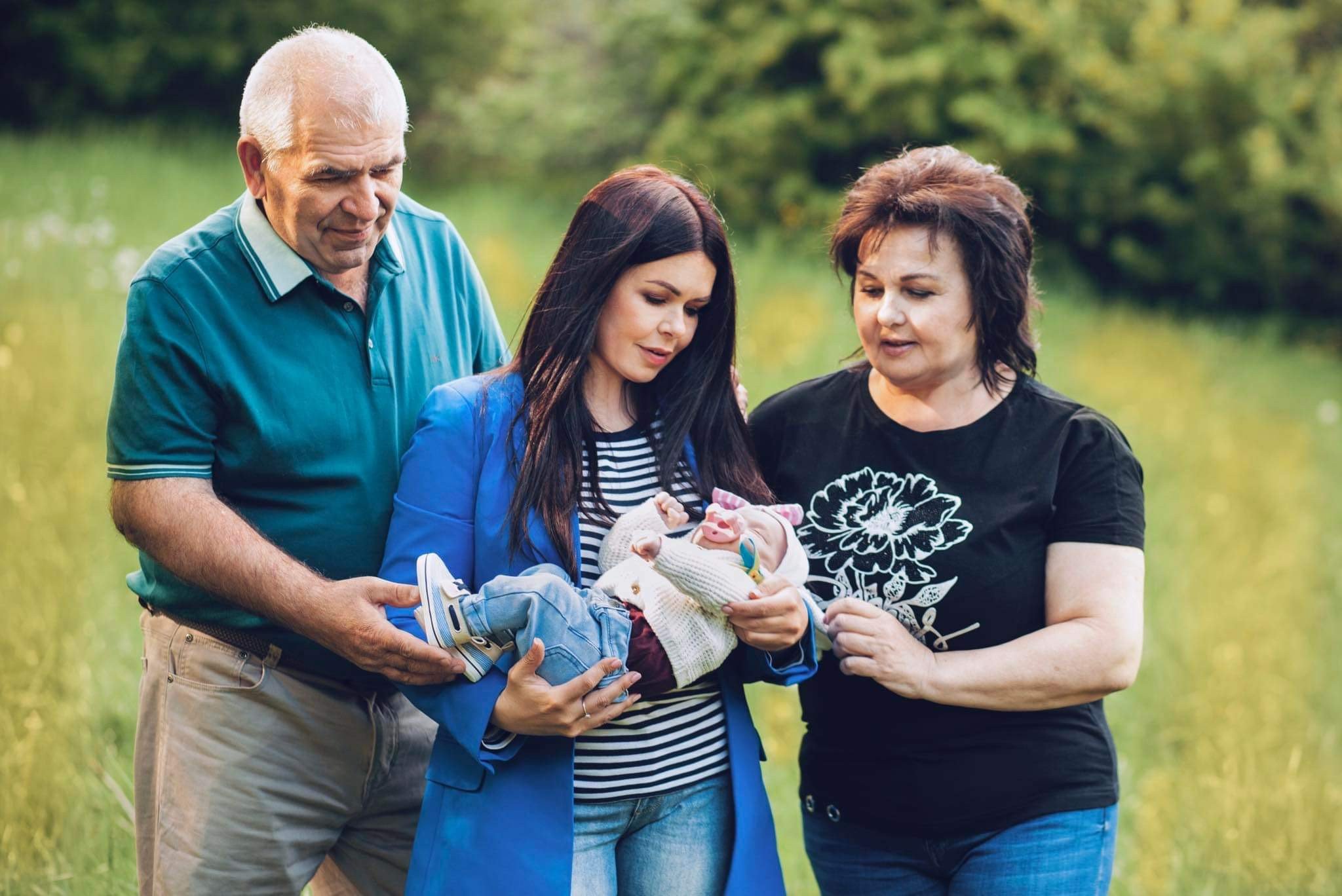
In September, they obtained Italian residence permits as a precaution in case they were forced to flee Ukraine again, and finally began the journey home. As they neared the capital—passing scorched buildings, burned-out vehicles, and the bombed-out maternity hospital where Kira was meant to be born—the fear of those first days of war came rushing back. But as they drew closer to the city, the devastation was less severe. Olesia was finally returning to the place that had captured her heart sixteen years earlier—the center of her universe.
Olesia’s 13,000-kilometer journey through war, displacement, and motherhood was not just about survival—it was about holding onto identity, freedom, and home. From the chaos of fleeing Kyiv at nine months pregnant to giving birth in Manhattan surrounded by strangers-turned-friends, she navigated each step with resilience and determination. Her return was not simply a homecoming, but a quiet act of defiance: reclaiming her city, her business, and the future she imagined for her daughter.
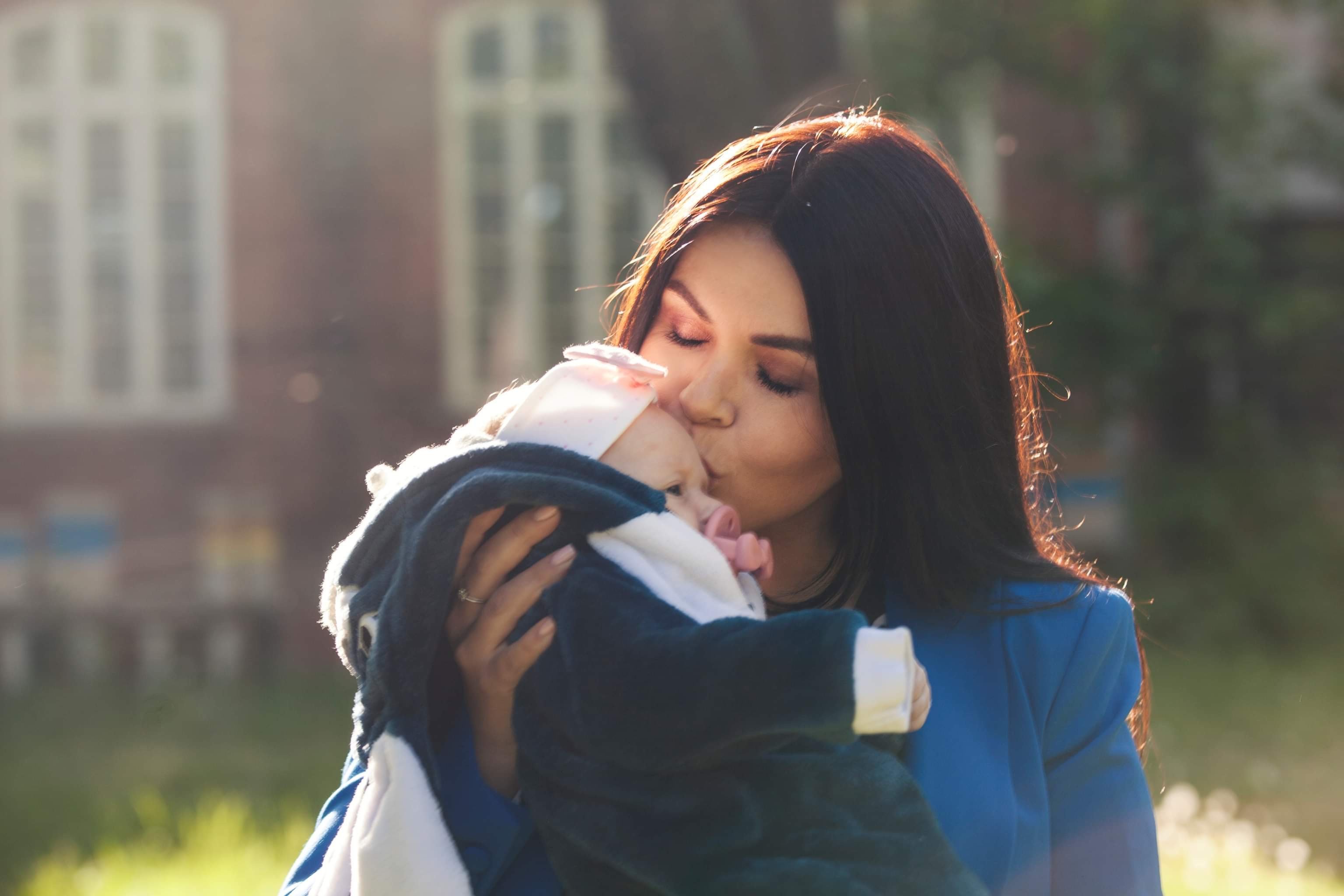
She has since written a book about her journey, recently published in English. Through it, she preserves the memory of those uncertain days—and the hope that a safer world might still be possible, not just for Kira, but for all Ukrainians.
Discuss this article:

-c439b7bd9030ecf9d5a4287dc361ba31.jpg "Photo of Katherina Popilnichenko")

-24deccd511006ba79cfc4d798c6c2ef5.jpeg "Photo of Louis Beaudemont")