- Category
- Opinion
Ukraine’s Mindset Has Changed Faster Than Most of Europe—What 35 Years of Data Show
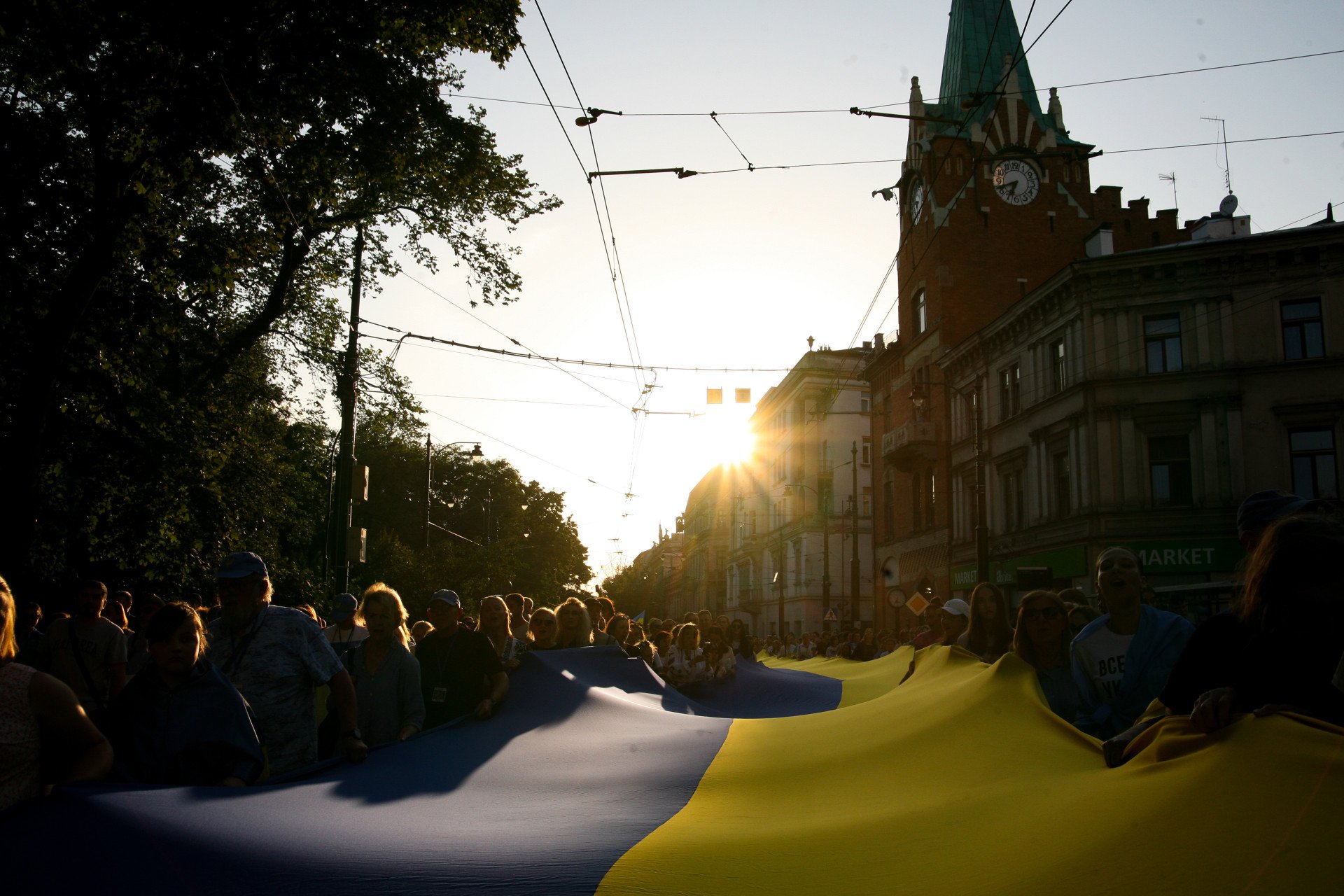
Were Ukrainians and Russians ever really “brotherly nations”? Decades of cross-cultural research reveal how the Ukrainian mindset has evolved in a single generation—and how it now sets Ukraine apart from Russia, and places it closer to Europe than many outsiders assume.
 Prefer U24 Media on Google
- Authors

-d6c21a19c8fd931d512b5818298453c4.jpeg "Maryna Starodubska")
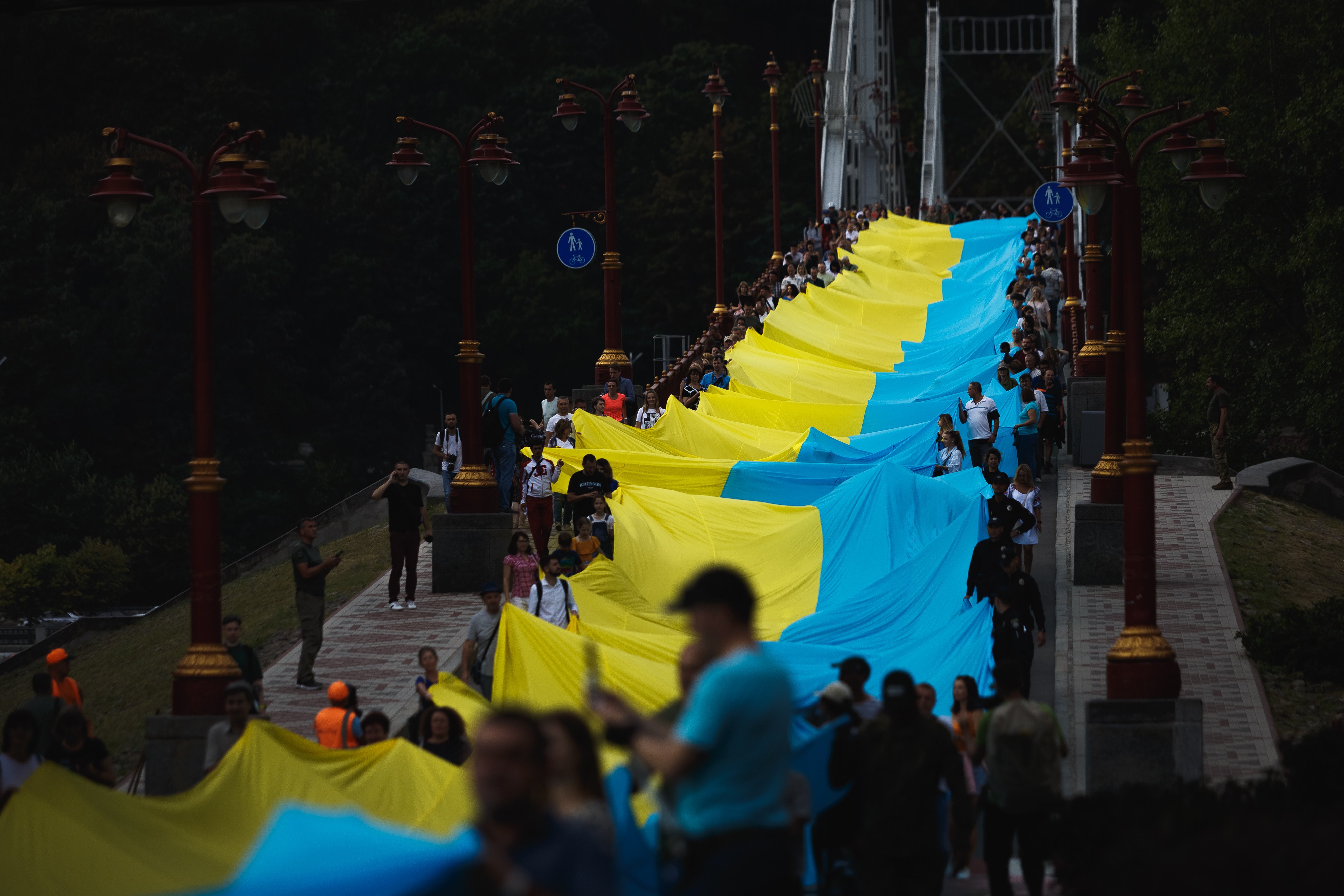
Thirty-five years into Ukraine’s independence, it’s hard not to reflect on where we are and how we got here. In the media, stories of achievement and pain, transformation and disappointment abound, and that contrast is entirely expected. Social change is notoriously hard to see while you are living through it, and it takes years, even decades, to fully make sense of how our society has evolved.
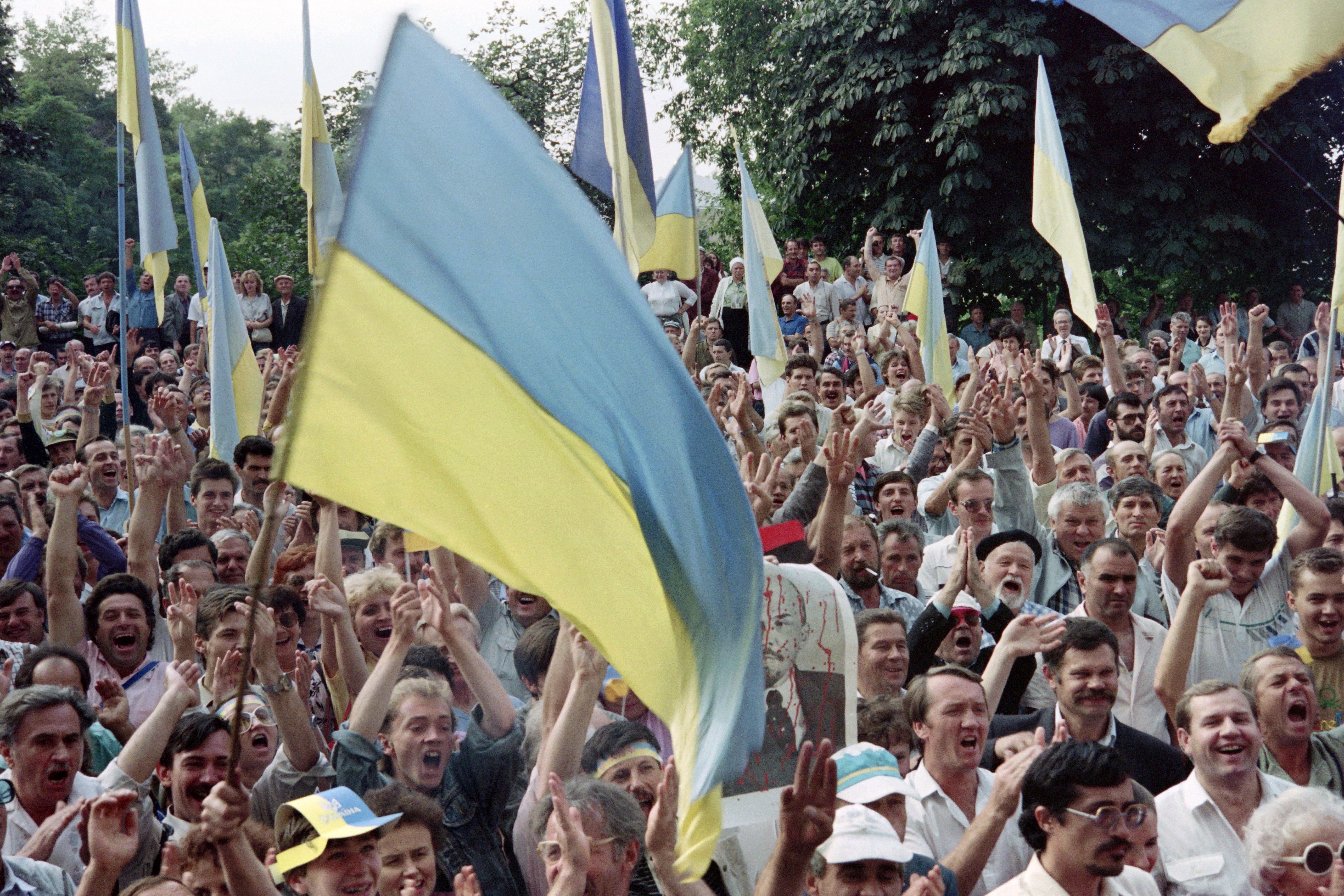
No country changes in a linear manner, and no transformation is guaranteed or irreversible. In fact, the deeper the societal shift, the more it tends to feel like “one step forward, two steps back.” When every day begins with taking stock of what was ruined by Russia’s missiles and who survived, belief in change, resting on faith alone, gets harder to sustain.
We Ukrainians do love a good grumble: “we never miss a chance to miss a chance”; “we’ve been jinxed” (nam porobleno—as if someone hexed us); “that's what we get for not praying hard enough” (when something so bizarre happens, one lacks words to describe it). If there was a university degree for self-inflicted inferiority and “doomsday rhetoric”, Ukrainians would have a PhD in that.
Try asking a Ukrainian’s opinion about anything remotely important, and the first thing you’ll hear is what’s wrong with it.
But here’s what I’ve learned in fifteen years of cross-cultural research and practice, while writing two books on how to understand Ukraine and Ukrainians. We’ve changed over these 35 years of independence far more than we give ourselves credit for—at a pace hard to match in Europe, and faster than most of our post-communist neighbors. I’m saying this from decades of data, so, as we like to say in Ukraine, “zrada” is not happening today.
So let me mark our most important national holiday the way a researcher can—with eight unexpected, data-grounded facts about Ukraine and Ukrainians, and what they say about where our society is heading.
1. Europe’s highest expectations of democracy—and its harshest verdict on delivery
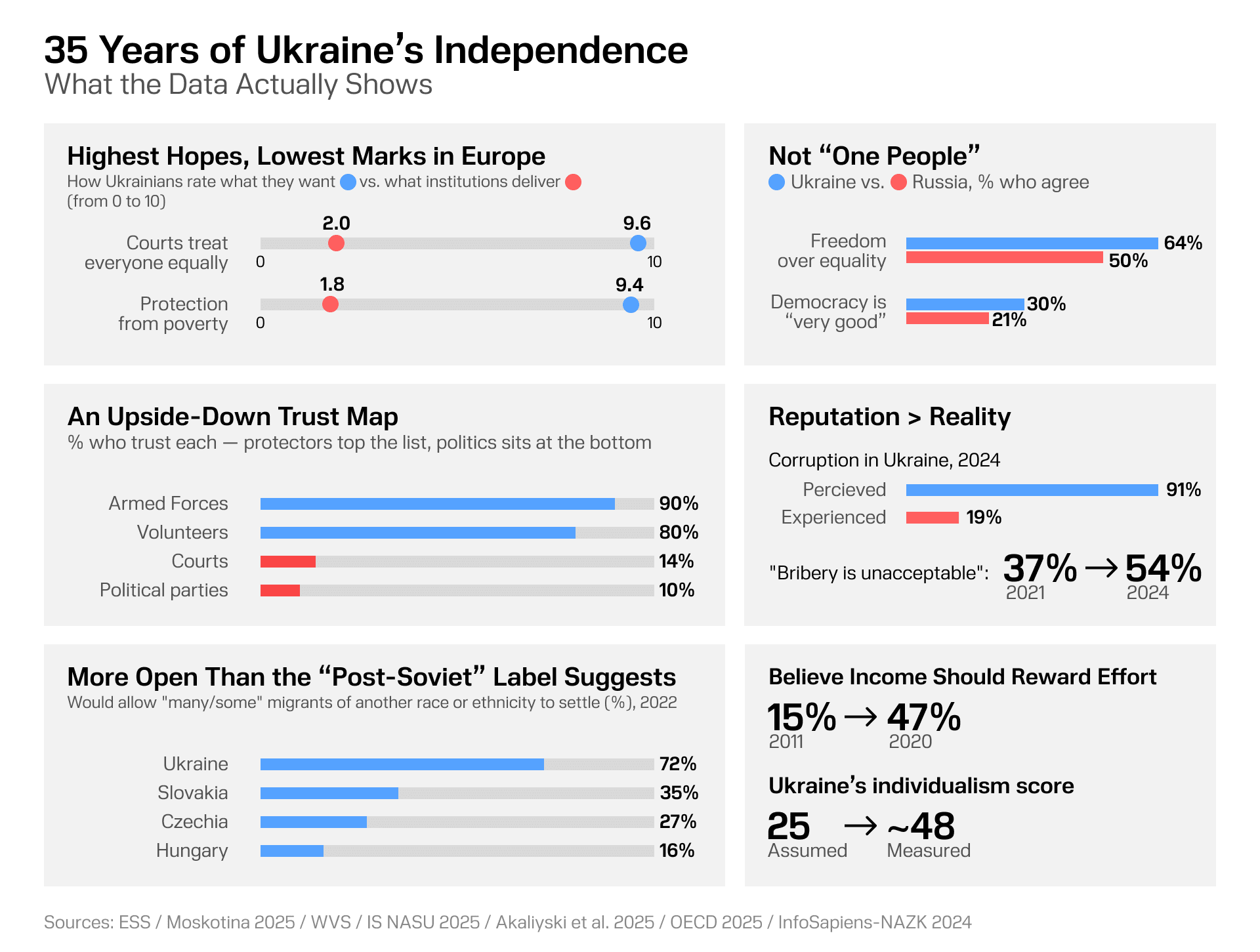
Ukrainians rate the importance of the “courts should treat everyone equally” principle at 9.62 out of 10—one of the highest scores in Europe. While the actual performance of our courts is rated at 2.03—the lowest in the latest European Social Survey rounds. The gap is similarly big when it comes to protection from poverty: Ukrainians rate its importance at 9.4 out of 10, but its delivery at just 1.8.
Read that chasm as apathy, and you have it backwards. Our tolerance for injustice is acutely low, so institutions that fall short of it are judged without mercy. This is a demanding society, not a resigned one. Demanding citizens are the driving force of reform.
2. In three decades, Ukraine changed faster than most of Europe
Values usually move at glacial speed, taking decades to shift meaningfully. Ours have sprinted. Between the 2011 and 2020 World Values Survey waves, the share of Ukrainians who believe income should depend on personal effort more than tripled, from 15% to 47%, while reliance on the state fell sharply.
Those who said the government must ensure everyone is provided for dropped from about 75% to 49%. Our openness to outsiders has grown noticeably: on the European Social Survey, the share willing to let “many” or “some” migrants of a different race or ethnic group settle in Ukraine climbed from 49% in 2013 to ~72% in 2022, and was still rising in the first year of the full-scale war—higher than in several EU members with the same communist past (Slovakia 35%, Czechia 27%, Hungary 16%), yet rarely reflected in the “post-Soviet” label Ukraine still carries.
For a country with a totalitarian past marked by genocidal violence and a long history of threatened identity, that is a profound shift in how a whole society thinks—and much of it took hold before the invasion, not because of it.
3. An upside-down trust map—following visible merit
Ukrainians grant trust based on how an institution visibly performs. ~90% or more trust the Armed Forces and ~80% trust volunteers, while courts sit near ~14%, public officials near ~13%, and political parties near ~10%.
We extend trust to those whose sacrifice for the common good we can actually see, and withhold it from those whose contribution is less visible. The clearest proof is local: where decentralization reform genuinely handed power and money to communities, trust in neighbors rose by ~36 percentage points and trust in local government by ~17, while trust in central government barely moved. Bring an institution close enough to keep it visible and accountable, and the trust is there.
4. The myth of Ukraine’s “deep collectivism”
For decades, textbooks identified Ukraine as “deeply collectivist,” assigning us an individualism score of 25 (near Pakistan and Indonesia) based on a figure that was never actually measured inside Ukraine. When researchers finally measured it directly, the score roughly doubled, to ~48, placing Ukraine 44th of 102 countries: squarely mid-table, which explains why our society combines individualist and collectivist norms.
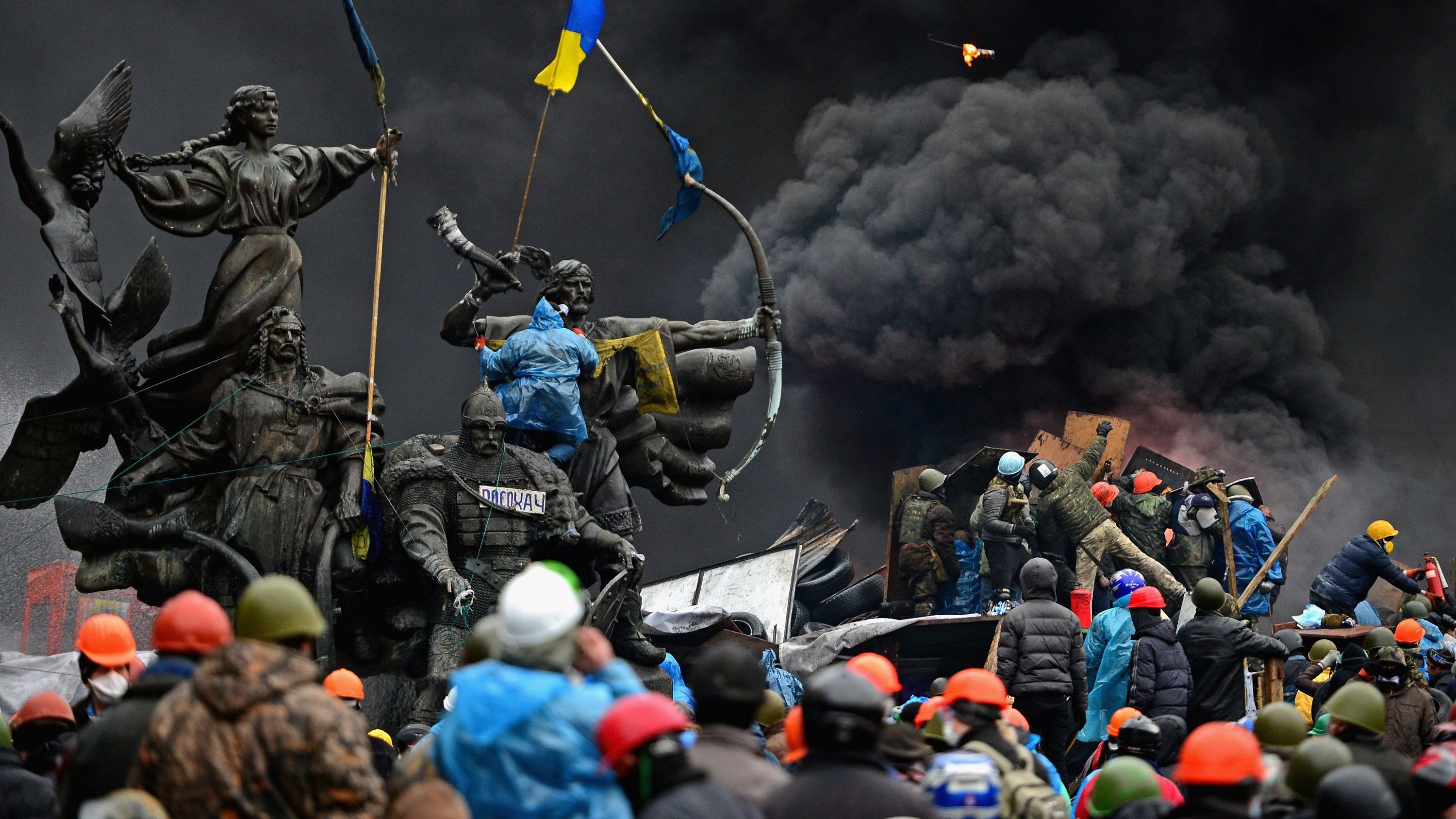
The more revealing part is the “shape” of our society’s preferred relationship-building. Ukrainian culture is horizontal: strangers self-organize into leaderless networks and elect their own coordinators. This is how the Zaporizhian Sich chose its otamans; it was the pulse of the Maidan in 2014, when the self-defense sotni (“hundreds”) units elected their commanders. It is what happened almost overnight in February 2022, when whole communities stood up in their own defense before any order arrived from above. We accept authority when it is earned and resist it fiercely when it is imposed.
5. Corruption is real—and it’s losing ground
Here is a paradox that foreigners rarely expect. In 2024, ~91% of Ukrainians believed corruption was widespread and 65% believed it was on the rise, yet fewer than ~19% had personally encountered it in the previous year—a wide perception-experience gap that mirrors several EU countries. More importantly, the norm itself is hardening against corruption.
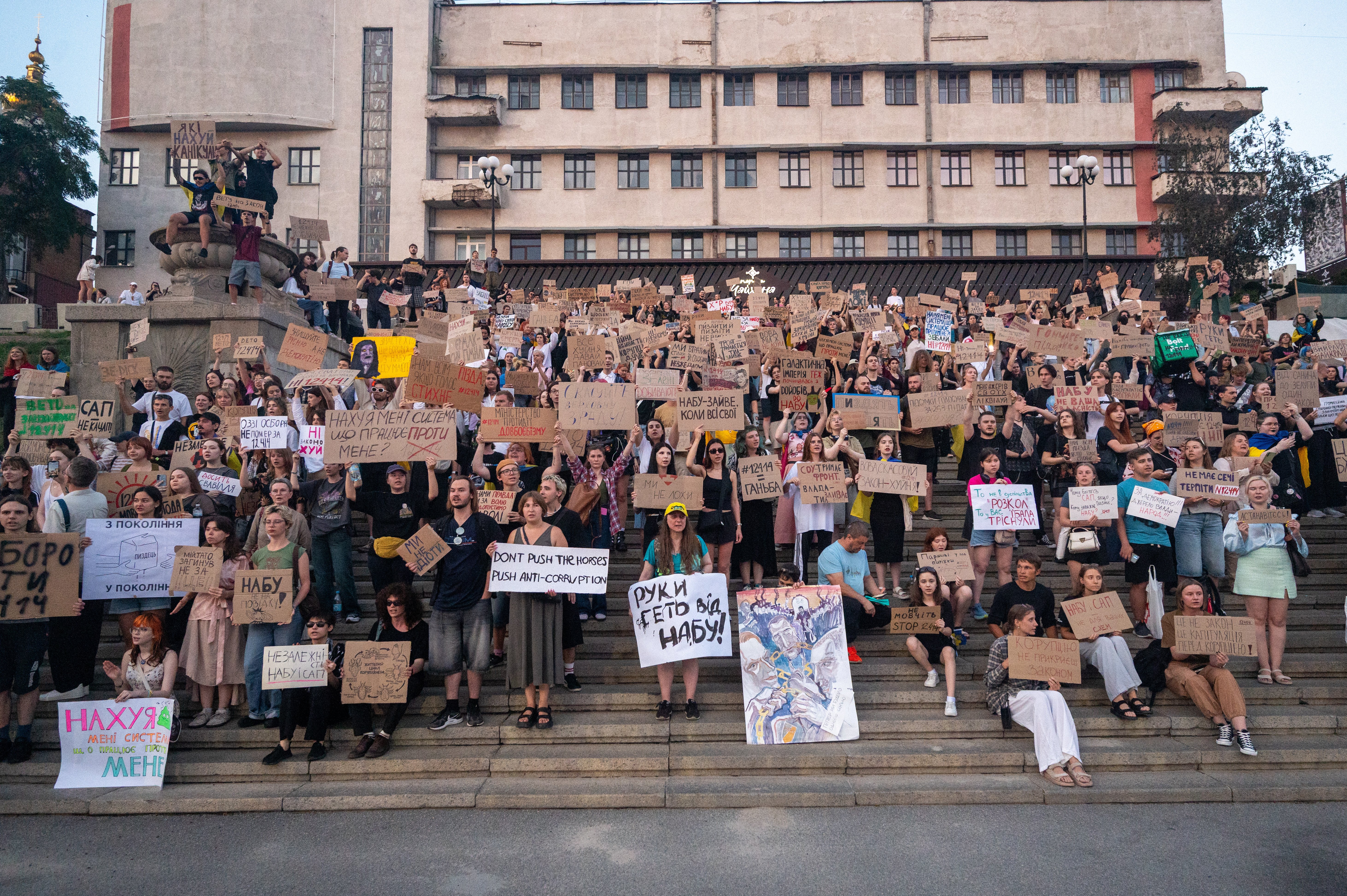
In under a decade, the share of Ukrainians who consider bribery unacceptable rose from 37% to 54%. This is a society turning against a problem, not one making peace with it, which is why the anti-corruption fight generates so much public heat – and, as the 2025 protests defending Ukraine’s anti-corruption agencies showed, can prompt a response from citizens that is revolutionary in the most literal sense.
6. Not “one people”—and the gap is widening by the generation
This is the myth most in need of retiring, and the data retire it with confidence. For years, comparative surveys did show Ukraine and Russia sharing many value patterns, which is why the Kremlin’s “one people” story had surface plausibility. But look closer—and the divergence was always present, and is accelerating. The World Values Survey shows Ukrainians and Russians pulling in different directions on the essentials: forced to choose between freedom and equality, 64% of Ukrainians pick freedom, versus 50% of Russians; between freedom and security, Ukrainians lean toward security far less heavily than Russians do. And ~30% of Ukrainians rate living in a democracy as “very good,” against about 21% of Russians.
The decisive evidence, though, is generational. Comparative research by sociologists Plamen Akaliyski and Tim Reeskens finds that while older Ukrainians and Russians can look statistically similar on paper, younger cohorts pull sharply apart. Ukraine’s youth gravitate toward individual freedom, gender equality, and liberal democracy, while Russia’s—away from them.
One society increasingly equates order with a ruler everyone unquestionably obeys; the other, increasingly, with defending its own voice.
Over 35 years, the two have been diverging, and each new Ukrainian generation widens the distance. The war did not create that divide; it exposed how deep it already ran.
7. After 30 years, “What will people say?” is losing its grip
For generations, one quiet question governed Ukrainian life: “what will people say”? The data show it’s been fading. The European Social Survey shows the strongest positive shift in Ukrainian values between 2013 and 2022 was toward self-direction—deciding for oneself, being free and independent.
Ukraine’s score moved from 2.58 to 2.23 on a scale where a lower number means the value matters more, bringing it into the same range as Western European democracies like Finland (2.12) and the UK (2.07). The shift is generational, strongest among Ukrainians under 24, for whom the verdict of “people in general” matters less and the handful of voices they genuinely trust matters more. Our society is learning to think for itself, and fast.
8. Dark humor as a weapon
Ukrainians’ very particular humor is not only a way of “keeping the roof on”—literal idiom for keeping sane—so to speak. It is also a strategy, one that rose from the streets and circles of mutual aid, not from “high offices”. When the official @Ukraine account posted in December 2021 its now-famous meme casting “living next to Russia” as the worst kind of headache, it drew more than 400,000 likes within days.
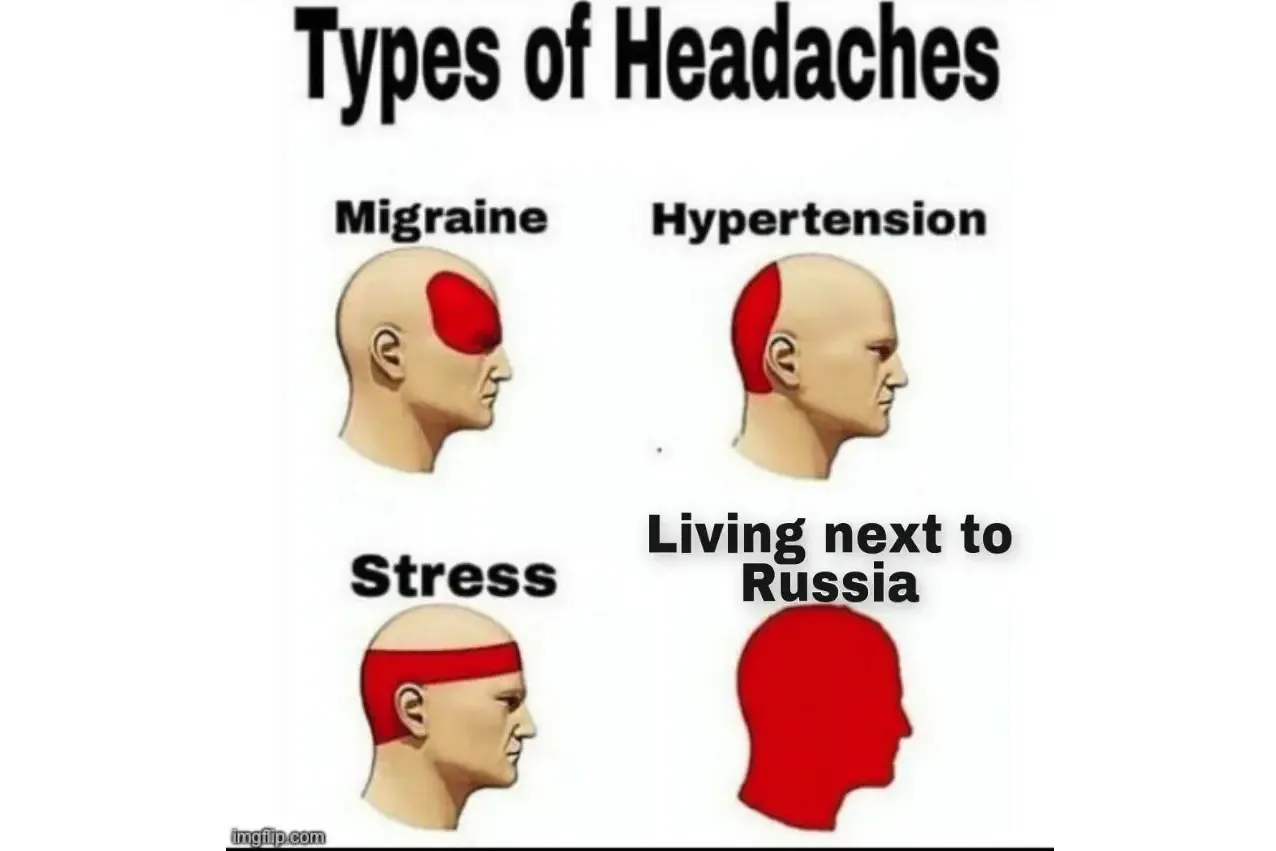
Oxford’s Corneliu Bjola, who studies this “meme diplomacy,” summed up its message to Western audiences: “When you support us, you are supporting yourselves.” Humor made Ukraine legible and likable to the world, which in wartime is no small thing.
Ukraine is still changing
There is far more evidence of change in Ukrainian society than these eight examples, and not all of it is comfortable or clear-cut. But taken together, it points to a society still moving forward, sometimes by way of failures and “detours”, sometimes through a good old “srach” (bickering), sometimes through painful disillusionment with its own idols and “heroes.”
More than three decades of data, which I have worked with daily for over fifteen years, tell me there are no “illogical” shifts in Ukrainian society, and no behavior appears out of nowhere. Every pattern has its drivers and incentives; you only have to look for them. So let us keep looking. Let us study our achievements and our “growth areas” alike. Let’s not talk ourselves into inferiority – but let’s also remember how fragile the things we long ago stopped treating as remarkable really are: freedom, democracy, and independence.
Discuss this article:


-f3430f0449615e9897dff835086ac204.jpg "Ukraine Broke With a Soviet-Era Military System and Rebuilt It Around the Soldier")
-e126c16a85d580738cf2d57e760b80a3.jpeg "Photo of Vladyslav Greziev")