- Category
- Photoreports
A Love Letter to the People Who Carry the Life of Kramatorsk Under Russian Fire
 Prefer U24 Media on Google
- Authors

-0666d38c3abb51dc66be9ab82b971e20.jpg "Photo of Josh Olley")
Once the beating industrial heart of Donbas, Kramatorsk now beats for survival. During World War II, its factories forged weapons to fight Nazi Germany. That same industrial foundation made Kramatorsk a strategic target again during Russia’s 2014 and 2022 invasions. It’s one of the last major cities before the front line.
We spoke with the people who remain here and listened to their stories of fortitude and daily life in Kramatorsk.
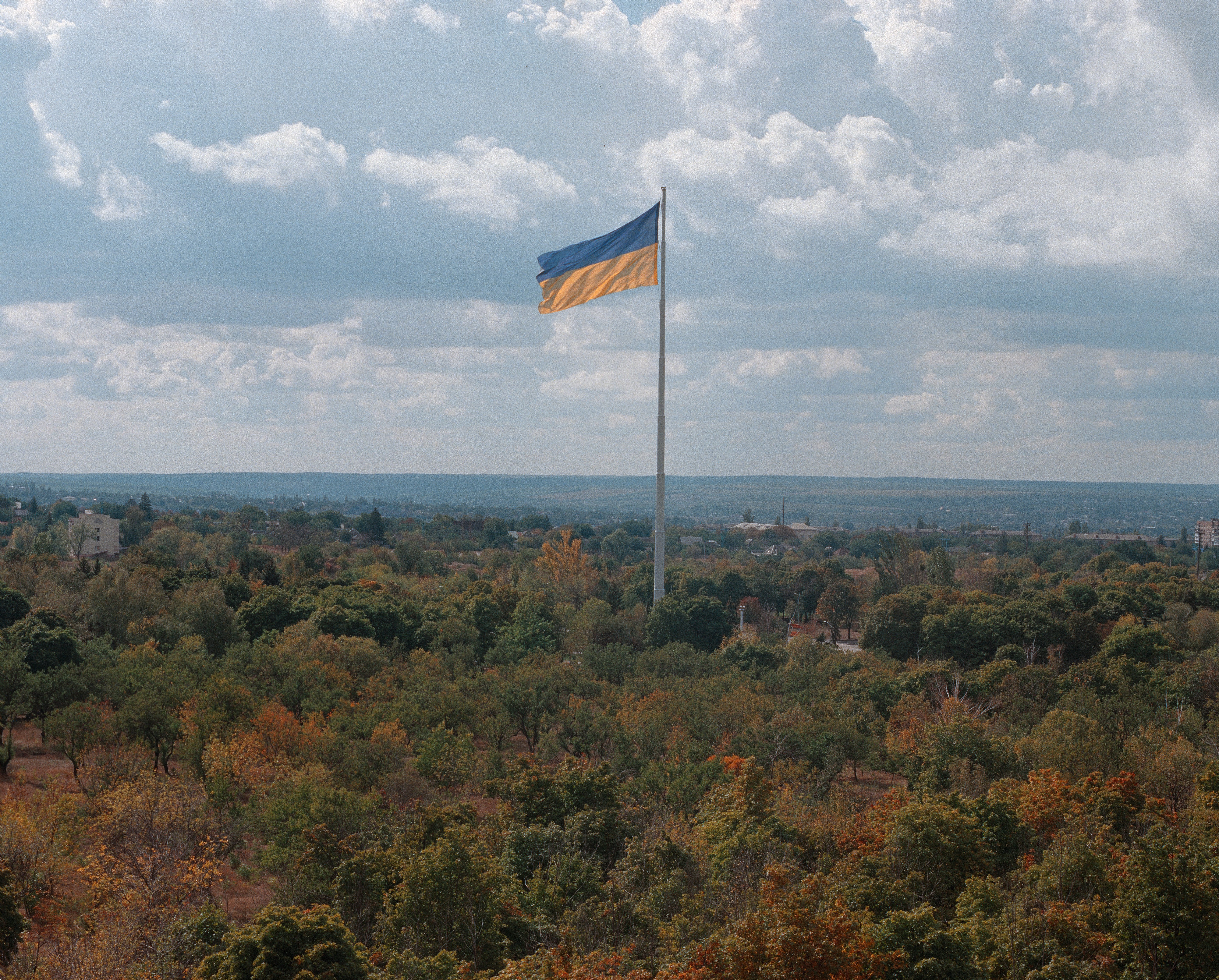
“Now, during the war, everyone is united,” says Dmytro, a local who used to work in the steelworks. “Everyone is surprised that Kramatorsk is 20 kilometers away from the front. People can adapt to anything.”
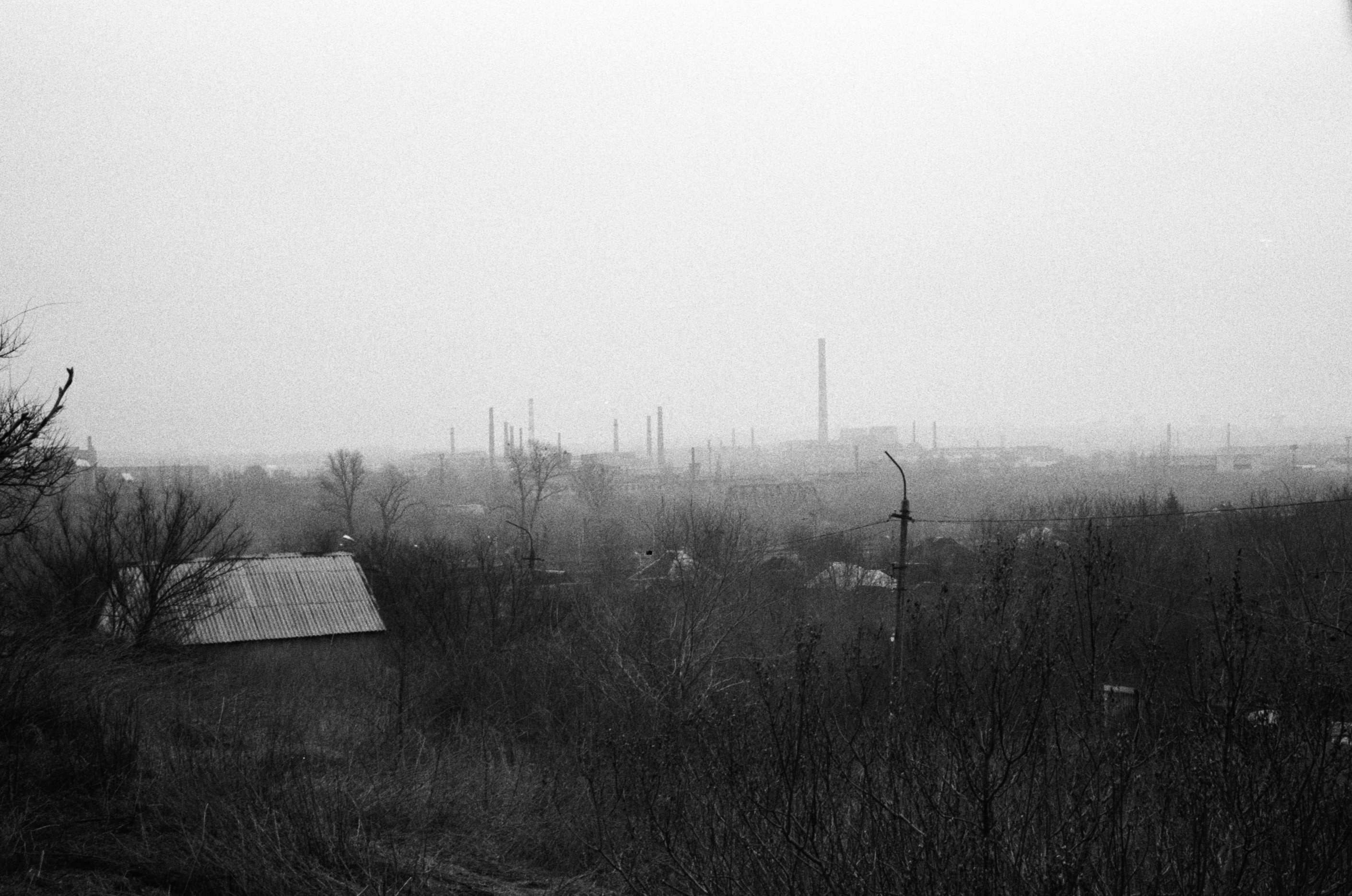
Kramatorsk used to be known for its steel, machinery, and quiet, provincial charm—a city of engineers, factory workers, and families who built Ukraine’s industrial backbone. Now it is known for its resilience amid daily Russian airstrikes, reportedly carried out recently with fiber-optic drones.
Kramatorsk’s steelworks and coal mines were crucial in both World Wars, supplying materials for tanks, artillery, and other military equipment. It survived the Nazi occupation in the 1943, but the wars left the city’s infrastructure in ruins. Postwar reconstruction restored Kramatorsk as a major industrial and armaments hub—a role that defined its development throughout the Cold War.
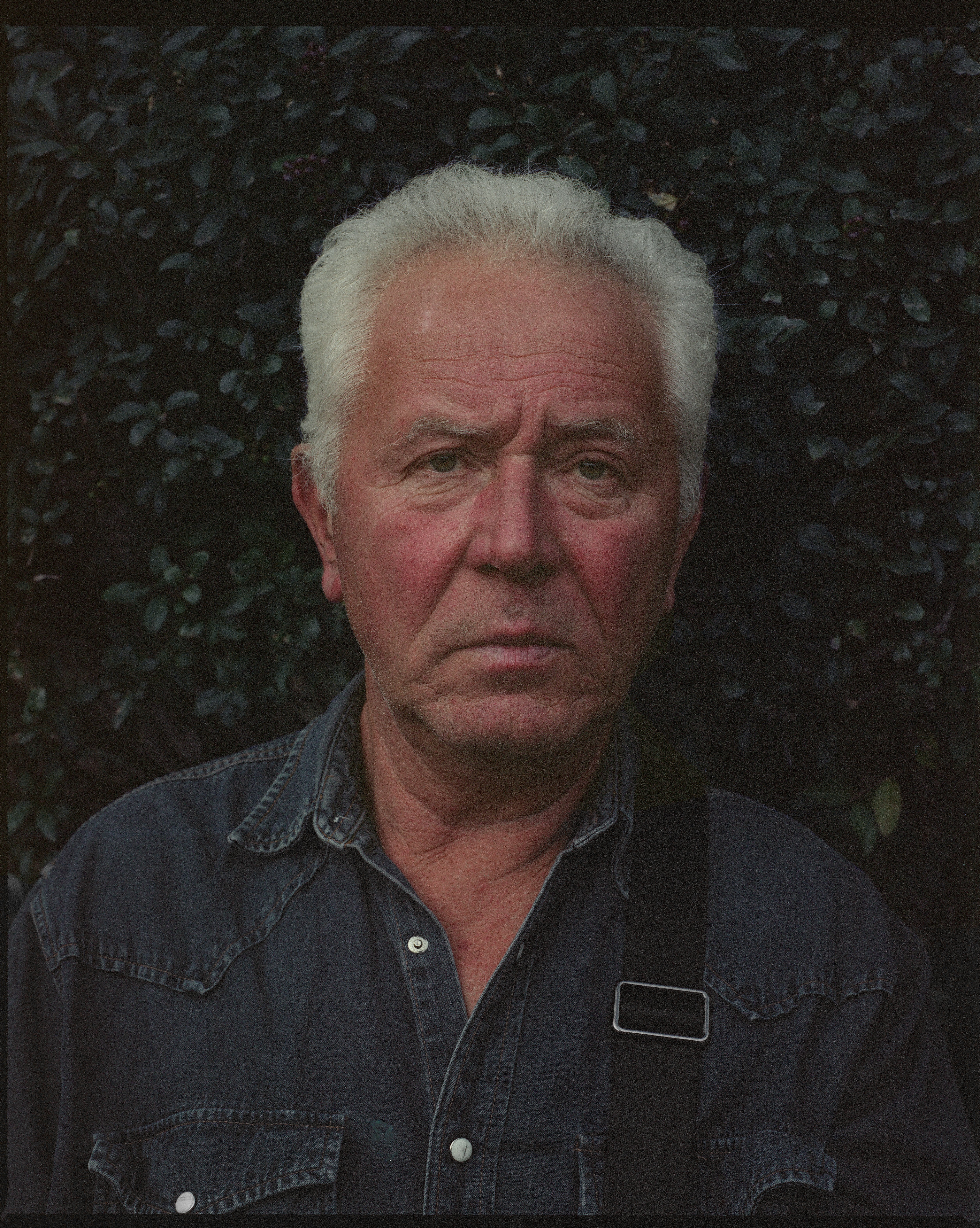
“You show your love with your actions,” says Dmytro. “We helped a lot in 2022–2023—we helped the elderly, the families of the dead in Afghanistan. […] Grandmothers told us to go to the vegetable garden, to help with the household, to buy food. When you help, you love.”
I first met Dmytro in the winter of 2024 in Kramatorsk. He is my friend’s father and had invited me to a gathering marking the anniversary of the end of the Soviet–Afghan War. It was a bright, cold morning, and the now-elderly veterans gathered around a monument dedicated to their comrades who never returned from Afghanistan. One by one, the men spoke, laid flowers at the base of the statue, and remembered the past.
Afterward, we ate and drank in their name. In the distance, the sound of artillery could be heard—a sound that had echoed through their lives a few too many times.
Later that evening, Dmytro met me at the train station, handing me a few large bottles of his homemade tomato juice and jars of pickled vegetables.
“I served in Afghanistan for two and a half years,” he said. “I came here after the service. I started working at the factory. It was a metalworking factory. I have been working like this since 1990.”
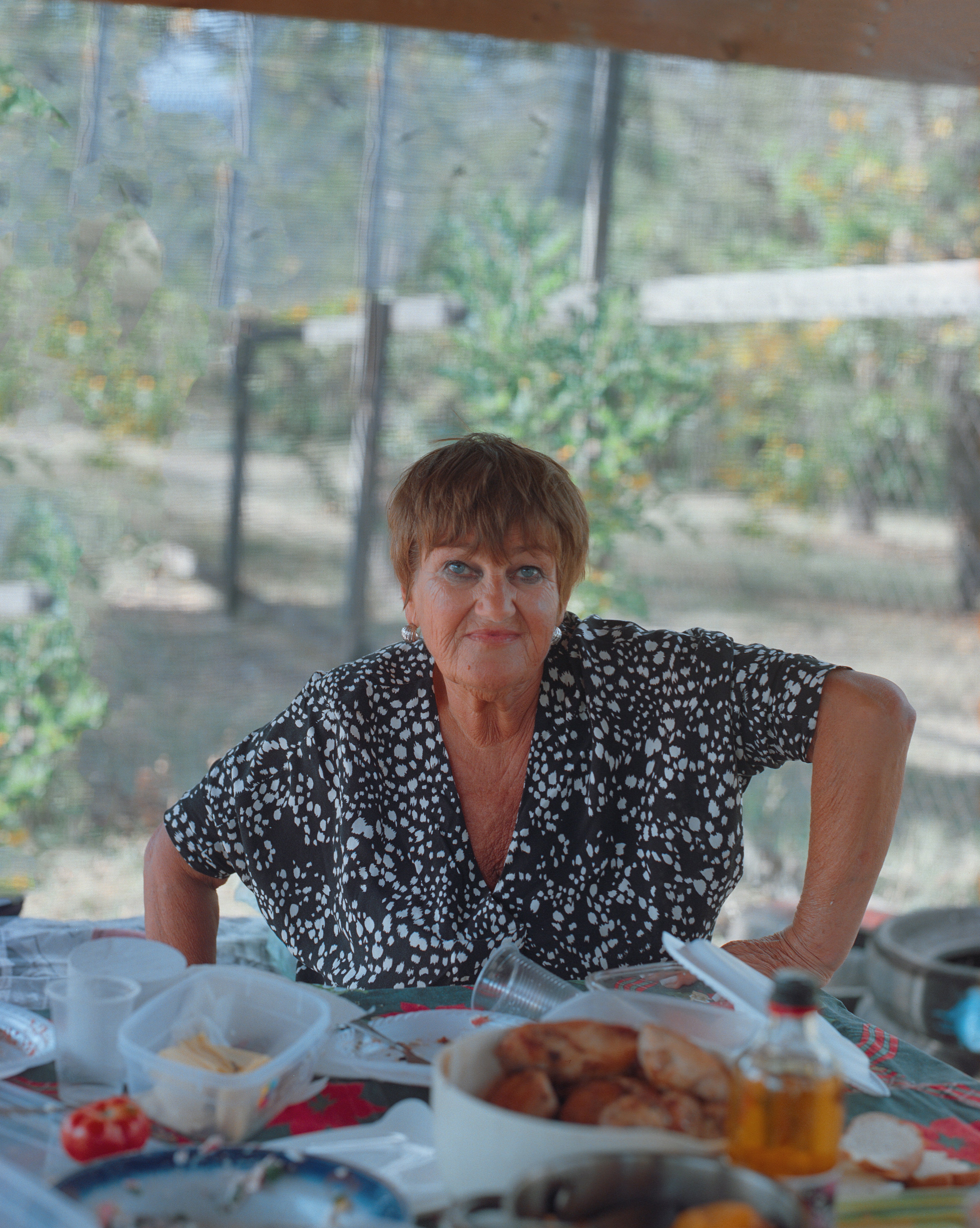
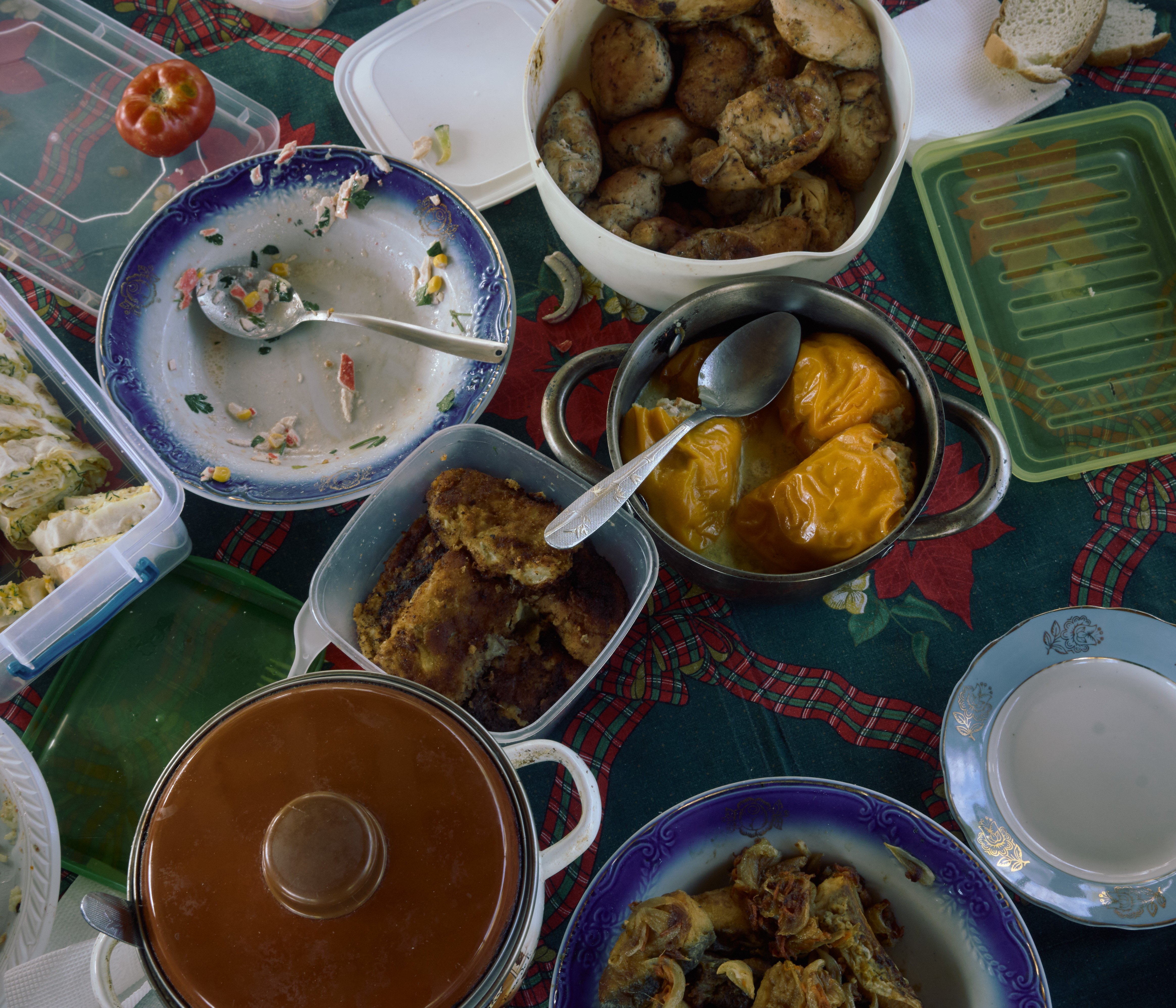
As I was walking through Yuvileinyi Park, I heard a voice call out and noticed someone motioning for me to join a large group gathered under a gazebo. When introductions were made, I realized we’d all been invited to celebrate Olena’s birthday. Although we hadn’t met any of them before, they made us feel so welcomed and warm, a generosity they referred to as the Kramatorsk spirit. Olena had spent two days cooking and served far more than anyone could have eaten. A singer by heart, she spent the afternoon performing old love songs with remarkable spirit and bravado.
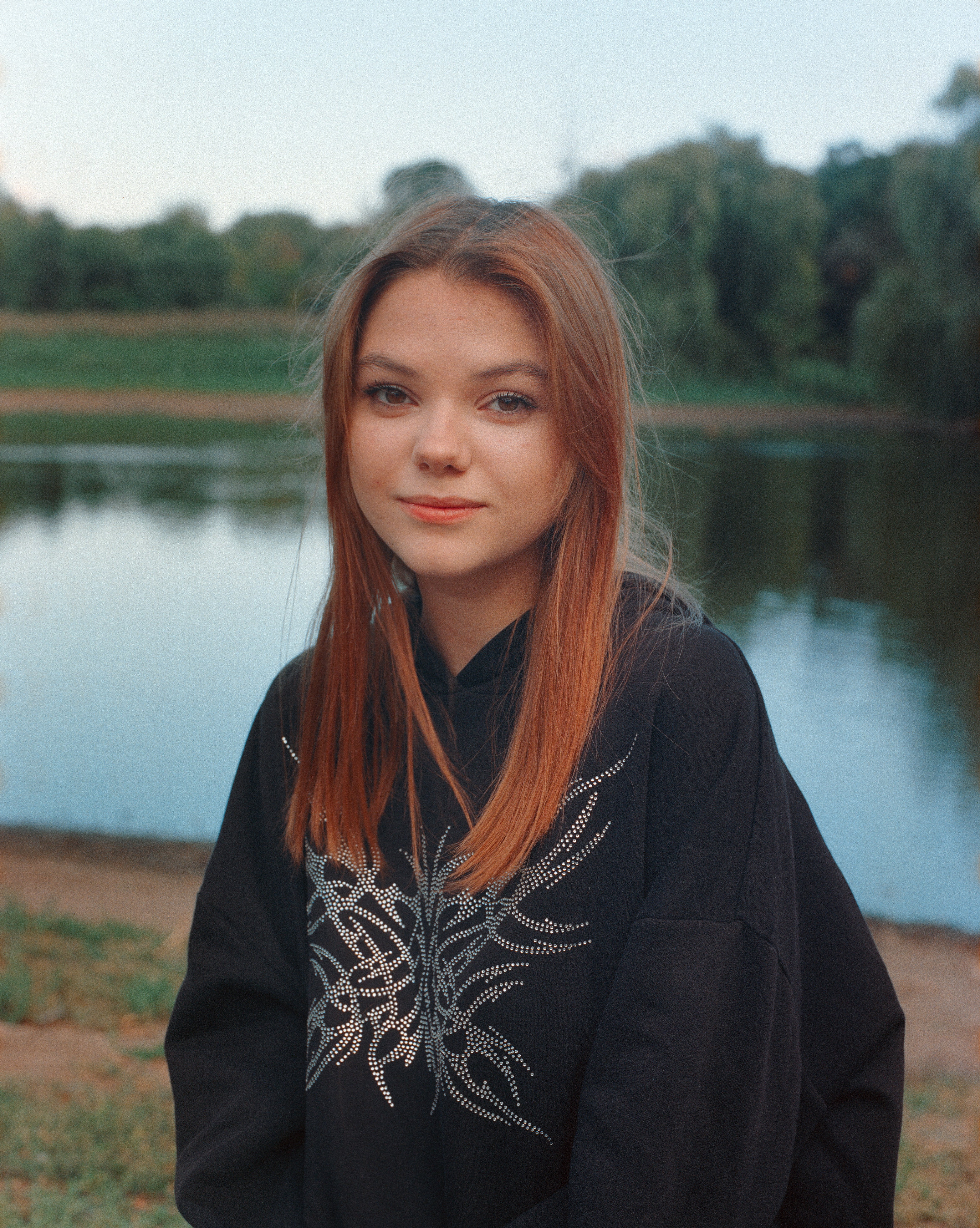
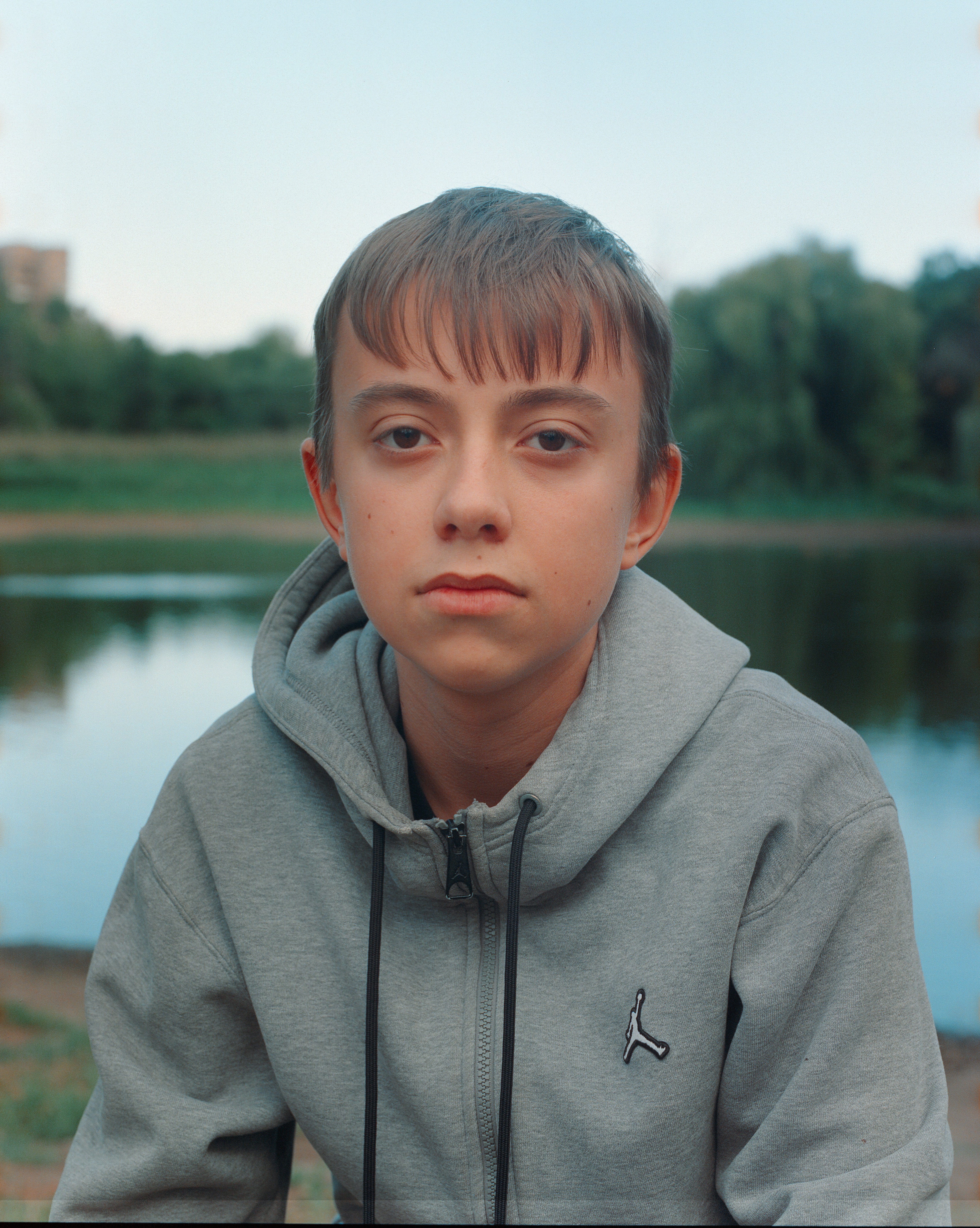
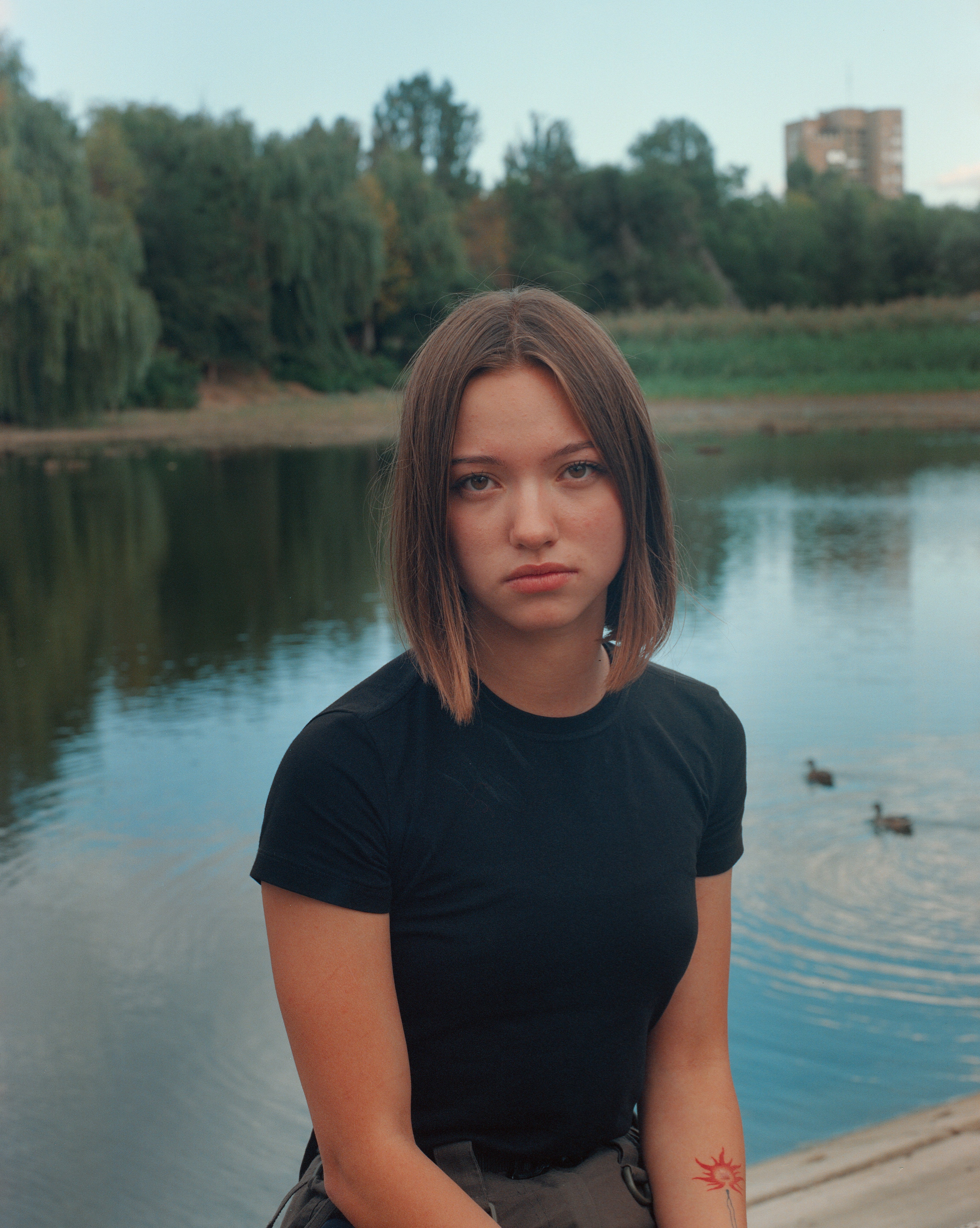
For Kramatorsk’s teenagers, Russia’s war is the only reality they’ve ever known.
“At night, drones often fly over houses,” says Alexandra, 16. “It’s very scary to fall asleep. Even though we’ve gotten used to it and developed some sort of immunity, you can still feel that it’s getting closer and closer.”
Some can’t imagine leaving, no matter how close the danger gets. “My family believes I should leave, but I can’t bring myself to,” says Ivan, also 16. “This is my hometown. I was born here and lived here my entire life. I hope that one day, things will return to how they were before the war — a beautiful city, free from ruins.”

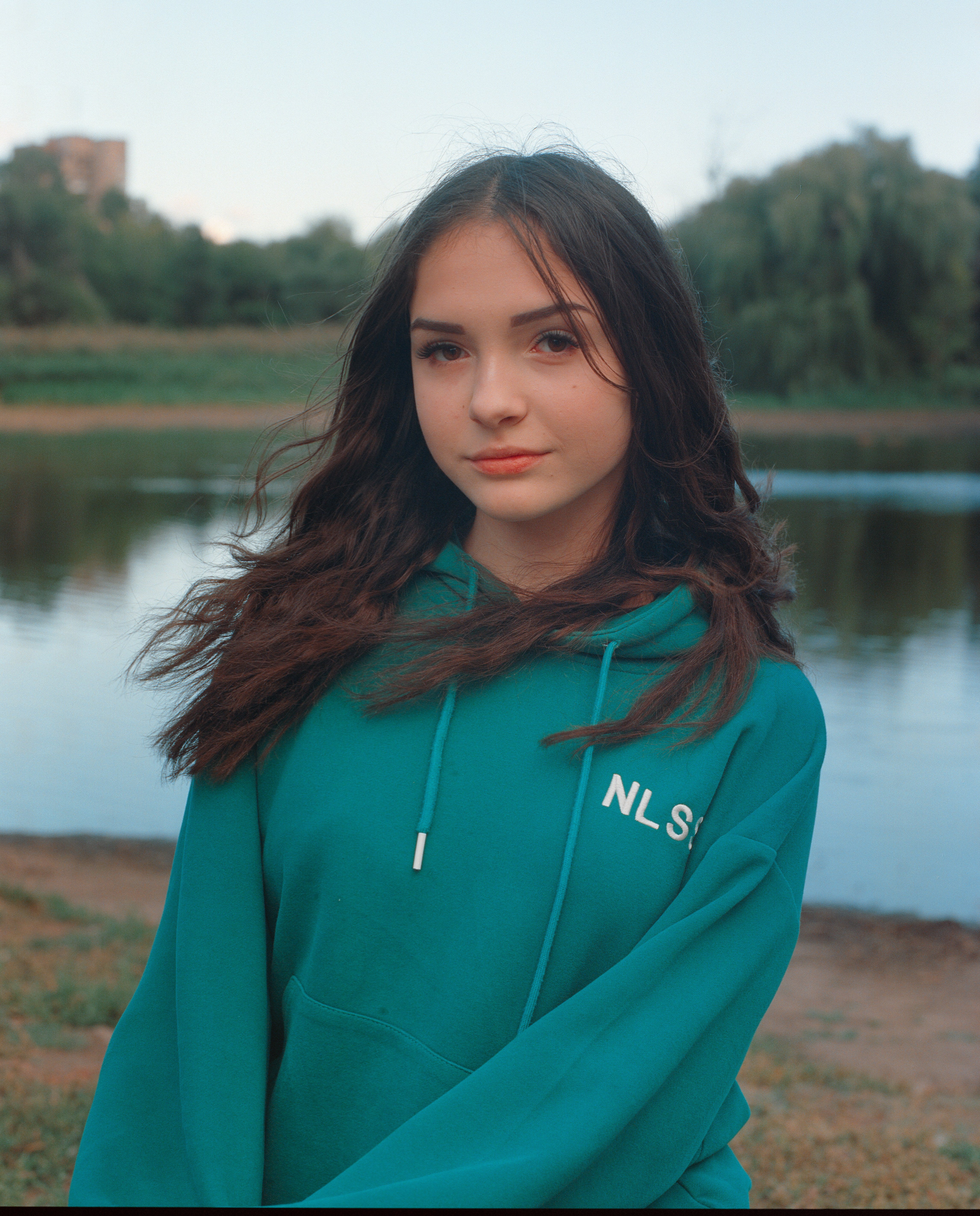
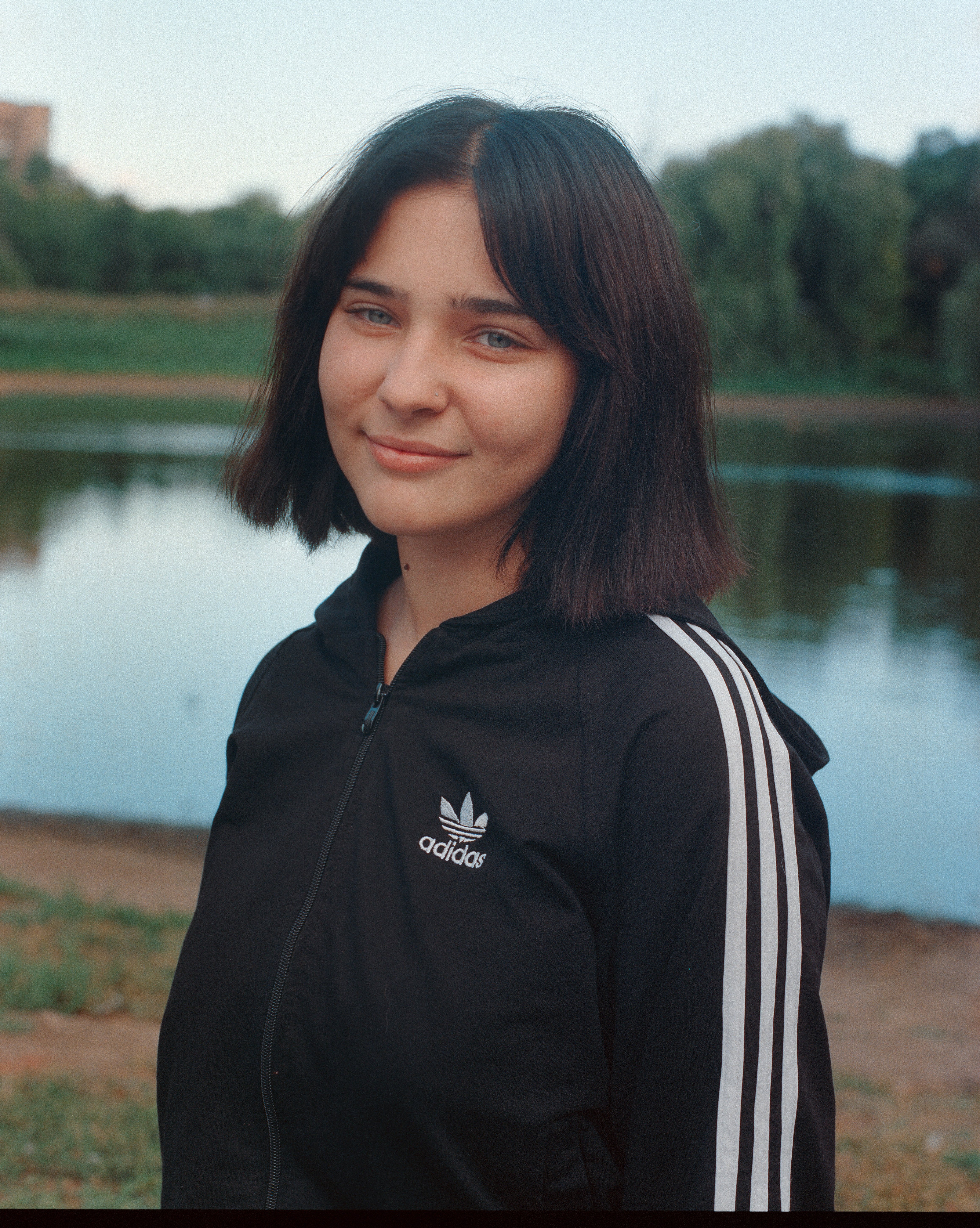
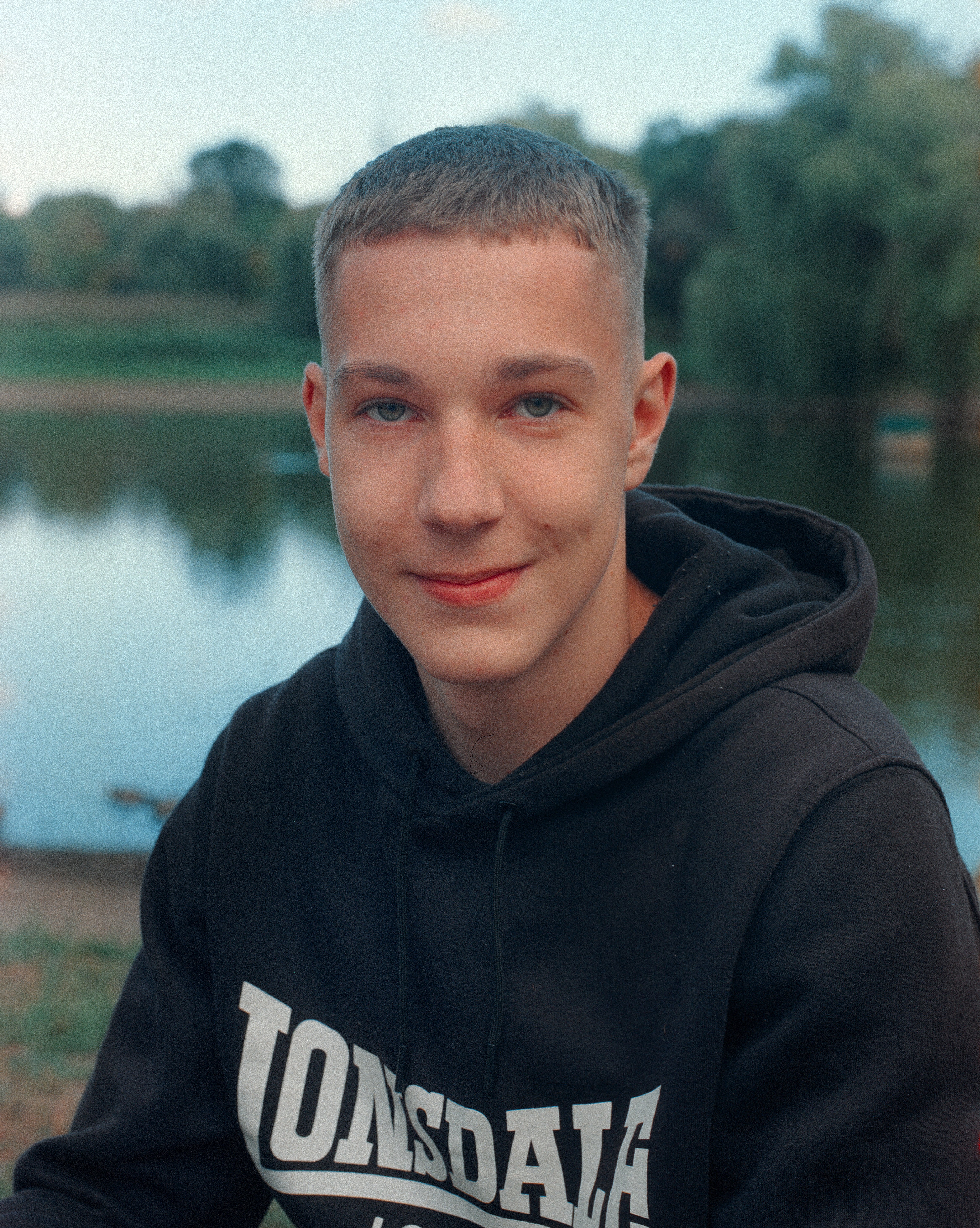
For Evgenia, the hardest part is the silence left by friends who’ve gone. “It’s very difficult when people leave Kramatorsk and you don’t know when you’ll see them again—or if you’ll see them at all,” she says. Margo, who fled to western Ukraine and later returned, agrees: “There’s nothing abroad that you have at home. Ukraine is a very friendly country. Everyone loves everyone. It’s very good here.”
Some of them are already thinking about the future—about exams, rebuilding, and what comes next. “I want to see Kramatorsk bright and beautiful again,” says Fedir, 16. Egor lost his brother in Bakhmut but still refuses to leave: “This is my hometown. I want to stay in Donbas.”
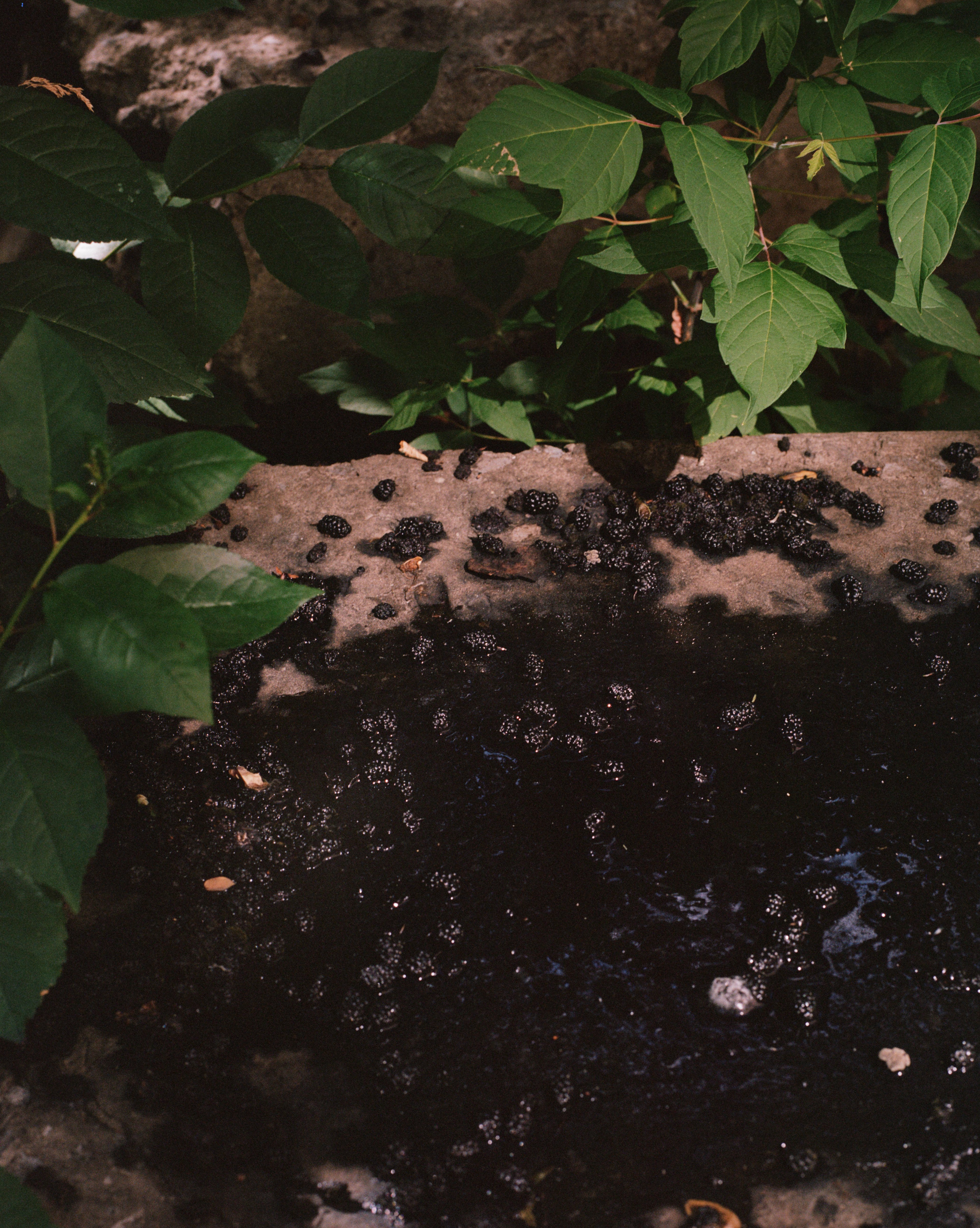
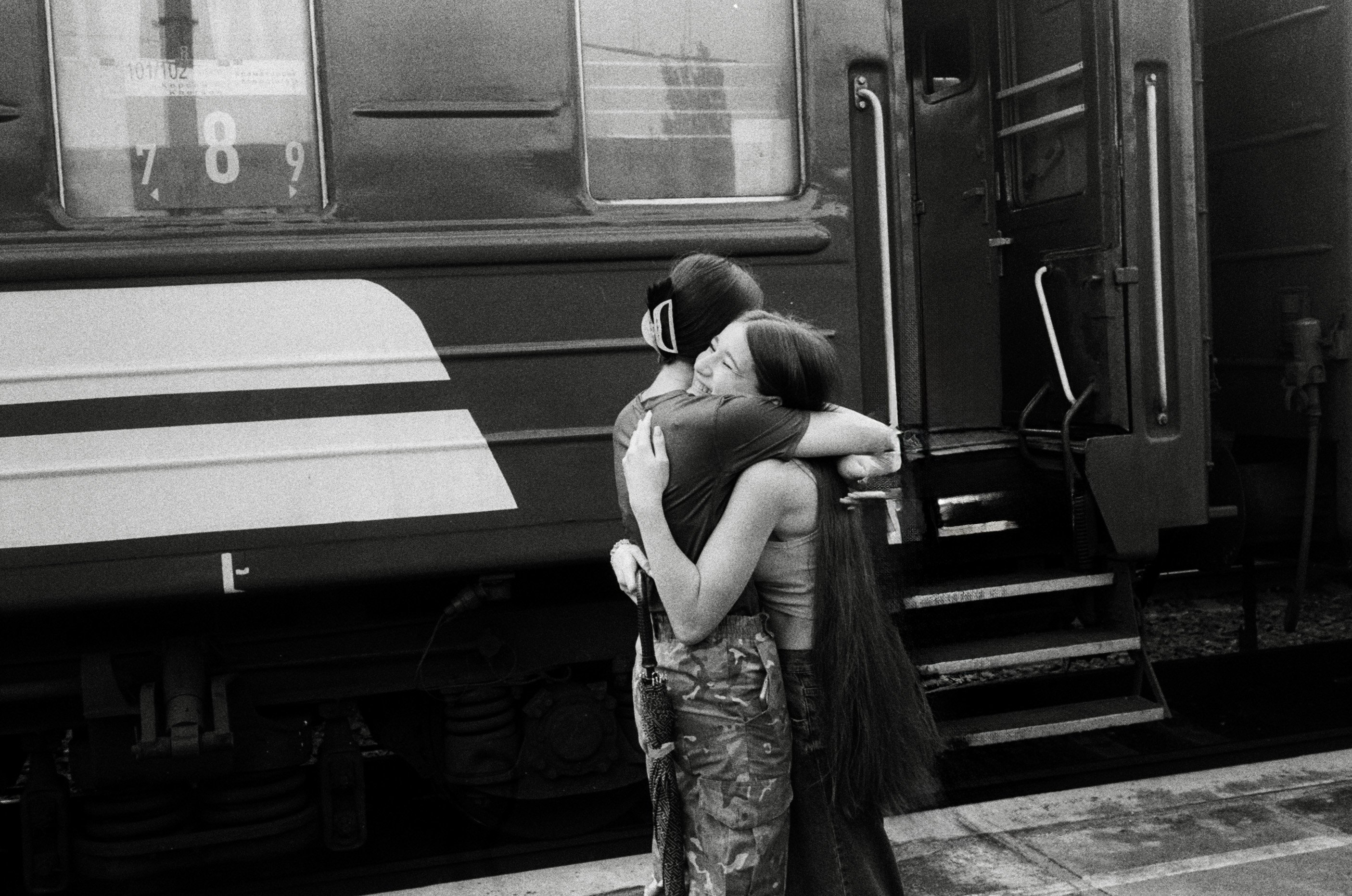
In the shadow of Russia’s war, Kramatorsk has become the last refuge before the frontlines—a place where families and loved ones can reconnect, even if only for fleeting moments. Throughout the full-scale invasion, the city has endured near-constant Russian attacks, day and night.
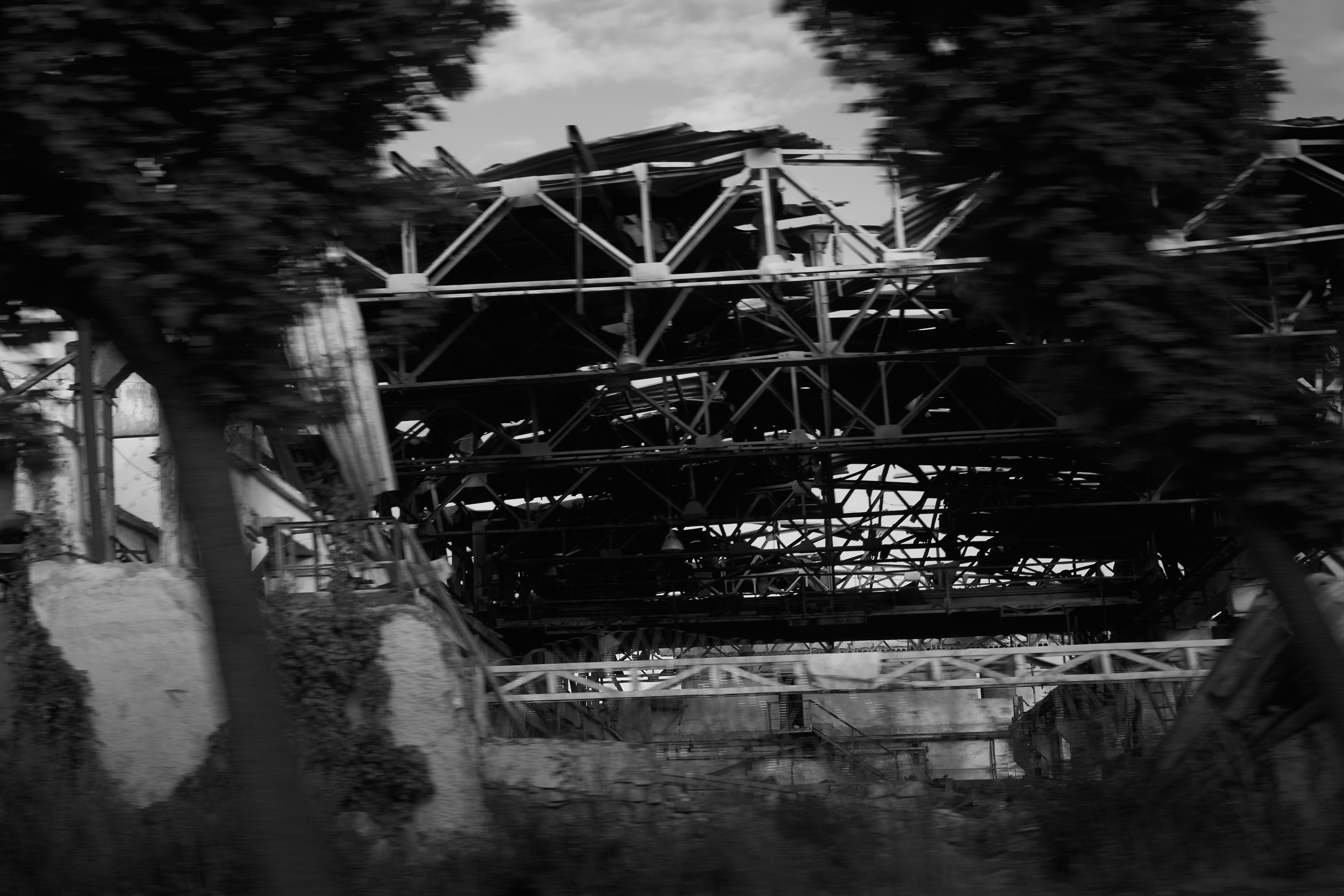
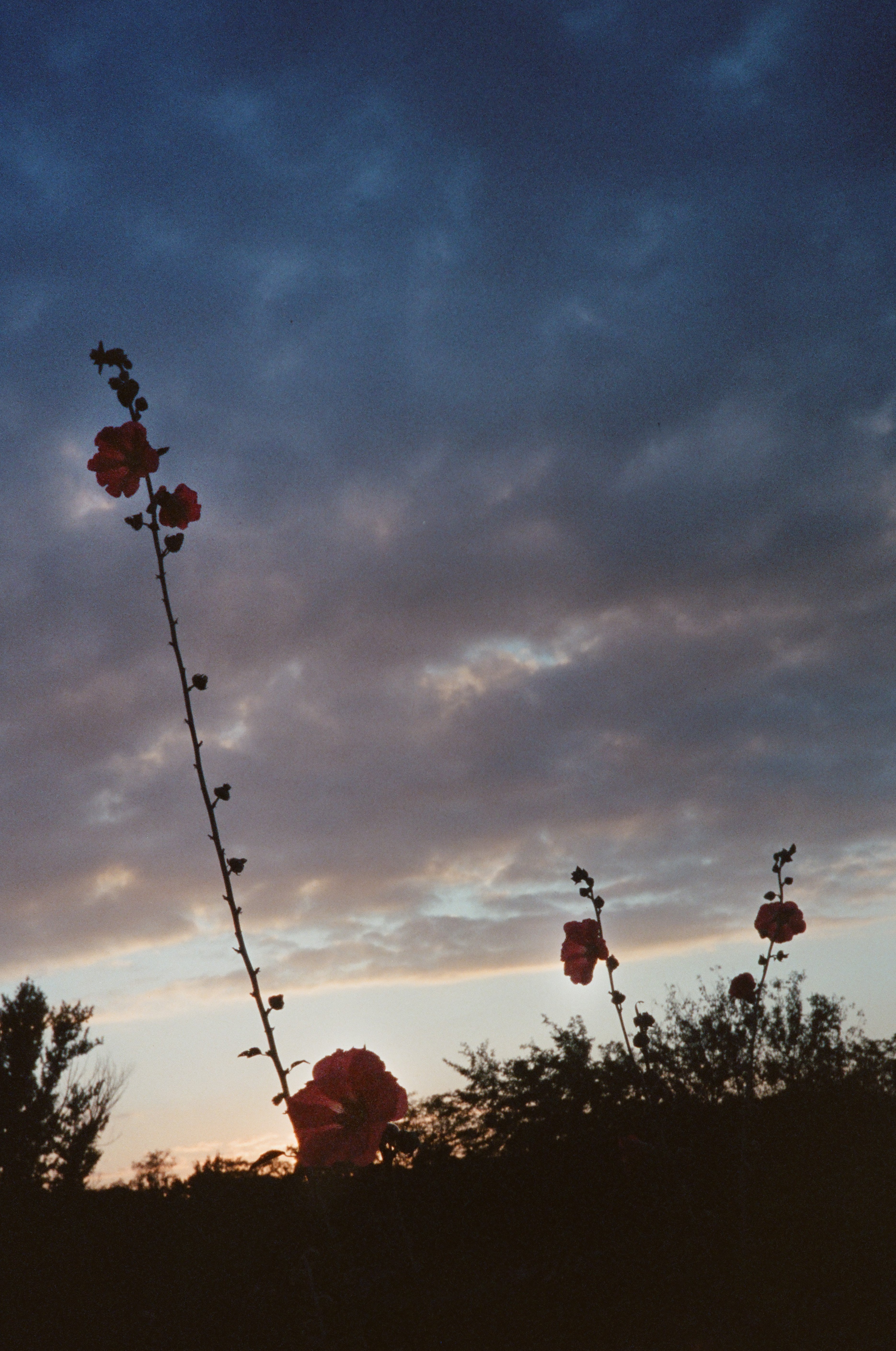
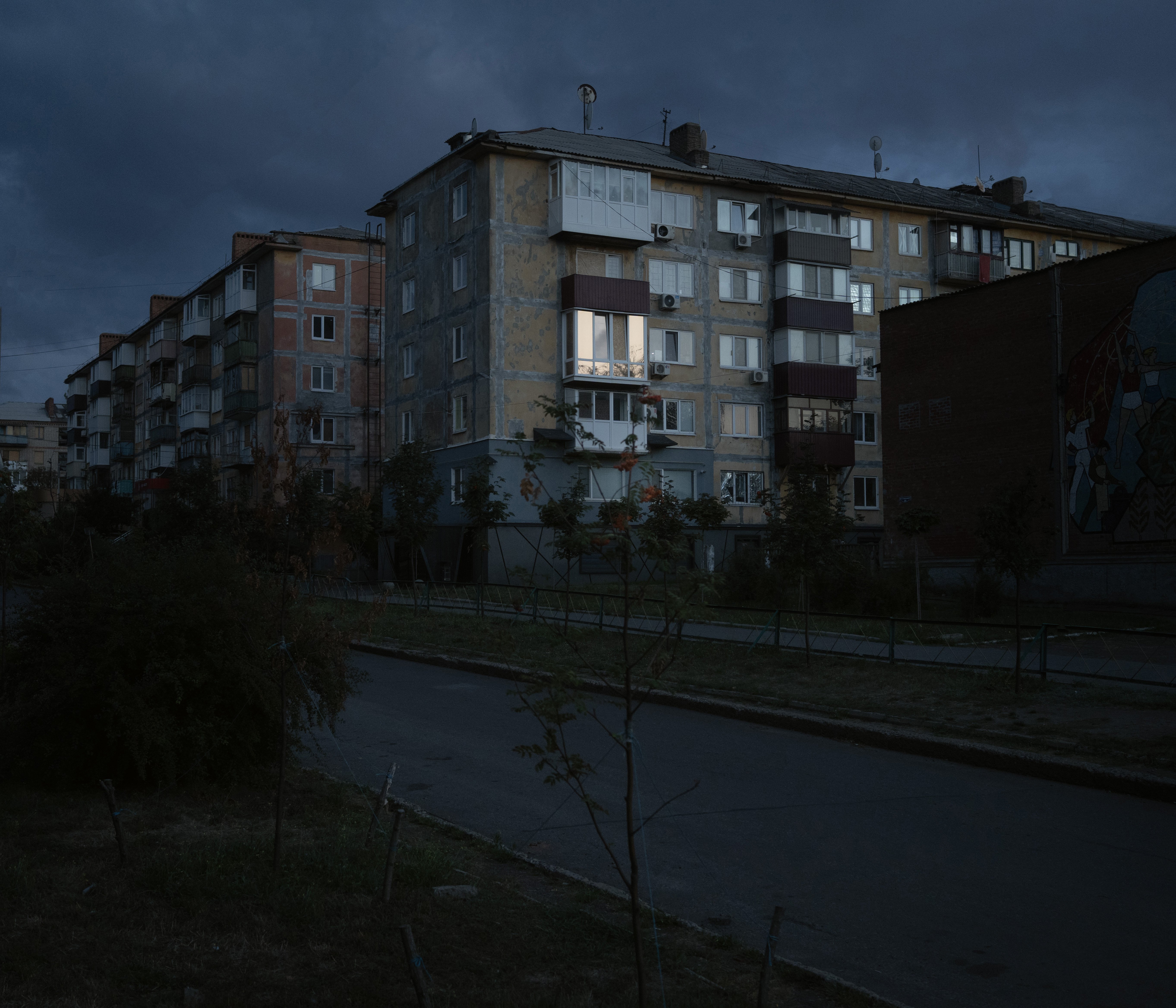
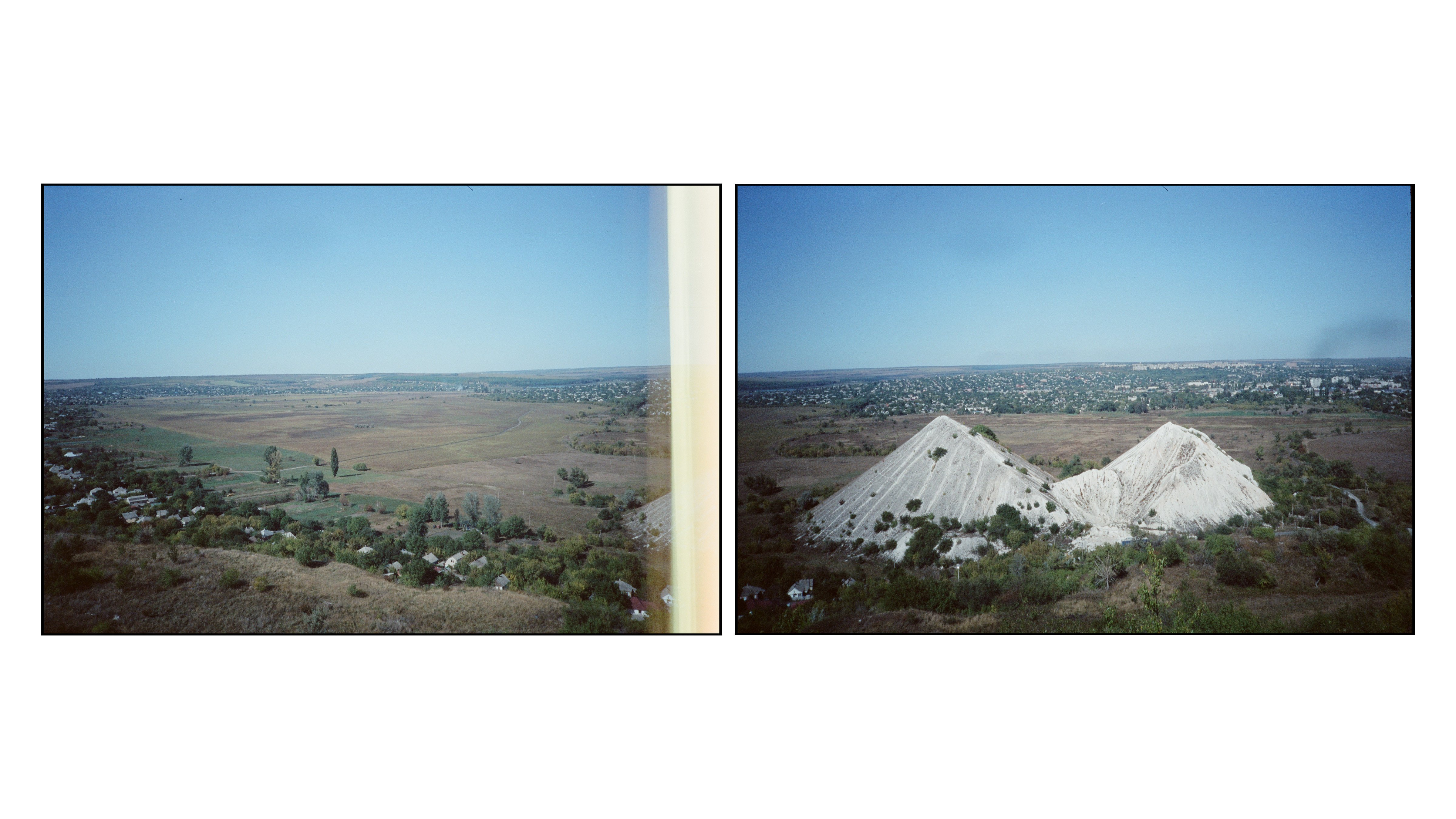
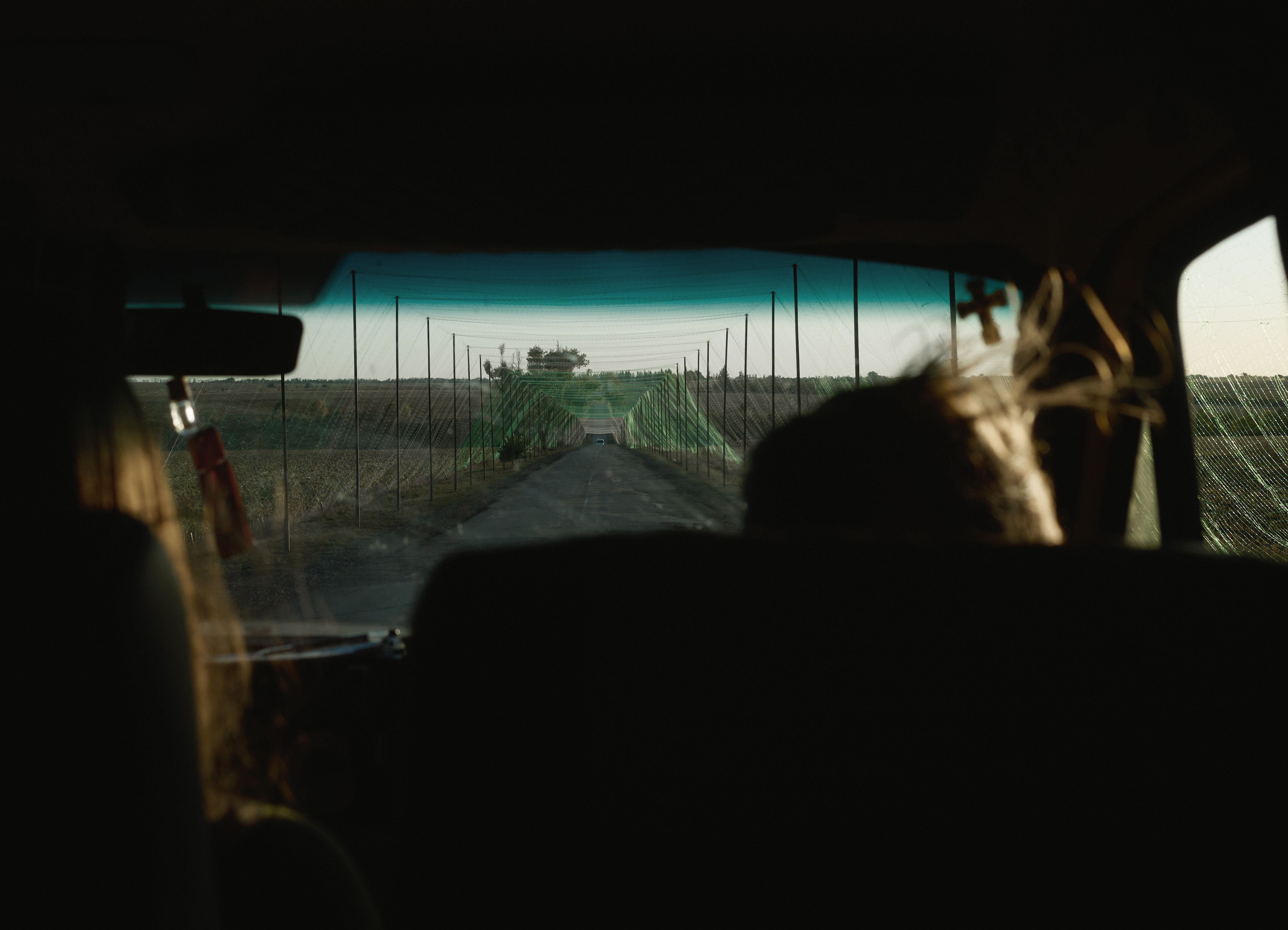
While many left Kramatorsk when Russia invaded, some decided to return. Varya, now working with an NGO evacuating civilians from the frontline, guides others to safety across the same landscape she calls home.
“It’s dangerous work—we’re catching drones almost every time,” she says. “You can see them from the window sometimes. You have to know when to drive fast, when to stop, and jump out.”
Her city has changed beyond recognition. “My house was hit twice, back in 2014 and 2015. When I left in 2022, I thought, yeah, it’ll probably get bombed again. Still, I came back. Because even if it’s dangerous, it’s mine.”
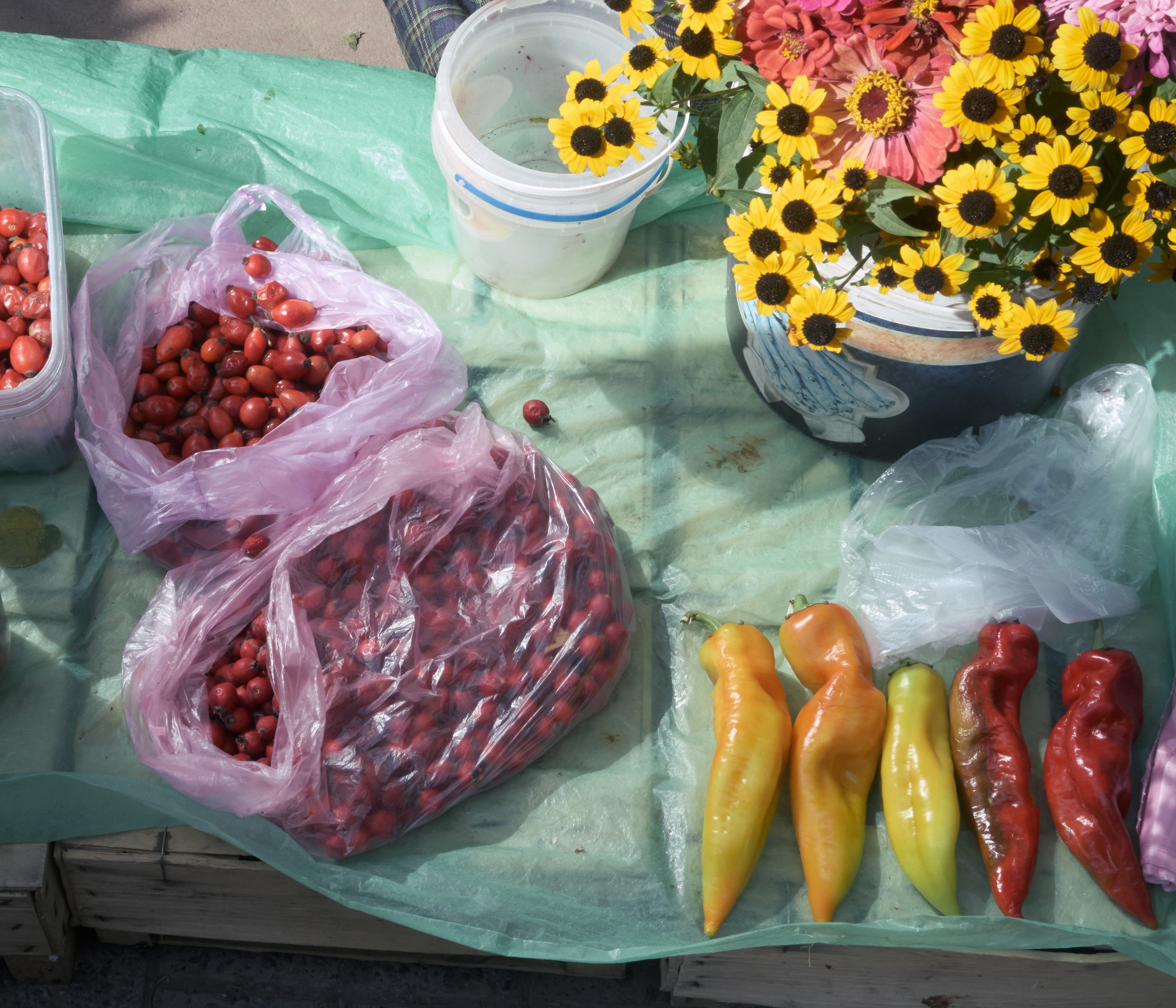
At the central market in Kramatorsk, Zoya stands behind a small wooden table covered with garlic and jars of goat fat. Her hands are sunburned, her golden teeth sparkling.
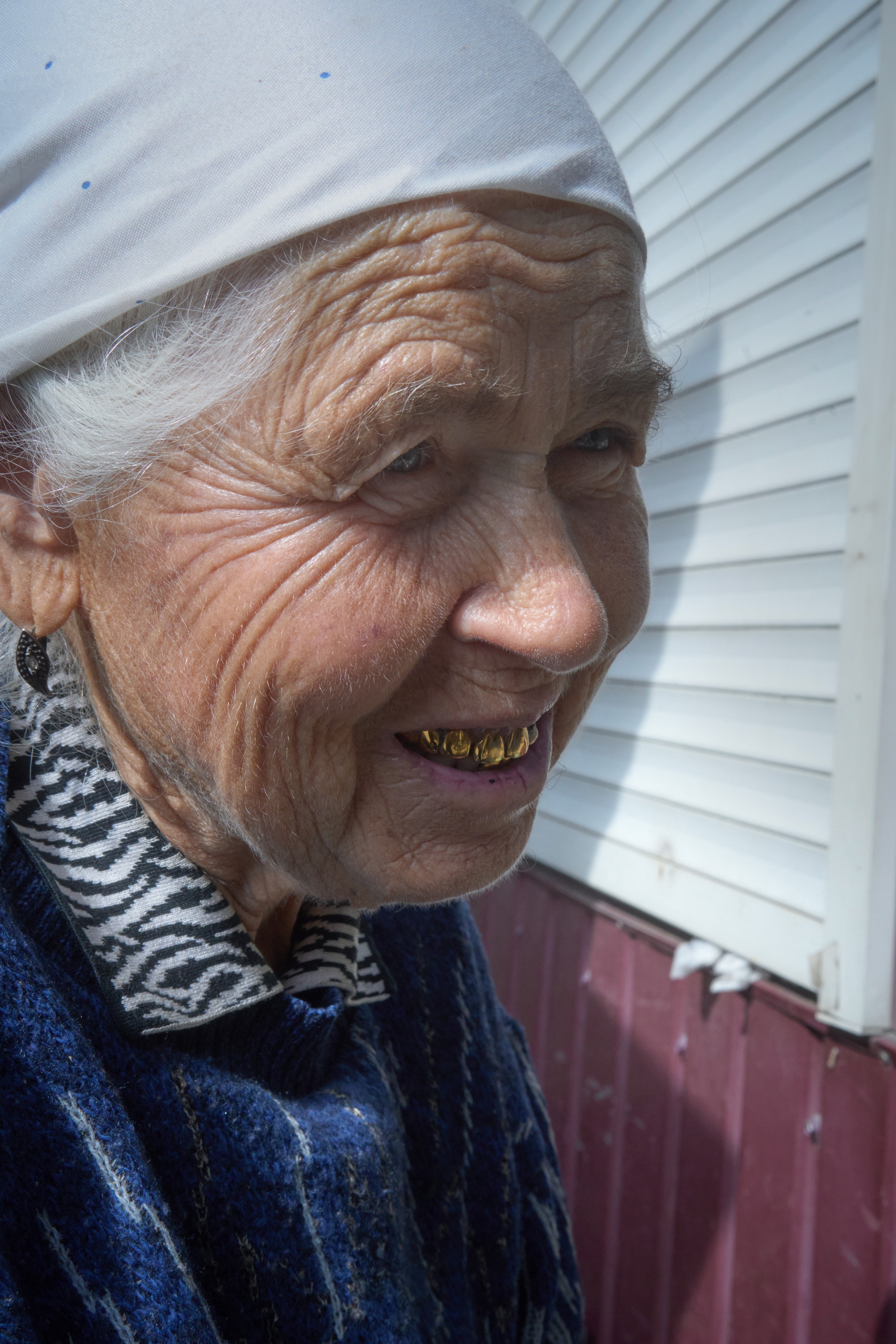
“My parents brought me to Kramatorsk when I was eight,” she says. “I raised two children here, built a house, and kept a cow. Now I have a goat—I sell goat fat and garlic. My son lives here too, but I live alone.”
The war has seeped even into her garden. “Now everything grows badly,” Zoya says. “The water has gone somewhere. Maybe it’s from the attacks—maybe from banned weapons. There’s a white plaque on the trees now.”
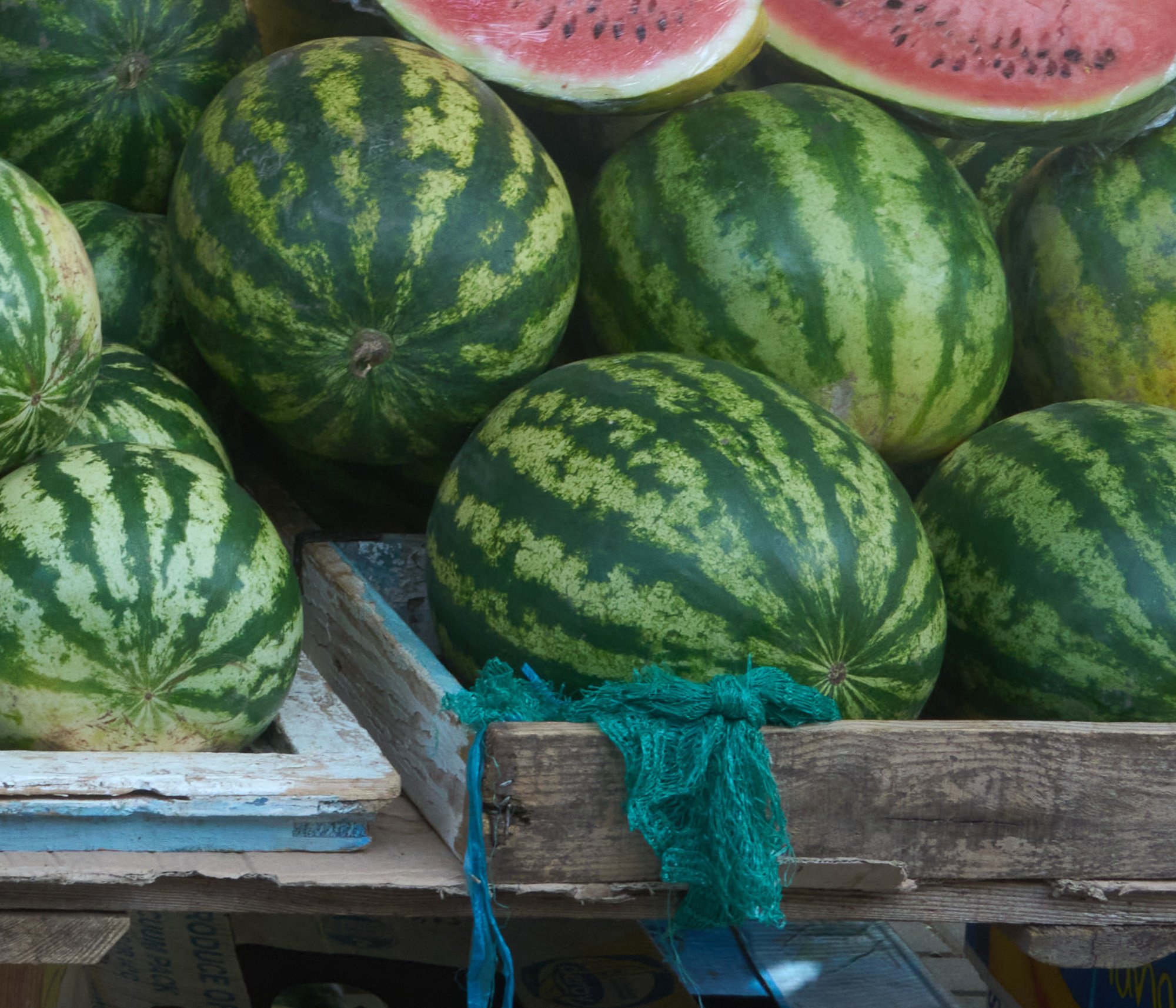
Behind a cluttered counter of candies, wafers, and handwritten price tags, a woman in a red top stands in Kramatorsk’s candy shop. “I’ve been to many big cities—even to Russia,” she says. “But I love this calmness, our Kramatorsk. I just adore it. I don’t want to go anywhere. My husband is from here, my children are from here. The climate is perfect. I’m happy with everything here.”
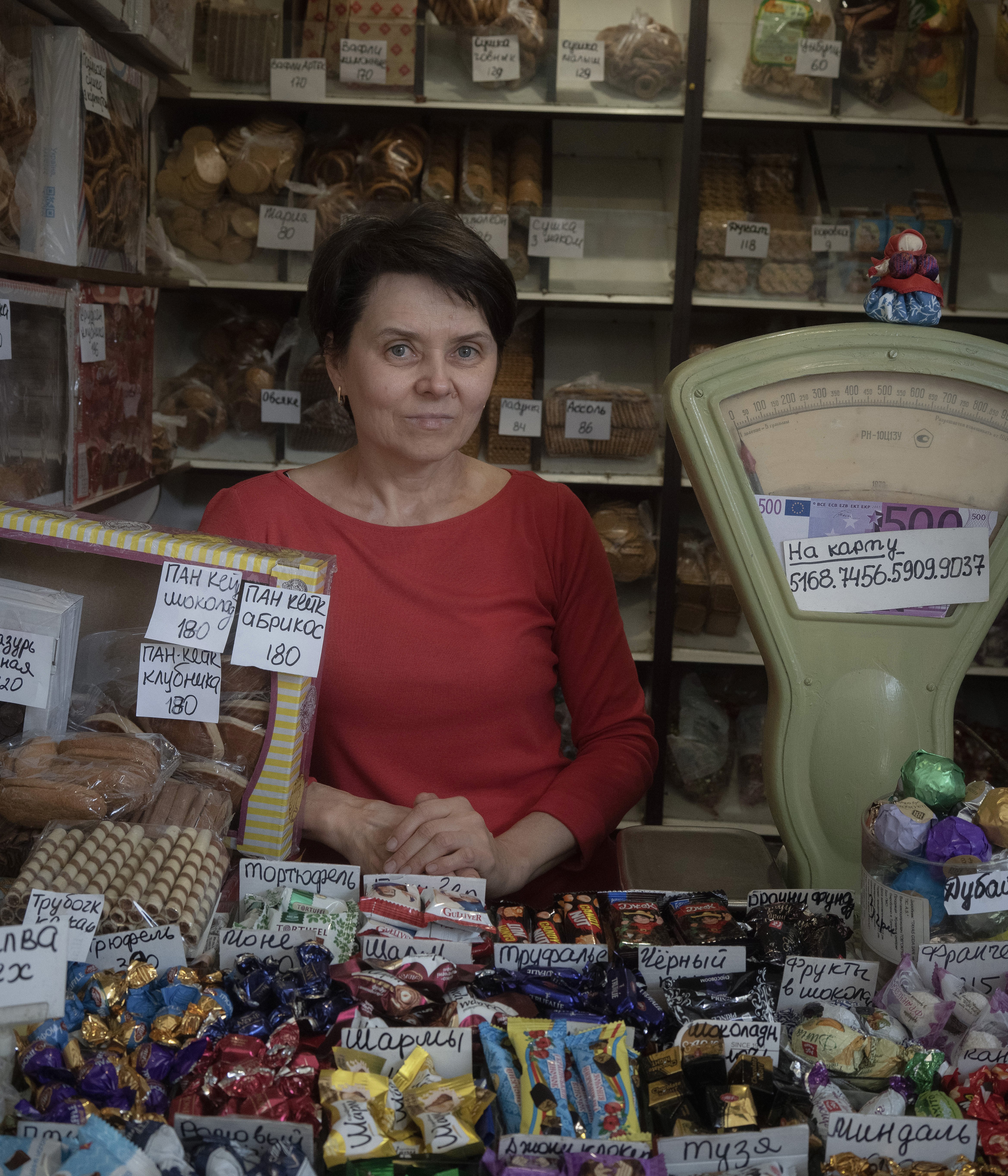
She laughs, calling herself a “pop singer,” but she’s been selling apples and sweets for eleven years. “I work on my own,” she says. “My husband can’t work right now, so I help the family. I don’t want to go anywhere.”
She remembers the holidays, the park, the Christmas tree in winter, and the fountains in summer. “Our city is like that. Yes, now people die. I don’t know what to do. People here are kind, cheerful, friendly. I’ve always been happy here.”
Then her voice softens. “I’m so sad that I might have to leave. I don’t want to live in a basement, without water or gas. It will be like a broken heart.”
She looks across the square. “But I think we’ll rebuild what was destroyed. The city is alive. There is still hope.”
Discuss this article:

-42696701342093d1cdbc4069f0f07d6c.jpeg "Photo of Mykyta Shandyba")


-f88628fa403b11af0b72ec7b062ce954.jpeg "Photo of Amira Barkhush")