- Category
- War in Ukraine
An American Filmmaker Spent 3.5 Years With Ukraine’s Frontline Soldiers. Now Their Story Is on Screen
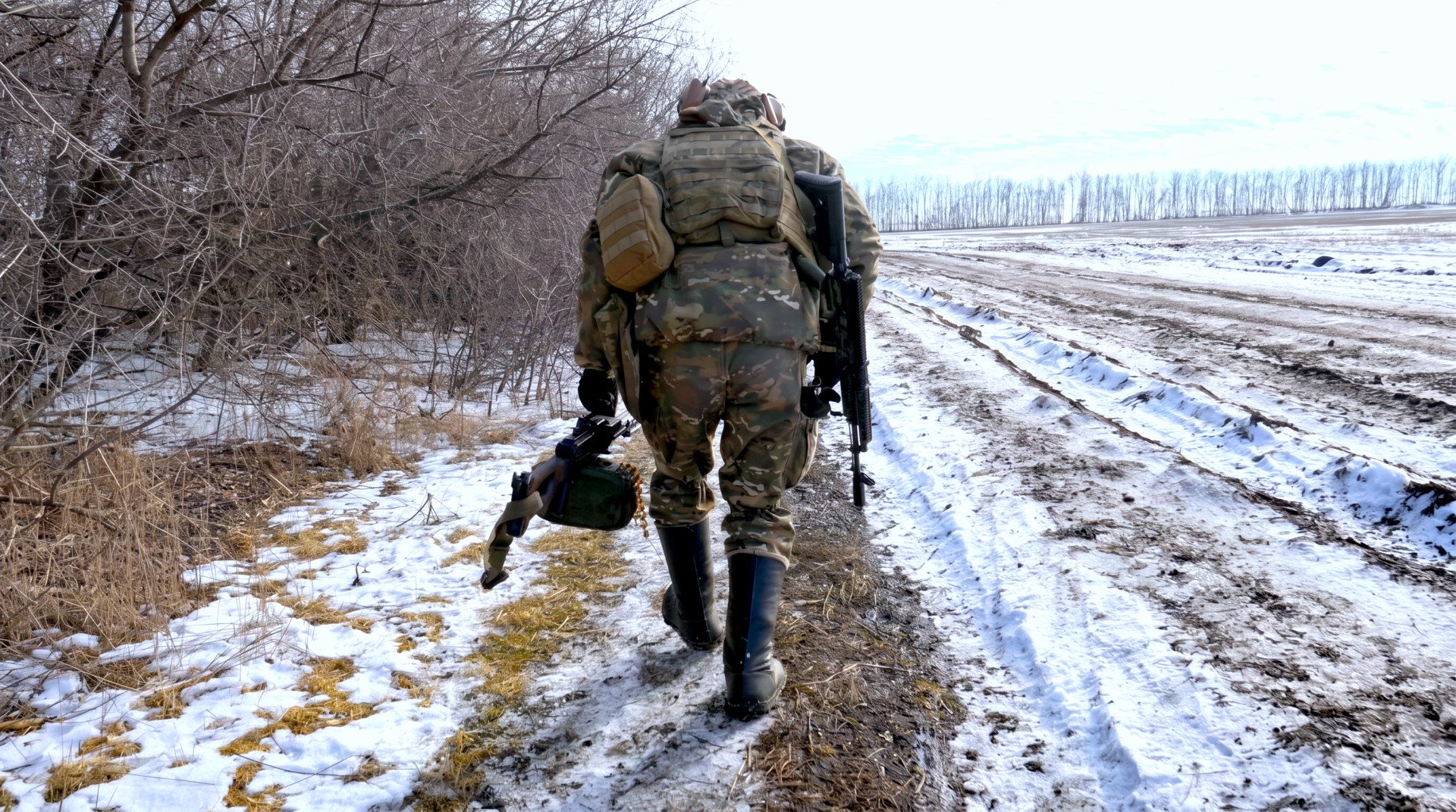
Brace for Oblivion follows several Ukrainian civilians as they become frontline soldiers. Through trenches, artillery fire, Bakhmut, and the loss of their comrades, their story now unfolds on the big screen.
 Prefer U24 Media on Google
- Authors


Outside Kyiv’s iconic Zhovten Cinema in Podil, a neighborhood humming with casual street life beneath a wartime sky, veterans of Kyiv’s Territorial Defense Forces are gathered for a film festival—ordinary civilians who enlisted on day one of Russia’s 2022 full-scale invasion.
Inside the theater, American director Xackery Irving is preparing for the Ukrainian premiere of his documentary, Brace for Oblivion, the culmination of three and a half years spent rotating into positions alongside these volunteer defenders on Ukraine’s frontlines.
Kyiv’s volunteer defenders reunite to watch their past unfold on the big screen
Bound together on the southern front in 2022, the central subjects were eventually scattered across different brigades as Russia's war expanded. Today, for those able to attend, marks their first reunion in years—bringing them side-by-side once again as their shared past unfolds on the big screen.
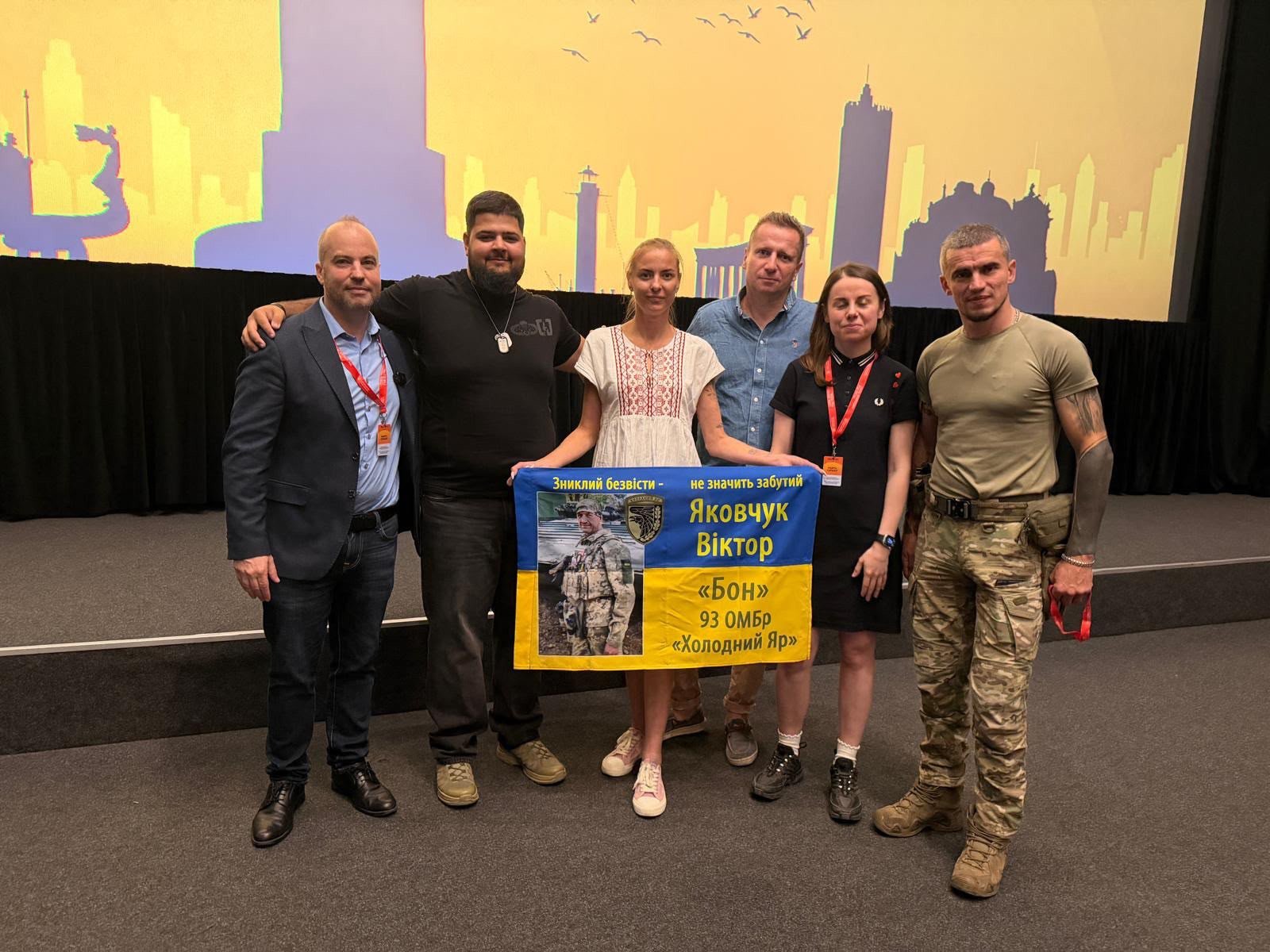
“This is a really special screening because it's a homecoming for the film,” Irving says. “The film is about the Ukrainian spirit, the indomitable resistance, and it's a story of the seven main subjects. Four of them are here, and they will be able to speak about it. Three of them have never seen the film before.”
That gathering takes place under extraordinary circumstances. With the XVII Odesa International Film Festival held in Kyiv for the third consecutive year due to missile and drone threats along the Black Sea coast, this screening serves as an unfiltered look back at how a country’s civilian population transformed itself into a frontline force.
Behind the camera: Over three years moving across the frontlines
A veteran director of non-fiction television, Irving's initial impulse to travel to Eastern Europe was sparked during a dinner gathering in New York with photojournalists shortly after Russia’s invasion began. He arrived in Ukraine in early 2022 planning to shadow foreign correspondents and international volunteers.
Then he met with local Ukrainian defenders.
"I came to Ukraine not really knowing what I would be covering," Irving says. "Initially, I was going to be focused on journalists, war photographers, and volunteers. But when I met the citizens turned soldiers, everything changed for me. Now I could see the film through the people that were experiencing it. I understood this is a film not about an issue, it's about humanity—humanity versus horror, protecting what's human, protecting what's dear."
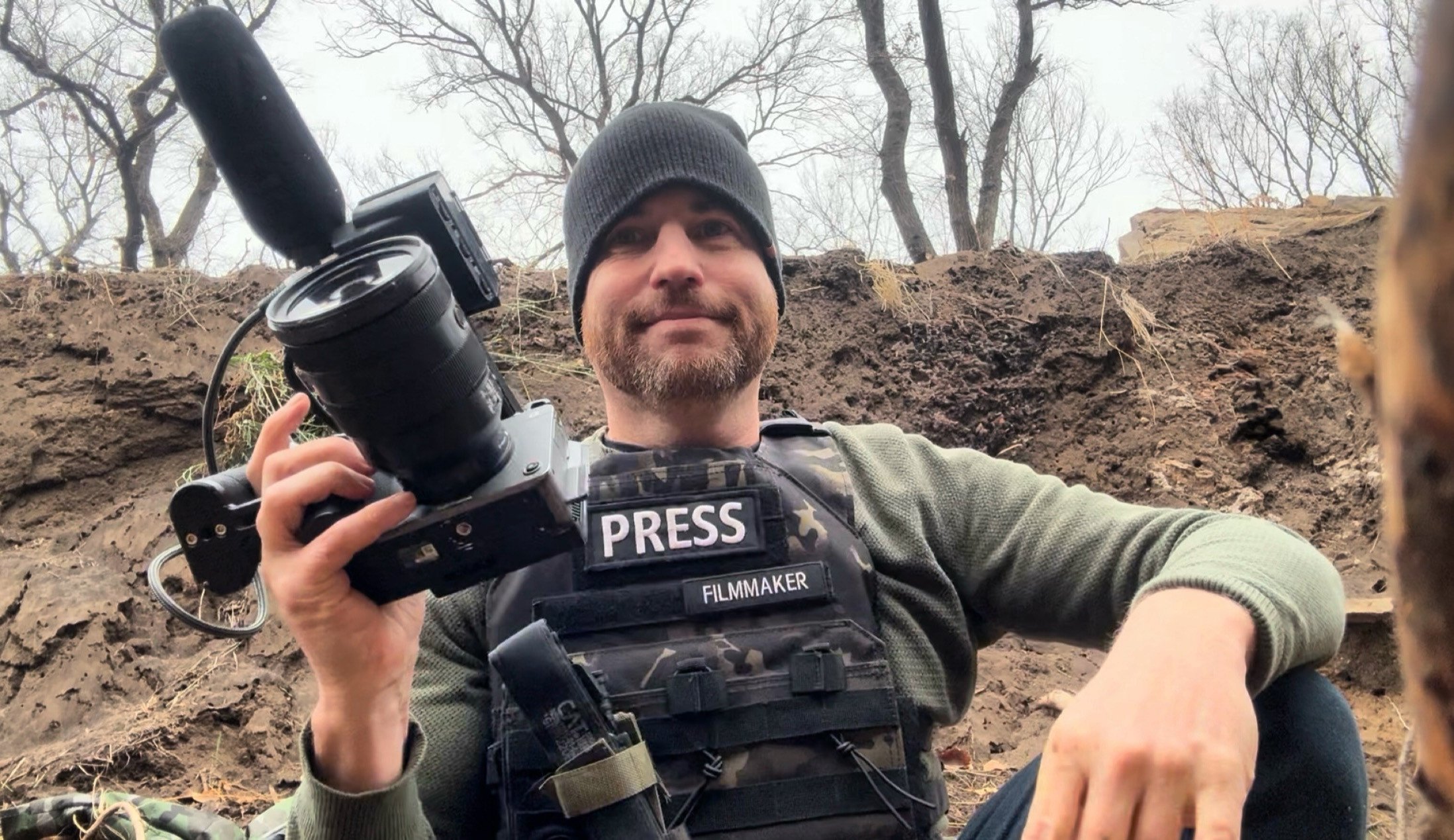
The men and women he embedded with were civilian volunteers serving in the 206th Battalion of the 241st Territorial Defense Brigade. Their sudden transition to the frontlines was part of a massive nationwide wave. While Ukraine's Territorial Defense Forces numbered just 580 personnel at the end of 2021, over 110,000 ordinary citizens enlisted within the first month of the invasion.
In the film, we follow a university student, a filmmaker, a salon manicurist, a construction worker, a bio-physicist, a gourmet chef, and their company commander—a fifth-generation military officer with the callsign "Validol ".
Five generations of military legacy meet the age of drones
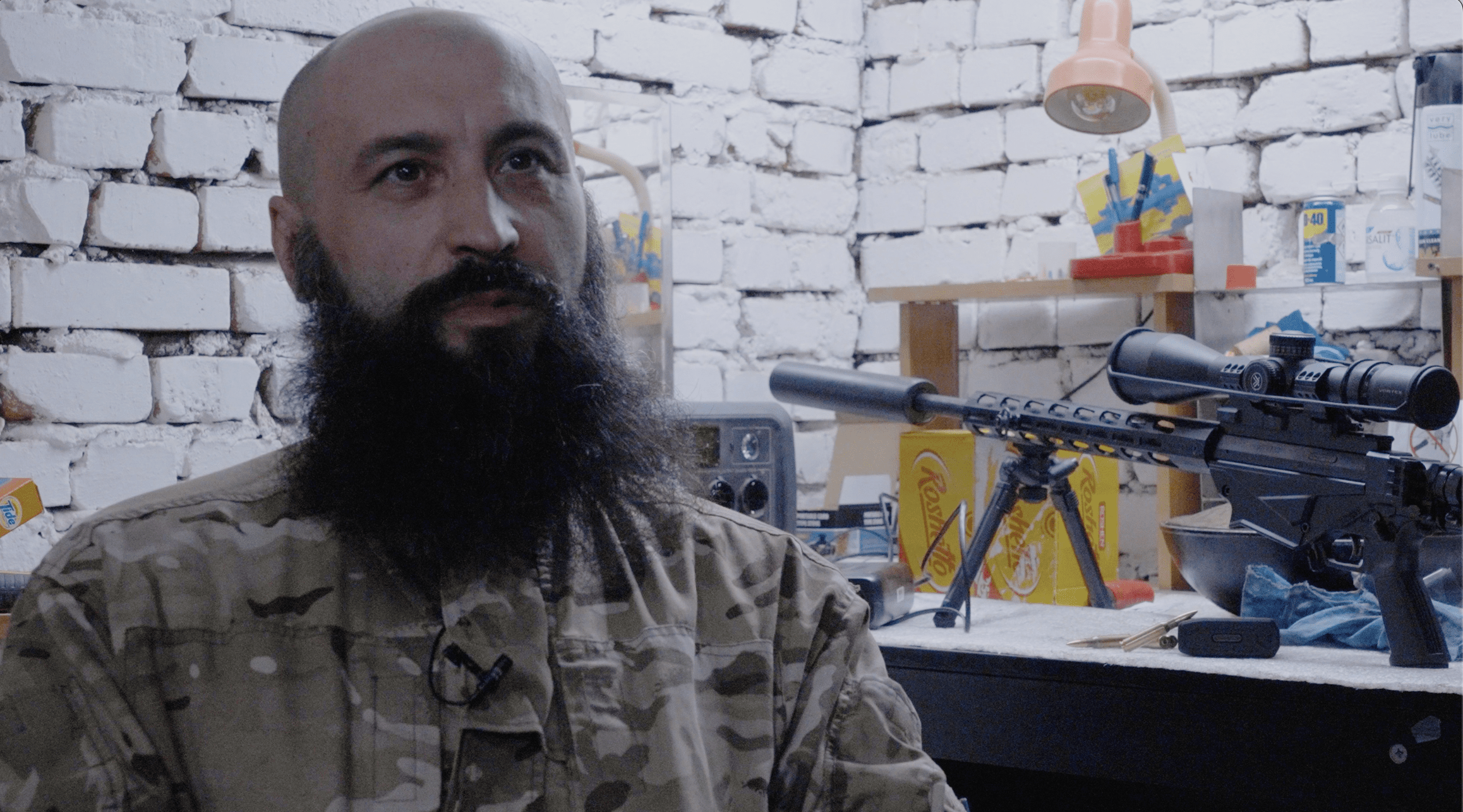
Speaking after the screening, Validol reflected on that legacy. "My father, my grandfather, my great-grandfather, and my great-great-grandfather were all in the military. Right now, my family is still actively fighting, including my eldest son. He is currently deployed in the combat zone carrying out missions. My brother is also a serviceman."
Yet despite a family legacy spanning generations in uniform, Validol noted that today's battlefield looks radically different from anything his predecessors experienced.
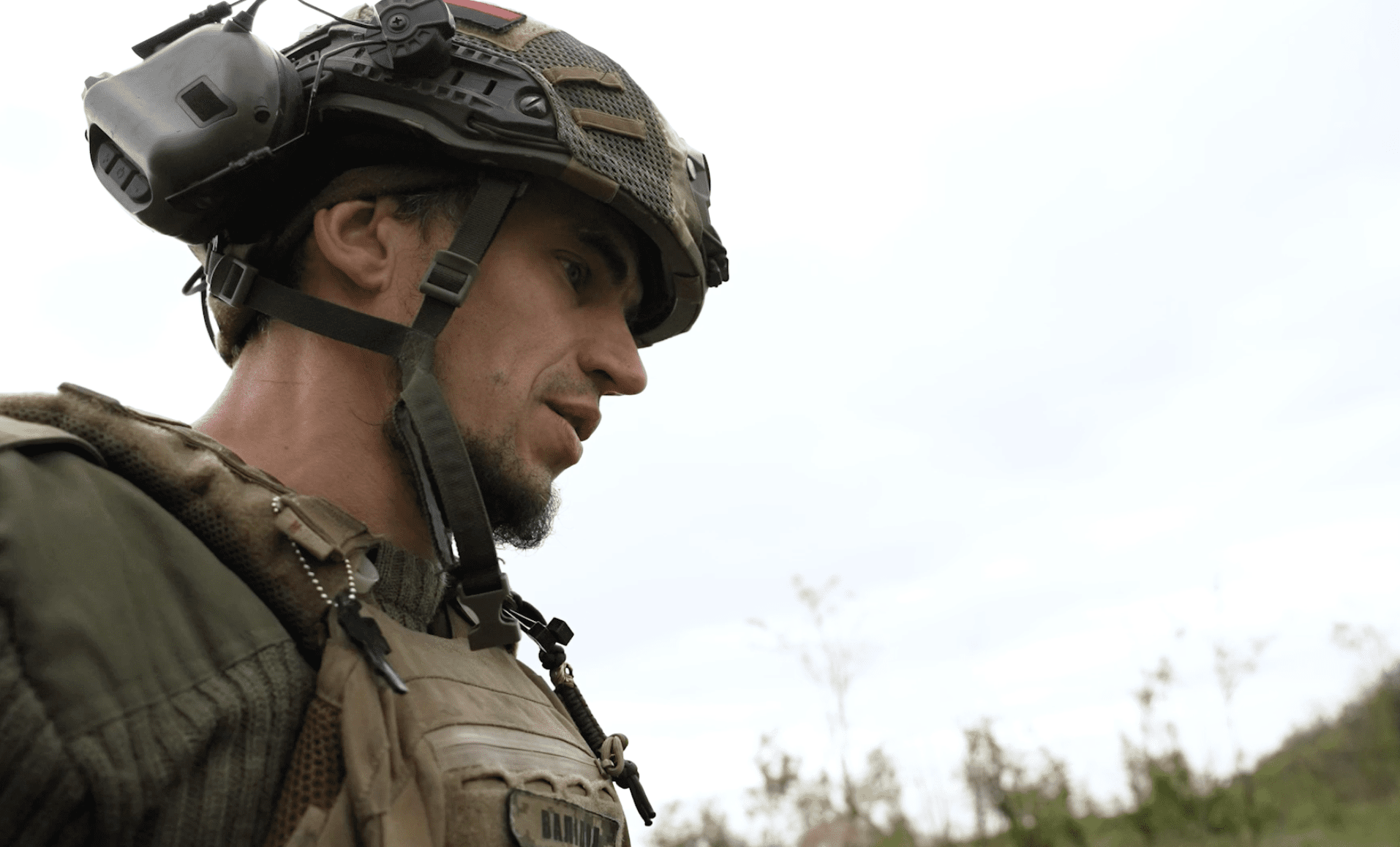
"How has the war changed? It has become much more technological now," Validol explains. "Where earlier there was far more direct work for the infantry, the war today is heavily technology-driven. Currently, the primary workload falls on drone operators. We have reached a point where infantry alone simply cannot perform every task like they used to."
Finding the human story beyond the battlefield
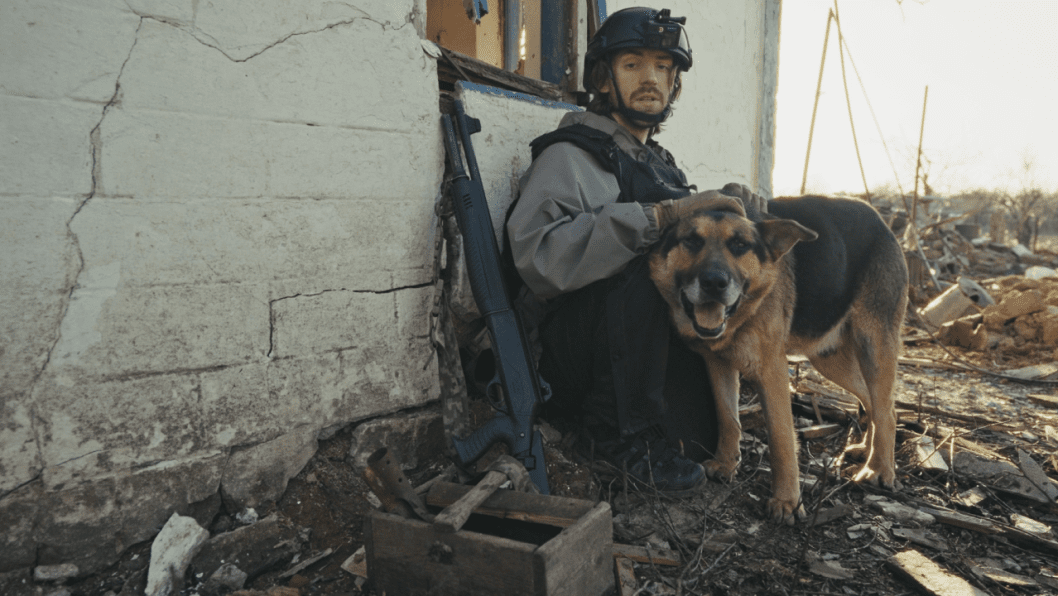
In those early days, Irving observed that the volunteers existed in a transitional space—having one foot in combat and the other still anchored in who they were as civilians. Tracking that fragile balance across the frontlines, he moved with the unit from early positions in Mykolaiv and Kherson to Vovchansk in Kharkiv, and eventually into heavy combat against Wagner Group mercenaries in Bakhmut.
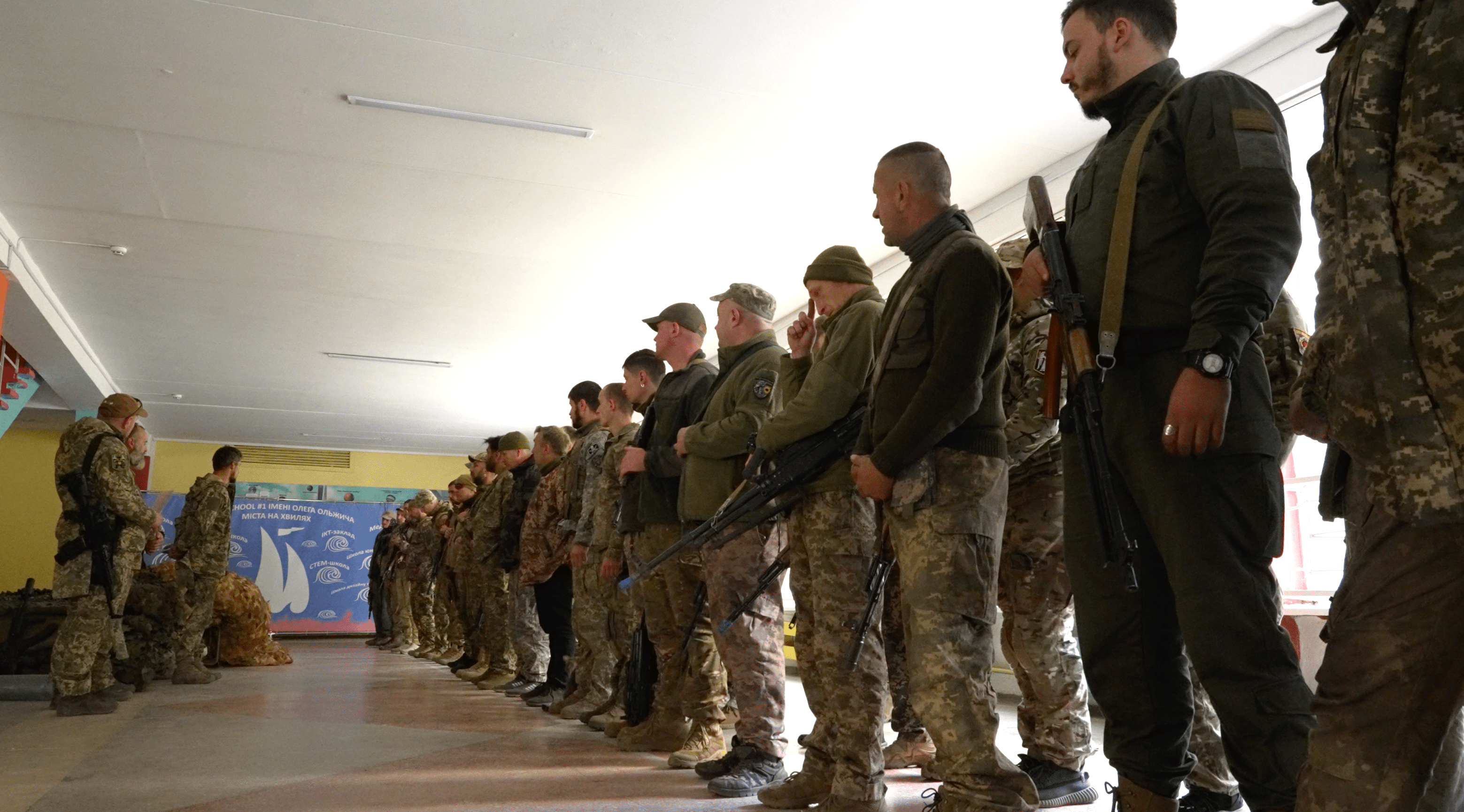
For Irving, the challenge was elevating the footage beyond daily war reporting. Reviewing raw takes during editing trips to New York, he realized the documentary’s real strength lay in its subjects rather than the battlefield itself. "It wasn't the explosions, it wasn't the fighting, it wasn't the war," he explains. "It was them."
He focused instead on everyday moments among a "ragtag army"—a shared meal, a call home, or a quiet hug amid the chaos. "These moments of humanity, which were so normal in the midst of all this, had this epic quality," Irving recalls. "I knew the power of the story as I was going forward were those moments."
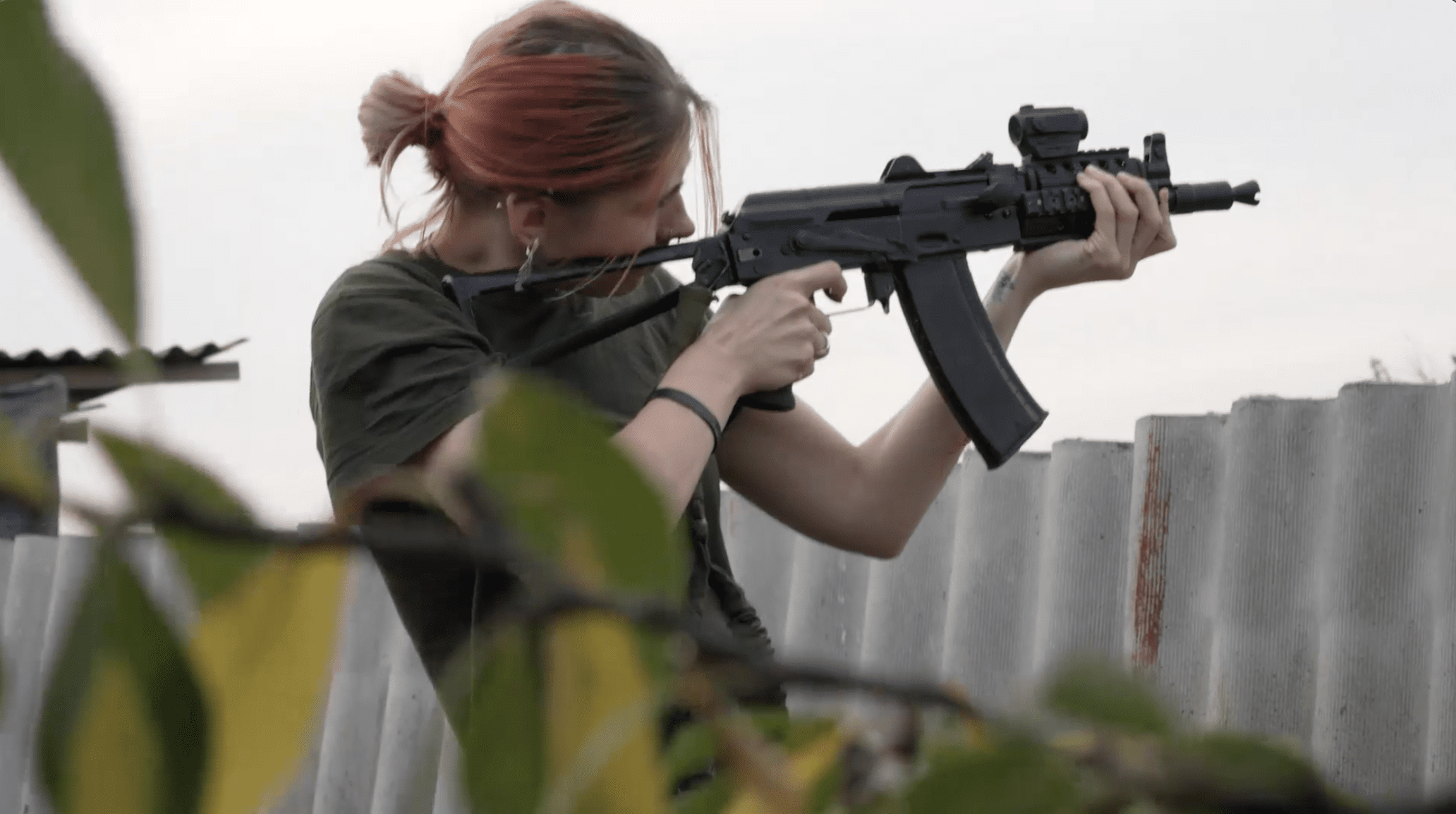
As the defense in the Donetsk region intensified, the company suffered casualties. "Loss is very much a part of the story—as that happens, what it does to the group, what it does to the collective perspective of the people in the film, and how they normalize it," Irving says.
Over time, that initial dynamic shifted entirely. Having one foot in their former civilian lives was no longer possible, as the sheer weight of the war fully cemented their transformation into frontline combatants.
Independent filmmaking is a labor of love. You put everything you have into it for those rare moments when a scene captures something profound, a moment of truth—maybe something that will outlive the filmmaker.
Xackery Irving
Film Director
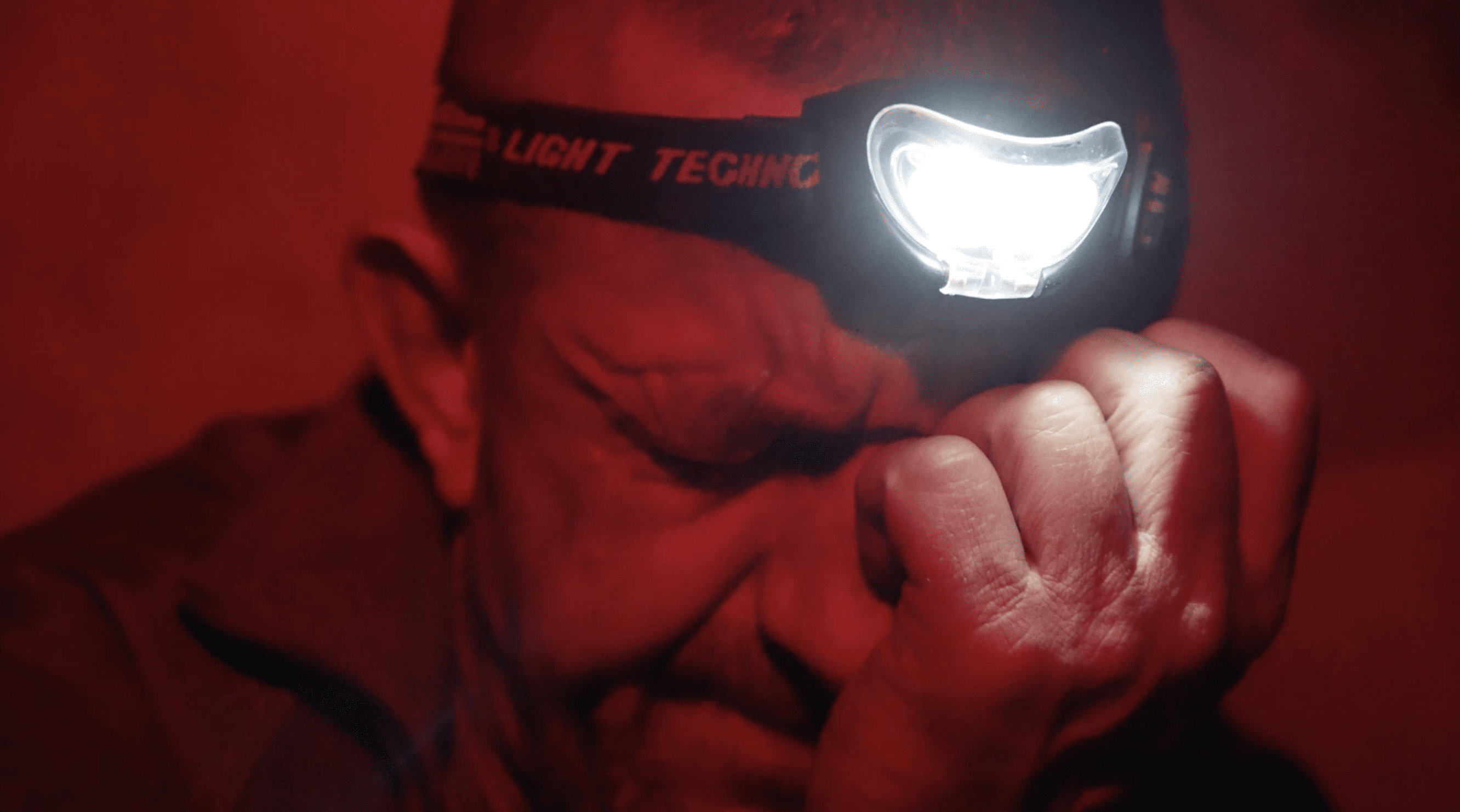
Capturing that profound shift required total immersion. Self-funding the film and operating without a crew allowed Irving to maintain a light footprint—sleeping where they slept and eating what they ate.
He filmed inside cramped basements while nearby artillery impacts shook his camera, and took shelter in a Bakhmut house as the frontline collapsed right to their doorstep.
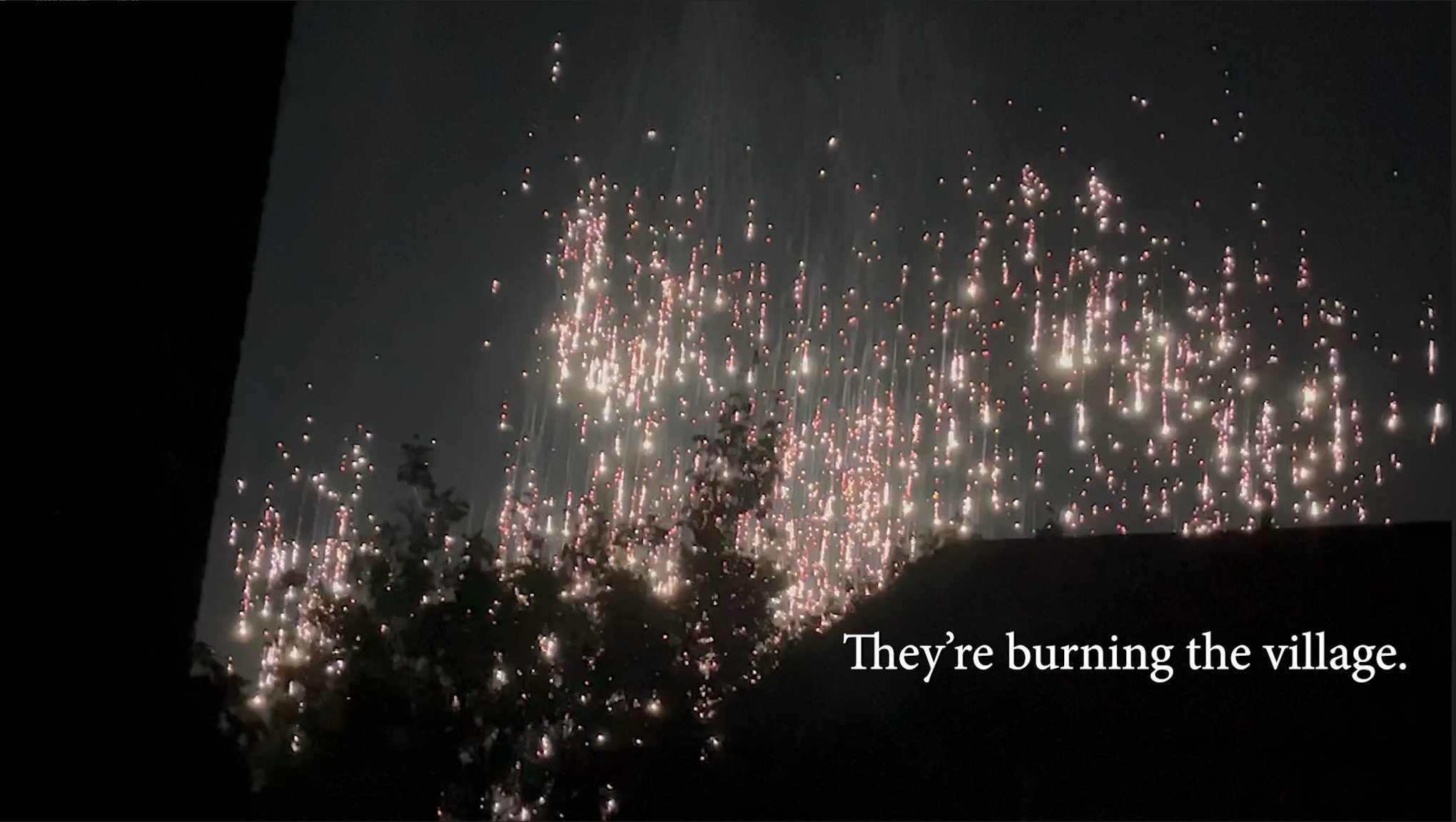
I didn't even fully grasp what phosphorus was until it rained down on us,” Irving says. “I walked outside, saw the sky, and thought for a second, ‘Happy 4th of July,’ before seeing the horror on the soldiers' faces.
With only a basic grasp of the local language, he learned to read behavioral cues rather than words to navigate those high-stress moments alongside them.
From active duty to the award spotlight at the Galway premiere
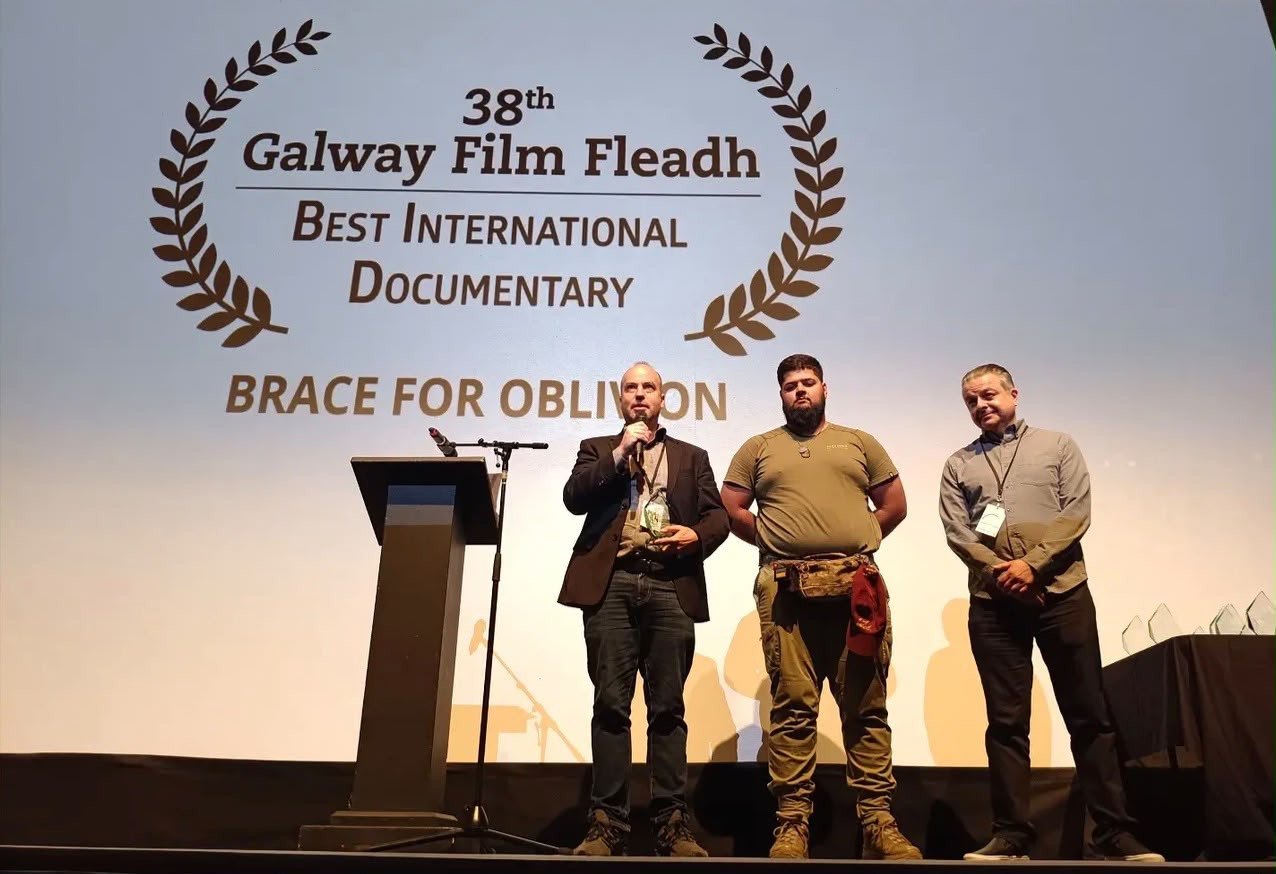
To fund the project, Irving relied on personal savings from his prior television career. That labor of love reached the international stage in July, when Brace for Oblivion premiered at the Galway Film Fleadh in Ireland, winning Best International Documentary. One of the subjects, Bohdan Patel—who had enlisted as a 19-year-old student at the start of the invasion—received special authorization from his commander to travel straight from active duty to Ireland for the screening.
"When we won the award, he spoke in front of everybody," Irving says. "Four hundred people just broke into cheer because I said, Bohdan is one of seven, he is leaving tonight, going on a bus, flying back to Poland, and he's going to return to a combat zone. I realized in our film, we're on to something, because we were able to connect with an audience that doesn't feel the war directly."
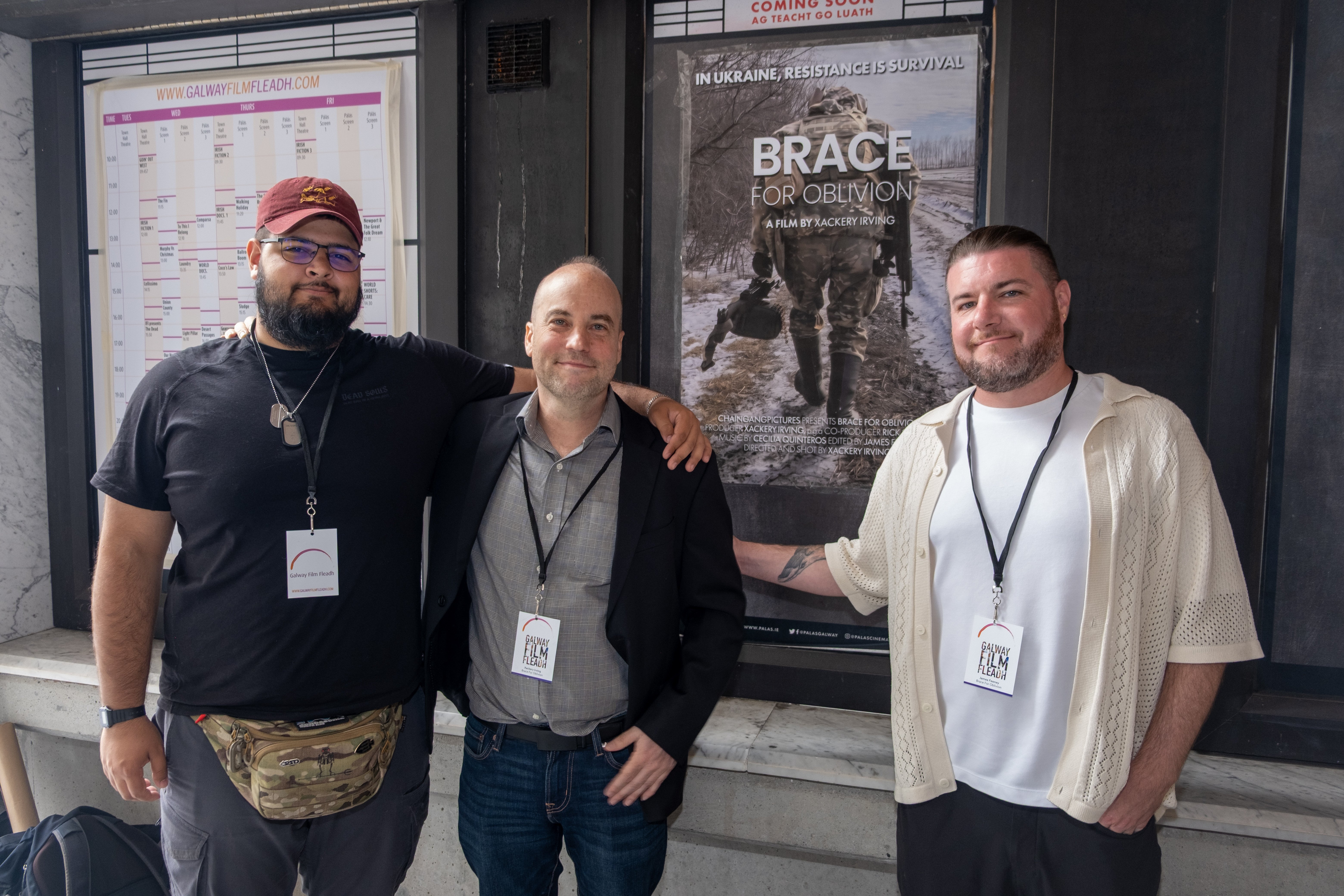
For Bohdan, experiencing the film in Ireland surrounded by foreign festival-goers was vastly different from watching it alongside his comrades in Kyiv.
"It was awesome,” Bohdan says. "But when I was in Galway, Ireland seeing this documentary for the first time, I was thinking, 'Hell, I really want my brothers and sisters in arms to see this.' And yeah, I was really happy to see everybody here who could come. This documentary is more than us. It's a part of Ukrainian history."
What happens after the credits roll
Despite the glamour of festival screenings, the reality of the ongoing war remains immediate.
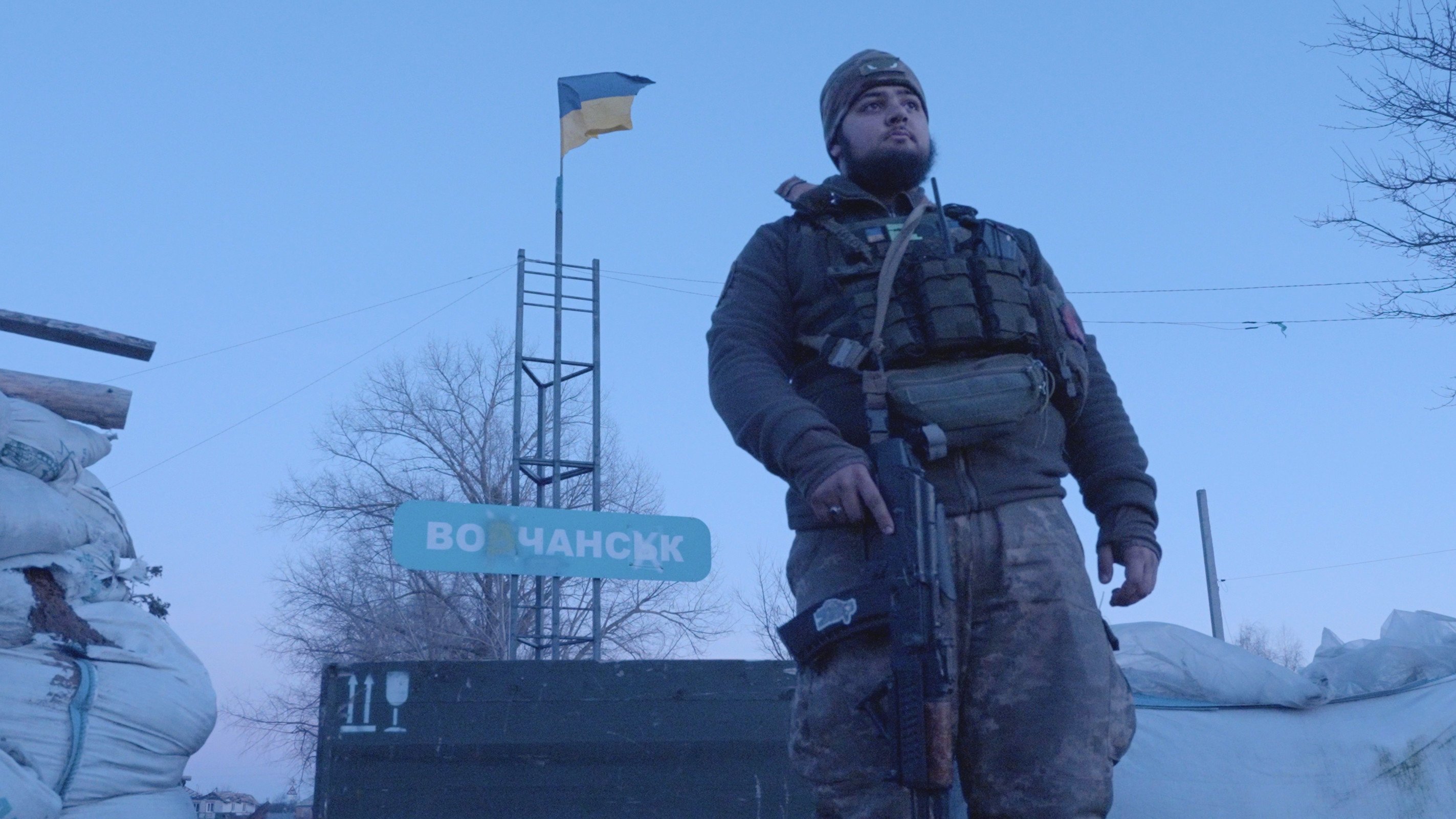
"On Monday I'll be heading back to Zaporizhzhia, back to work," Bohdan says. "Although I'm not serving as a soldier in the trenches anymore, I'm still doing a very important thing for our soldiers, a lot of things happening behind the scenes with logistics. So yeah, I'm heading back, and I'm kind of in a small dream today."
In Kyiv, the film reached its most critical audience: the Ukrainians who lived through it. Mid-screening, an air raid alert forced a brief pause—a stark reminder of the reality waiting outside, where immediately after the Q&A, a daytime Russian strike hit the Security Service of Ukraine (SBU) headquarters opposite St. Sophia Cathedral.
Nata, a former filmmaker who traded her camera for a rifle, is one of the seven subjects followed throughout the documentary. A fond moment for viewers involves Pixel, a stray kitten she rescued from a village basement during her first deployment. "He traveled everywhere with us, and he actually taught me a lot about how to react and behave under pressure," Nata says.
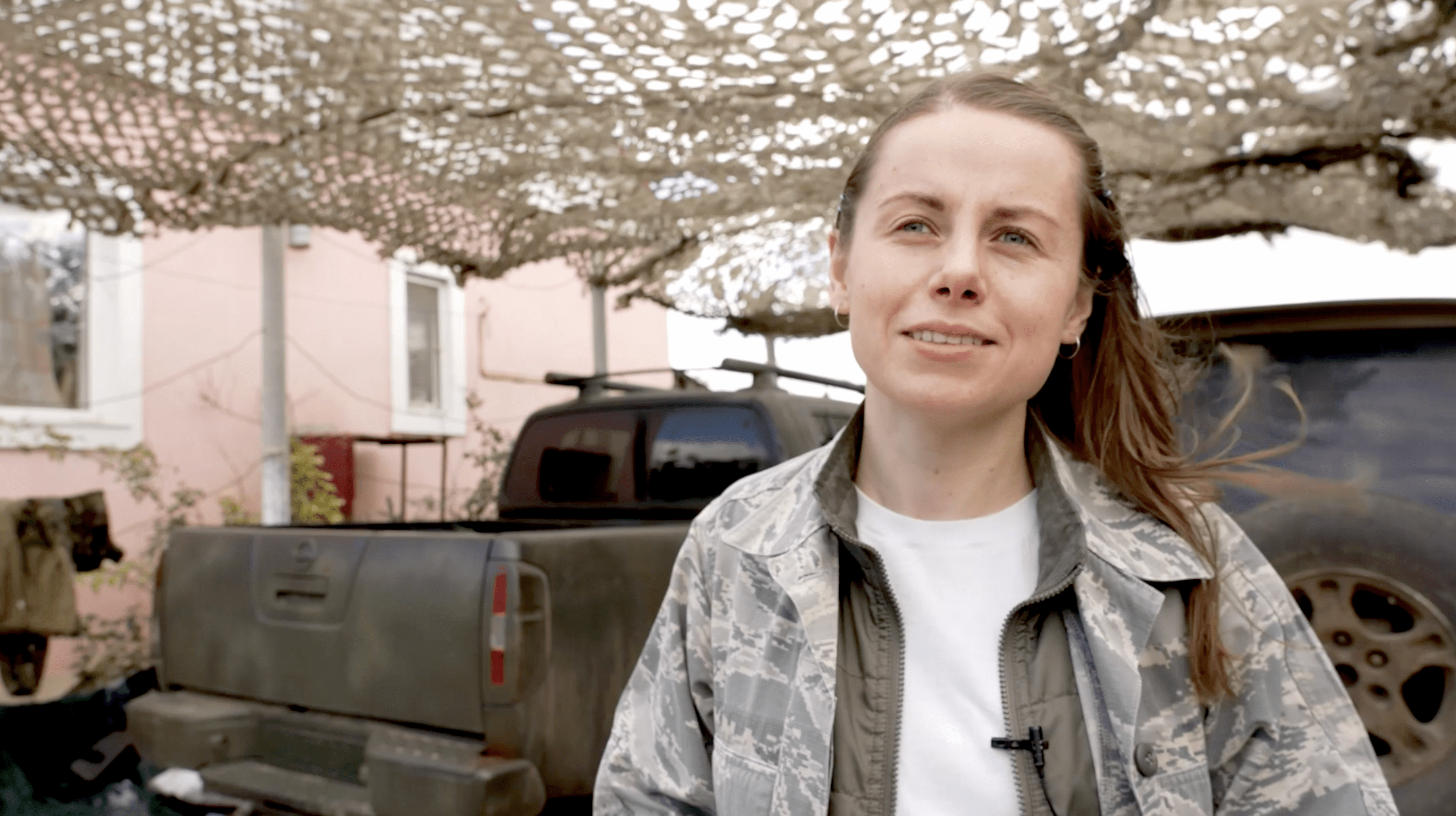
For Nata, watching the early months of Russia’s invasion reflected on screen highlighted the distance traveled since 2022. "It's very heartwarming," she says. "But at the same time, I realize that the beginning of the war is already history, and the war is still going on. I'm on my second or even third chapter.”
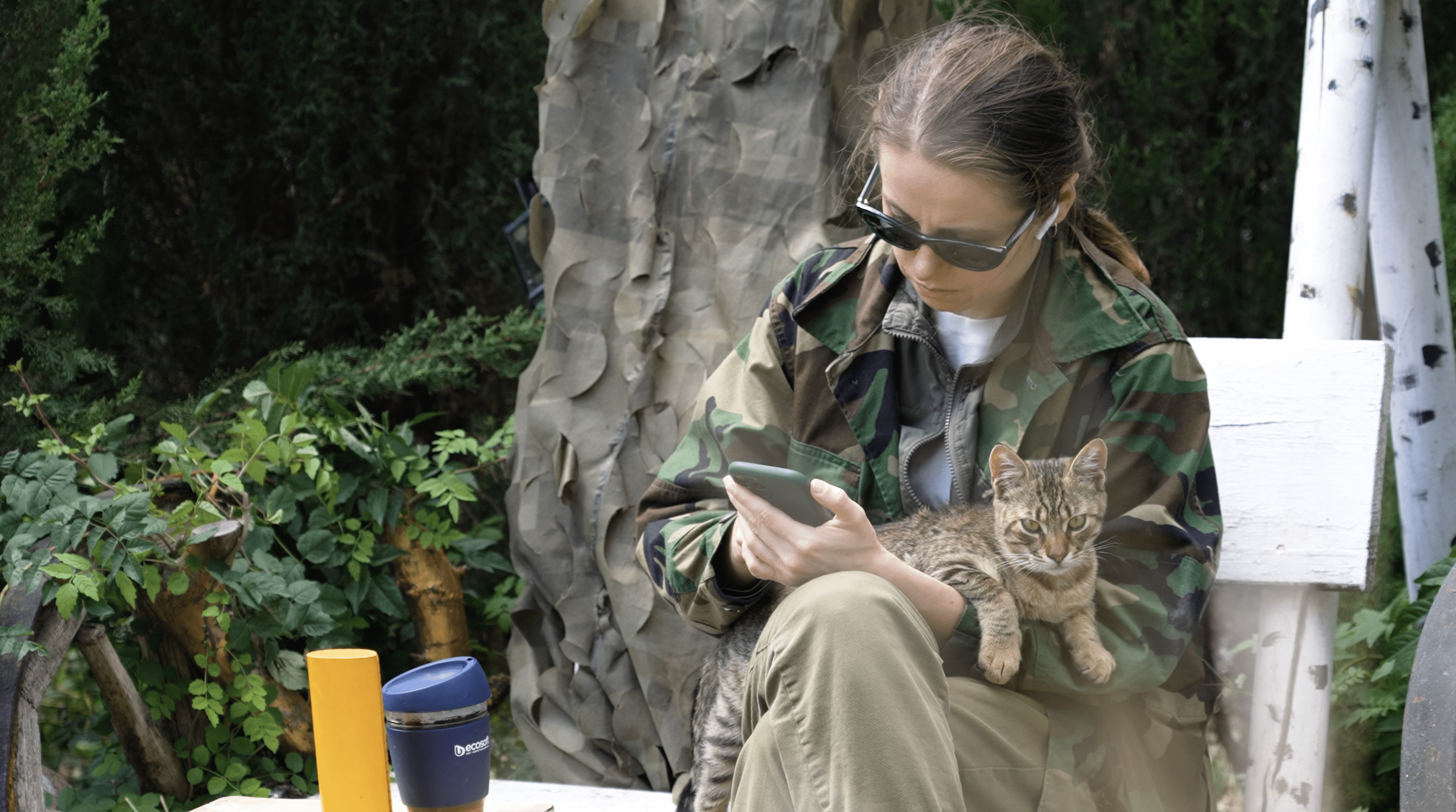
Processing survival on their own terms
When asked about the possibility of civilians turned soldiers re-integrating back into peacetime society, Nata reflects on the shift in mindset that combat brings.
"Can a soldier turn back into a civilian? Yes, I think so," Nata says. "The bigger question is what Ukrainian society will look like after the war. Every soldier will be able to become a civilian again if society is ready for them.” For Nata, that future hinges on a fundamental truth about why Ukrainians took up arms in the first place.
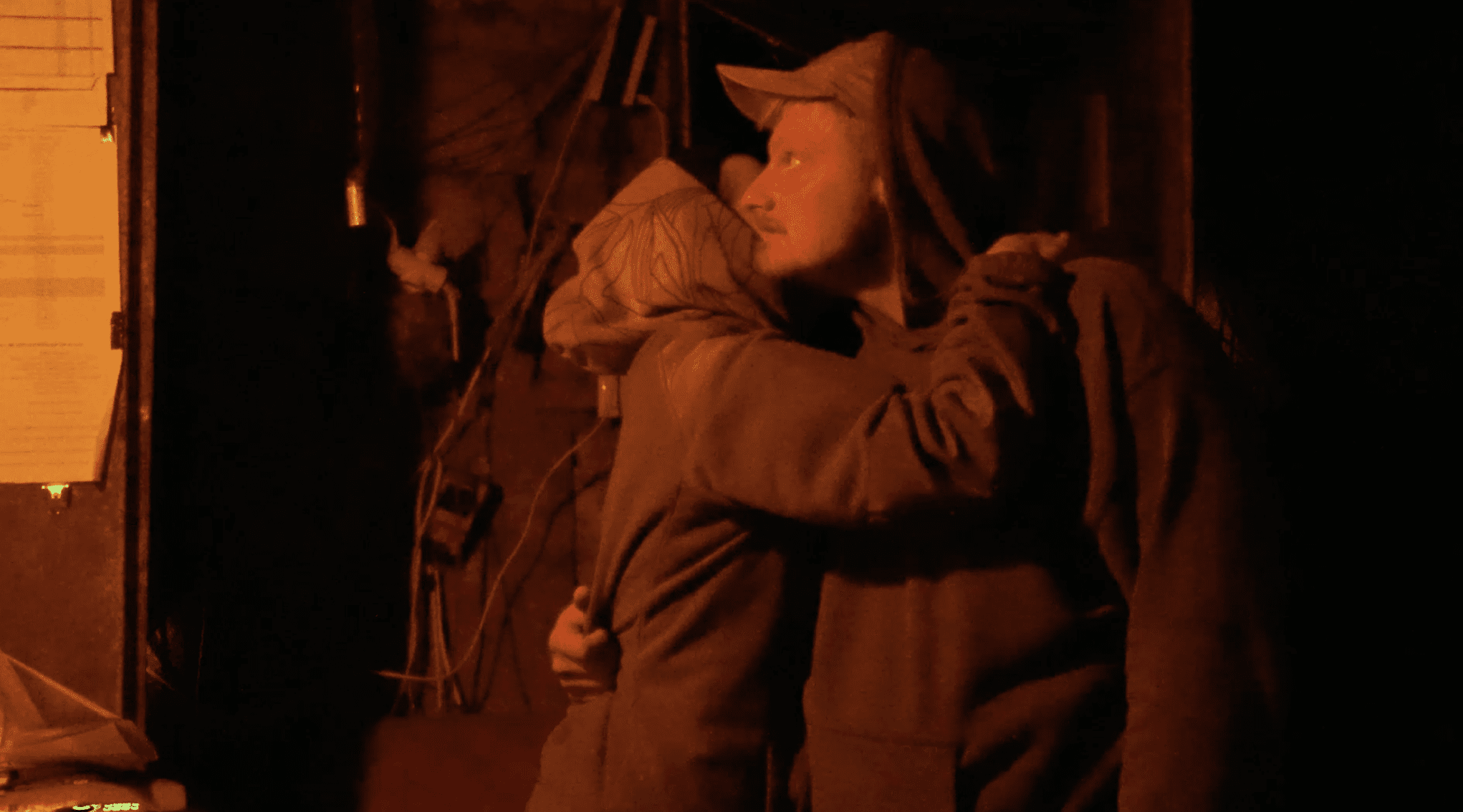
We are not defending Ukraine—we are Ukraine.
Nata
Defender of Ukraine
"International volunteers come to defend Ukraine for various ideological or moral reasons, but for us, we are simply defending our own existence,” Nata explains. We are defending who we are, what we are, and our fundamental right to live on our own land. We aren't standing on the line just to perform the act of defense; we are the country itself. This is us, and we are fighting for our own survival."
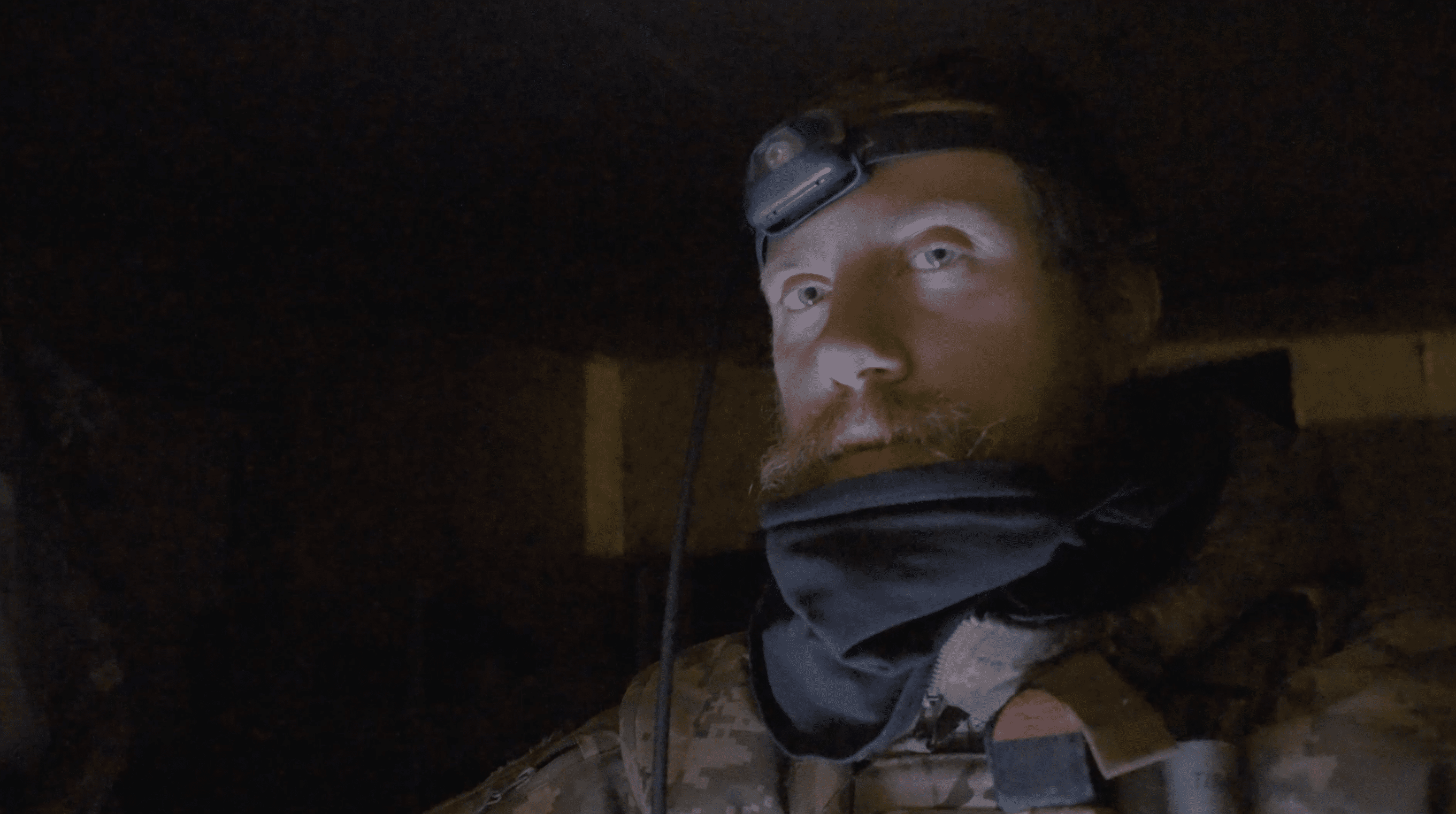
Screening the documentary in Kyiv was the ultimate test of the project. "Going through those years on the big screen, and having the subjects see themselves for the first time, will be pretty powerful," says Irving. "I want the film to be judged on its own merits—not an American telling their story, but submitted for their approval on their own terms."
That presentation is also a window into a much longer journey: how a nation eventually processes the psychological weight of survival. "I think maybe that's the experience of the war for Ukrainians—how will they process it, and when, if ever," Irving says. "We all imagine it's the day of victory, but there will be a process that everyone will have to go through individually. That is very human too."
Discuss this article:

-c439b7bd9030ecf9d5a4287dc361ba31.jpg "Photo of Katherina Popilnichenko")

-29a1a43aba23f9bb779a1ac8b98d2121.jpeg "Photo of Illia Kabachynskyi")