- Category
- War in Ukraine
Can Ukraine Hold Elections During War? Zelenskyy Says “I’m Ready”—If Laws and Security Permit
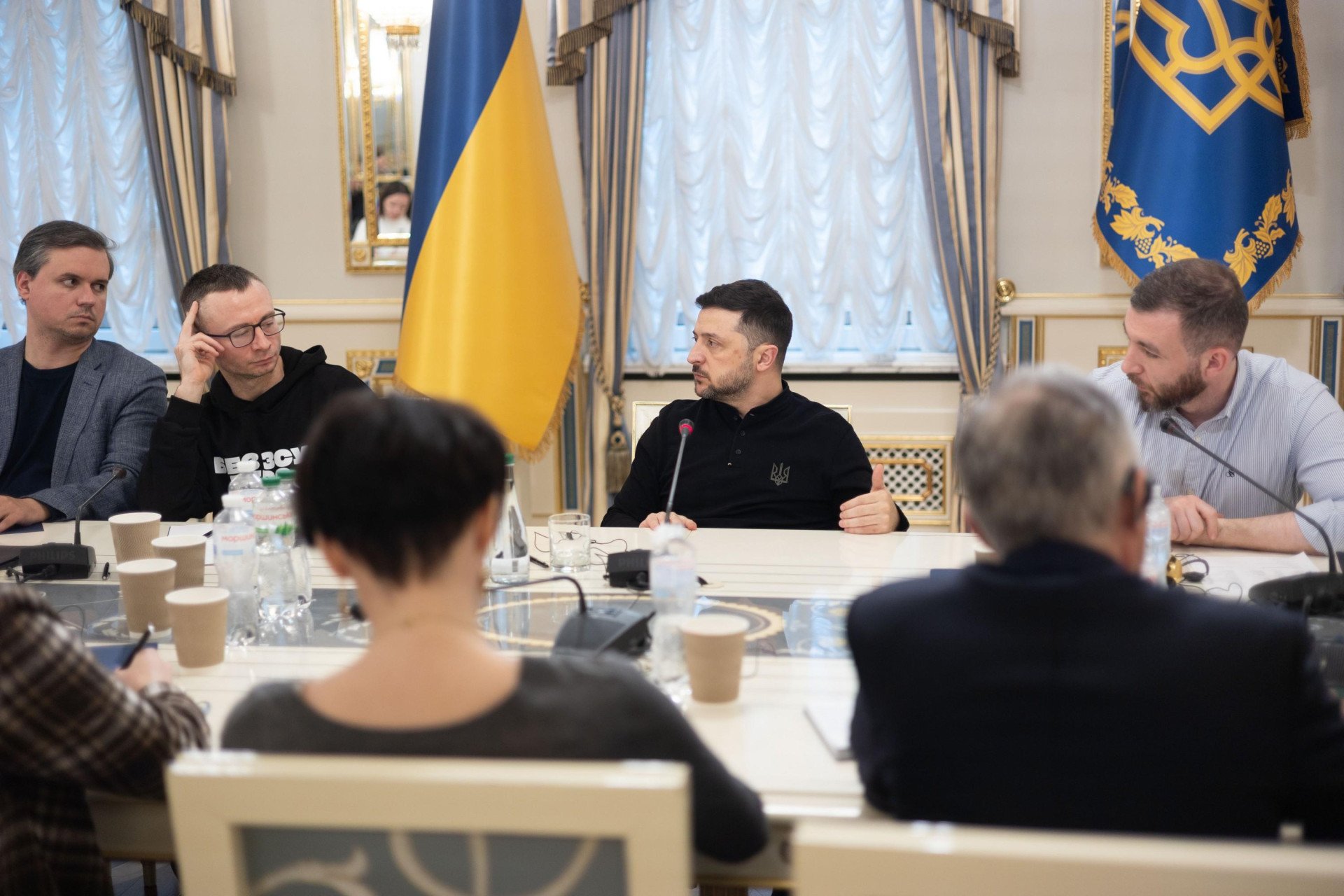
With Russian missiles falling and millions displaced, holding elections in Ukraine would mean acting against the Constitution. But President Zelenskyy says Ukraine is ready to meet its partner's demands, as this may accelerate the signing of a ceasefire agreement. He has instructed Parliament to explore the legal pathway.
 Prefer U24 Media on Google
- Authors

-29a1a43aba23f9bb779a1ac8b98d2121.jpeg "Photo of Illia Kabachynskyi")
As long as active fighting continues in Ukraine, holding elections remains impossible. There are numerous reasons for this—legal, organizational, and above all, security-related.
Nonetheless, Ukraine’s international partners have repeatedly emphasized the need to hold elections, noting that the terms of the president, parliament, and local authorities have expired or are nearing expiration.
We bring you stories from the ground. Your support keeps our team in the field.
“I don’t want Ukraine to have a weak position or for anyone to use the absence of elections as an argument against us,” Zelenskyy explained during a meeting with journalists on December 11, which included editors from UNITED24 Media. “That’s why I’m responding to what our partners are saying.”
Security and law
“The matter of elections in Ukraine depends first and foremost on our people—not on the people of other countries,” said Zelenskyy on December 9. “With all due respect to our partners, I’ll say this frankly: when it comes to elections, I am ready.”
Today, Zelenskyy said he has formally signaled to the Parliament the need to find a legitimate path to elections.
“I’ve asked members of parliament to prepare legislative changes that would allow for elections during martial law,” Zelenskyy said.
The second—and equally critical—issue is security. Organizing an election while Ukraine is under daily attack by Russian drones and missiles is extraordinarily complex. Public gatherings are high-risk targets for the Russian military.
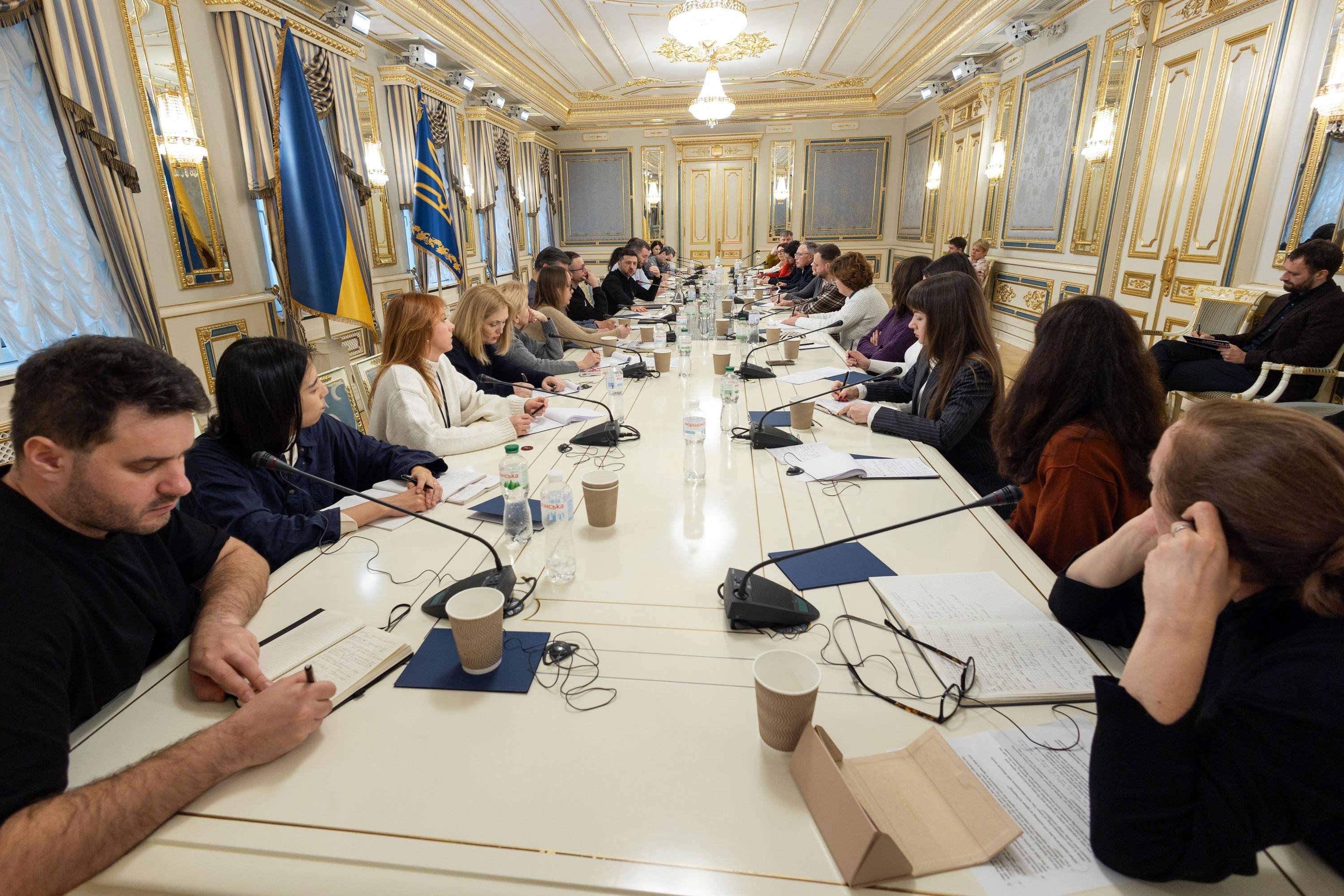
“There are two crucial areas that need to be worked through: security and legislation,” Zelenskyy said. “That’s why I’m asking both our key partners and Ukrainian lawmakers to show how these issues can be addressed.”
Still, these are far from the only challenges Ukraine will face if it proceeds with elections during war.
Why wartime elections are so difficult
One of the fundamental pillars of a legitimate electoral process is ensuring that citizens can vote freely and accessibly. But Ukraine faces major obstacles:
Around 1 million soldiers are currently on the front lines. How to organize a transparent and fair voting process for them remains a major, unresolved issue.
Between 4 to 8 million Ukrainians are abroad. In some European cities, hundreds of thousands reside, but Ukrainian embassies and consulates simply cannot handle that volume of voters showing up simultaneously.
Another challenge is the inequality of campaigning opportunities. Some candidates may be able to travel across the country, while others—particularly those serving in the military—cannot. In any case, traditional campaigning is virtually impossible due to constant Russian attacks. It’s hard to imagine candidates meeting voters in Kharkiv, Chernihiv, Sumy, Kherson, Odesa, or Zaporizhzhia under such conditions. Hundreds of frontline communities would remain completely unreachable, as organizing gatherings would put civilians at risk.
Opposition candidates may also argue that they lack the same access to both civilians and the military as the incumbent president, despite claims of equal opportunity. How, for example, can politically ambitious military leaders participate if they are actively serving at the front?
Another core issue is ensuring widespread access to voting. The United States is often cited as a precedent, having held elections during World War II. But it’s critical to remember that the war never reached US soil.
Why can’t Ukraine hold elections as the US did in WWII?
During World War II, the US faced logistical problems. In the 1942 midterm elections, only 28,000 out of roughly 4 million US service members voted. By 1944, the process improved, but turnout still lagged: about 3.4 million out of 11 million overseas troops voted—just 25%.
Ukrainian frontline towns and villages under constant shelling may have no chance to vote at all. And with Russia’s cruise and ballistic missiles—now augmented by North Korean and Iranian weaponry—no part of Ukraine is truly safe. What happens if Russia targets polling stations directly?
An equally pressing concern is foreign information warfare. Ukraine has already witnessed Russia’s attempts to bribe voters in Moldova and interfere in elections in Romania. Other European countries have raised alarms over Russian meddling in their democratic processes.
In Ukraine’s case, the entire Russian propaganda machine—fake news factories, troll farms, and cyberattacks—would focus on undermining the election. Combating this while simultaneously fighting a war in the trenches presents an almost impossible dual front.
Elections during wartime are, in practice, extraordinarily difficult. Ensuring transparency—and more importantly, equal opportunity for voters and candidates alike—is a massive challenge.
President Zelenskyy maintains that elections should not put Ukraine in a weaker position.
“I’m ready,” he said, “but the elections must be legitimate and secure.”
Discuss this article:


-efa69d4733b5af9f7cd0a642f85424a6.jpeg "Thick black smoke rises from the heavily damaged Proton-Electrotex plant in Orel, Russia, following a reported strike. (Source: Exilenova+)")