- Category
- War in Ukraine
Canadian Combat Medic Who Saved 50 Brothers-in-Arms and Stepped on a Mine: “I’m Not Done Yet"
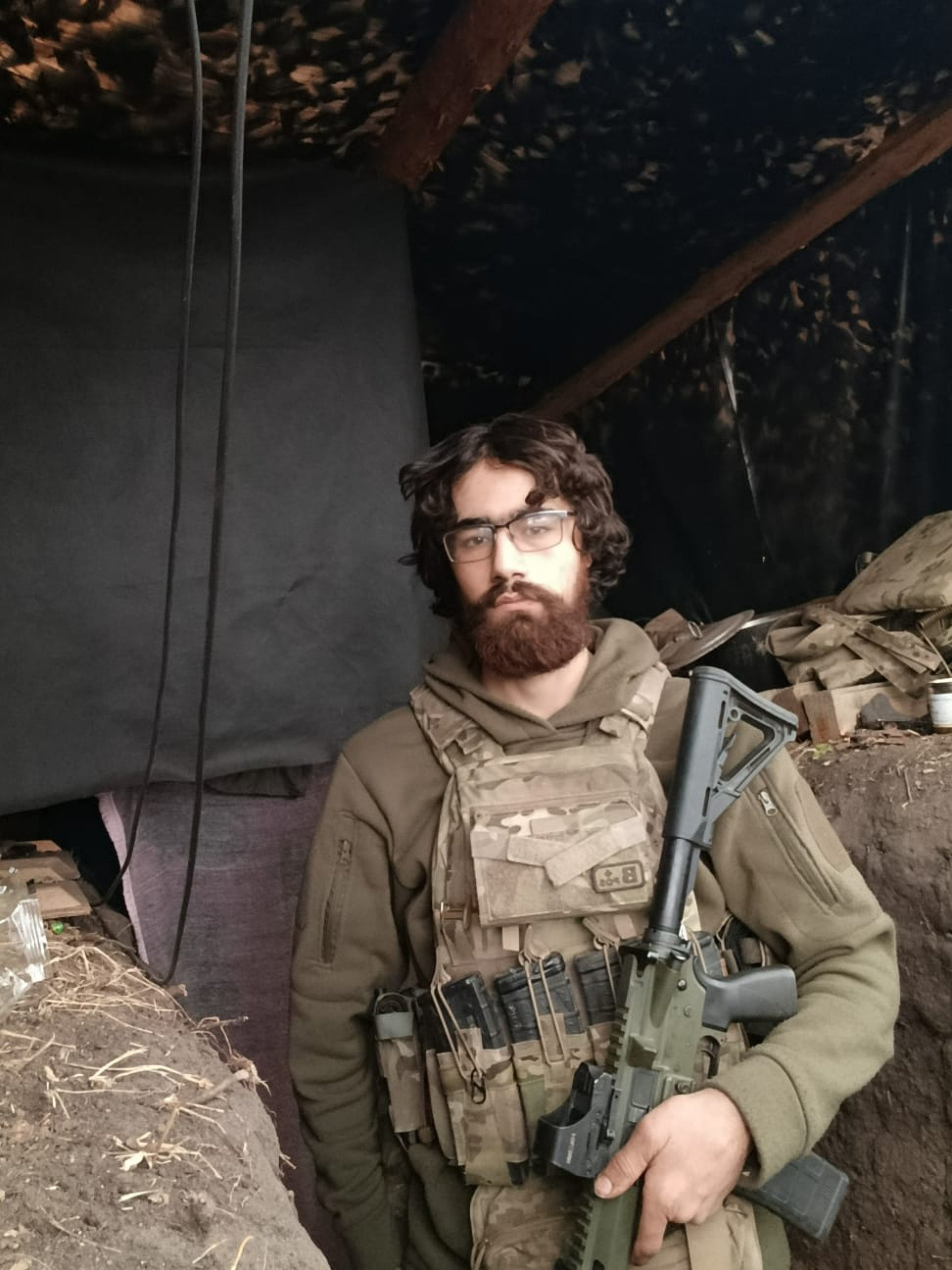
At just 21, Canadian volunteer Cooper came to Ukraine to fight. Wounded but undeterred, he’s already taken part in historic battles—including Kupiansk, where his unit’s strength and Russia’s lies were laid bare.
 Prefer U24 Media on Google
- Authors


“Someone! My foot is fucked! Help me!”
Cooper shouted into the darkness. He had been wounded and was calling for his comrades. A year earlier, at 20, he arrived in Ukraine determined to help in its fight against the Russian aggression. Why?
“I just wanted to do more with my life,” says Cooper. “That’s all. I’d like to spare people the moral platitudes of wanting to say, ‘Oh, I’m here to save Ukraine.’ The truth is, I just wanted something more—and if I help people on the way, that’s great too. That’s my duty.”
Cooper is a combat medic and fighter with the Khartiia Brigade. In the fall of 2025, he found himself at the center of a historic moment: when Russian leader Vladimir Putin claimed Russian forces had fully captured the strategic city of Kupiansk. But the reality on the ground told a different story.
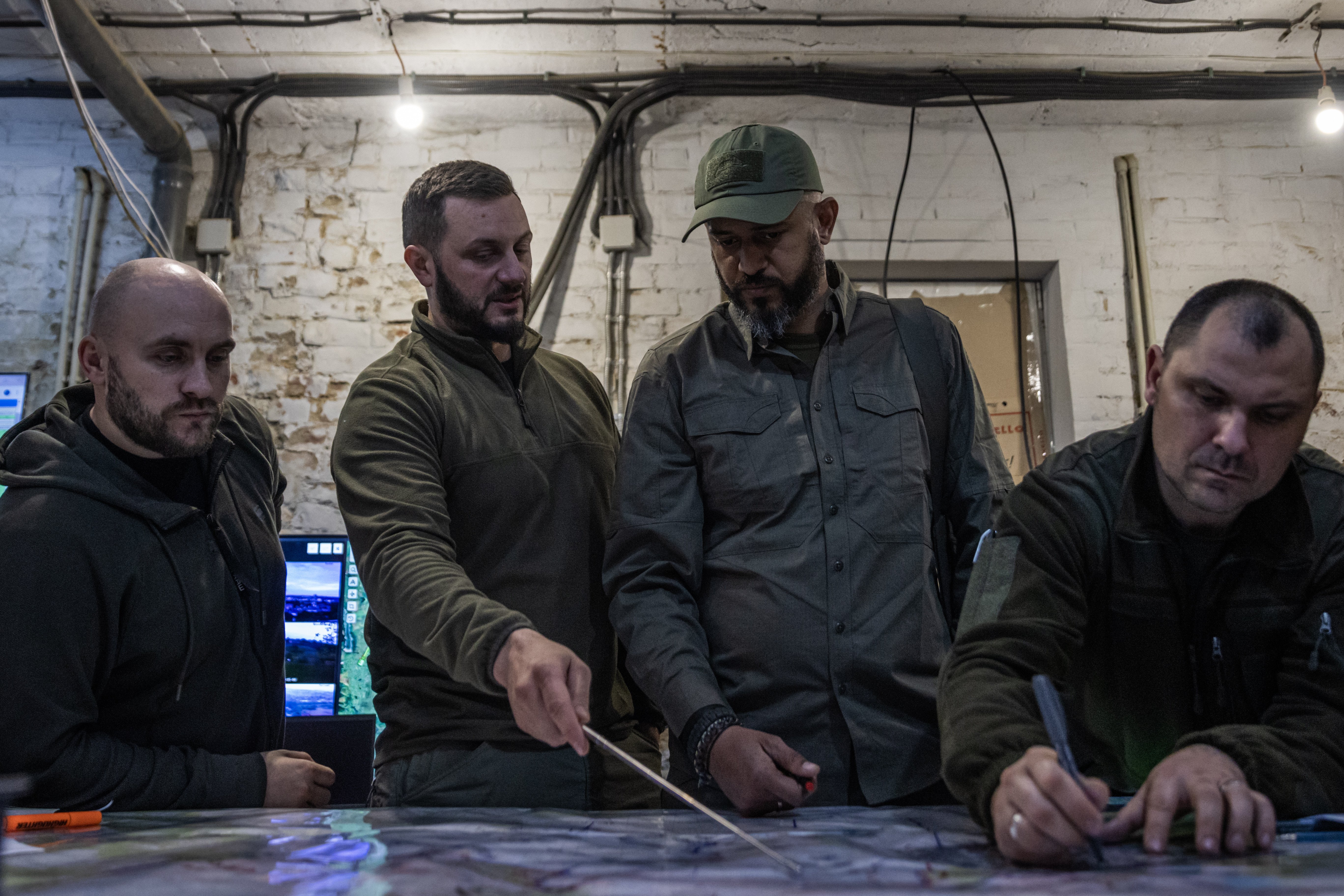
Cooper served in Khartiia for a year. In just one operation at the end of 2025, he treated more than 50 wounded comrades, says his battalion commander.
“He’s making me sound like a hero,” Cooper jokes. “I am just the dude who kept getting woken up in the bunker to do this job.”
The battle for Kupiansk
Kupiansk—a 371-year-old town 40 kilometers from the Russian border—was the site of that operation. Just a few years ago, tens of thousands of Ukrainians lived there. After the full-scale invasion, only a few hundred remained.
As a major railway hub, Kupiansk was a key target for Russian forces. They captured it early in 2022, but Ukraine took it back during its famed autumn counteroffensive that same year. Still, Russia didn’t give up, launching desperate attacks and suffering heavy losses in personnel and equipment.
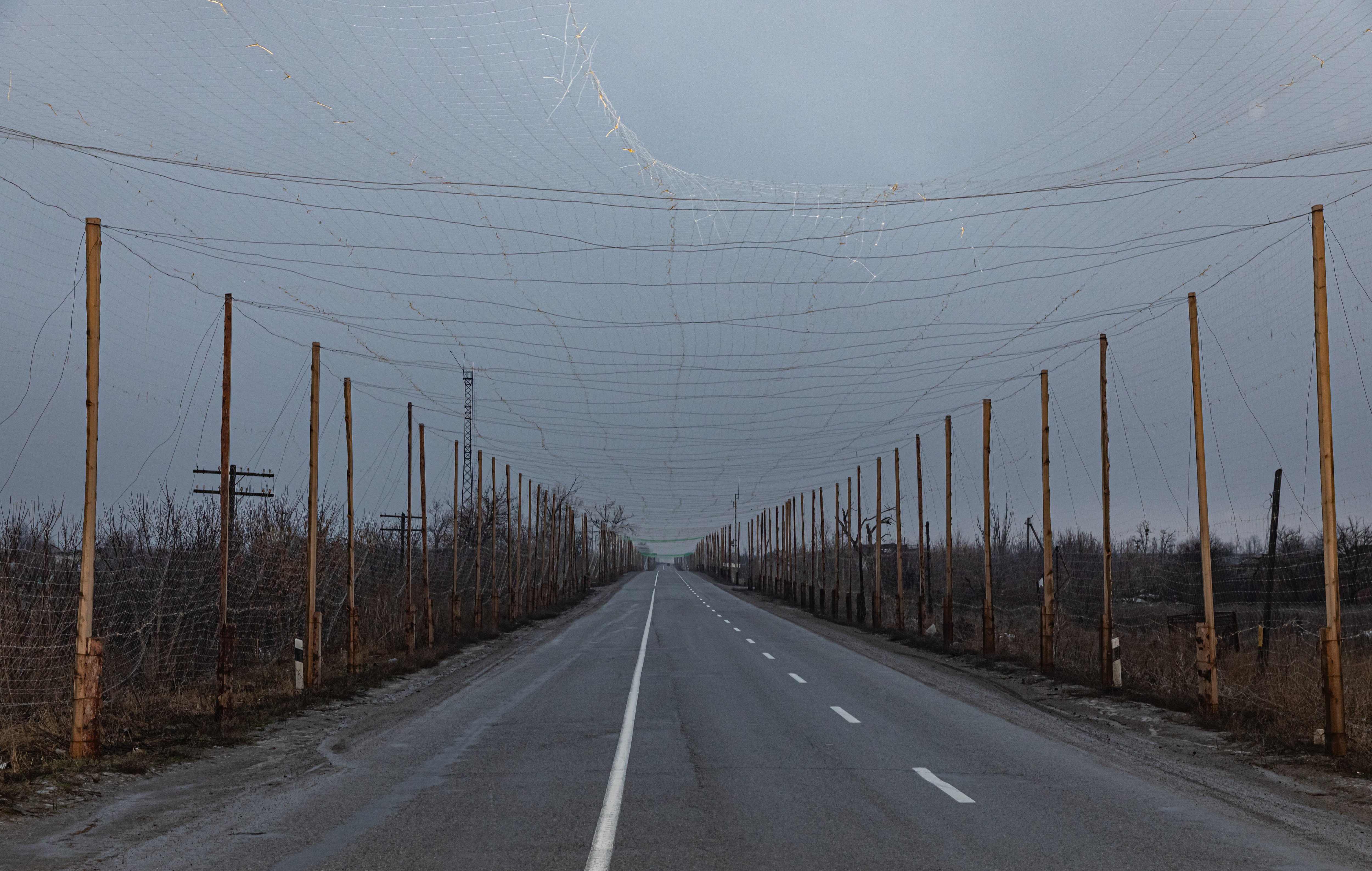
Cooper saw it firsthand—and worked to help those caught in the fighting.
Clearing the forest
During one of the battles for Kupiansk, Cooper and his comrades were tasked with clearing a forest where Russian positions were located.
“We pushed into the forest through the hole in the wall [of our bunker]; it was the line of clash already. We just started clearing the whole forest. We knew that recon drones and bomber drones had gone through it. So we had fairly accurate data. It was a very thick forest. We could barely see 10 feet in front of us sometimes.”
Khartiia’s fighters moved methodically from one Russian position to the next.
“Since there are only three of us,” says Cooper, “We always split—two and one, or just baseline, and then just the surrounding area. Being very careful.”
The forest was riddled with Russian positions, but Cooper says they were poorly built—mostly just holes in the ground. He said they were more like observation pits than actual bunkers. Still, any one of them could have been deadly.
Cooper’s group made a big loop through the forest and checked its middle.
“We didn't really have any contact that day. We were all quite eager to have enemy contact—almost a bit disappointed. The only thing we found was bodies. Whoever was bombing the forest did a very good job.”
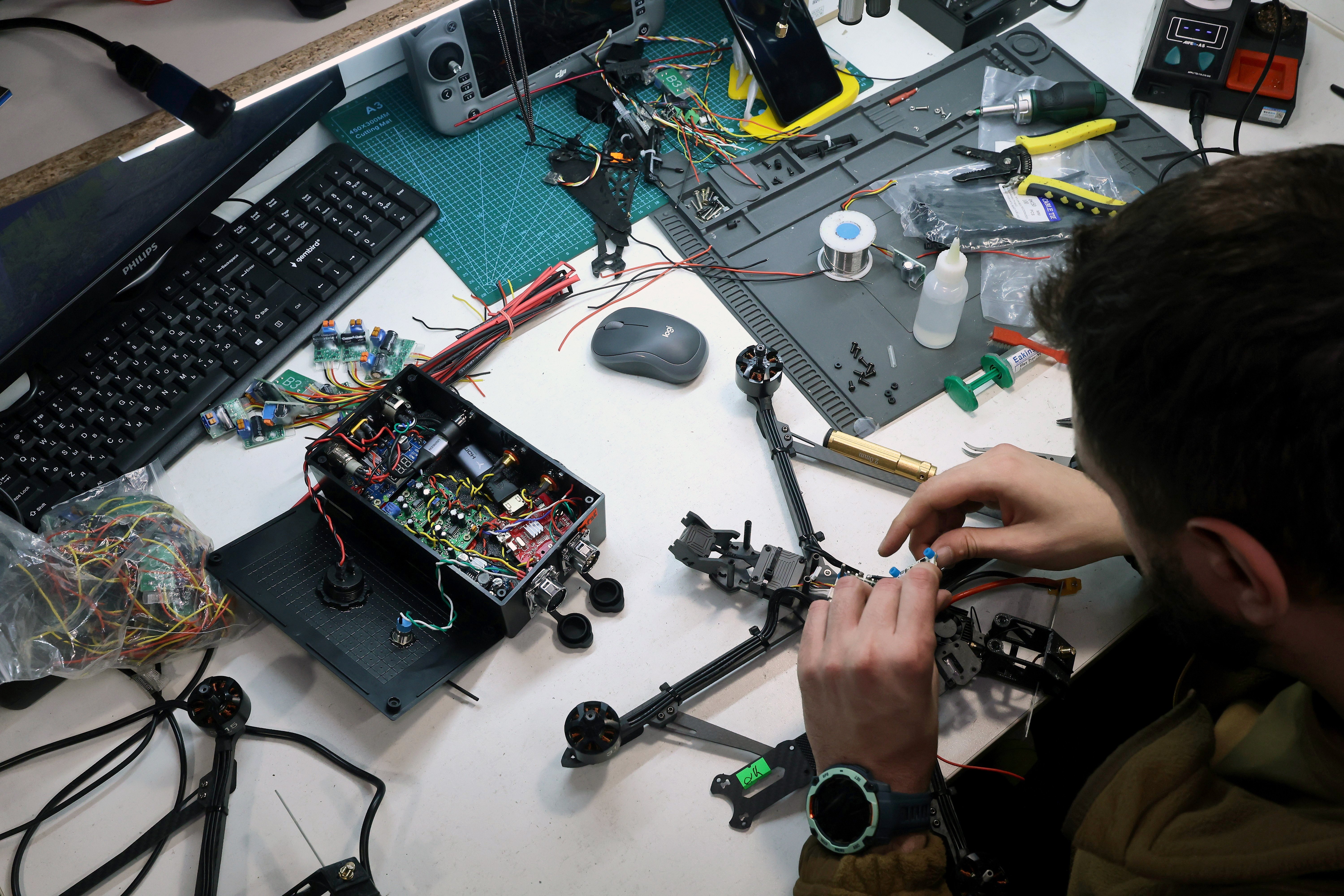
Still, Cooper’s work wasn’t over.
Saving a life
Cooper wasn’t the only foreigner serving in Khartiia. Colombian comrades helped bring a wounded Ukrainian from another part of the front into the forest Cooper’s team was clearing.
“It was a gunshot wound,” he says. “He was in direct contact with the enemy. He was having issues with breathing, so I kept telling Pilgrim, ‘Put him on his side, let him breathe.’”
The soldier was in critical condition, but Cooper stabilized him—and the man survived.
“When we got him to the bunker, he went into shock. I'm surprised that he came out of it—he was in shock all the way to the medical post. Then they had to bring him all the way to the evacuation point. I don't know who this guy is, but he's obviously a fighter.”
That soldier became one of the 50 Cooper helped before he himself was wounded.
Russia vs reality
In fall 2025, Cooper’s unit was north of Kupiansk—closer to the Russian border. But what were Cooper and his team doing there, if Russian forces were pushing in from that very direction? According to Russian officials, Ukrainian units weren’t even supposed to be there.
Indeed, by mid-September 2025, the situation in Kupiansk had become critical. Russian troops crossed the Oskil River, dug in, and pushed forward. They used a large underground gas pipeline to covertly move troops and shield them from drone strikes. Eventually, they captured most of the city.
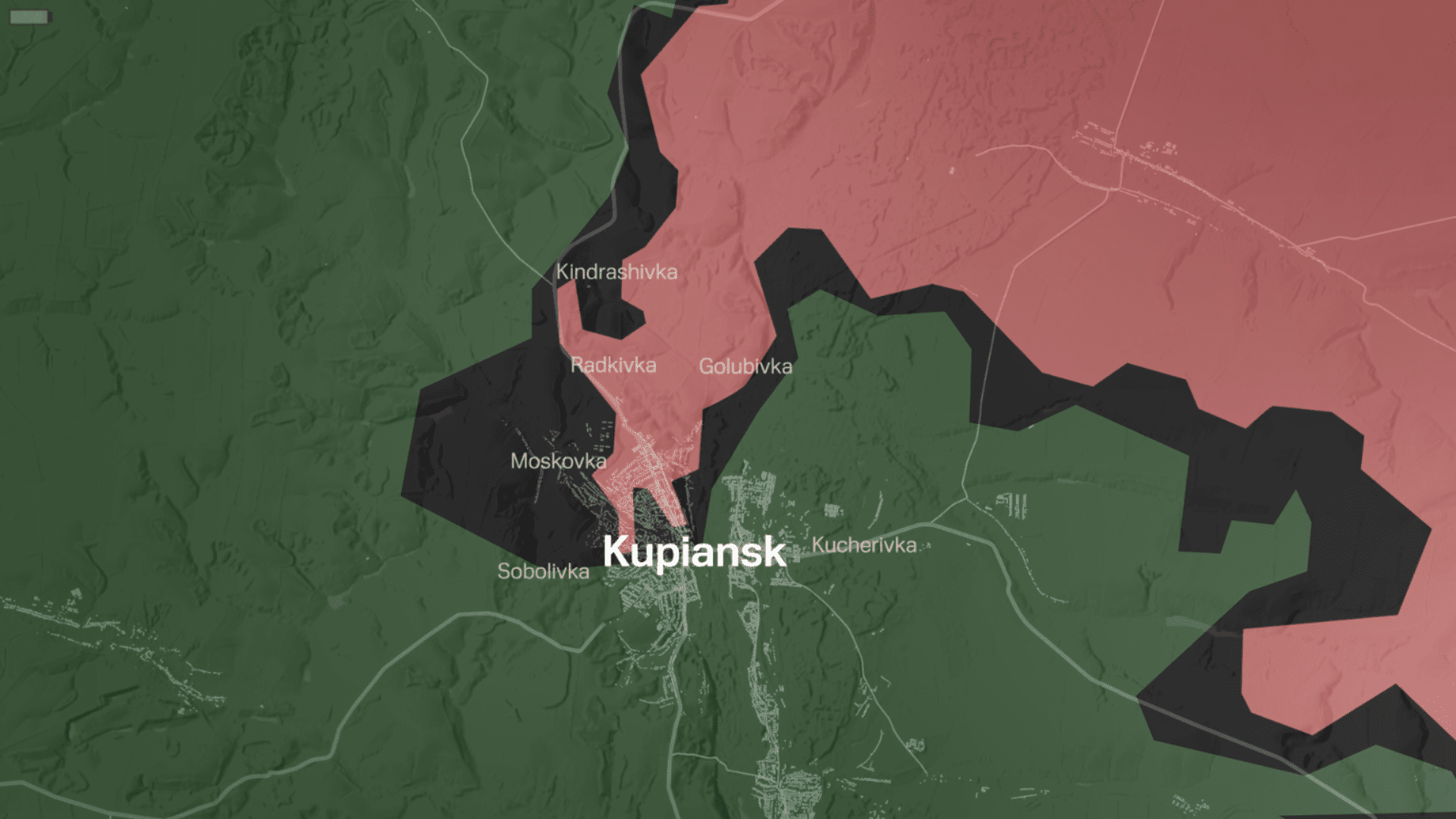
On November 20, Russian General Sergey Kuzovlev reported to Putin that Kupiansk had been taken.
“So, that’s it? Fully secured?” asked Putin.
“Yes, sir,” the colonel general replied.
On December 9, Putin awarded Kuzovlev Russia’s highest honor—the Hero of the Russian Federation star.
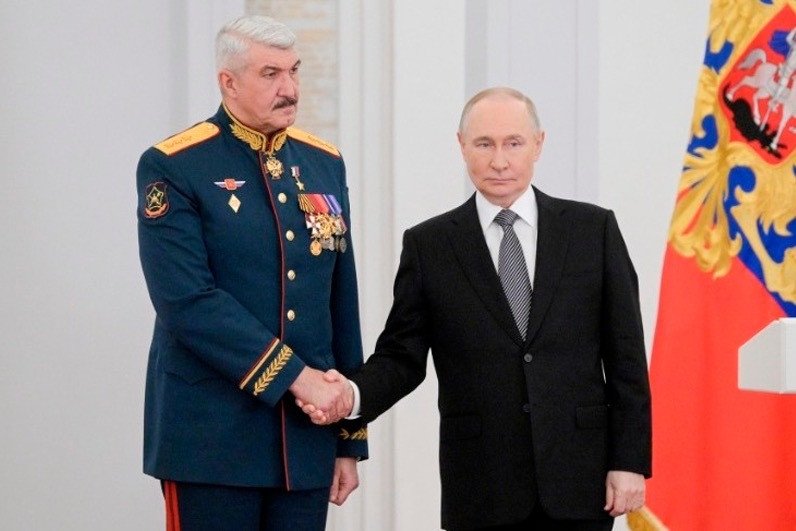
But just days later, doubts emerged. Ukrainian President Volodymyr Zelenskyy posted a video directly from Kupiansk: “The Russians kept going on about Kupyansk—the reality speaks for itself. I visited our troops and congratulated them.”
In fact, in November, the Ukrainian forces launched a counteroffensive, destroying several Russian battalions, liberating the villages around the city, and completely blocking the ground routes. While Putin was celebrating with generals, the Russian troops in Kupiansk found themselves surrounded.
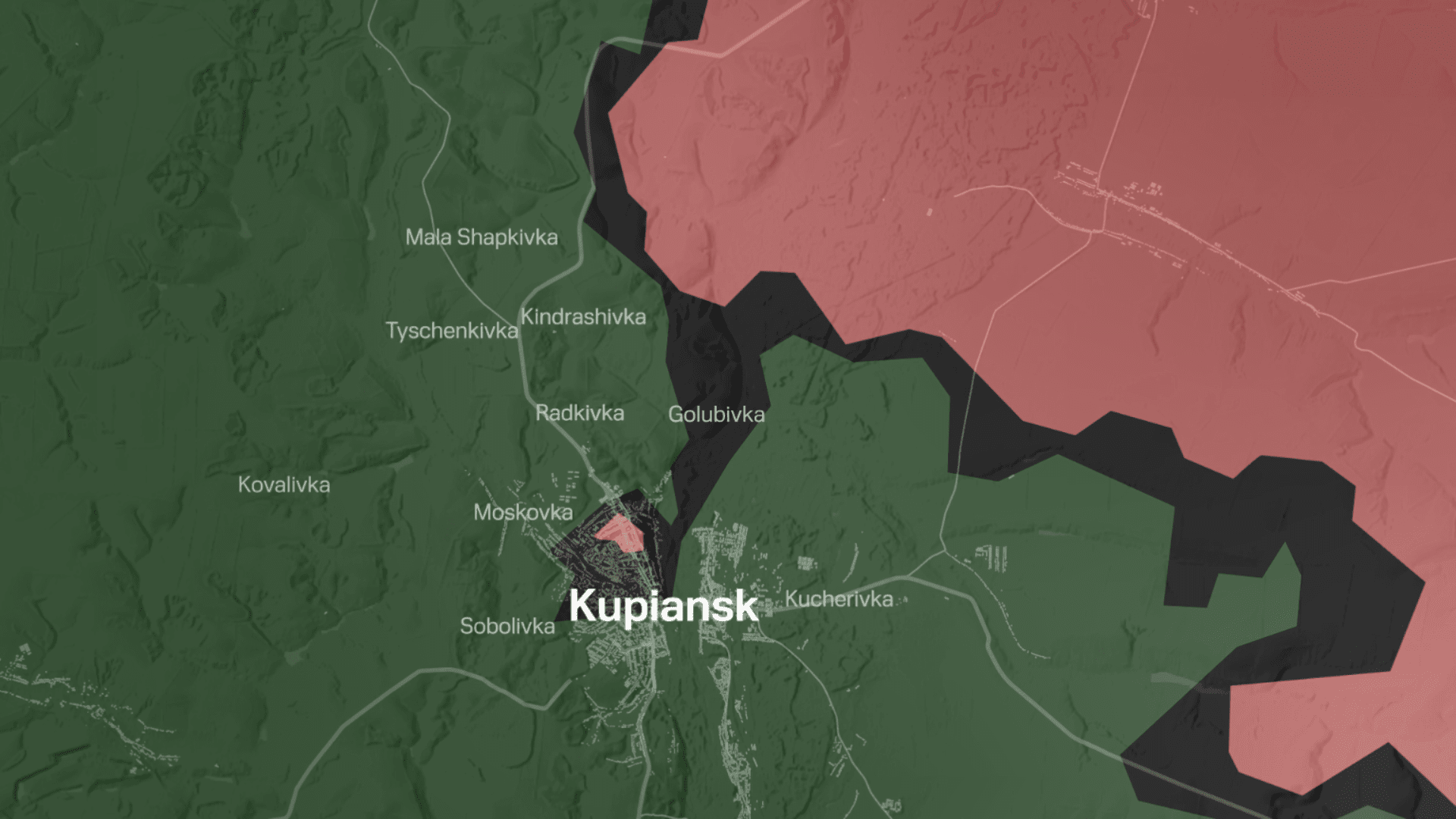
Cooper saw all of this with his own eyes. Together with his comrades, he was among the first to enter villages north of the city. But on the way back, after clearing that same forest, something happened.
The wound
“I was the last in the formation,” says Cooper. “Everyone ahead of me was walking the same line. We were being strict and professional. I guess they just got lucky, and I didn’t. Nobody saw a mine.”
Cooper didn't see the mine either. “My foot went up, and I saw my boot going apart,” he recalls, instantly understanding what had happened.
“I immediately thought: okay, leg injury,” he says, remembering to apply the tourniquet below the knee—not higher. If placed too high and left on too long, he explains, “you risk losing more of the leg.”
Cooper tried to stand but couldn’t, so he began crawling through the grass. Then he pulled out his GoPro and started filming.
“I told myself—if I’m gonna die here, I might as well report it.
We bring you stories from the ground. Your support keeps our team in the field.
After a short rest, he began moving—crawling and hopping—toward his team.
“In retrospect, I’m very, very lucky that a drone wasn’t around at the time,” he says. “For a long time, I was in the open, and I would not have been able to do anything. They would have just finished me off if there were an enemy FPV.”
That’s when Cooper shouted into the night:
“Someone! My foot is fucked! Help me!”
Soon, fighters from another Khartiia battalion heard him and rushed over, pulling him out.
He then spent a day in a bunker waiting for evacuation. Eventually, he was evacuated at night—speeding away on a quad bike to avoid drones. He remembers blacking out near the medical station due to blood loss.
“The medical report was sent to me. I realized how close I was to death. Especially when I read that they had to resuscitate me. I was pretty much dying by the time I was getting there. When you actually go back to the factual details of the mission, I’m extremely lucky to be alive.
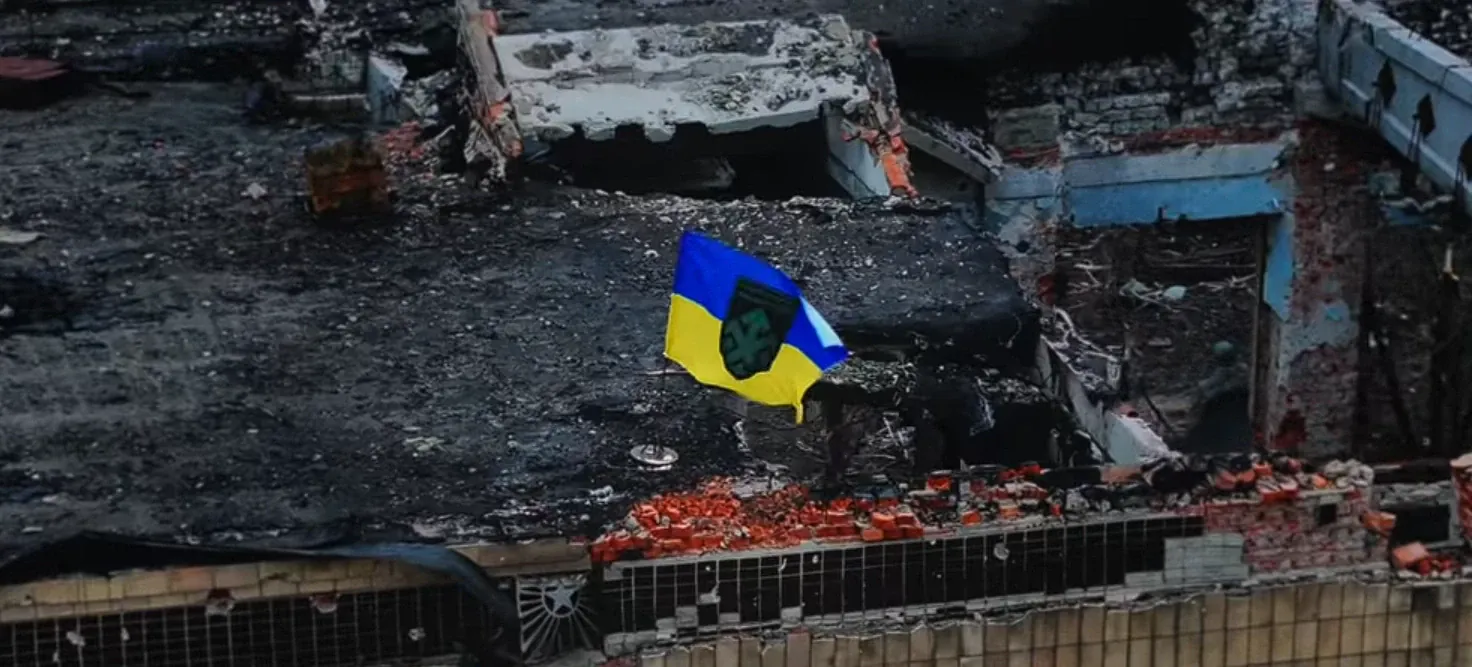
A Ukrainian flag now flies over central Kupiansk. Khartiia and other units continue to push back Russian forces in and around the city. What became of the Russian general’s hero star for a city where his troops were later encircled and destroyed remains unknown.
As for Cooper, despite the injury, he plans to keep fighting.
“I lost my leg,” he says. “Move on. I know what I signed up for, I don’t regret it. I’m not done yet.”
Discuss this article:
-6c7b568bf1f65853b7afd9dc1c3ca1fe.jpeg)



-72b63a4e0c8c475ad81fe3eed3f63729.jpeg "Photo of Cyril Barabaltchouk")