- Category
- War in Ukraine
Merz Defies Russian Threat with Kyiv Visit and €8.5 Billion in Defense Deals
Ignoring a Russian warning, Friedrich Merz traveled to Kyiv, resulting in €8.5 billion in new agreements on air defense, drones, and energy security. But with Russian attacks intensifying and support at home wavering, his promise to "hold firm" faces a real test.
 Prefer U24 Media on Google
- Authors


Hours before German Chancellor Friedrich Merz boarded a train in Poland, Russia's Foreign Ministry warned foreign nationals and diplomats against traveling to the war-torn country, saying anyone who ignored the warning would bear responsibility for the consequences.
Merz went anyway.
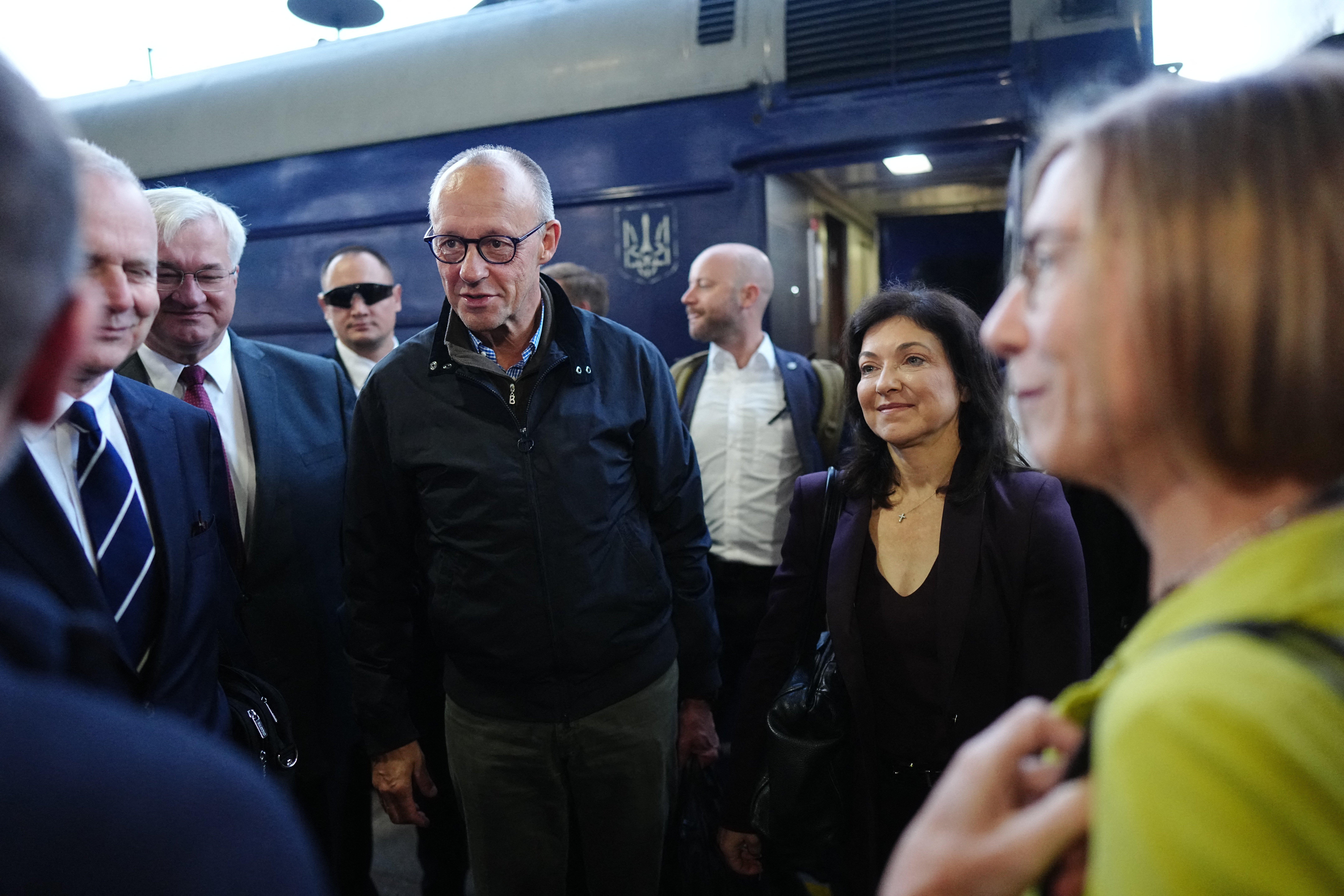
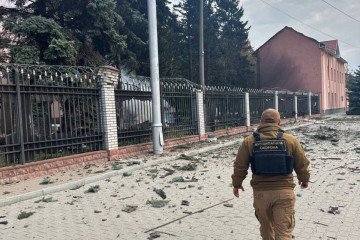
On his second visit to Kyiv as chancellor, he was joined by Economy and Energy Minister Katherina Reiche and delegates from Siemens Energy, Diehl Defense, and Quantum Systems. In Kyiv, which has been suffering from an escalation of Russian attacks in light of the upcoming winter, he visited the damaged Academy of Sciences, where two civilians died in a strike last Monday, and addressed Vladimir Putin directly:
"Mr. Putin, stop this senseless war!"
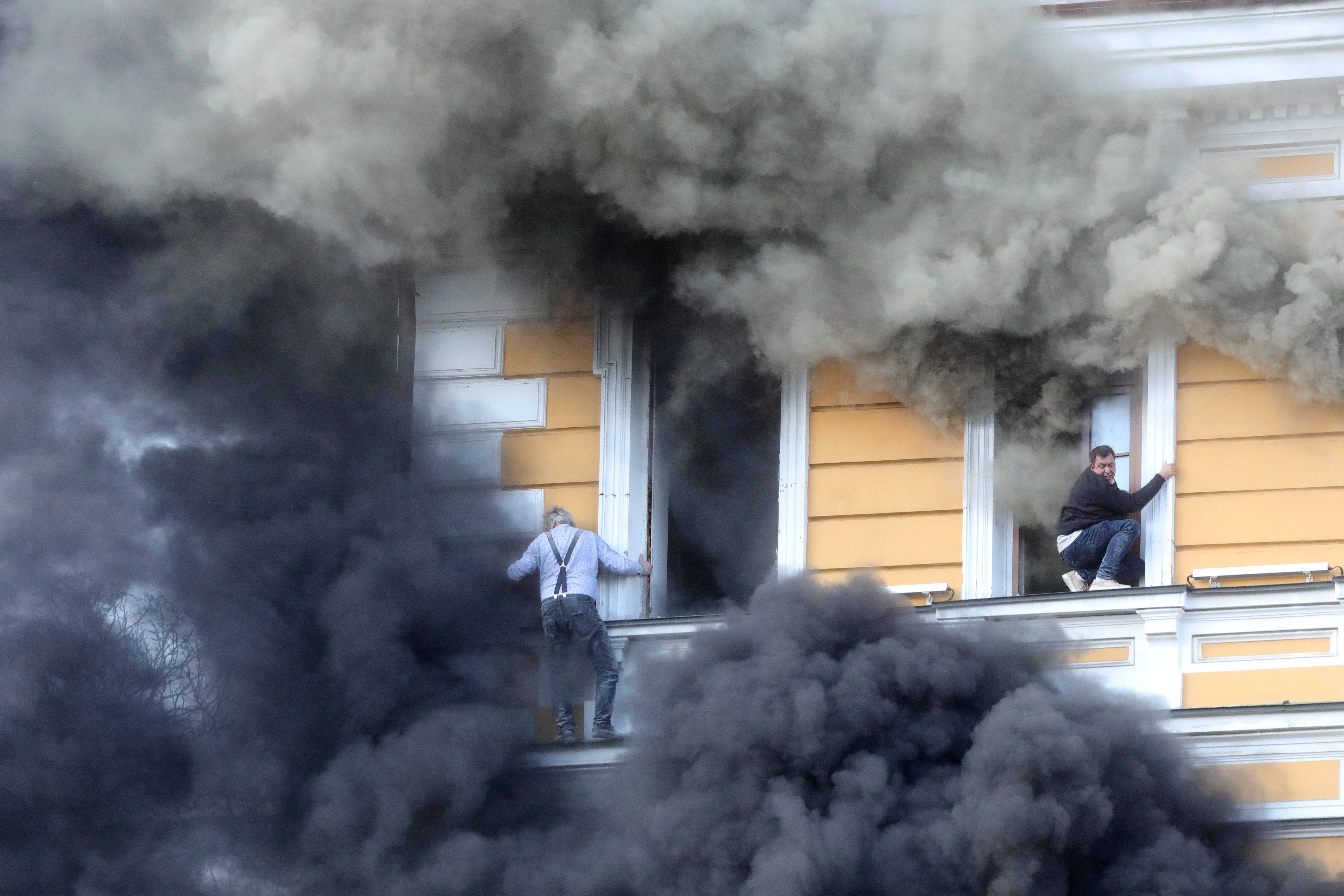
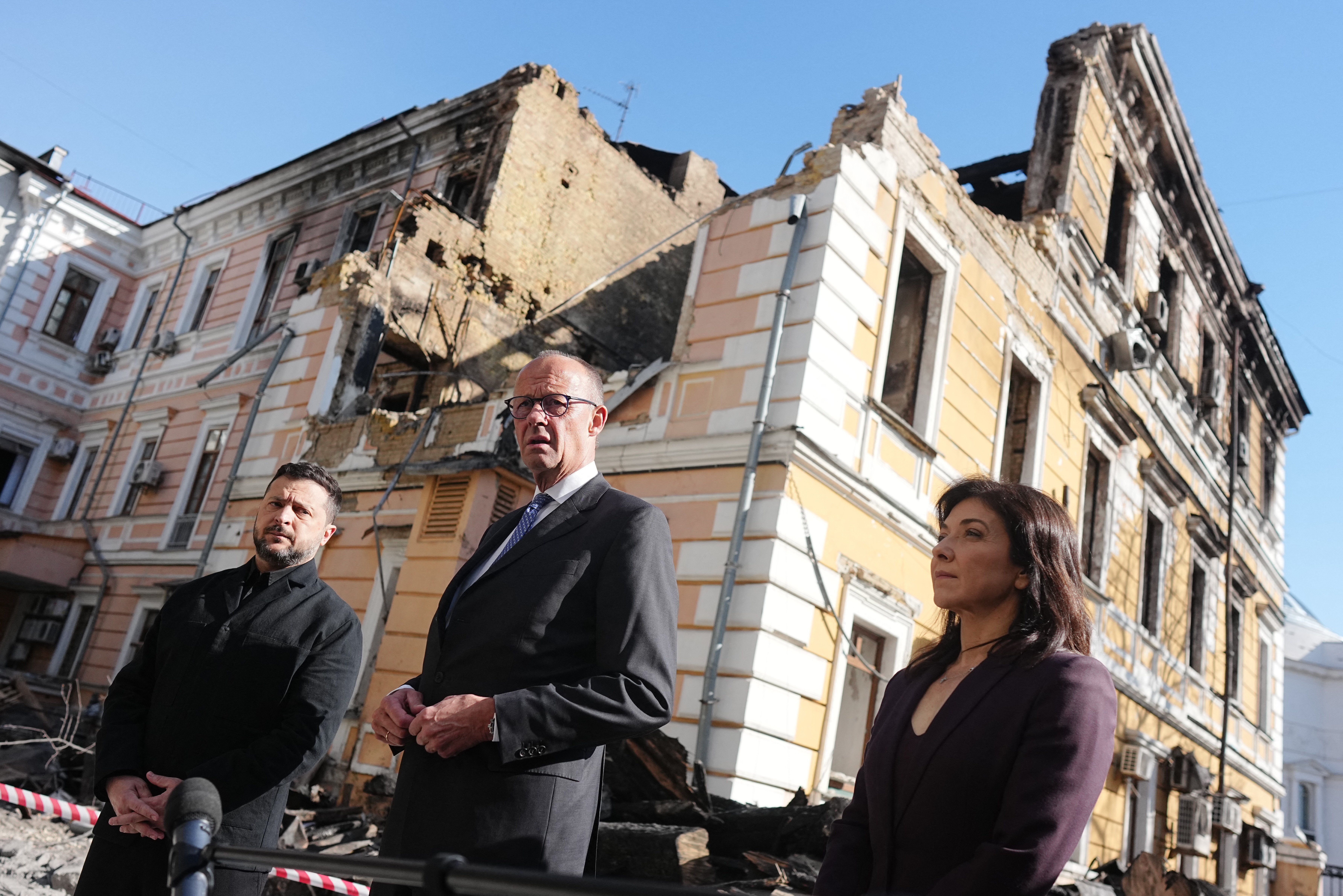
Germany is ready for talks, he said, but only once the guns fall silent. In August, Russian strikes killed more civilians in Kyiv than in any other region in Ukraine.
-3ee22873ffd8cf771f8d8939f7151271.jpg)
Agreements worth over €8.5 billion
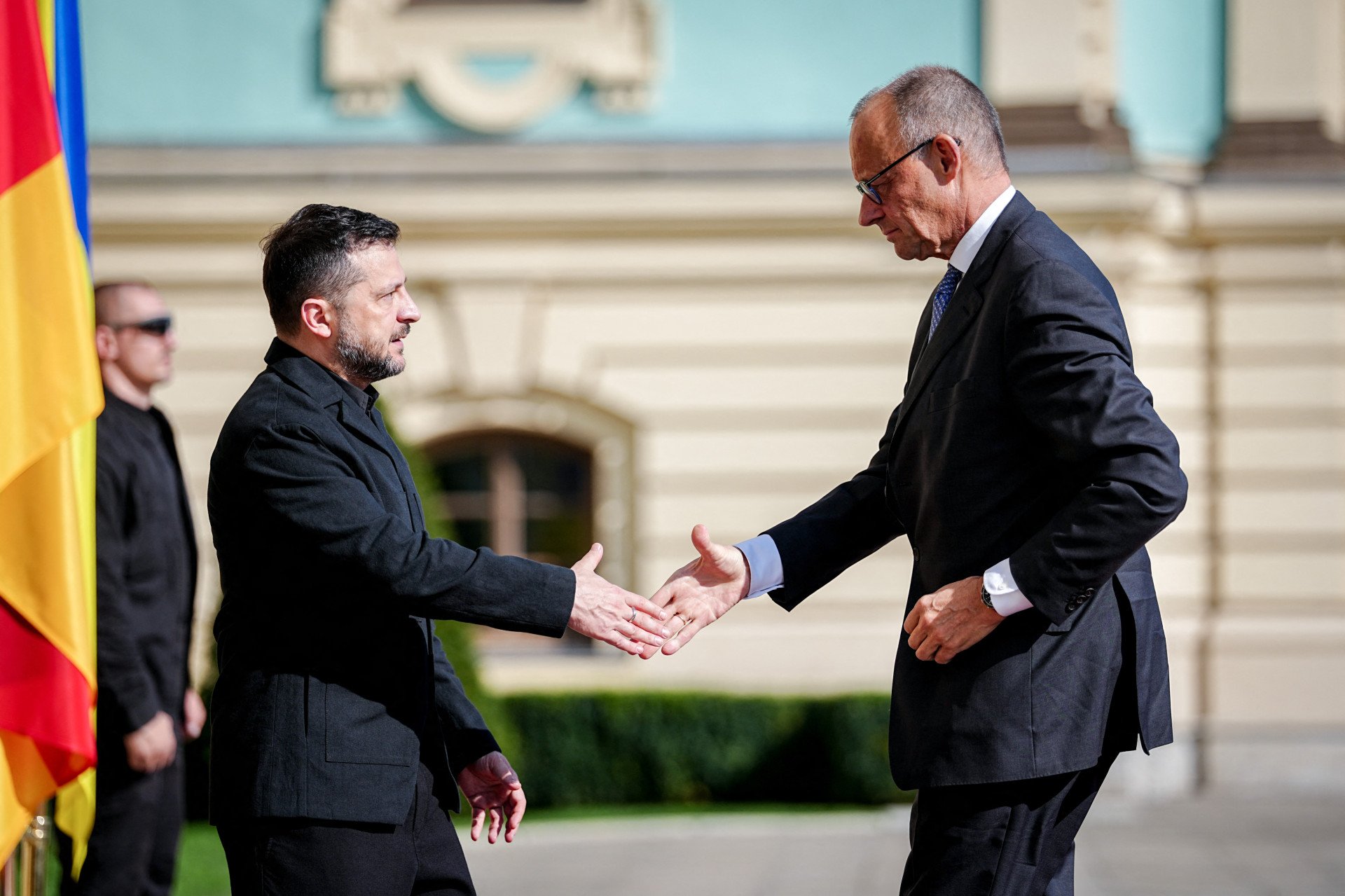
After meeting Merz, President Volodymyr Zelenskyy announced 15 agreements covering air defense, drone interceptors, small anti-drone missiles, radars, artillery, unmanned ground systems, and energy support. The two countries will also work to expand Patriot missile production in Germany. Berlin has so far been unable to secure additional Patriot missiles from other partners for the winter, and Germany hopes to start producing its own in February. Much of what was agreed builds on foundations set earlier.
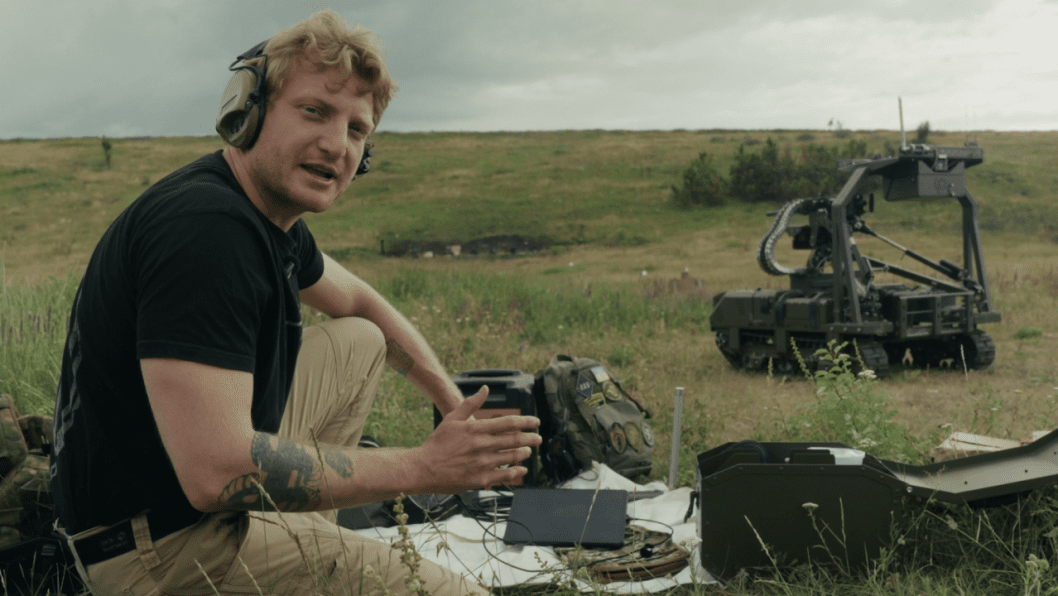
When Zelenskyy visited Berlin in April, the two governments held their first intergovernmental consultations in more than 20 years and signed various agreements. These included joint production of the Anubis and Seth-X-G unmanned systems and a planned joint venture between Ukraine's WIY and Quantum Systems to build STRILA interceptor drones.
Diehl also signed technology agreements with the Ukrainian firms FirePoint and Luch. In July the two leaders discussed a planned "Drone Deal," additional anti-ballistic missiles, and a European anti-ballistic system with German companies under the FREYA program. Berlin says it has provided or committed about €57.6 billion in bilateral military aid since the full-scale invasion began in 2022.
Russia’s escalating attacks
With the onset of winter, Russia is intensifying its air campaign, with the capital Kyiv a main target. Visits by high-ranking guests, including US envoys Steve Witkoff and Jared Kushner in early September, had previously brought brief pauses in strikes on the capital. This time there was none: after Merz arrived, a drone hit Kyiv's Northern Bridge over the Dnipro.
Zelenskyy said Russia launched around 900 upgraded, jet-powered long-range drones during the past week alone. These newer models now make up around 40% of all large-scale drone swarms. While Ukraine used to be able to intercept about 90% during aerial attacks, the rise of these upgraded drones has forced that number to drop to 60%. Ammunition for air-defense systems that can stop ballistic missiles is also running short.Part of a solution could be the “NIKA”, a “mini-missile”, which is being developed to counter drone threats. “The Germans and we are responding positively. There will be testing. For now, we are looking at what could prove successful,” Zelenskyy said. The SPYS interceptor drone developed by Ukrainian-German company Quantum WIY Industries, which boasts a top speed of around 500 km/h has apparently successfully knocked down a jet-powered Geran drone.
Pressure at home
The situation surrounding Chancellor Merz in Germany is, to put it diplomatically, challenging.
The 70-year-old faces growing skepticism from various parts of the political landscape and population. Following recent state elections in the east, where, now for the first time since World War II, a far right politician leads a state parliament in Saxony-Anhalt, Merz suffered a fallout even from parts of his own party, the Christian Democratic Union (CDU).
Apart from topics such as inflation and immigration, the AfD, which is known for its pro-Russian tendencies, has based a fair amount of its electoral campaign addressing German aid for Ukraine. The recent success of the AfD in two state elections has increased tensions even in other parties, who have begun shifting the blame towards Merzs’ politics, accusing the government of failing to address fundamental issues and desires in the country.
Asked in Kyiv about falling public support, Merz said he takes concern seriously, but does not share that view. Supporting Ukraine, he argued, is in Germany's national interest, and withdrawing would raise the risk of direct attacks on Germany.
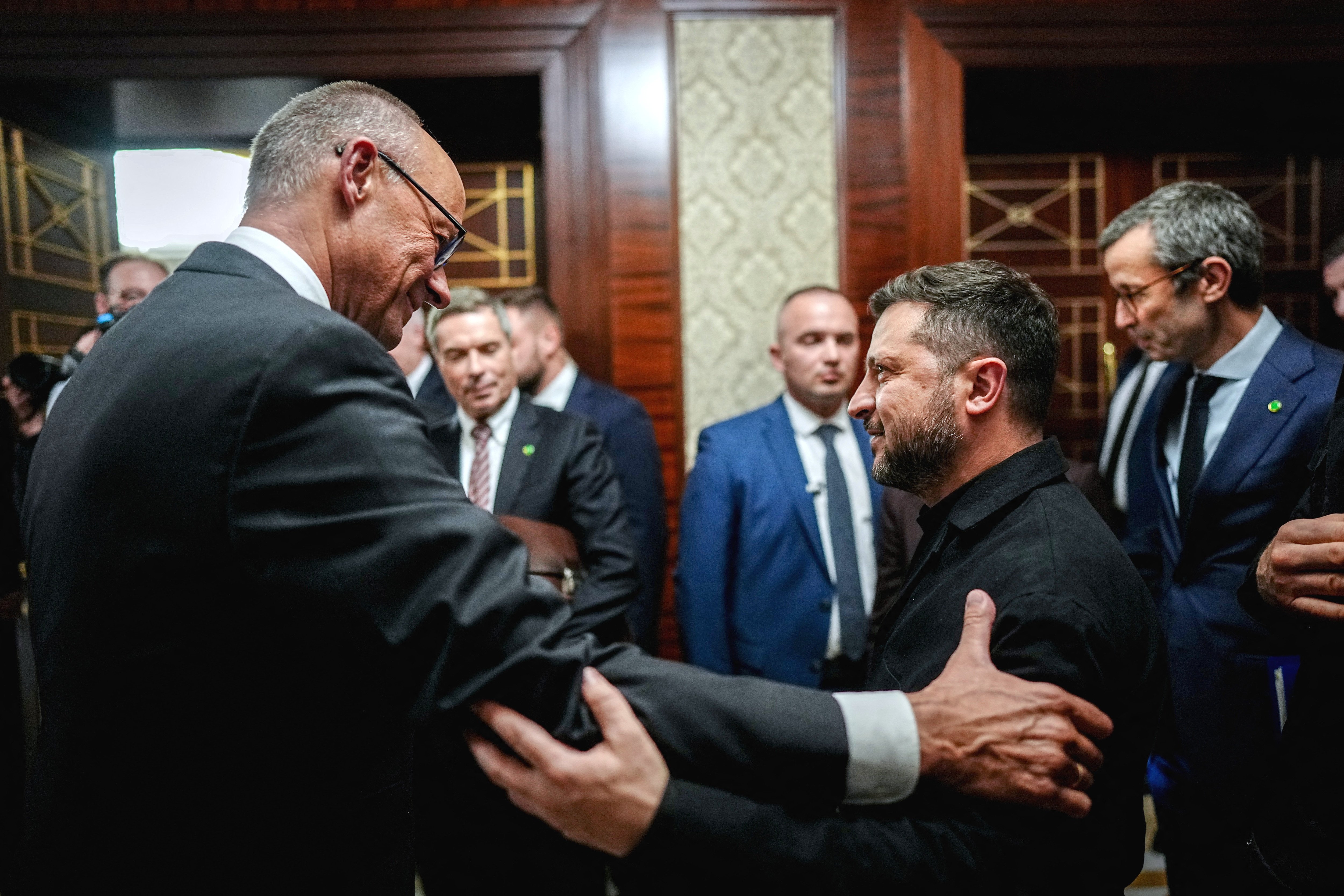
His government is also stressing the economic benefits.
"Our partnership is not a one-way street," Merz said, noting that German and Ukrainian companies are developing technologies together. It has not been disclosed how much of the agreements will go to the German defense sector, but it is safe to say that industry giants are set to profit from arming Ukraine.
Days earlier, in Münster, Merz had said Germany would not be divided "by hybrid attacks, by propaganda on social media directed by Moscow bots, and by the slogans of the AfD and its Russian backers."
Addressing such concerns in Ukraine, Friedrich Merz reaffirmed his unwavering position with the words: "You can rely on us. We will hold firm, and I personally will hold firm as well."
Discuss this article:




-72b63a4e0c8c475ad81fe3eed3f63729.jpeg "Photo of Cyril Barabaltchouk")