- Category
- War in Ukraine
Ukraine Hits Russian Military Training Ground and Drone Command Network
 Prefer U24 Media on Google
- Authors


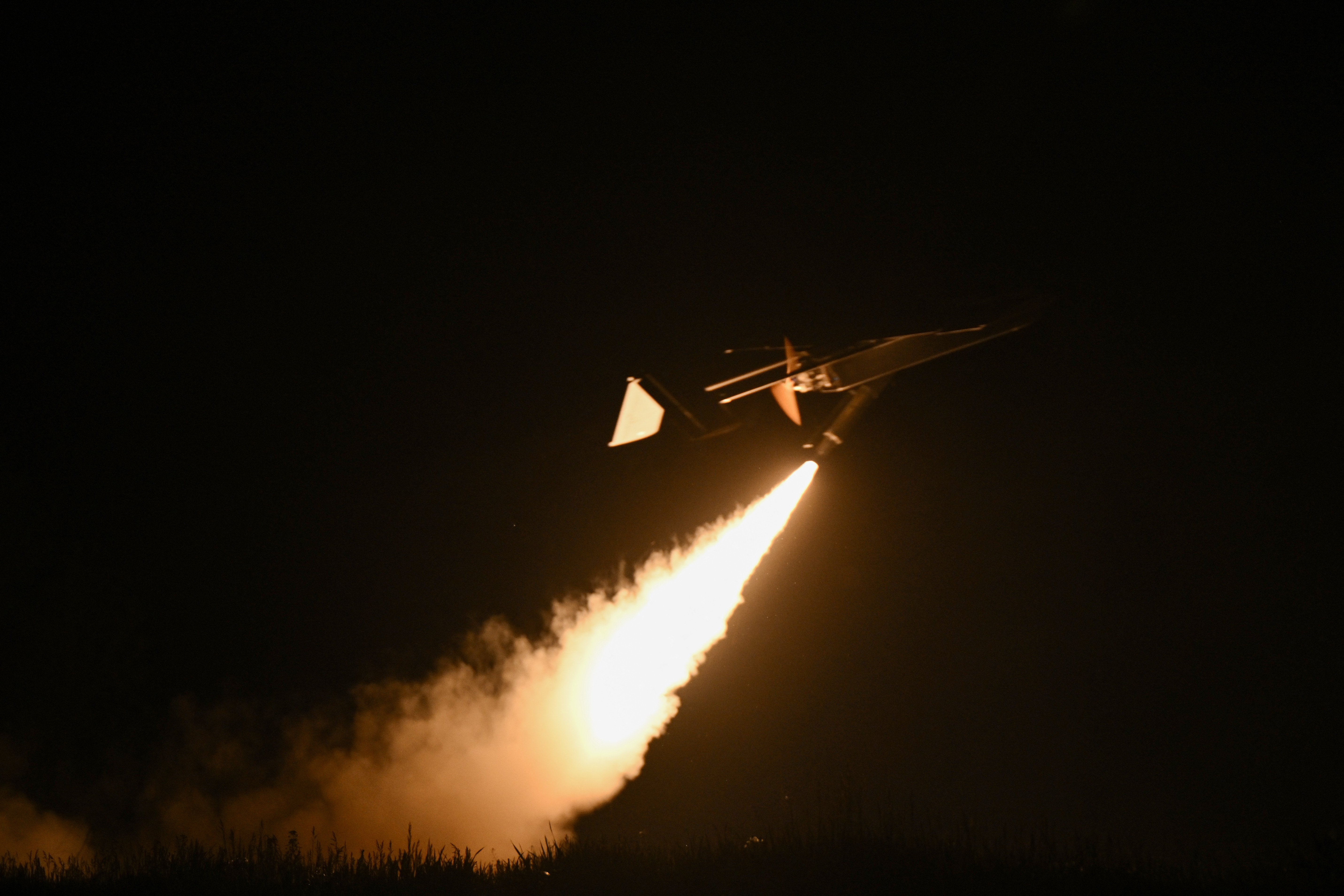
Ukraine’s Defense Forces struck multiple Russian military targets on July 10 and overnight into July 11, including the Kalmiuske combined-arms training ground in temporarily occupied Donetsk region, while also releasing updated assessments of damage inflicted during a series of long-range strikes carried out in recent weeks, according to the General Staff of the Armed Forces of Ukraine on July 11.
We bring you stories from the ground. Your support keeps our team in the field.
The General Staff said the latest operation targeted Russian troop concentrations, drone command posts, and military infrastructure as part of efforts to reduce Russia’s offensive capabilities.
According to the General Staff, Ukrainian forces hit the Kalmiuske military training ground near the temporarily occupied city of Dokuchaievsk in Donetsk region. The extent of the damage is still being assessed.
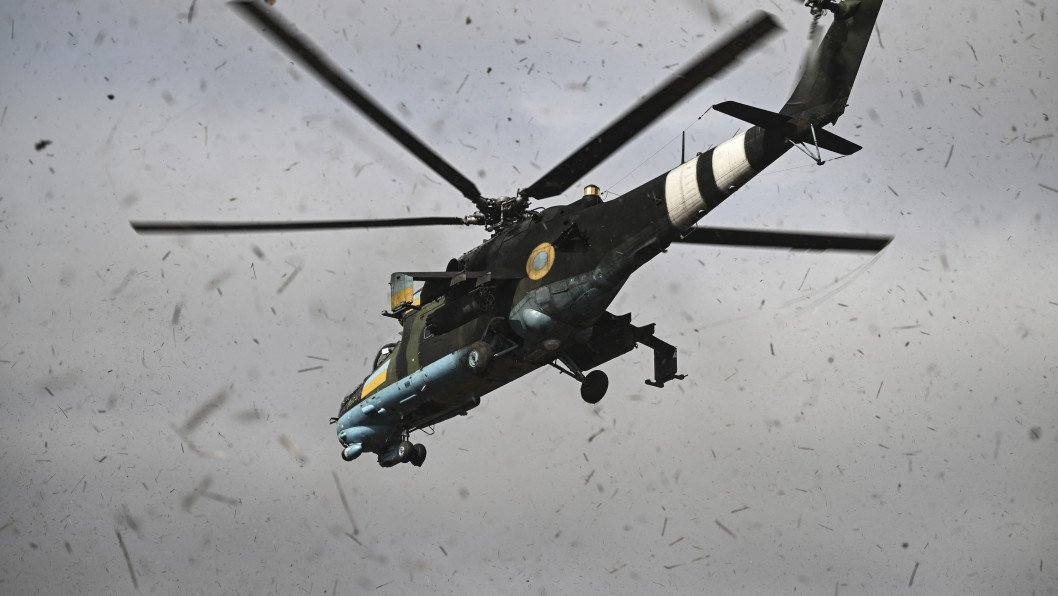
The military also reported strikes on Russian drone command posts near Krysanove in Russia’s Belgorod region and Pershotravneve in temporarily occupied Zaporizhzhia region. Additional attacks targeted concentrations of Russian personnel near temporarily occupied Horlivka in Donetsk region and Karyzh in Russia’s Kursk region.
In the same statement, the General Staff released updated battle damage assessments for several previously announced long-range strikes against Russian military-industrial and energy infrastructure.
According to the Ukrainian military, a June 27 strike on the Federal Research and Production Center Titan-Barrikady in Volgograd caused an estimated $105 million in direct damage.
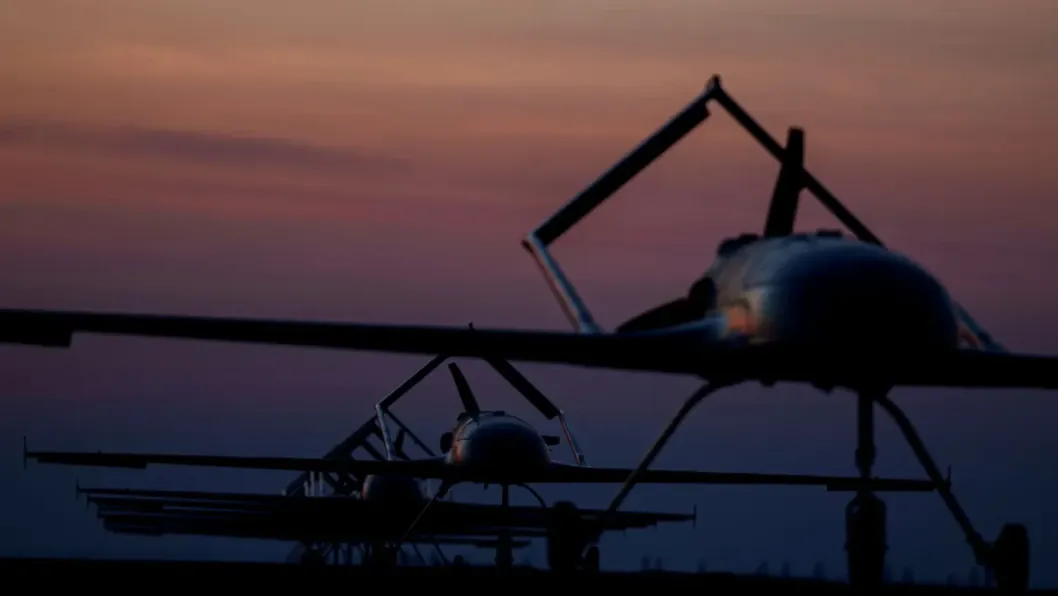
The General Staff also reported that a July 4 strike on the St. Petersburg Oil Terminal damaged two 3,000-cubic-meter storage tanks, four 10,000-cubic-meter tanks, one 15,000-cubic-meter tank, one 20,000-cubic-meter tank, a technological pipeline overpass, and other industrial equipment.
Regarding the July 6 attack on the Slavneft-YANOS refinery in Yaroslavl, Ukrainian officials said the AVT-6 crude distillation unit was hit, while pipelines connected to the AVT-1 and AVT-3 processing units were also damaged.
The General Staff further stated that a July 8 strike on the Borisoglebsk airbase in Russia’s Voronezh region ignited 28 aviation fuel tanks with a combined capacity of approximately 1,600 cubic meters.
-cbf7c1559dad7c254ba4a26bbb0b4a33.jpg)
Another strike carried out the same day reportedly hit the TAIF-NK refinery in Nizhnekamsk, Tatarstan, setting fire to a delayed coking unit and damaging cable overpasses, pipelines, and technical facilities.
According to the General Staff, the most recent deep strike, conducted on July 10 against the Ilsky refinery in Russia’s Krasnodar region, caused fires at the AT-5 and AT-6 processing units, damaged pipelines, and ignited areas near the AT-2 and AT-3 units.
Earlier, President Volodymyr Zelenskyy established the Long-Range Global Impact Command to coordinate Ukraine’s deep-strike operations and announced the creation of the Joint Rapid Reaction Forces, a new high-tech branch integrating assault units, drones, and artillery.
Discuss this article:
-9a7b3a98ed5c506e0b77a6663f5727c5.png)


-c439b7bd9030ecf9d5a4287dc361ba31.jpg "Photo of Katherina Popilnichenko")