- Category
- World
Finland, Sweden Intercept Russian Military Aircraft Together for First Time
 Prefer U24 Media on Google
- Authors

-111f0e5095e02c02446ffed57bfb0ab1.jpeg "Photo of Roman Kohanets")
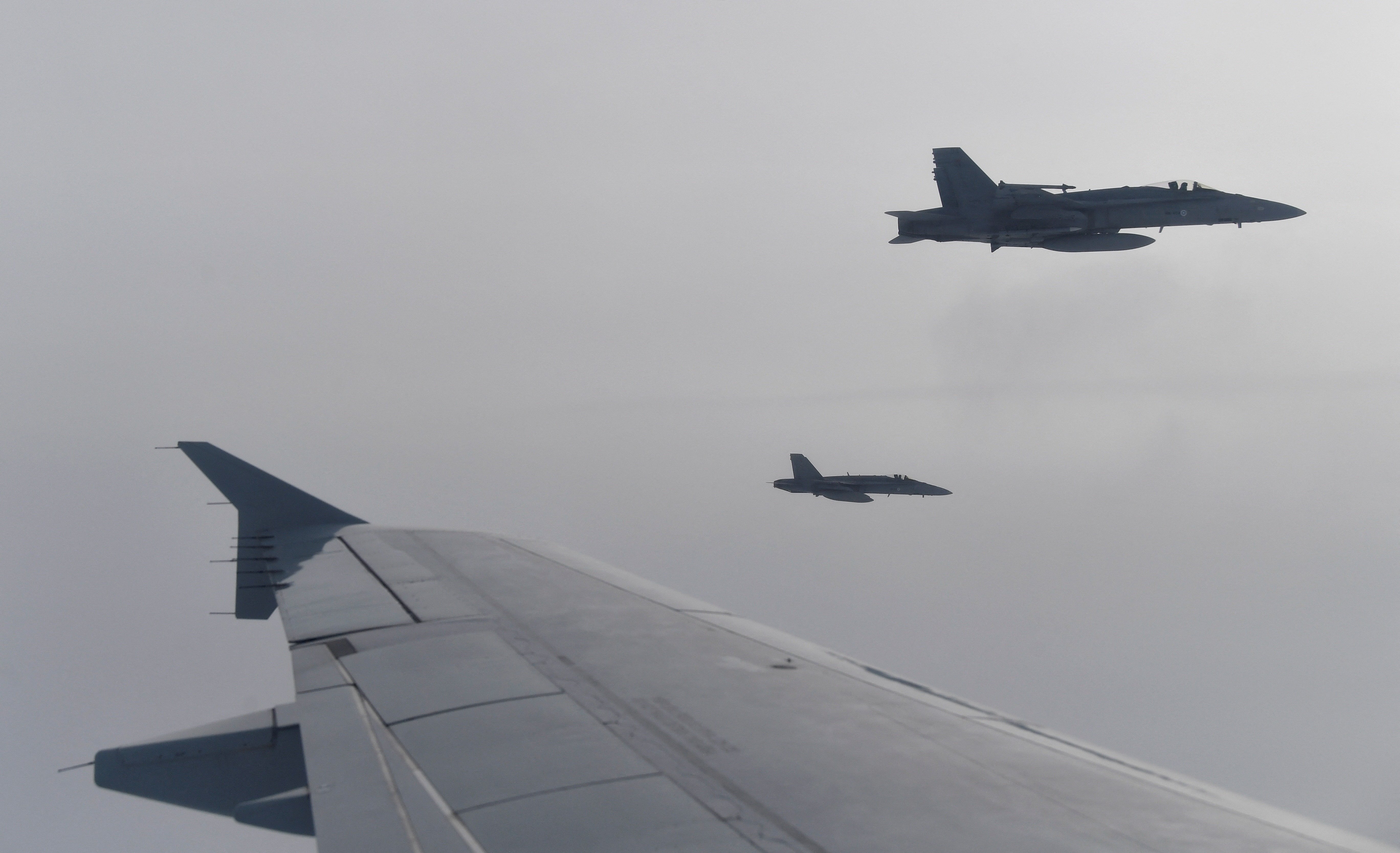
Finnish and Swedish Quick Reaction Alert (QRA) fighter jets carried out their first joint operational identification mission on September 24, intercepting a formation of Russian military aircraft in international airspace over the Gulf of Finland.
We bring you stories from the ground. Your support keeps our team in the field.
The Finnish Air Force's Air Operations Center led the mission, pairing Finnish F/A-18 Hornet fighters with Swedish JAS 39 Gripen jets, according to a release from the Swedish Armed Forces published on September 25.
Colonel Vesa Mäntylä, Deputy Chief of Staff at Air Force Command Finland, explained that the two air forces are responsible for surveillance and protection of their nations' airspace.
"The deeper cooperation that began this autumn enables joint identification missions," Mäntylä stated, noting the arrangement also lets QRA jets operate from the other country's air bases.

Major General Jonas Wikman, Commander of the Swedish Air Force, called the mission a testament to years of trust between the two forces.
"We can now operate seamlessly together – as air forces, as nations and as Allies," Wikman added.
According to the release, the QRA jets identified a Russian detachment operating over the Gulf of Finland. The formation included:
a Tu-134 transport aircraft, NATO reporting name "Crusty";
MiG-31 fighter jets, reporting name "Foxhound";
Su-30 fighter jets, reporting name "Flanker-H."
The MiG-31 is a twin-engine, long-range interceptor built to defend Russian airspace and escort strategic bombers. It can exceed Mach 2.8 and typically carries long-range R-37 air-to-air missiles. Its presence over the Gulf points to continued Russian use of the corridor for high-speed patrol and escort work near NATO's northern border.
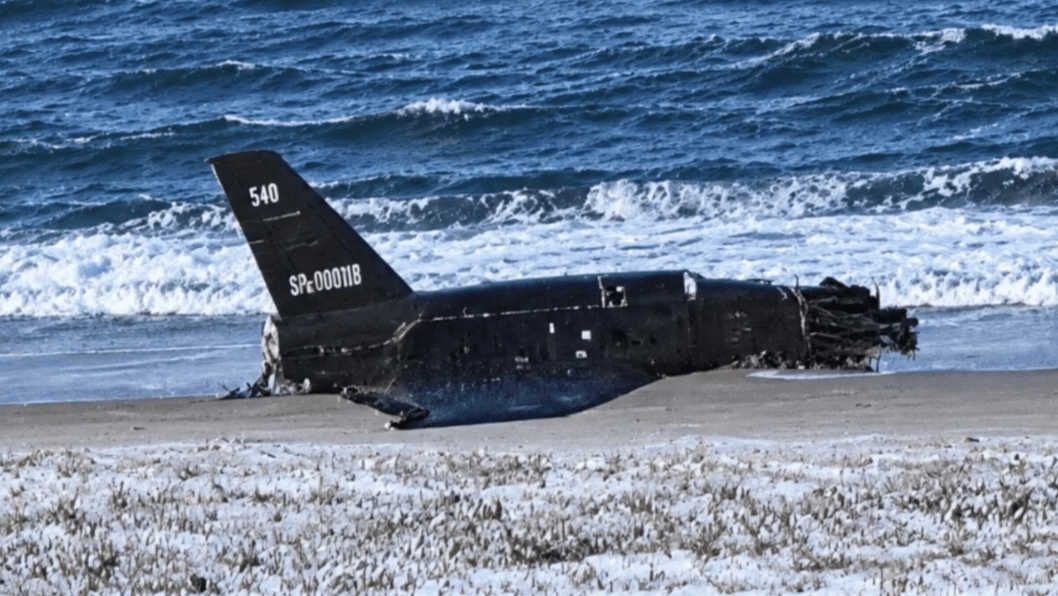
The Su-30 is a twin-seat, multirole fighter suited to both air superiority and strike missions, with a mixed weapons load and an extended combat radius. Its inclusion suggests the detachment combined an armed fighter escort with the transport flight rather than a single-purpose sortie.
Finland's F/A-18 Hornets and Sweden's JAS 39 Gripens serve as each country's primary QRA interceptors, both built for rapid scramble and beyond-visual-range engagement.
Flying them jointly, with cross-basing rights now in place, shortens response times across the shared Baltic approach, the release noted.
The identification mission fits into a broader Nordic Air Power framework linking Finland, Sweden, Norway and Denmark to NATO's collective defense structure.
-91108babfa91ee354d822070a96a6af7.jpg)
Finnish and Swedish crews have flown near-weekly Cross Border Training sorties for several years, and both air forces coordinate with NATO's Baltic Air Policing detachments across the region, according to the release.
In late August, Sweden's government ordered military units, including JAS 39 Gripen fighters and naval vessels, to patrol areas along Finland's border with Russia.
The deployment followed a direct request from Finnish authorities amid repeated Russian airspace violations tied to the war, and rested on bilateral agreements giving Swedish forces a mandate to help defend Finnish territory.
Discuss this article:
-9a7b3a98ed5c506e0b77a6663f5727c5.png)



-c439b7bd9030ecf9d5a4287dc361ba31.jpg "Photo of Katherina Popilnichenko")