- Category
- World
Germany May Call Up Troops for Lithuania Brigade as Russia Threat Grows
 Prefer U24 Media on Google
- Authors


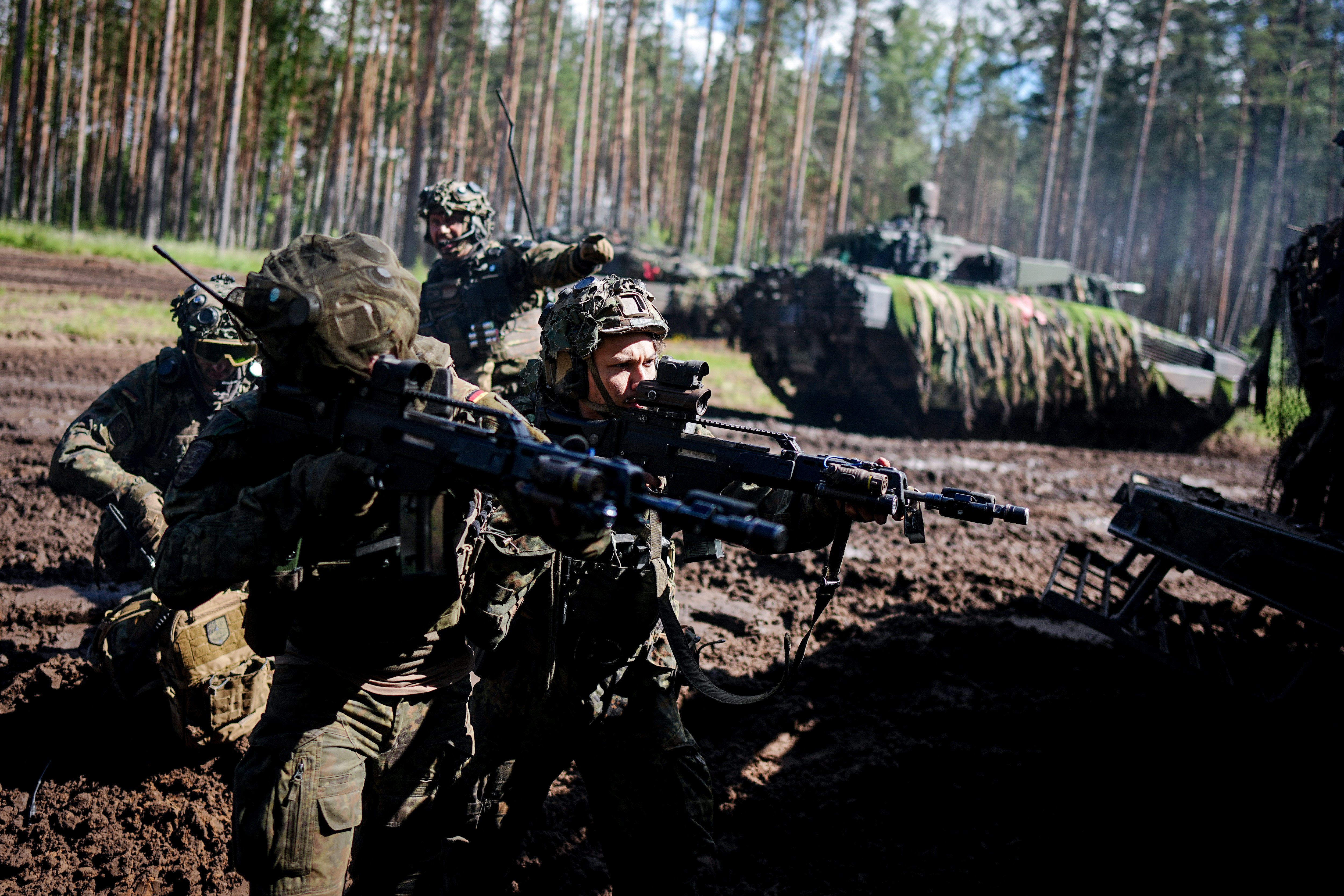
Germany is prepared to call up soldiers if needed to fully staff its new armored brigade in Lithuania, Defense Minister Boris Pistorius said, according to Lithuanian news outlet Delfi on June 22.
Berlin is establishing a permanent brigade in Lithuania, a NATO and EU member bordering Russia’s Kaliningrad region and close to Belarus, as the Alliance strengthens its eastern flank in response to the growing threat from Moscow.
We bring you stories from the ground. Your support keeps our team in the field.
The unit was formally commissioned last year and is expected to become fully operational by 2027. Once complete, it is planned to include around 4,800 soldiers and 200 civilian personnel.
Pistorius said he believes most German personnel sent to Lithuania will volunteer for the deployment. However, he acknowledged that a certain share may have to be assigned through mandatory call-ups if there are not enough volunteers.
“The crucial thing for me is that the brigade is fully operational and able to fulfil its mission,” Pistorius said.
🇩🇪🇱🇹 The highlight of Freedom Shield 2026: The Panzerbrigade 45 „Litauen“ enters the most demanding training phase - combined arms combat.
— Dakas ‡ (@Dakasr2) June 20, 2026
With artillery, main battle tanks and infantry fighting vehicles, Tiger attack helicopters and French Rafale.
🎬 deutsches.heer /IG pic.twitter.com/PqrcXhAPWP
According to the minister, any potential shortages would likely appear in specialized areas, including technical and logistics roles, as well as CBRN defense—protection against chemical, biological, radiological, and nuclear threats.
Pistorius said Germany would first hold staff-level discussions if volunteer numbers were insufficient.
“And if in doubt, a call-up will then be issued,” he said.
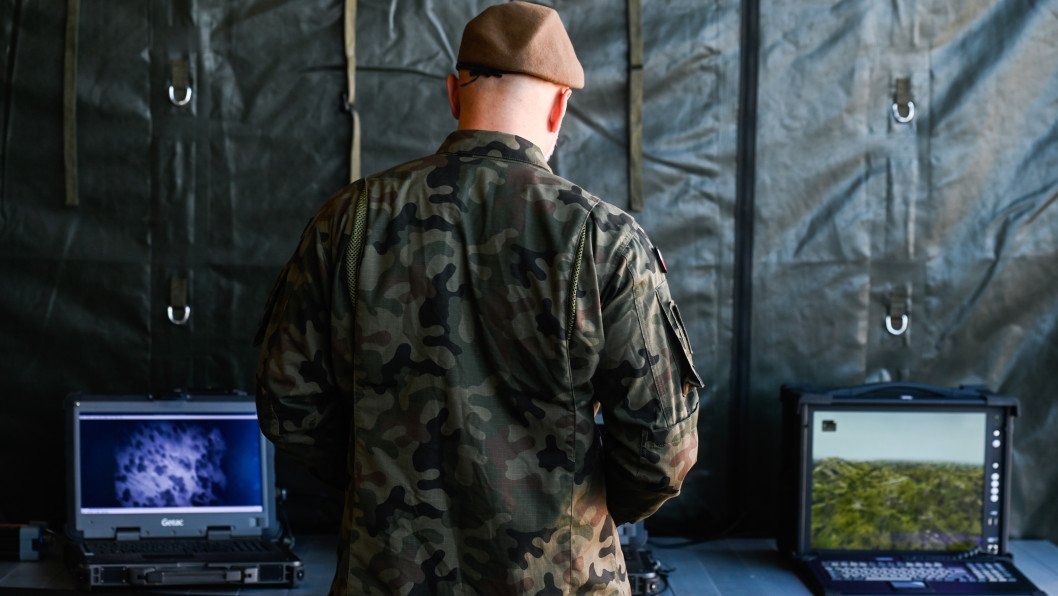
Germany’s permanent brigade in Lithuania is one of Berlin’s most significant military commitments to NATO’s eastern flank since Russia launched its full-scale war against Ukraine. The deployment is designed to strengthen deterrence and ensure that NATO has combat-ready forces positioned closer to potential flashpoints near Russia and Belarus.
Earlier, Germany introduced new regulations requiring men aged 17 to 45 to obtain official permission before leaving the country for extended periods.
In addition, German officials were considering raising the maximum age for reservists from 65 to 70 as part of broader efforts to strengthen its defense capacity.
Discuss this article:



-c439b7bd9030ecf9d5a4287dc361ba31.jpg "Photo of Katherina Popilnichenko")