- Category
- World
Moscow Joins Russian Cities Capping Fuel Sales Amid Refining System Carnage
 Prefer U24 Media on Google
- Authors

-72b63a4e0c8c475ad81fe3eed3f63729.jpeg "Photo of Cyril Barabaltchouk")
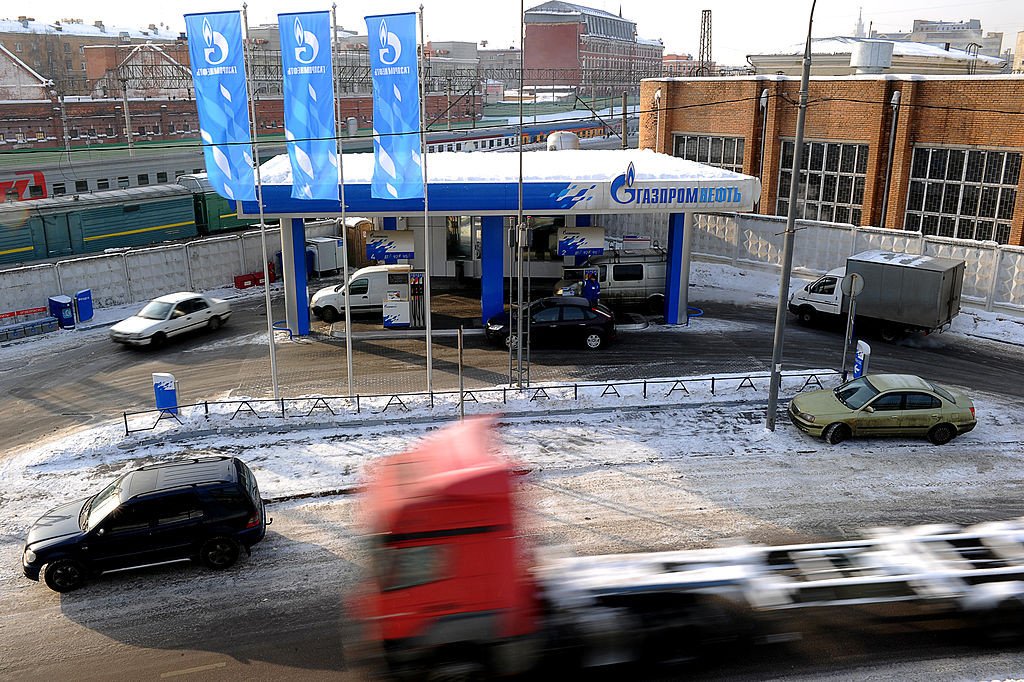
The Moscow region has joined St. Petersburg, Belgorod, Kursk, and temporarily occupied Crimea in experiencing domestic fuel supply shortages, forcing multiple major gas station networks to institute purchase caps for motorists, The Moscow Times reported on June 3.
The introduction of localized limits highlights the expanding geographic reach of the energy crisis. Starting May 30, the ORTK fuel network, which manages dozens of stations across the capital area, restricted purchases to a maximum of 60 liters of gasoline and 100 liters of diesel per customer.
We bring you stories from the ground. Your support keeps our team in the field.
Meanwhile, state-backed Gazprom capped sales at 100 to 150 liters per vehicle, and Lukoil implemented a 100-liter restriction specifically for gasoline. Representatives from Rosneft and Tatneft stated that while a company-wide mandate has not been issued, individual stations are introducing transaction limits based on local inventory levels.
The spreading deficit develops alongside an intensified campaign of Ukrainian long-range drone strikes targeting domestic energy infrastructure. Data compiled by Bloomberg indicates that Russian refineries faced 38 drone attacks between January and May, with a record-setting 16 facilities struck in May alone.
The sustained bombardment has dropped Russian oil processing volumes to their lowest levels since 2009. According to recent reports, refining capacity totaling 238,000 tons per day—approximately one-quarter of the country’s entire refining infrastructure—was knocked offline by the second half of May. Central Russia has sustained the heaviest operational blows, with critical facilities in Moscow, Kirishi, Nizhny Novgorod, Ryazan, and Yaroslavl paralyzed, cutting off more than 30% of the regional automotive gasoline supply.
The industrial disruption has triggered a severe inventory squeeze on the domestic commodities exchange, where oil companies reduced fuel allocations by roughly 25%. In May, the daily availability of AI-95 gasoline plunged to 5,000 tons, a one-third decline compared to the same period last year. Consequently, wholesale gasoline prices have surged by 26% since January, driving a 4.3% increase at retail pumps and outpacing the national inflation rate of 3.2%, The Moscow Times wrote.
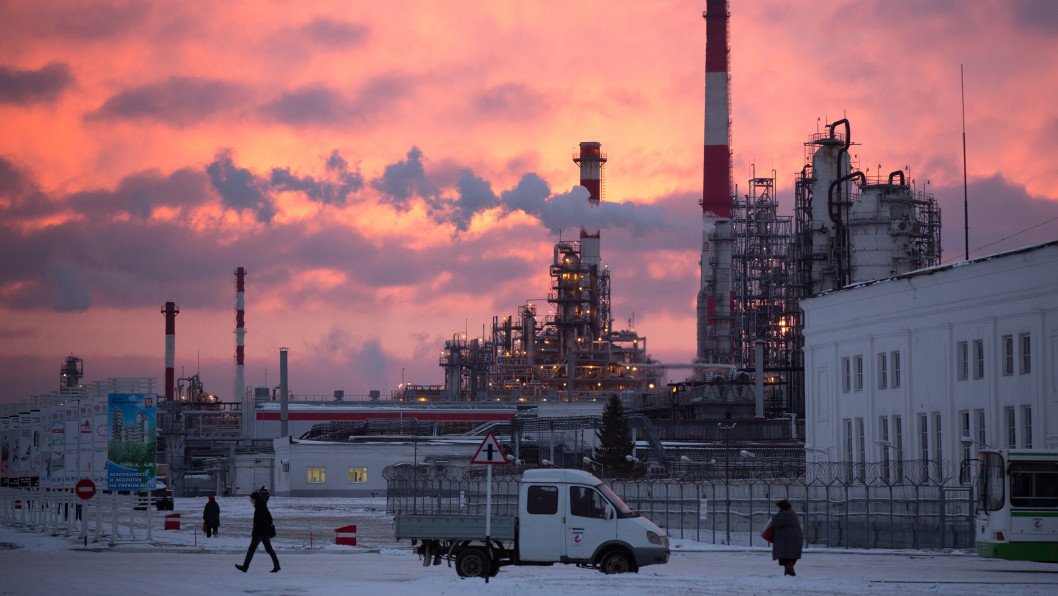
To stabilize the internal market, the Russian government enacted a total ban on gasoline exports on April 1 and amplified its fuel purchases from neighboring Belarus by 26 times throughout May. The Moscow Times notes that, despite these emergency import channels and regulatory measures, the Kremlin has yet to alleviate the mounting fuel deficit across the Russian heartland.
This localized rationing in the capital area mirrors logistical strains developing simultaneously across Russia’s second-largest city. It was previously reported that gas station networks in and around St. Petersburg have implemented limits on fuel transactions, with the most severe shortages impacting AI-95 gasoline and forcing distributors to reroute supply lines from beyond the Ural Mountains.
To mitigate supply pressures across the domestic transport sector, the Russian government also enacted a five-month moratorium on aviation kerosene exports, effective from June 1 until November 30. These compounding supply vulnerabilities expand upon similar infrastructure disruptions observed late last month in occupied Sevastopol, underscoring the geographical progression of the refinery crisis.
Discuss this article:
-9bd5e1532102621f8fb1c4ba871a3171.png)