- Category
- World
Russia Plans to Push Military Salaries Into 2027 for First Time in at Least 18 Years
 Prefer U24 Media on Google
- Authors



Russia’s Defense Ministry has proposed postponing December 2026 salary payments to military personnel until January 2027, potentially ending a longstanding practice of paying service members before the end of the calendar year.
If approved, the change would mark the first such departure from the established payment schedule in at least 18 years, The Moscow Times reported on October 30, citing Verstka.
We bring you stories from the ground. Your support keeps our team in the field.
Under the current system, Russian military personnel traditionally receive their December salaries before the end of the year, a practice formally established by Defense Ministry Order No. 250 in May 2008.
According to the outket, the arrangement predates the 2008 regulation and has its roots in the Soviet era. The proposed amendments would introduce a revised payment schedule, requiring military salaries to be distributed between the 10th and 20th of each month for the preceding month.
Under the proposed rules, December payments would be treated differently, with salaries for the final month of the year scheduled for January 11–21 of the following calendar year. The amendments would therefore move December 2026 payments into January 2027, rather than distributing them before the New Year as previously practiced.
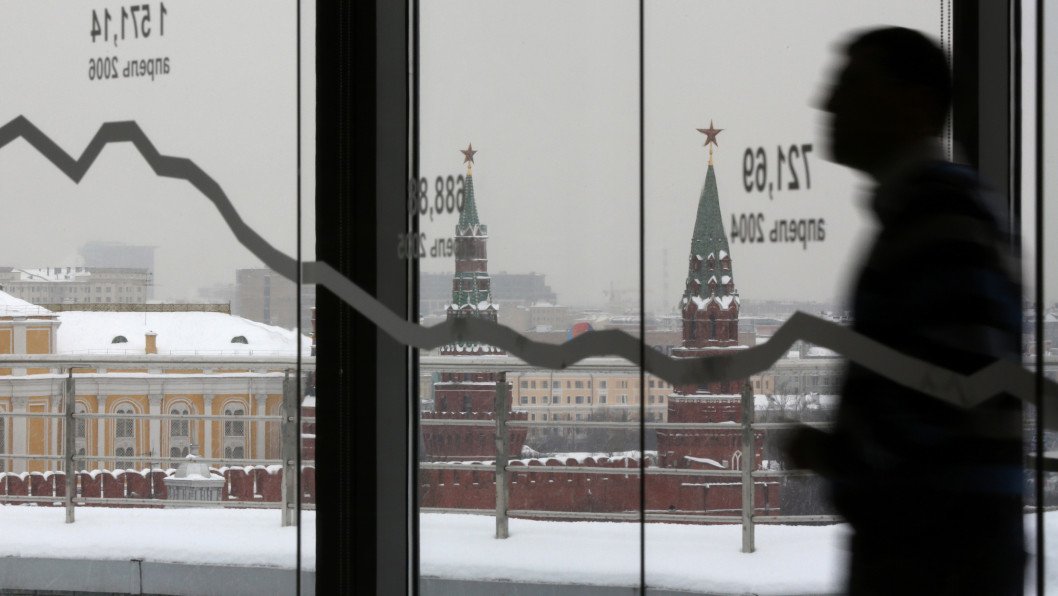
According to the report, the changes would take effect before the end of 2026 if formally approved by the Russian Defense Ministry.
However, the proposed regulations include an exception for Russian military units engaged in combat operations in Ukraine, meaning the revised December payment schedule would not apply to those forces.
The proposal comes amid growing financial pressure on Russia as Moscow continues to allocate substantial resources to its war against Ukraine.
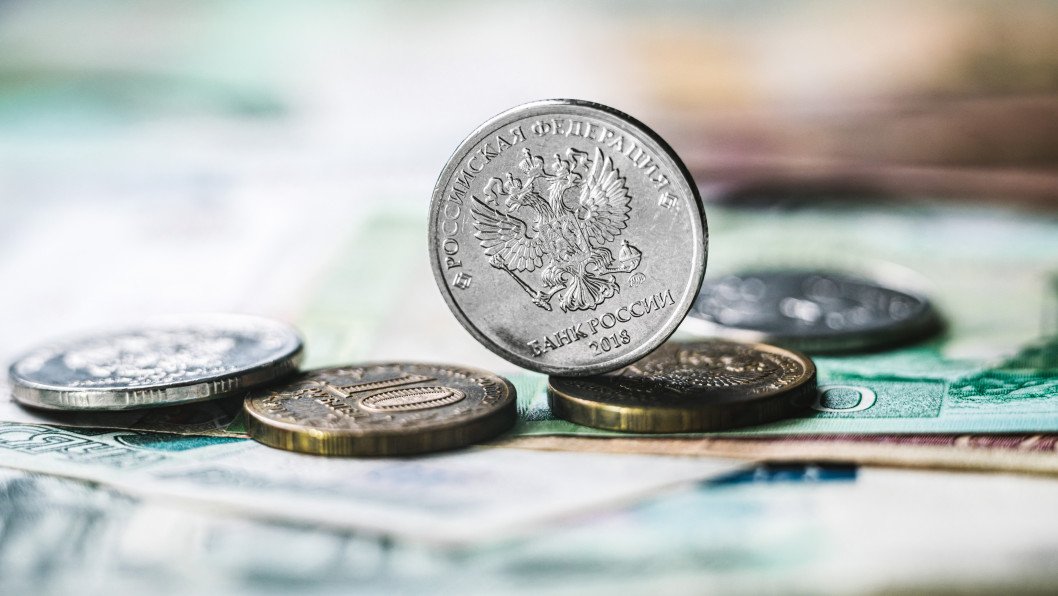
Russia spends more than $200 billion annually on the war, with expenditures appearing to approach the limits of what the country's economy can sustain under existing sanctions, which continue to restrict its ability to generate additional revenue.
Meanwhile, declining oil and gas revenues and rising government spending have placed further strain on Russia's finances, contributing to a widening budget deficit.
Against this backdrop, Ukraine’s Foreign Intelligence Service reported on October 28 that Russia has been drawing down its gold reserves to help cover the growing shortfall.
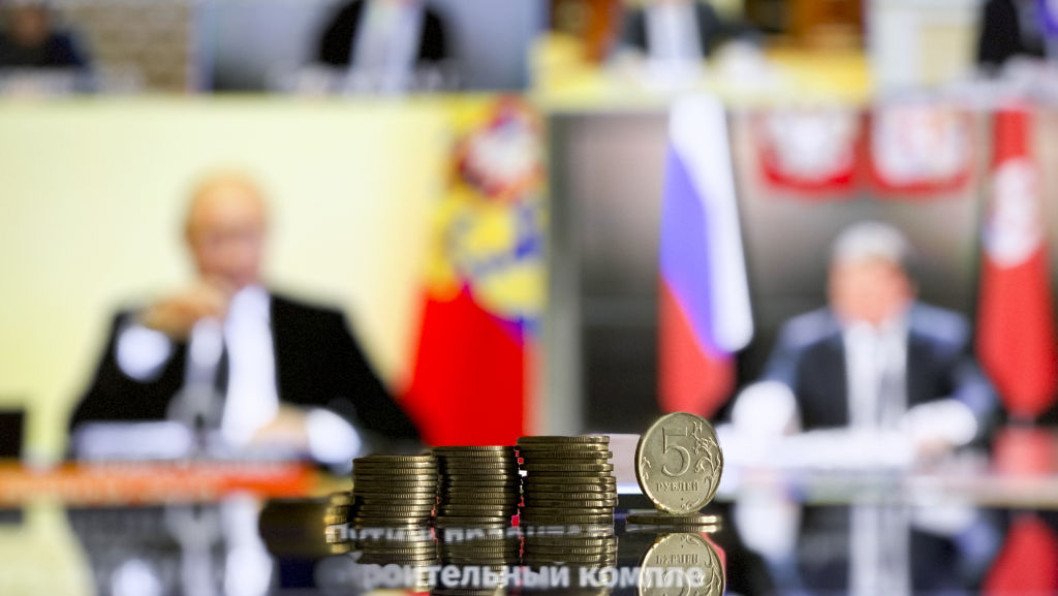
According to the agency, Russia’s Central Bank reduced its physical monetary gold holdings for the tenth consecutive month in September 2026, cutting reserves by 6.2 metric tons to approximately 2,260 tons, their lowest level since late 2019.
If the budget deficit persists and reserves are not replenished, Moscow could face increasing pressure to borrow more, raise taxes, or reduce government spending to meet its financial obligations.
Discuss this article: