- Category
- Latest news
Russia Plans Full Seizure of Donbas and Zaporizhzhia in 2026, Ukrainian Intel Chief Warns
 Prefer U24 Media on Google
- Authors


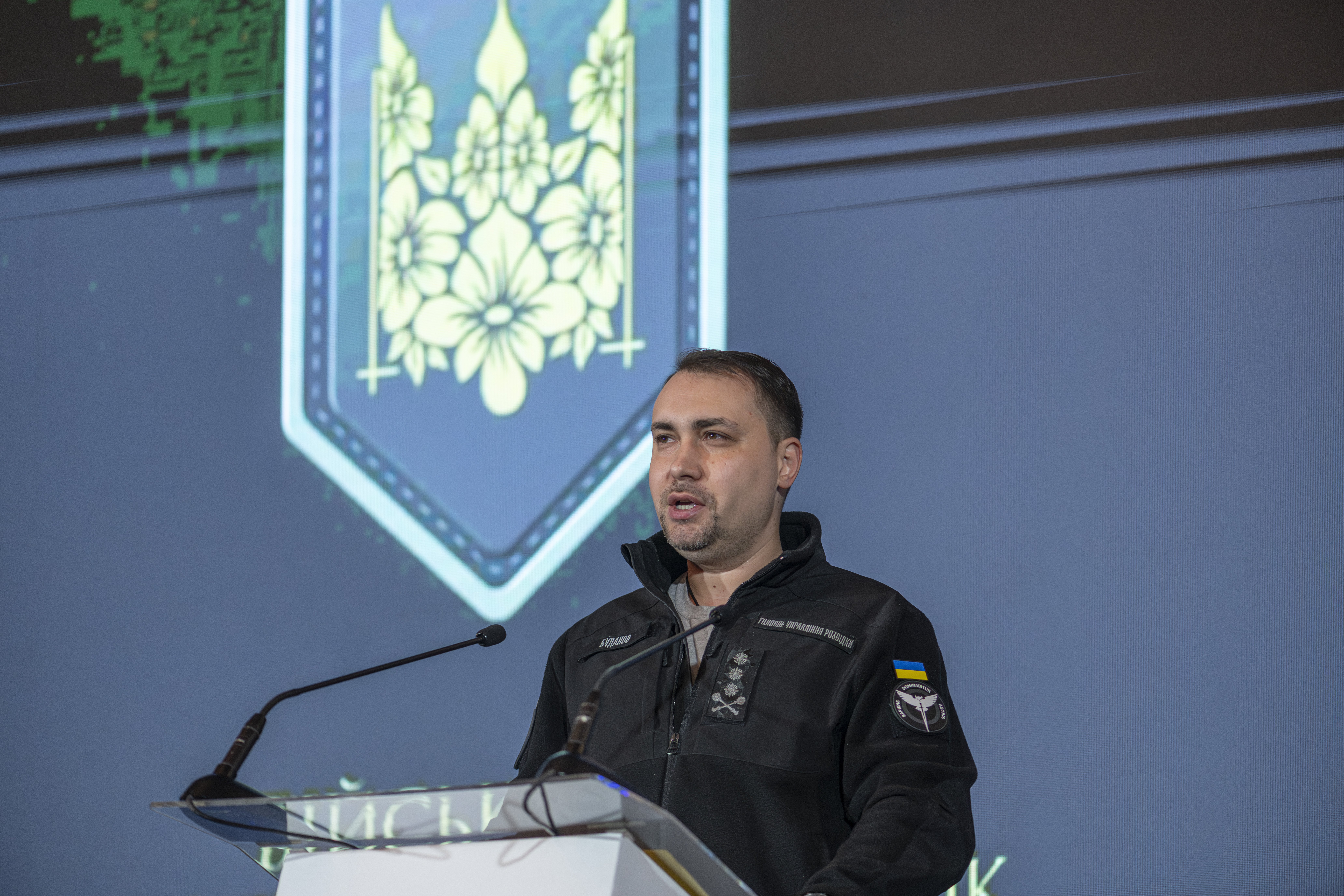
According to an interview with Suspilne published on December 27, Ukraine’s military intelligence chief Kyrylo Budanov outlined Russia’s key military objectives for 2026, emphasizing the Kremlin’s intent to fully occupy the Donetsk and Zaporizhzhia regions.
Speaking to Suspilne, Budanov stated that Russia’s military planning includes:
Full control over Donetsk region,
Further advances in Zaporizhzhia and Kherson regions,
Penetration into parts of Dnipropetrovsk region,
Expansion of so-called “sanitary” (buffer) zones along the border with Ukraine.
“These are their main tasks. Essentially, their 2026 objectives are Donbas and Zaporizhzhia,” Budanov said.
He noted that these ambitions are part of detailed Russian military planning, which Ukraine’s intelligence has been monitoring closely.
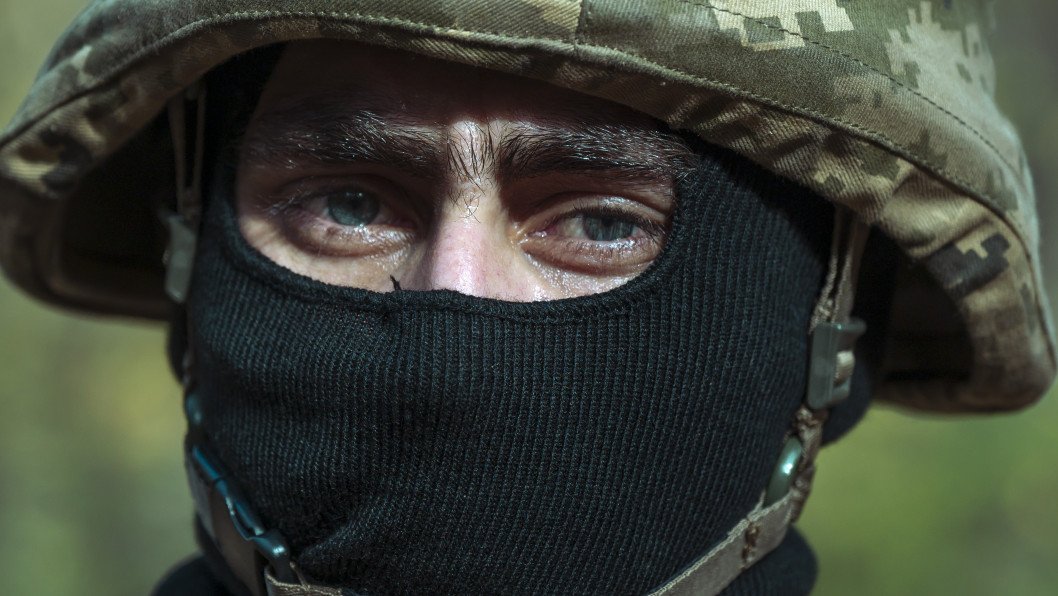
Budanov also disclosed that Russia’s mobilization plan for 2026 includes recruiting 409,000 personnel. For comparison, he said that the Kremlin’s target of 403,000 recruits for 2025 was already met by early December.
Despite internal challenges, Russia continues to attract contract soldiers with high one-time payments, especially in economically depressed regions.
Budanov added that Russia also fulfills its conscription quotas in temporarily occupied Ukrainian territories such as Crimea, Donetsk, Luhansk, Zaporizhzhia, and Kherson.
“All of those plans were completed 100%,” he said, explaining that while individual stories vary, all those recruited from occupied territories have signed formal contracts with the Russian Armed Forces.
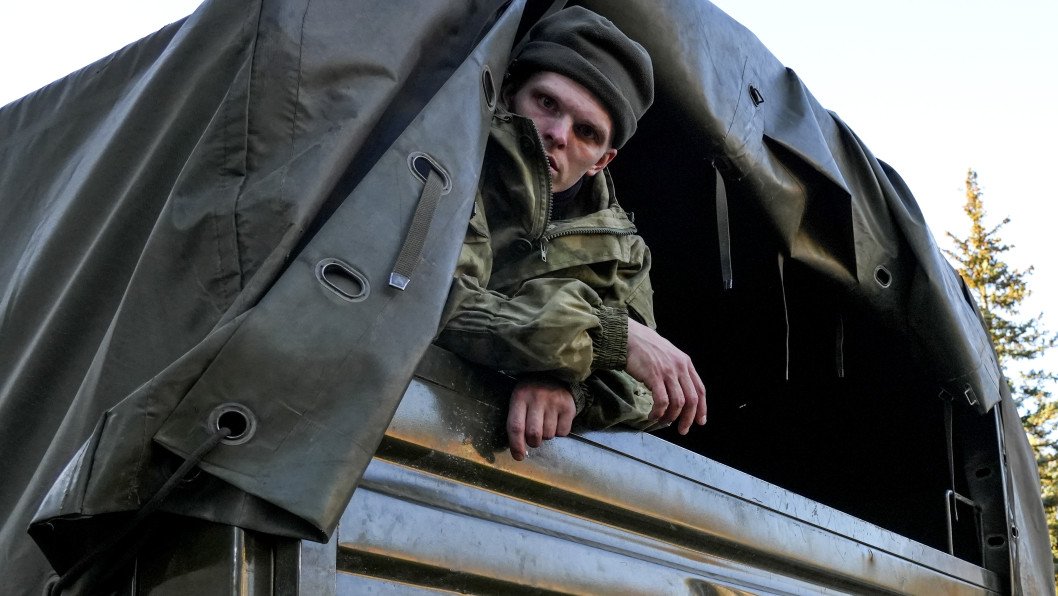
Budanov confirmed that Russian forces continue offensive operations on multiple fronts, albeit without achieving rapid breakthroughs.
“They are not achieving the pace they dream of, but they are advancing,” Budanov told Suspilne, acknowledging the continuous pressure exerted by Russian forces.
He pointed out that Russia’s main offensive efforts are concentrated around the Pokrovsk direction in Donetsk region, describing it as “the primary axis of attack.”
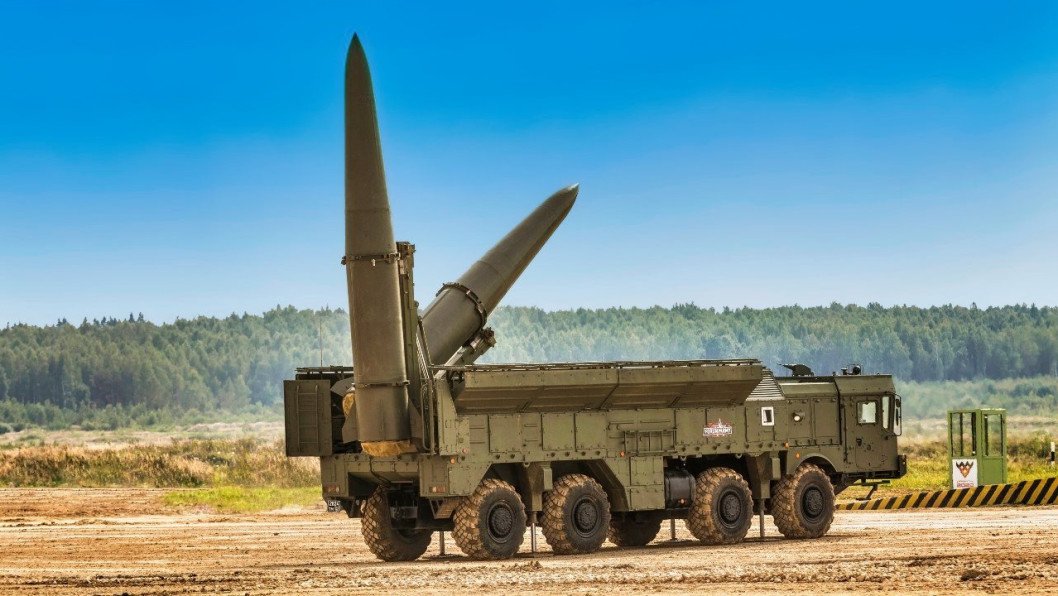
In early December, Russia launched over 1,600 attack drones and nearly 70 missiles against Ukrainian territory in just one week. Budanov explained that although Russia’s stockpiles of drones and missiles were nearly depleted by early 2023, the country has since rebuilt and expanded its production capacity.
He emphasized that Russia’s drone and missile capabilities are now domestically sustained and not reliant on direct supplies from Iran or North Korea. “They fully meet and often exceed their production targets,” he said, adding that mass attacks on Ukraine’s energy infrastructure are expected to continue.
Budanov also addressed his participation in Ukraine’s negotiation team tasked with engaging US and Russian representatives. Without revealing specific details, he emphasized the importance of discretion in sensitive talks.
“The key to a more or less acceptable outcome in negotiations is silence,” he noted, adding that territorial issues remain the central stumbling block in peace discussions.
Budanov acknowledged that global actors such as the United States may pursue strategic dialogue with Russia for their own interests—especially in the context of countering China.
According to him, the US is seeking to prevent a deepening Russia-China alignment, and any such efforts would require engaging Moscow diplomatically.
“Russia is larger, has more resources, and is more attractive in some respects,” Budanov said. “But that does not prevent partnerships with us.”
-fd36b54fa18abff98457b731d3248eb3.jpg)
While Russia continues to spend heavily on war, Budanov pointed to growing financial strain. Citing Ukrainian drone strikes on Russia’s oil infrastructure, he said that as of December 2025, around 21% of Russia’s oil refining capacity had been impacted.
He described Russia’s 2026 federal budget as “catastrophic,” with 46% of expenditures dedicated to defense and security—leaving little room for social or economic development.
“Any country allocating nearly half its budget to war cannot grow sustainably,” Budanov said.
Still, he cautioned that such economic pressure may not immediately affect battlefield operations, though it could influence Russia’s long-term willingness to negotiate.
Budanov warned that Russia continues its efforts to undermine Ukraine from within, particularly through information warfare aimed at discrediting Ukraine’s mobilization efforts.
“The campaign to disrupt Ukrainian mobilization will persist as long as the war continues,” he said.
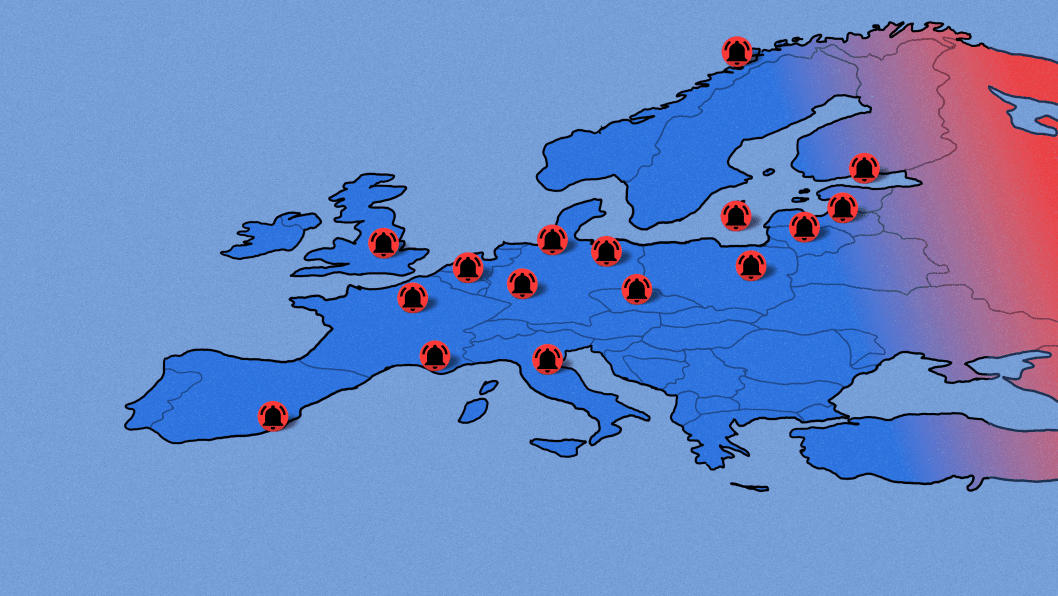
He also confirmed that Russia is preparing strategic reserves but is unlikely to initiate new military campaigns outside Ukraine until the current war concludes. However, he acknowledged the possibility of future threats to Baltic countries, given Russia’s history of provocative actions in European airspace and waters.
Looking ahead, Budanov stressed that Ukraine’s role in the evolving global security order will depend heavily on the outcome of its war with Russia. He believes Ukraine must secure a “dignified position” in the emerging postwar architecture to avoid further instability across the region.
“Many processes depend on the final results of this war,” he concluded. “That’s why the negotiation process is important—not just for Ukraine or Russia, but for what comes next.”
Earlier, Kyrylo Budanov warned that Russia may be ready to attack Europe by 2027—three years earlier than expected—with the Baltic states as likely targets.
Discuss this article:
-4a56a6b482ec132402c16ef6fcabf9a2.png)

-72b63a4e0c8c475ad81fe3eed3f63729.jpeg "Photo of Cyril Barabaltchouk")