- Category
- Latest news
Trump’s 28-Point Peace Plan Would Not Bring Peace to Ukraine. Here’s Why
 Prefer U24 Media on Google
- Authors




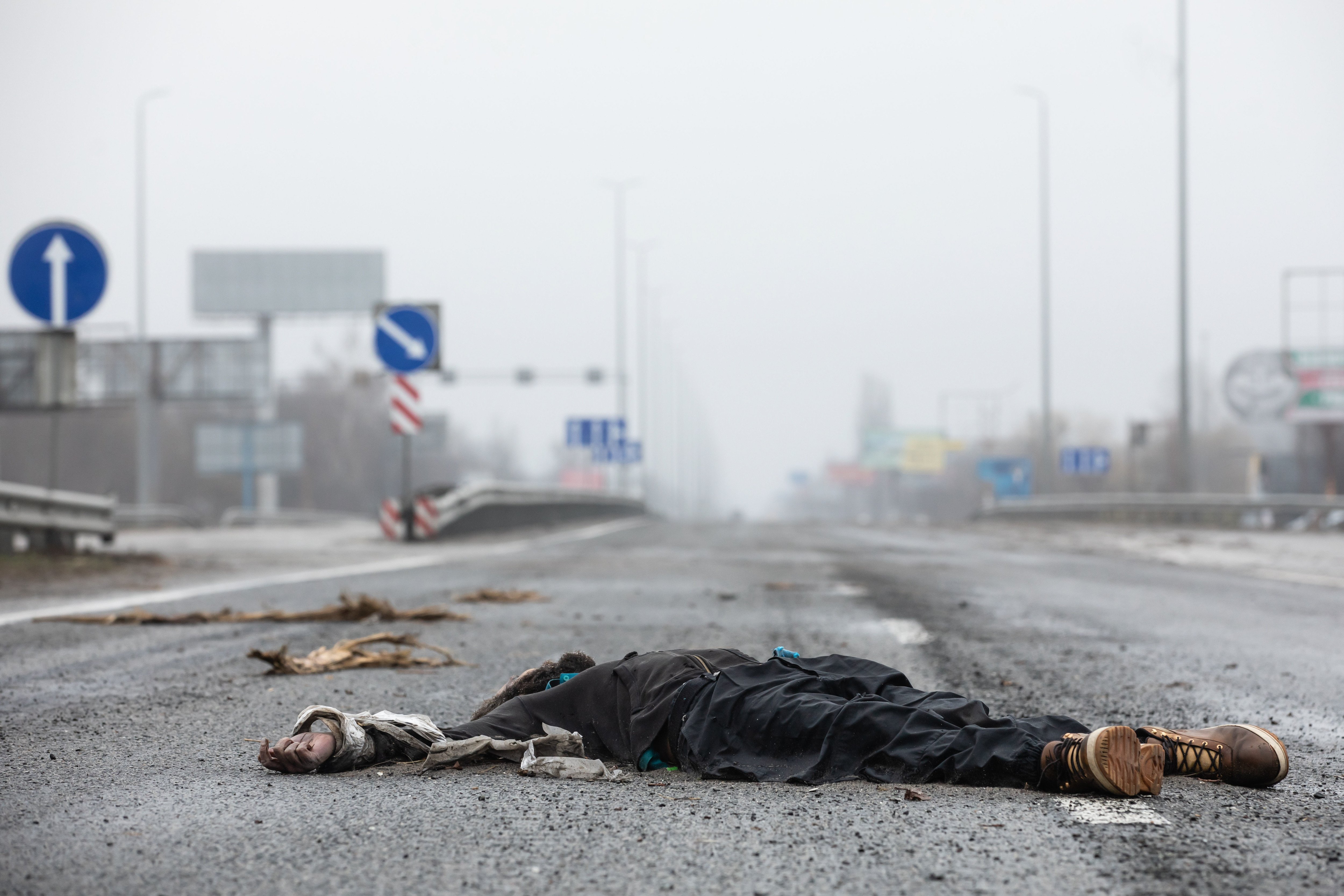
Trump’s proposed peace plan outlines sweeping concessions from Ukraine in exchange for a ceasefire with Russia. The 28-point framework includes territorial recognition, NATO exclusion, and an amnesty for wartime actions—raising concerns in Kyiv and across Europe about its long-term implications.
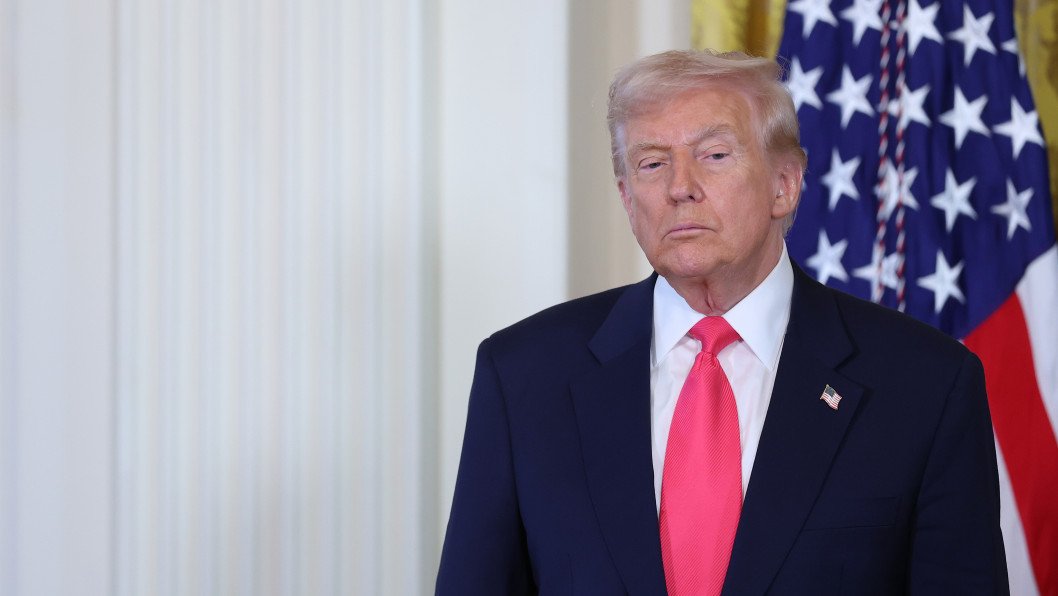
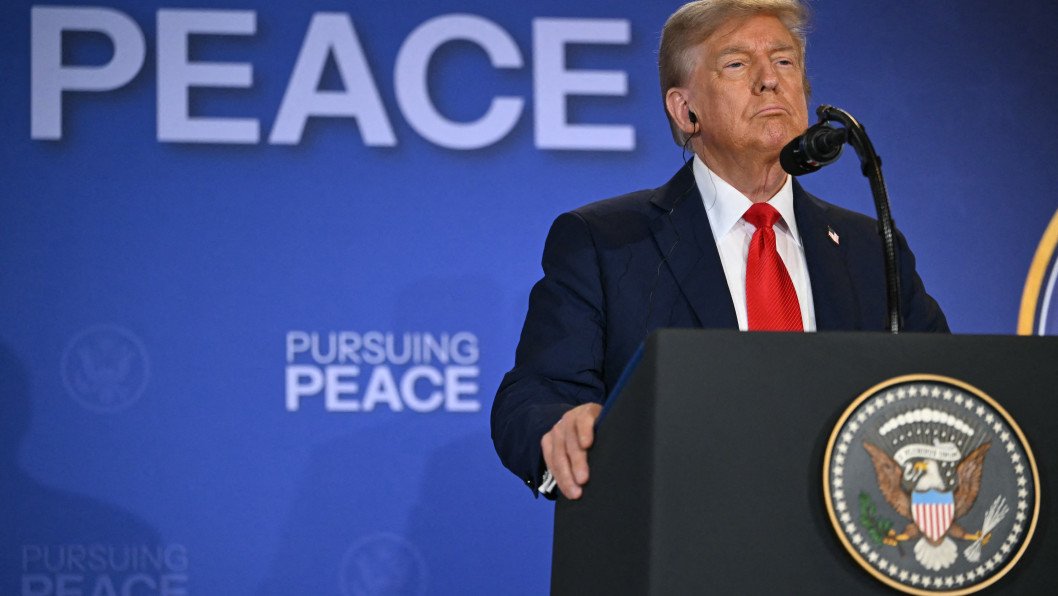
US President Donald Trump has presented a 28-point peace proposal for Ukraine, aiming to secure Kyiv’s agreement by Thanksgiving, according to The Wall Street Journal on November 21. A plan that has already faced critical assessments from multiple analysts, including WSJ itself.
The first major implication of the plan is the de facto legalization of Russian occupation. If implemented, the proposal would formally recognize Russia’s control over Crimea, Luhansk, and Donetsk, effectively locking millions of Ukrainian citizens inside annexed territories.
According to Ukraine’s military intelligence (HUR), the population of occupied Luhansk has dropped from 2.24 million in 2014 to 0.9 million in 2025, while occupied areas of Donetsk declined from 2.8 million in 2014 to 1.2 million in 2025.
-1199388da5cad20150e9fc730447f209.jpg)
Territorial freeze in Donbas and Crimea sparks alarm
Territorial provisions are among the most contentious. The United States would recognize Crimea, Donetsk, and Luhansk as de facto Russian territory, while the front lines in Kherson and Zaporizhzhia would become permanent demarcations.
Ukrainian forces would be required to withdraw from part of the Donetsk region, which would be designated a demilitarized buffer zone recognized as belonging to Russia. Moscow would not station troops in this area. Kyiv has repeatedly stated it will not accept any territorial concessions, warning that doing so would allow Russia to regroup and launch future offensives.
These October 2025 figures illustrate the scale of forced depopulation, displacement, and outflow caused by occupation — all of which the proposed agreement would legitimize internationally.
Amnesty clause would shield war crimes from prosecution
Another central element is the plan’s amnesty clause. Point 26 offers full legal immunity to all parties involved in the war, meaning that crimes such as torture, executions, filtration camps, enforced disappearances, and the deportation of more than 20,000 Ukrainian children would remain unpunished.
This provision would effectively halt ongoing international investigations and block future prosecutions of Russian military and political officials.
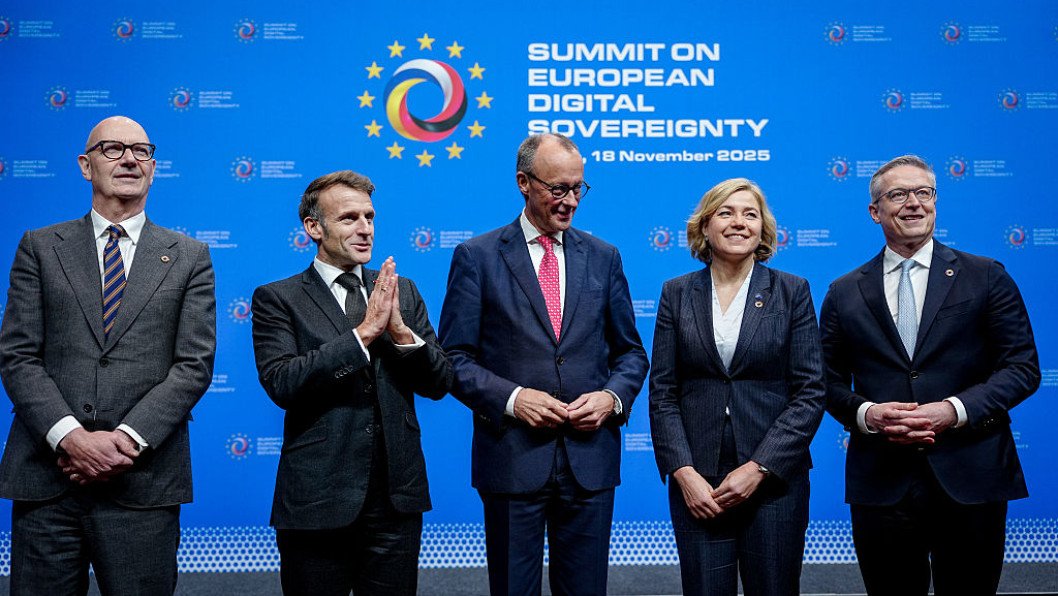
NATO membership blocked, military size capped
While Ukrainian officials acknowledge that near-term NATO membership is unlikely, they consider the alliance a long-term security goal. EU membership, by contrast, would remain an open path under the proposed terms. The Wall Street Journal notes that such a constitutional reversal would be politically sensitive and legally complex.
The proposal includes a conditional US security guarantee, offering a “decisive coordinated military response” in the event of future Russian aggression.
However, this guarantee would be revoked if Ukraine were to launch attacks inside Russia “without cause.” US officials have declined to specify what such a response would entail, and the plan does not include the deployment of a European security force—an idea reportedly abandoned due to Russian opposition.
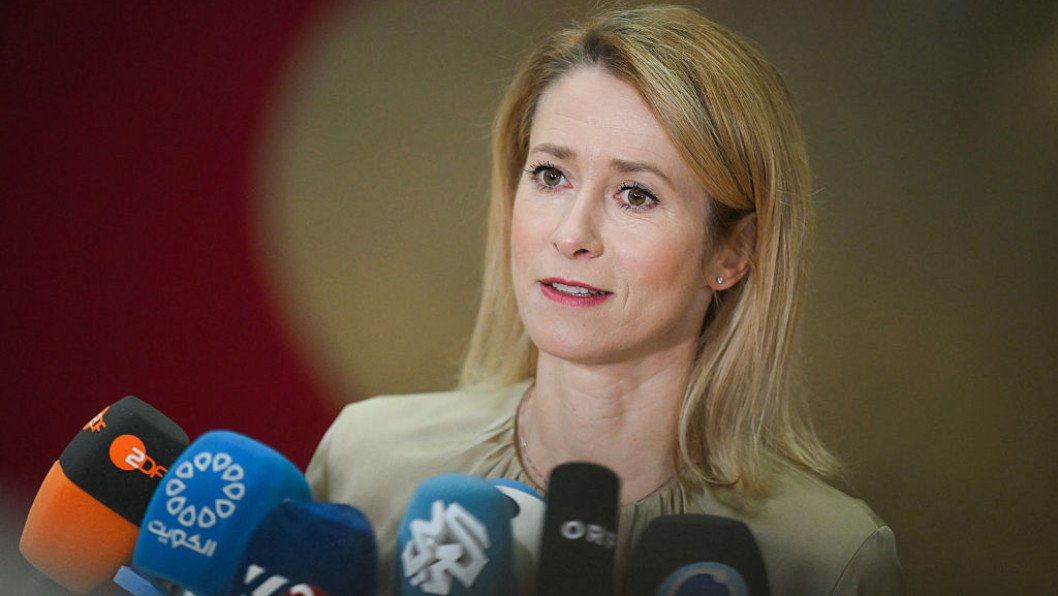
Questions remain over the reliability and enforceability of such guarantees, particularly in the absence of allied troop deployments.
Sanctions relief and G8 return for Russia
Economic provisions would see Russia gradually reintegrated into the global economy. Sanctions would be lifted in stages, and the US would enter into long-term cooperation with Russia across sectors including energy, artificial intelligence, and rare earth extraction. Russia would also be invited to rejoin the G8.
According to The Wall Street Journal, European leaders are likely to resist any such normalization without legal accountability for Russian leadership. Many governments have committed to ending imports of Russian fossil fuels by 2027 and oppose reengagement without justice mechanisms.
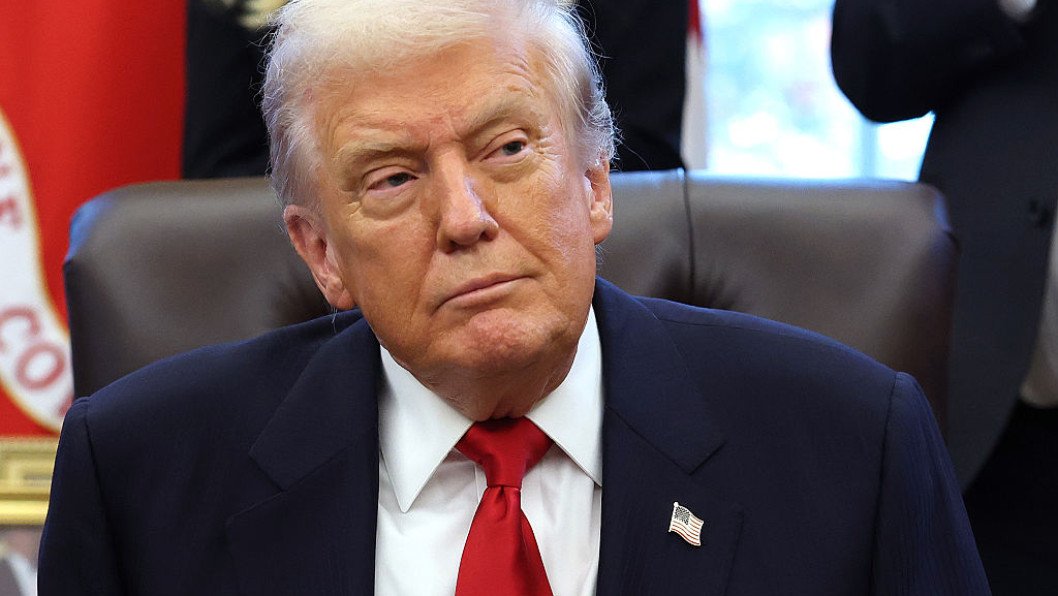
Europe rejects frozen assets seal as “scandalous”
The plan also proposes using $100 billion in frozen Russian central bank assets to fund Ukraine’s reconstruction, under a US-led initiative in which Washington would receive 50% of profits.
An additional $100 billion from European countries would supplement this fund. The remaining Russian assets—estimated at $300 billion in total—would be invested in a joint US-Russia vehicle for cooperative projects.
Much of the money is held in Europe under EU jurisdiction, meaning this provision would require European approval. Senior EU officials have strongly rejected the proposal, with one calling it “scandalous” and another reportedly stating that “Witkoff needs to see a psychiatrist” Brussels has previously proposed using the funds as collateral to issue up to $213 billion in loans to Ukraine, a plan that would conflict with Trump’s framework.
-bd64e0048c4984265b75040c8d41c0ed.jpg)
No trust in Russian promises without enforcement
Russia would be required to adopt legislation declaring a policy of non-aggression toward Ukraine and Europe. However, Ukrainian officials argue that legal commitments passed by the Russian State Duma hold little weight, citing previous agreements such as the 1994 Budapest Memorandum, which Russia later violated.
Kyiv and its allies maintain that only binding security guarantees and the threat of force can deter future aggression.
Zaporizhzhia plant still used as a shield, Ukraine warns
On the issue of energy, the Zaporizhzhia Nuclear Power Plant would be reactivated under the supervision of the International Atomic Energy Agency, with electricity output split evenly between Ukraine and Russia.
While Ukrainian authorities have previously called for full control of the plant, which provided a significant portion of the country’s power prior to the invasion, the facility is currently shut down and the International Atomic Energy Agency (IAEA) has expressed concern about resuming operations amid ongoing military activity near the site.
Multiple reports indicate that Russian forces have repeatedly used the Zaporizhzhia Nuclear Power Plant as a military shield—stationing troops, heavy equipment and weaponry inside and around the facility—a practice condemned by Ukraine as “nuclear terrorism”.
Humanitarian section includes child returns, but details disputed
A humanitarian committee would be established to facilitate the exchange of all remaining prisoners and bodies, return civilian detainees and children, and implement family reunification efforts. While both Ukraine and Russia have expressed interest in resolving these issues, disagreements persist.
Ukraine claims that over 20,000 children were illegally transferred to Russia during the war. Russia has contested these figures and stated that any returns must involve legal guardians and consultations.
Ukraine pressured to hold elections within 100 days
Finally, the proposal calls for national elections to be held in Ukraine within 100 days. President Volodymyr Zelenskyy has said he is open to elections if they can be held safely and fairly, including in areas currently under partial Russian occupation.
However, he has rejected holding elections under foreign pressure, especially given Russian claims that the lack of voting undermines his legitimacy. Ukrainian officials have warned that any elections held under the proposed terms could be exploited by Russian disinformation campaigns or used to promote pro-Kremlin candidates.
Critics say plan offers no protection against future invasion
As The Wall Street Journal highlights throughout its analysis, the Trump peace plan raises a number of red lines for Kyiv and its allies. While it proposes a structured end to hostilities, it leaves unresolved core questions of sovereignty, justice, and enforcement.
European capitals are expected to examine the proposal closely, but early responses indicate that many of its provisions will face substantial resistance.
Ultimately, none of the 28 provisions in the proposed plan offers a verifiable guarantee against future Russian aggression. Despite references to “non-aggression commitments” and “coordinated responses,” the plan lacks concrete enforcement mechanisms.
Ukrainian officials and Western analysts argue that without binding security guarantees backed by action—not just words—any deal risks enabling Russia to regroup and invade again.
Earlier, Ukrainian President Volodymyr Zelenskyy warned that “Ukraine may soon face a very tough choice. Either the loss of dignity, or the risk of losing a key partner,” referring to mounting international pressure over the proposed 28-point peace plan.
Discuss this article:

-72b63a4e0c8c475ad81fe3eed3f63729.jpeg "Photo of Cyril Barabaltchouk")
-111f0e5095e02c02446ffed57bfb0ab1.jpeg "Photo of Roman Kohanets")
-e88c01988249cd60b6f04f79d29156b7.jpeg "Damage to “Cosmogony,” the largest painting in Ukraine, following a Russian drone attack on Lutsk on October 13, 2026. (Source: @sashyyna/Instagram)")
