- Category
- War in Ukraine
Destroyed Logistics Forcing Russian Infantry to March 30 Kilometers to Frontline Positions
 Prefer U24 Media on Google
- Authors


Ukrainian strikes on Russian logistics in temporarily occupied Crimea and southern regions have led to growing difficulties for Russian forces in transporting personnel to positions and sustaining their units, Ukraine’s Defense Minister Mykhailo Fedorov said.
The remarks were made during a press conference with Swedish Defense Minister Pål Jonson, as reported by Interfax on July 1.
We bring you stories from the ground. Your support keeps our team in the field.
According to Fedorov, sustained attacks on logistics routes and military infrastructure have created “a large number of problems that are not obvious at first glance, but which affect the intensity of the enemy’s actions in carrying out strikes on Ukrainian territory.”
“What will happen next? We will see later. You will definitely see it in Russian posts and various information sources. We will not spoil it for now. But we already see, for example in the south, some sections of the front where Russian infantry, due to destroyed logistics, are moving 30 km on foot in order to reach their positions,” he said.
The minister also noted that Russia is increasingly struggling to manage “crisis after crisis,” including a fuel deficit caused by Ukrainian strikes.
“(...) therefore we see problems with logistics for the Russians, we see problems with critical infrastructure, which, in principle, also affects the combat capability of the troops. We see that manoeuvrability has been disrupted in Russian forces. We see that logistics continues to suffer every day,” Fedorov added.
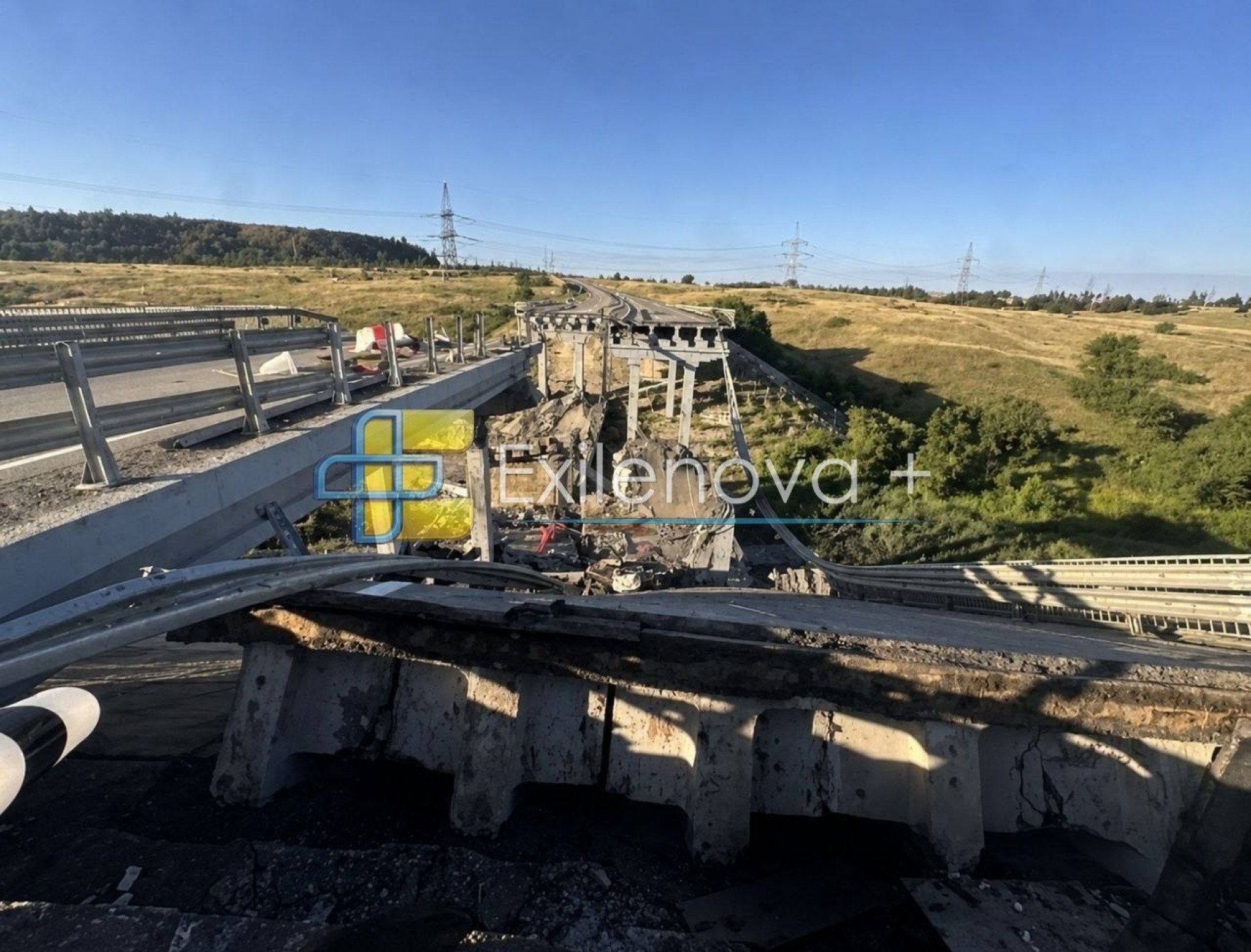
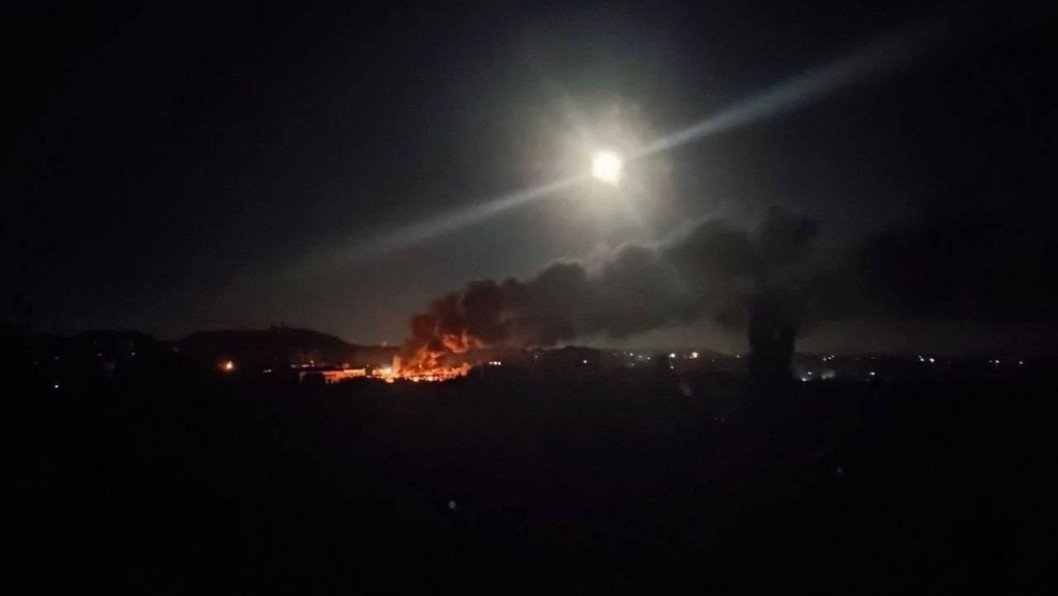
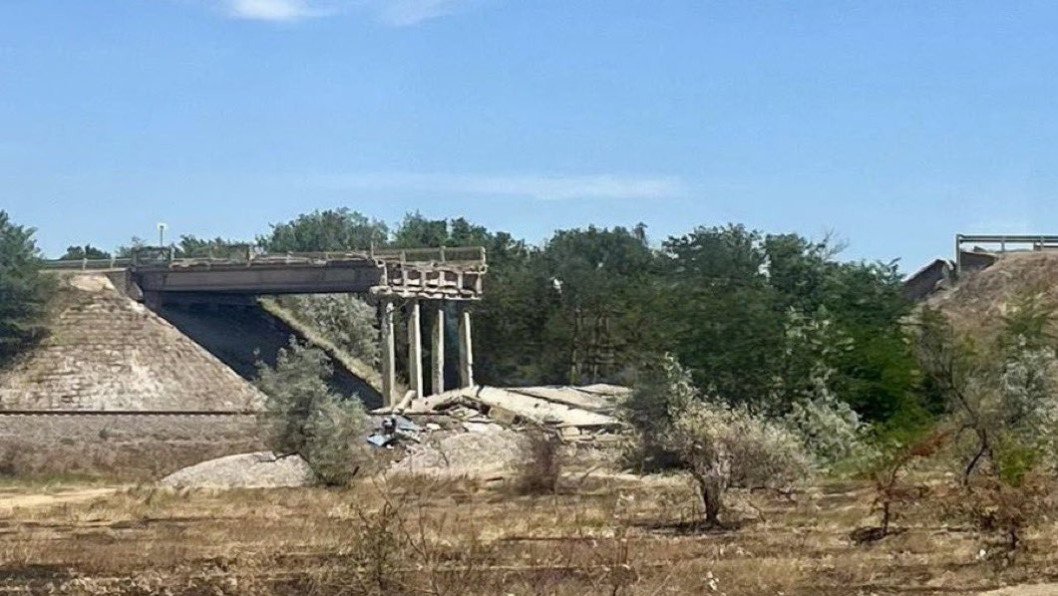
The reported logistical difficulties come amid a series of targeted strikes on Russian transport infrastructure in temporarily occupied territories. On July 1 it was reported that Ukrainian Defense Forces destroyed a road bridge on the Russian-controlled Donetsk–Mariupol highway, disrupting a key logistics route used by Russian troops in the temporarily occupied Donetsk region.
According to Exilenova+, the strike caused the collapse of several bridge spans near the village of Kremenivka in Volnovakha district, rendering the crossing impassable for vehicles.
Images published by Exilenova+ show extensive structural damage, including the collapse of multiple sections across both carriageways and damage to supporting pillars.
The bridge spans the Malyi Kalchyk River and is part of the main highway linking occupied Donetsk with Mariupol, a route used by Russian forces for the movement of personnel, military equipment, ammunition, and other supplies.
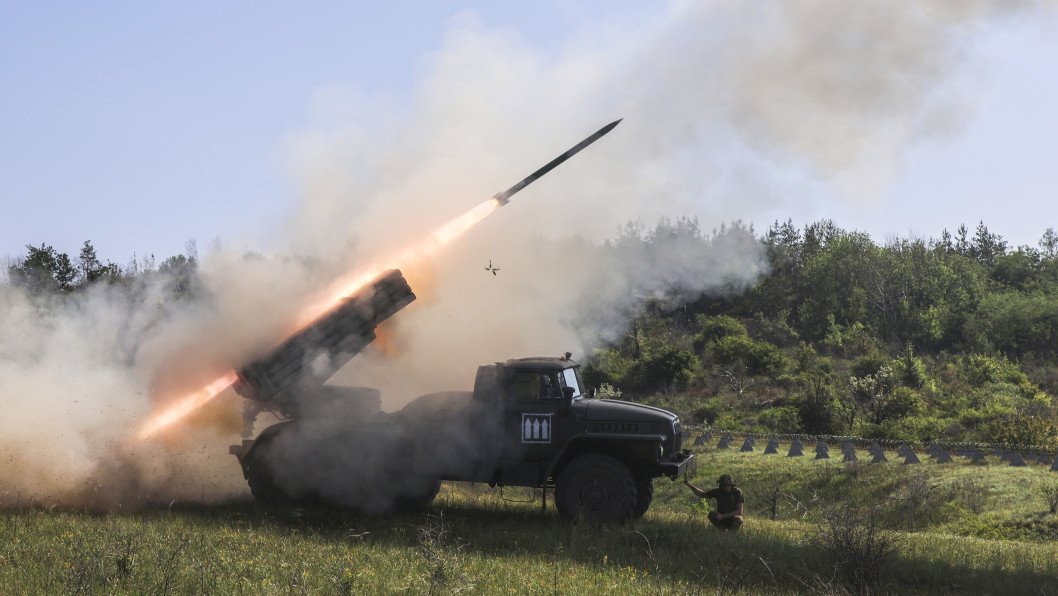
The development comes amid Ukraine’s ongoing campaign targeting Russian logistics networks, command-and-control systems, drone coordination infrastructure, and supply routes both in occupied territories and inside Russia.
According to official reports, Ukrainian President Volodymyr Zelenskyy approved a 40-day strategic influence operation conducted by the Security Service of Ukraine, aimed at increasing pressure on Russia to bring its war to an end.
Overall, in June, Ukraine’s Defense Forces, as part of their DeepStrike campaign, targeted 11 Russian oil refineries, seven fuel logistics facilities, eight military-industrial enterprises, space communications centres, as well as naval vessels and ferries.
The Ukrainian Ministry of Defense said that Ukraine’s deep strike capabilities reached a maximum effective range of more than 2,000 kilometres from the state border, underscoring what it described as a systematic effort to degrade Russia’s ability to sustain its war effort.
Discuss this article:



-c439b7bd9030ecf9d5a4287dc361ba31.jpg "Photo of Katherina Popilnichenko")


-72b63a4e0c8c475ad81fe3eed3f63729.jpeg "Photo of Cyril Barabaltchouk")