- Category
- War in Ukraine
Series of Strikes Ignite Fires at Five Electrical Substations Across Occupied Crimea
 Prefer U24 Media on Google
- Authors


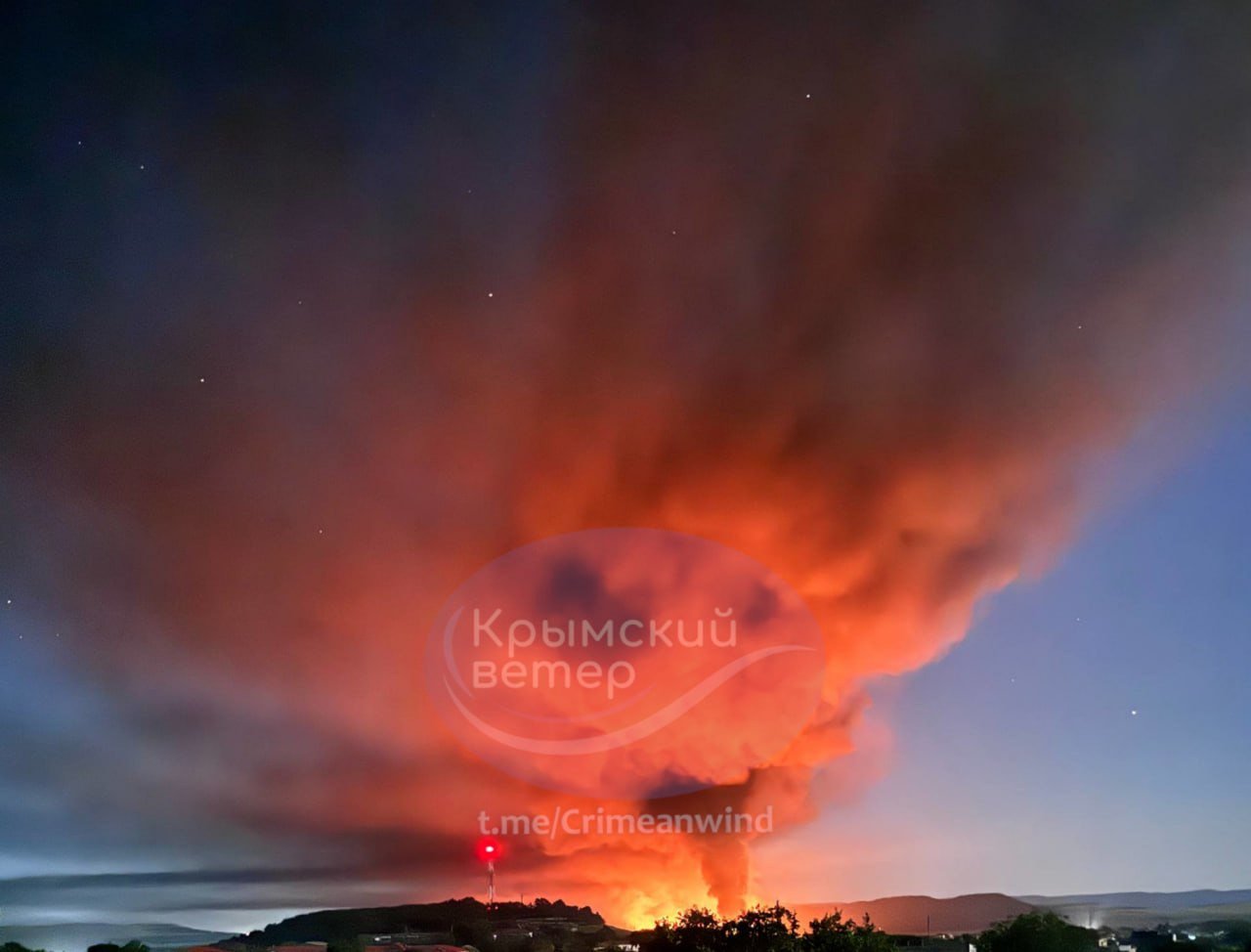
A series of explosions was reported across temporarily occupied Crimea overnight on July 3, with monitoring channels reporting attacks on energy infrastructure that triggered fires at several electrical substations across the peninsula.
According to the Telegram channel Crimean Wind, a fire broke out at the 110 kV Saky electrical substation. The monitoring group said satellite imagery showed a wide distribution of thermal signatures, indicating a significant fire at the site.
We bring you stories from the ground. Your support keeps our team in the field.
Citing information from a subscriber, Crimean Wind later reported that the Saky substation was struck twice during the night and was completely destroyed by the resulting fire.
Another blaze was reported at the 110/35/10 kV Staryi Krym substation, which Crimean Wind described as a key 110 kV node in the peninsula's power grid. Subscribers of the monitoring channel reported that electricity went out in the town of Staryi Krym and nearby villages shortly after 1 a.m. local time, following the explosions.
According to Crimean Wind, the 220/35/10 kV Marianivka substation in the Krasnohvardiiske district was struck again and caught fire. The monitoring group noted that the facility has been undergoing a major modernization program between 2024 and 2026, including the replacement of 20 MVA transformers with new 40 MVA units.
-3a6c792c79e08862dff85f98a0fdc34e.jpg)
The monitoring channel also reported fires at two electrical substations in Dzhankoi: the 330 kV facility is a key power distribution node supplying Russian military installations, while the nearby 35/10 kV Zahorodnia substation provides power to the Dzhankoi military airfield.
Another fire was reported at the 110/35/10 kV Belogorsk substation. Crimean Wind said thermal signatures were detected at the site around 2 a.m. local time. The substation supplies electricity to the town of Belogorsk, surrounding communities, and several industrial facilities, including a large greenhouse complex.
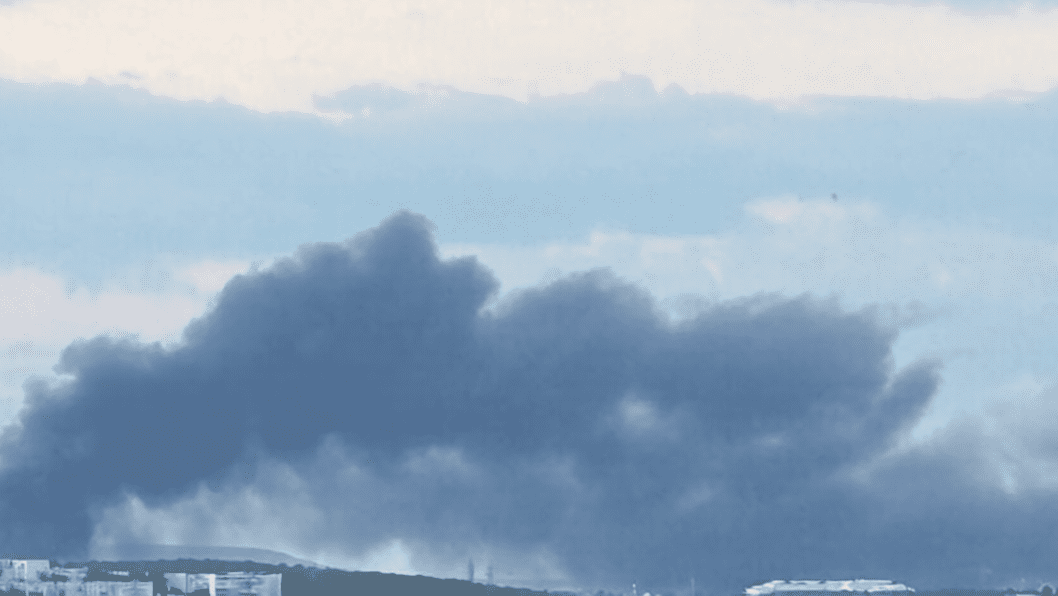
The reported attacks followed a coordinated Ukrainian campaign against Russian-controlled energy infrastructure. On July 2, Commander of Ukraine's Unmanned Systems Forces Robert Brovdi said Ukrainian drone units had disabled 12 electrical substations and one gas distribution station across temporarily occupied regions over a 48-hour period.
According to Brovdi, the operation targeted critical energy infrastructure in the occupied territories, significantly disrupting the regional power grid. Among the targets were high-voltage substations in temporarily occupied Crimea, the Starobesheve Thermal Power Plant substation in temporarily occupied Donetsk region, a gas distribution station and an electrical substation in temporarily occupied Luhansk region, and a fuel and lubricants depot in temporarily occupied Melitopol.
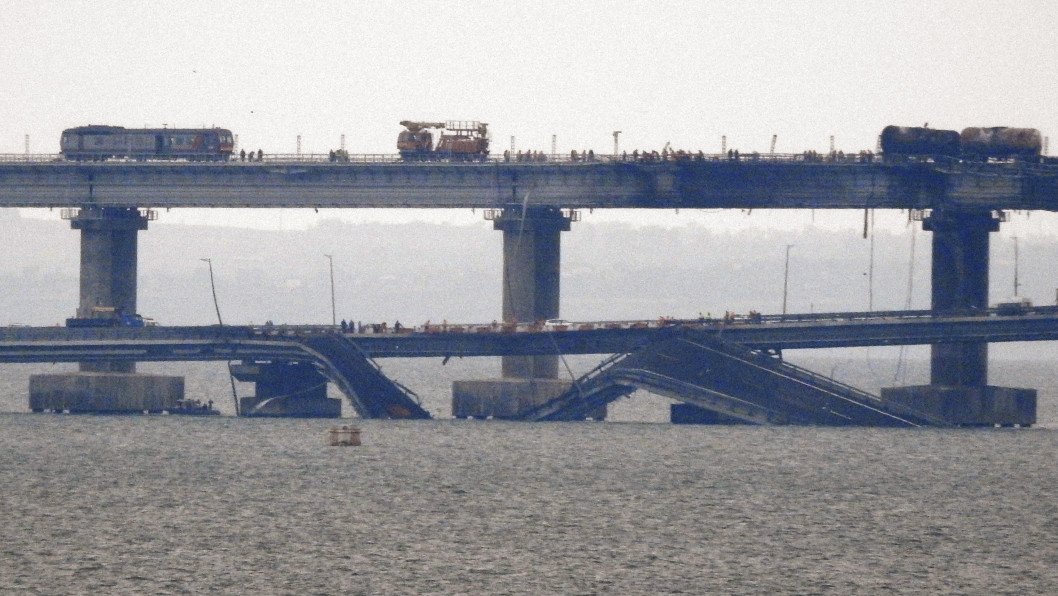
The latest strikes came as Ukrainian forces also targeted an electrical substation at the Michurinskaya thermal power plant in Russia's Belgorod on the morning of July 3. The OSINT group Exilenova+ published images and video showing a fire at the site.
A missile alert had been declared across Belgorod region before the strike, after which residents reported explosions and disruptions to electricity and water supplies in several parts of the city. Regional authorities acknowledged the attack, confirming that a fire had broken out at an infrastructure facility and that energy infrastructure had sustained significant damage.
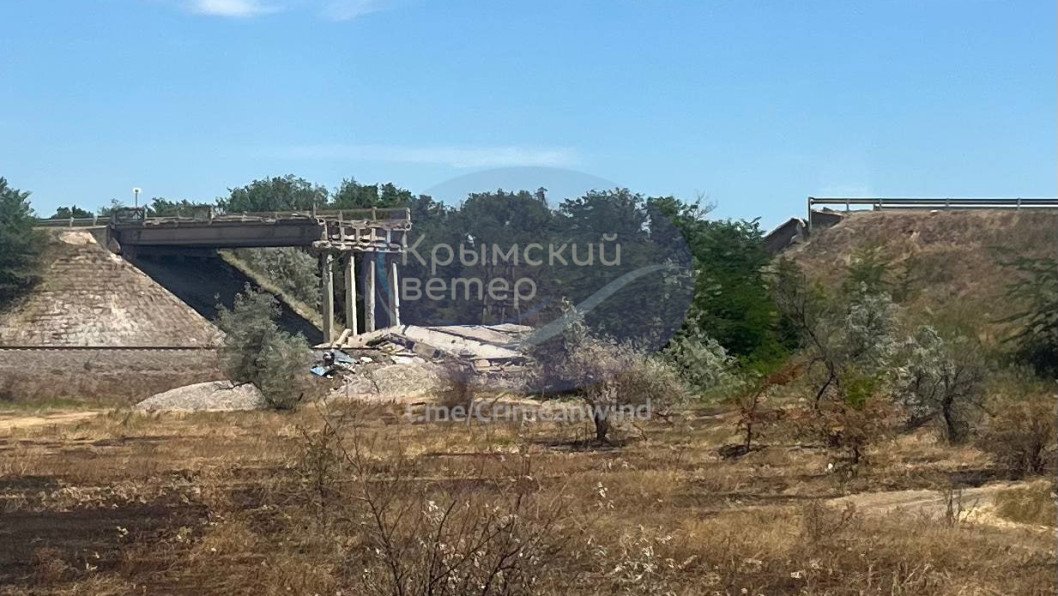
The energy disruptions coincide with Ukraine's expanding campaign against Russian military logistics, supported by a growing fleet of mid-range strike drones capable of targeting supply routes, fuel convoys, rail infrastructure, and military facilities up to 300 kilometres behind the front line in occupied territories.
The effort is part of Ukraine's broader "Logistic Lockdown" initiative, announced by Defense Minister Mykhailo Fedorov in May, which is designed to disrupt Russian supply networks and reduce Moscow's ability to sustain offensive operations.
Discuss this article:
-4a56a6b482ec132402c16ef6fcabf9a2.png)